In a significant move that underscores the ongoing consolidation within the supply chain technology sector, Canadian software giant Descartes Systems Group has announced the acquisition of Extensiv, a California-based specialist in warehouse management systems (WMS) and fulfillment solutions. The transaction, valued at approximately $120 million, represents a calculated effort by Descartes to deepen its footprint in the high-growth third-party logistics (3PL) and e-commerce fulfillment sectors.
This acquisition marks another chapter in Descartes’ aggressive growth strategy, further expanding its "Global Logistics Network" by integrating specialized intelligence tailored for the modern, omnichannel retail environment.
The Core Transaction: Expanding the Digital Warehouse
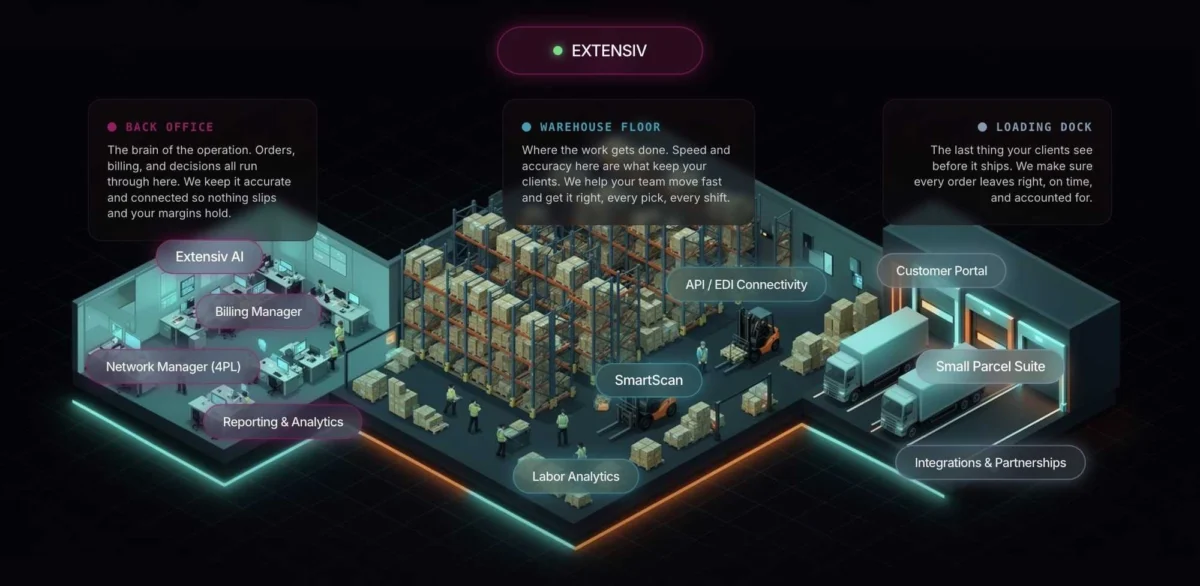
At its heart, the acquisition of Extensiv is about data and reach. Extensiv has built a reputation for providing cloud-native software that allows 3PLs to manage the complex, high-velocity demands of modern retail. By integrating Extensiv’s platform into its existing infrastructure, Descartes gains access to a robust ecosystem of 3PLs, e-commerce brands, and the critical operational data that flows between them.
The $120 million investment provides Descartes with a sophisticated suite of tools capable of managing inventory, order orchestration, and billing across a fragmented landscape of online marketplaces and carrier networks. For Descartes, this is not merely an acquisition of software; it is an acquisition of market connectivity.
A Chronology of Strategic Growth
Descartes Systems Group has long operated as a serial acquirer, systematically building a comprehensive suite of supply chain tools. To understand the significance of the Extensiv deal, one must view it within the context of the company’s broader trajectory:
Foundation and Early Expansion: Originally founded as a specialist in routing and scheduling, Descartes spent the last decade diversifying its portfolio through targeted acquisitions of compliance software, freight auditing, and visibility tools.
The Shift to E-commerce: As the "Amazon effect" reshaped consumer expectations, Descartes pivoted to ensure its software could handle the nuances of B2C and direct-to-consumer (DTC) fulfillment.
Deepening the 3PL Vertical: Recognizing that 3PLs act as the backbone of modern e-commerce, Descartes has spent the last five years acquiring companies that specifically serve this mid-market tier.
The Present Day: The acquisition of Extensiv represents the culmination of this vertical integration, positioning Descartes as a "one-stop shop" for logistics providers who must balance speed, scale, and profitability.
Supporting Data: Why the 3PL Market is Primed for Tech Consolidation
The logistics industry is currently navigating a period of unprecedented volatility. The marriage of Descartes and Extensiv is supported by several key market trends:
Omnichannel Complexity: Modern brands now sell across dozens of channels—from Shopify stores and Amazon marketplaces to brick-and-mortar storefronts. Extensiv’s software is engineered to act as the "source of truth" for inventory across these disparate platforms.
The Rise of Distributed Fulfillment: To combat rising shipping costs and delivery times, companies are increasingly shifting to distributed fulfillment models. This requires a level of warehouse orchestration that legacy WMS platforms often struggle to provide.
Data as a Competitive Advantage: According to industry analysts, logistics providers who leverage "contextually rich" data—information that connects inventory levels with carrier performance and customer demand—are 30% more efficient than those operating on siloed systems.
Capital Efficiency: For a company like Descartes, the $120 million price tag is a strategic investment in recurring revenue. By moving 3PLs onto its proprietary network, Descartes secures long-term software subscriptions and creates high barriers to entry for competitors.
Official Responses and Strategic Rationale
The executive leadership at both organizations has framed the acquisition as a natural evolution of their shared vision for the logistics sector.
Mikel Richardson, General Manager of E-commerce Operations at Descartes, emphasized the pressure currently placed on 3PLs:
"3PLs are under constant pressure to fulfill faster, scale flexibly, and support the evolving needs of modern brands. Descartes has long been a trusted technology provider for 3PLs. Extensiv strengthens that position by adding more participants, more contextually rich operational data, and fulfillment intelligence to the Descartes Global Logistics Network."
From the perspective of Extensiv, the acquisition offers the scale necessary to compete on a global stage. While Extensiv has seen significant success in the North American market, becoming part of the Descartes portfolio provides them with the global sales infrastructure, regulatory compliance expertise, and financial backing of a public, multi-billion-dollar entity.
Implications for the Supply Chain Ecosystem
The integration of Extensiv into Descartes will have far-reaching implications for the industry.
1. The Death of Siloed Logistics
For years, the WMS market was fragmented, with small 3PLs relying on spreadsheets or outdated legacy software. This acquisition accelerates the industry-wide move toward "connected fulfillment." Smaller logistics providers can now access enterprise-grade, cloud-based tools that were previously out of their price range or technical capability.
2. Heightened Competition for SaaS Providers
This deal signals to other software providers that the "mid-market" 3PL sector is the primary battleground for logistics tech. Competitors such as Blue Yonder, Manhattan Associates, and various specialized venture-backed startups will likely face increased pressure to either innovate or consolidate their own offerings to match the end-to-end visibility that Descartes is building.
3. Increased Focus on "Intelligence"
The term "fulfillment intelligence" is becoming a buzzword for a reason. Future WMS platforms will be judged not on their ability to track inventory, but on their ability to predict demand, suggest warehouse slotting optimizations, and automate carrier selection based on real-time cost-to-serve analysis. By bringing Extensiv’s data into its network, Descartes is clearly prioritizing this predictive future.
4. What This Means for Customers
For the 3PLs and e-commerce brands currently using Extensiv, the transition is expected to be additive. They will likely gain access to Descartes’ massive carrier network and global trade compliance tools, potentially reducing their reliance on third-party integrations and simplifying their tech stack.
Conclusion: The Road Ahead
The $120 million acquisition of Extensiv by Descartes Systems Group is a definitive statement on the state of the warehouse technology market. As the lines between e-commerce, retail, and logistics continue to blur, the winners will be the platforms that can provide a seamless, data-rich experience across the entire order lifecycle.
While Descartes continues its streak of acquisitions, the real test will be in the execution—specifically, how effectively they can integrate Extensiv’s specialized 3PL focus into the massive, sprawling architecture of the Descartes Global Logistics Network. If successful, this merger will set a new benchmark for how integrated, intelligent, and scalable modern logistics technology must be to survive in a volatile global economy.
As we look toward the remainder of the fiscal year, all eyes will be on whether this move triggers a further wave of consolidation among other logistics software players, or if Descartes has successfully secured a dominant lead in the critical, high-growth arena of 3PL fulfillment. For now, the message is clear: in the race to provide the ultimate logistics platform, the consolidation of expertise and data is the only path to the finish line.