In a move that promises to reshape the agricultural and economic landscape of the Northeast, yogurt giant Chobani has announced a landmark $1.2 billion investment to convert a massive Pennsylvania manufacturing facility into a state-of-the-art dairy production hub. The project, which represents the largest private capital infusion in the history of Pennsylvania’s agriculture industry, marks a strategic pivot for the New York-based company as it looks to diversify its portfolio beyond its core yogurt offerings.
By assuming control of the 1.5 million-square-foot facility in Upper Macungie Township—formerly operated by Keurig Dr Pepper (KDP)—Chobani is positioning itself to become a dominant force in the broader dairy food category. The expansion is not merely a corporate milestone; it is an industrial evolution that bridges the gap between traditional dairy farming and high-tech food manufacturing.
The Strategic Vision: Beyond the Yogurt Cup
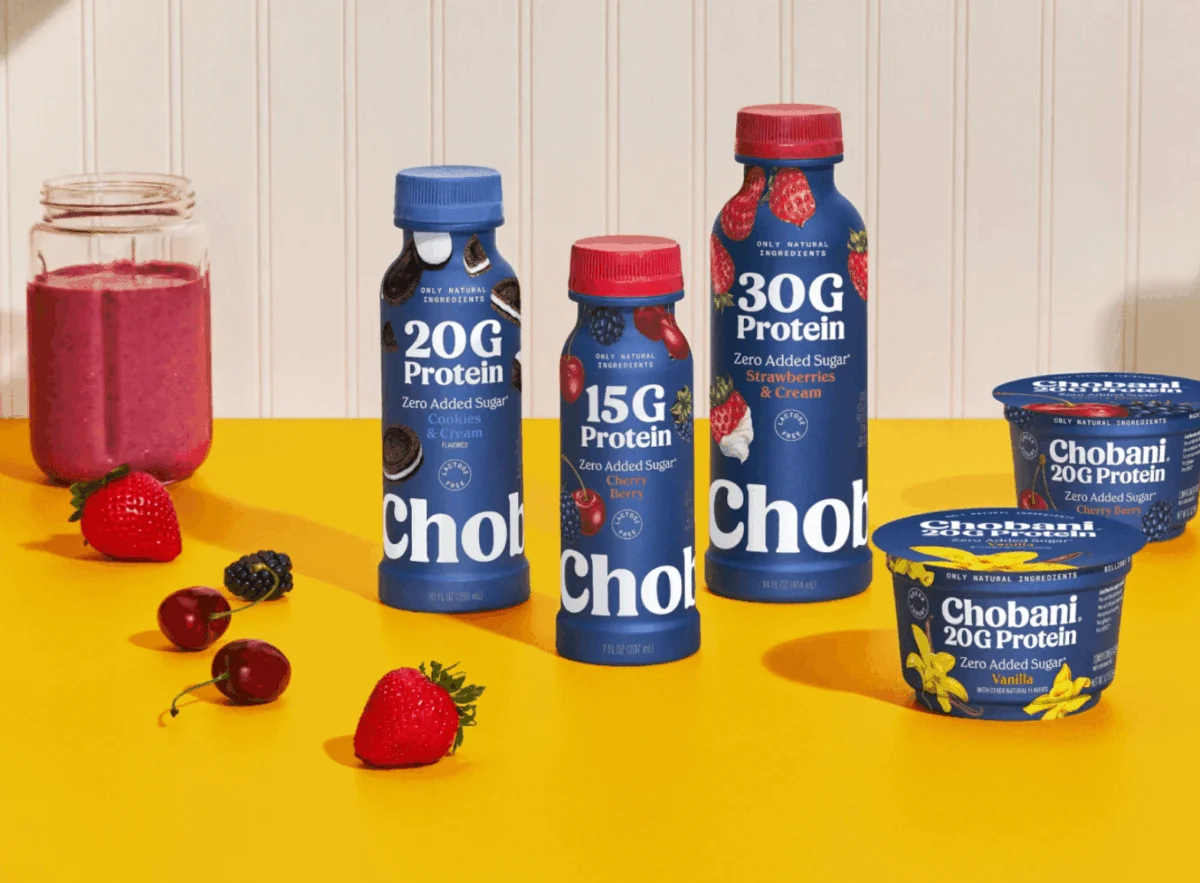
For years, Chobani has been synonymous with the Greek yogurt revolution. However, this $1.2 billion investment signals that the company’s ambitions are far more expansive. According to corporate leadership, the Upper Macungie site will serve as the engine for "innovative food products beyond yogurt."
The scale of the facility is staggering. Covering 1.5 million square feet, the site offers the physical infrastructure necessary to implement complex, high-volume manufacturing lines capable of churning out a new generation of dairy-based consumer goods. While the specific product lines remain largely under wraps, industry analysts suggest the company is likely eyeing the growing market for functional dairy, protein-enriched snacks, and perhaps even premium chilled goods that leverage the site’s proximity to major East Coast distribution corridors.
Chronology of the Project
The journey to this announcement has been marked by meticulous site selection and high-level negotiations.
- Pre-2026: Keurig Dr Pepper assesses its footprint in the Lehigh Valley, leading to the identification of the 1.5 million-square-foot facility as surplus to their long-term operational needs.
- Early 2026: Preliminary discussions begin between Chobani, local Pennsylvania stakeholders, and state officials regarding the potential for an industrial conversion.
- Announcement Day (2026): Governor Josh Shapiro officially unveils the $1.2 billion investment, confirming that Chobani will acquire the KDP facility, its equipment, and its associated infrastructure.
- Transition Phase (2026–2027): Retrofitting of the facility commences. This phase involves stripping out legacy beverage manufacturing equipment and installing modern dairy processing technology, including advanced pasteurization, cold-chain logistics, and automated packaging systems.
- Expected Operational Commencement (2027): Chobani anticipates the first run of production at the new facility, marking the beginning of a phased ramp-up that will continue over the next five years.
Supporting Data: A Seismic Shift in Milk Demand
Perhaps the most significant metric of this project is its impact on the Commonwealth’s dairy supply chain. Once the facility reaches full capacity, it is expected to process more than three billion pounds of milk annually.
To put this number in perspective:
- Market Share: Three billion pounds represents approximately 30% of all milk currently produced in the state of Pennsylvania.
- Historical Precedent: This is the single largest increase in demand for Pennsylvania dairy in the state’s history, providing a stable, long-term buyer for the Commonwealth’s family-run farms.
- Supply Chain Integration: The project connects over 4,000 dairy farmers directly to one of the most innovative food companies in the world, creating a "farm-to-fridge" pipeline that bypasses traditional inefficiencies.
The economic ripple effect is equally quantifiable. The project is projected to create 900 full-time, high-skilled jobs in the Lehigh Valley within the first five years of operation. These positions will range from specialized food engineers and laboratory technicians to logistics experts and facility management professionals.
Official Responses and Stakeholder Perspectives
The scale of this investment has drawn widespread praise from both the public and private sectors, who view it as a testament to Pennsylvania’s competitive advantage in food manufacturing.
The Governor’s Stance
Governor Josh Shapiro has been a central figure in the deal, framing it as a major victory for the "Pennsylvania brand." In official statements, the Governor’s office emphasized that this investment proves Pennsylvania is a premier destination for global corporations looking to modernize their supply chains. "This is a historic commitment," said a spokesperson for the administration. "It secures the future of our dairy farmers and solidifies our position as a leader in the American food industry."
Chobani’s Corporate Strategy
Chobani’s leadership has emphasized that this project is about more than just capacity; it is about "wholesome food" accessibility. By locating in Pennsylvania, Chobani taps into a rich history of dairy tradition while modernizing it with their own brand of corporate social responsibility. "We aren’t just building a factory; we are building a foundation for the next generation of dairy farmers," a company representative noted.
Economic Development Perspectives
Local economic development leaders in the Lehigh Valley have lauded the transition as a "best-case scenario." When a facility of this magnitude is vacated, the risk of a long-term economic vacuum is high. By securing a high-growth tenant like Chobani, the community avoids a decline in tax revenue and instead gains a long-term anchor tenant that is heavily invested in the local ecosystem.
The Broader Implications for the Industry
The Chobani-Pennsylvania partnership highlights several emerging trends in the global food industry:
1. The Rise of "Mega-Facilities"
Food companies are moving away from decentralized, small-scale production in favor of massive, centralized "mega-hubs." These facilities allow for tighter control over quality, significant economies of scale, and the ability to pivot production lines quickly in response to consumer trends.
2. Supply Chain Localization
The pandemic and subsequent global supply chain disruptions have taught companies like Chobani that proximity to raw ingredients is a competitive necessity. By anchoring their operations in the heart of the Pennsylvania dairy belt, Chobani reduces the carbon footprint of its milk transport and insulates itself from the volatility of long-distance logistics.
3. Strengthening the Family Farm
Modern industrial dairy is often criticized for sidelining the small farmer. However, this partnership suggests a different path. By providing a reliable, massive demand for raw milk, Chobani is effectively creating a safety net for Pennsylvania’s dairy industry. This allows farmers to focus on herd health and sustainable practices rather than constantly chasing market prices.
4. Job Creation and Skill Upgrading
The 900 jobs created are not just entry-level positions. The transition to high-tech dairy processing requires a workforce skilled in automation, food safety standards, and sustainable manufacturing. This provides an opportunity for the Lehigh Valley’s educational institutions to develop specialized training programs, creating a talent pipeline that serves both the company and the local community.
Looking Toward 2027 and Beyond
As the industry looks toward the 2027 operational launch, all eyes will be on how Chobani manages the integration of such a massive facility. The conversion of a beverage plant to a dairy plant is technically intensive, involving specialized plumbing, high-temperature short-time (HTST) pasteurization units, and stringent sterile environment protocols that differ significantly from soda or juice bottling.
However, if Chobani’s past performance is any indicator, the company is well-positioned to execute this transition. Having disrupted the yogurt aisle with its initial entry, the company is now attempting a more difficult feat: transforming the traditional dairy landscape through scale, innovation, and direct investment.
For the people of Pennsylvania, this $1.2 billion plan represents a renewal of the state’s agricultural identity. It is a signal that the state is not only a place to grow food but a place to process, innovate, and distribute it to the world. As construction crews prepare to move in, the anticipation in the Lehigh Valley is palpable. The "Chobani effect" is expected to be felt for decades, proving that in an increasingly digital world, the foundation of the economy still rests on the physical production of essential, nutritious, and high-quality food.
Ultimately, this project stands as a bold, multi-billion-dollar bet on the enduring value of the American dairy industry. Whether it leads to a new era of health-conscious dairy snacks or a complete reimagining of the dairy aisle, one thing is certain: the landscape of Pennsylvania—and the plates of millions of consumers—is about to change for the better.
About the Author