The folding bicycle has long occupied a unique niche in urban transit. Originally conceived as a solution to the "last-mile" problem—bridging the gap between transit hubs and final destinations—the category has been dominated for decades by the iconic aesthetic and functional rigidity of the Brompton. However, a quiet revolution is currently unfolding in the world of micro-mobility. Designers, architects, and mechanical engineers are moving beyond the standard hinge-and-latch model, experimenting with geometry, material science, and kinematics to redefine what a folding bike can be.
Yet, as the market expands, a critical question emerges: Does increased technical complexity equate to a superior user experience (UX)? While innovation is often measured by the reduction of weight or the increase in stiffness, the true test of a folding bike remains its "fold-ability"—the friction-less transition from a mobile machine to a portable object.
Main Facts: The New Wave of Folding Mechanics
The folding bicycle industry is currently bifurcated between established mass-market staples and high-concept, boutique engineering. While the Brompton remains the gold standard for folding efficiency, recent entries from designers like Il Hoon Roh and manufacturers like Analog Machine Works have challenged the status quo.
The core challenge in folding bike design is the "Trilemma of Portability": a bike must be lightweight (for carrying), stiff (for performance), and compact (for storage). Achieving all three often requires complex folding mechanisms that can overwhelm the average commuter.
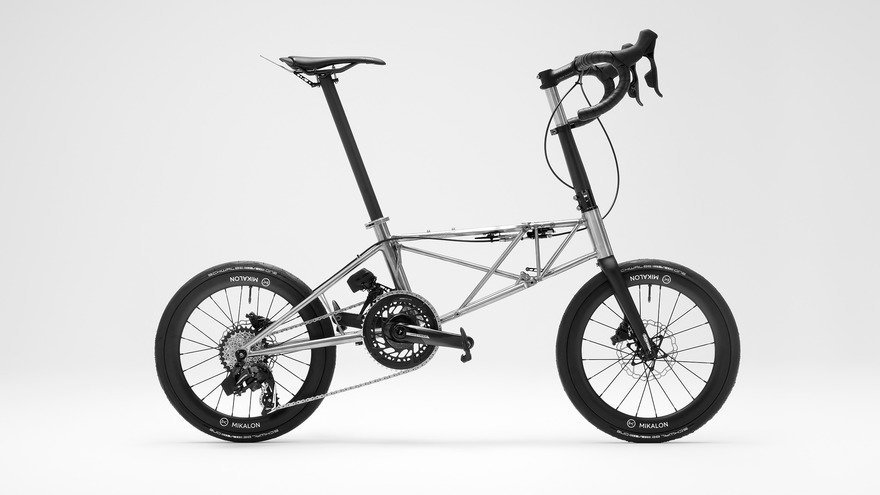
- The Mikalon (Il Hoon Roh): An architect’s interpretation of the folding bike. It prioritizes structural integrity and aerodynamic stiffness, utilizing high-end materials, but demands a high degree of manual dexterity from the rider to execute the transformation.
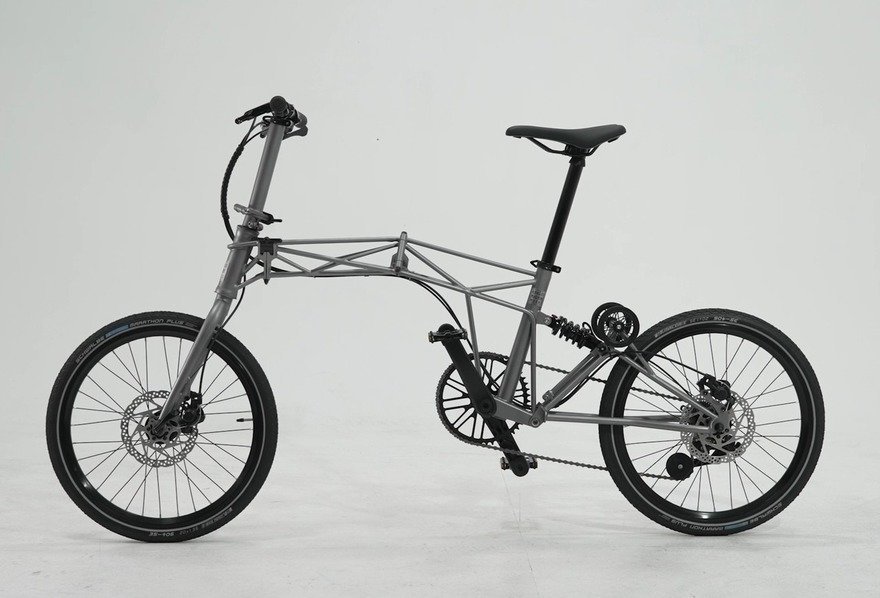
- The Tetra (Analog Machine Works): A radical, sculptural departure from traditional geometry. Its design focuses on a unique folding architecture that reduces the bicycle’s footprint significantly, though it lacks some of the refinement found in mass-produced models.
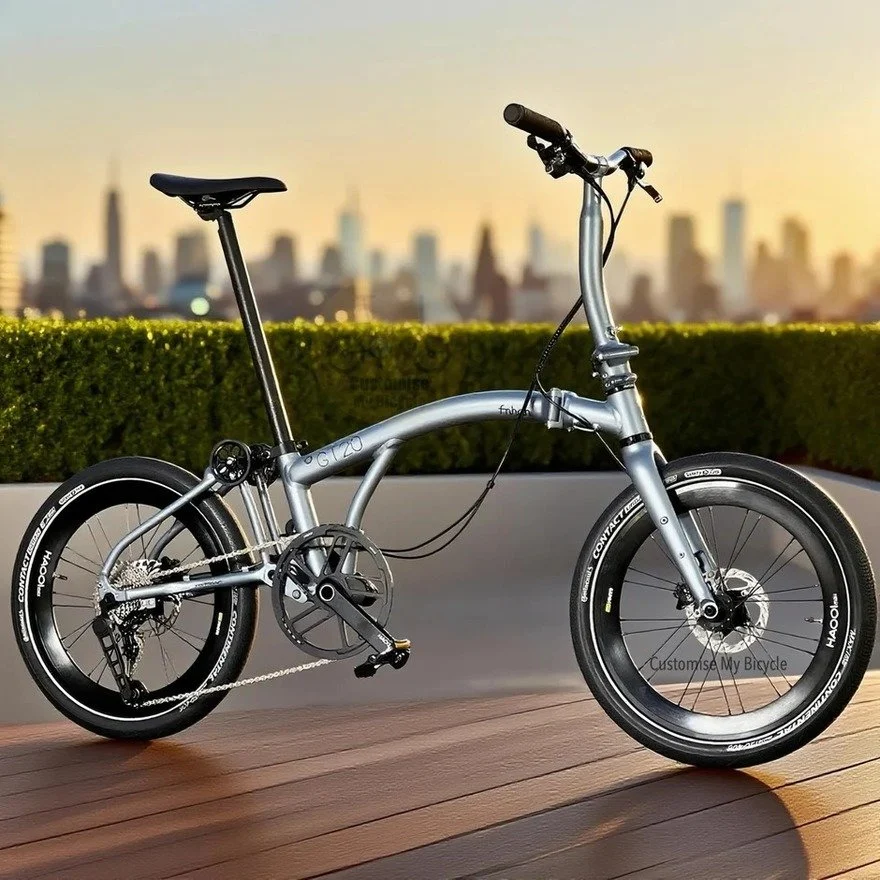
- The Fnhon GT20: A surprise contender that balances aesthetic appeal with pragmatic UX. By incorporating fold-down handlebars and a more intuitive pivot system, it has emerged as a functional benchmark for those who value both form and ease of use.
Chronology: A History of Folding Innovation
The lineage of the folding bicycle can be traced back to the late 19th century, but the modern era of high-performance folding began in the mid-1970s.

- 1975–1980 (The Formative Years): Andrew Ritchie develops the first Brompton prototype. This period established the "standard" of the three-part fold, which remains the most intuitive system on the market.
- 2000–2010 (The Material Shift): As carbon fiber and advanced aluminum alloys became accessible to boutique manufacturers, the focus shifted from simple steel frames to weight reduction. This allowed for more complex, multi-hinge designs.
- 2015–2020 (The Architect’s Entry): Architects began applying computational design to bicycles. Il Hoon Roh’s work represents this shift, where the bicycle is treated less like a machine and more like a structural sculpture.
- 2023–Present (The User Experience Era): The current phase of development is characterized by a push toward "frictionless" folding. Manufacturers are realizing that if a bike takes more than 30 seconds to fold, it will rarely be folded at all.
Supporting Data: Comparative Analysis of Folding UX
To understand which design offers the best UX, we must quantify the "cost" of the fold. We define this cost through three metrics: Time-to-Fold (TTF), Mechanical Complexity (MC), and Ergonomic Strain (ES).
| Model | Average TTF | Complexity Level | Ergonomic Ease |
|---|---|---|---|
| Brompton | 15–20 seconds | Low (High repeatability) | High |
| Mikalon | 60+ seconds | High (Requires dexterity) | Moderate |
| Tetra | 45 seconds | Moderate | Moderate |
| Fnhon GT20 | 25 seconds | Low | High |
The data suggests a clear trend: as mechanical innovation increases, the TTF often rises unless the design is specifically optimized for mass-market UX. The GT20, while being a relative newcomer, achieves a near-perfect balance by adopting a familiar architecture but refining the handlebars to minimize the bike’s profile during storage.
Official Responses and Industry Sentiment
The reception of these new designs has been mixed. Industry purists often point to the "reliability gap"—the idea that a bike with more moving parts is a bike that requires more frequent maintenance.
In discussions with independent retailers, a common theme arises: the "wow" factor of a design like the Tetra is immense, but the "ownership" factor favors the GT20. The Fnhon GT20 has garnered significant attention precisely because it does not try to reinvent the wheel. It simply refines the handle-folding mechanism, which is historically the "sticking point" for most commuters.
Regarding the manufacturer Fnhon, the lack of an English-language web presence has not hampered their growth. Their distribution model relies heavily on independent enthusiast networks and specialized retail platforms. This "bottom-up" growth strategy suggests that word-of-mouth regarding UX is currently a more powerful marketing tool than traditional corporate branding.
Implications: The Future of Urban Mobility
The implications for the broader bicycle market are significant. As urban centers become increasingly dense, the demand for bicycles that can be tucked under a desk or carried onto a train will only grow. However, if manufacturers ignore the UX of the fold, these bicycles will become little more than expensive toys.
1. The Death of Complexity
We are entering an era where "less is more." The Mikalon is a masterpiece of design, but it is a "high-friction" object. For the daily commuter, the GT20’s approach—prioritizing simple, tactile feedback—is the blueprint for future success.
2. Standardization vs. Customization
The folding bicycle market is currently fragmented. There is no standard for "fold size." As these bikes become more popular, we may see the emergence of international standards for folded dimensions, allowing for better integration with public transit infrastructure.
3. Price vs. Accessibility
With high-end models like the GT20 retailing in the $1,300 range, these bicycles remain a luxury good. For folding bikes to truly transform urban mobility, the industry must find a way to translate the high-quality UX of the GT20 into a more accessible price bracket.
Conclusion: Which Design Wins?
If we evaluate these designs strictly through the lens of User Experience, the Fnhon GT20 stands as the current leader. Its design recognizes that a folding bike is a tool, not a piece of performance art. While the Mikalon offers breathtaking architectural merit and the Tetra provides a radical vision of geometry, the GT20 succeeds by making the transition from bike to cargo seamless.
For the urban commuter, the "best" bike is the one that disappears when it needs to. By focusing on the ergonomics of the handlebars and the reliability of the hinge, the GT20 has mastered the transition that so many others overlook. As we look to the future, the manufacturers who thrive will be those who stop focusing on the bike’s appearance while riding and start focusing on the bike’s behavior while folded.
The bicycle of the future is not just one that rides well—it is one that, in a matter of seconds, ceases to be an obstacle and becomes a companion. Whether through the refined pivots of Fnhon or the next wave of material-science breakthroughs, the goal remains the same: the perfection of the fold.
About the Author