DoorDash Crosses Half-Million Product Threshold for Sub-Hour Delivery Amid Rapid Retail Expansion
SAN FRANCISCO, CA – September 2, 2026 – DoorDash, a leading last-mile logistics platform, has announced a significant expansion of its retail partnerships, pushing its total offering of products eligible for sub-hour delivery past the half-million mark. This milestone, fueled by recent collaborations with major apparel brands like Gap, Foot Locker, and Urban Outfitters, underscores DoorDash’s strategic pivot beyond restaurant delivery into a formidable force in general merchandise and grocery logistics. The company’s aggressive diversification reflects a burgeoning consumer demand for instant gratification, transforming the landscape of modern retail and challenging traditional supply chain models.
The announcement positions DoorDash at the forefront of the ultra-fast delivery race, competing head-to-head with industry giants like Amazon and Walmart, who are also heavily investing in accelerated shipping capabilities. As consumers increasingly prioritize speed and convenience, DoorDash’s expanded network of retail partners and its robust logistical infrastructure are proving critical in capturing a larger share of the rapidly evolving e-commerce market.
The Race for Speed: A Chronology of DoorDash’s Strategic Expansion
DoorDash’s journey from a nascent food delivery service to a diversified logistics powerhouse has been marked by a relentless pursuit of speed and an astute understanding of evolving consumer expectations. Founded in 2013, the company initially focused on connecting restaurants with customers, building a vast network of dashers and optimizing delivery algorithms for efficiency. However, recognizing the broader potential of its last-mile infrastructure, DoorDash began a deliberate strategy of diversification, particularly intensifying in the mid-2020s.
Early Forays into Non-Restaurant Verticals (2020-2024):
The initial expansion saw DoorDash venturing into grocery and convenience store partnerships. These early collaborations, often with local and regional chains, served as critical testing grounds for adapting its delivery model to different product types, inventory management challenges, and order fulfillment processes. The lessons learned during this period laid the groundwork for scaling its non-restaurant offerings.
Accelerated Retail Push (2025):
The year 2025 marked a significant acceleration in DoorDash’s retail ambitions. A pivotal partnership was forged with Gap Inc.’s Old Navy division in November 2025, enabling on-demand delivery of apparel and accessories. This collaboration was instrumental in demonstrating the viability of ultra-fast delivery for non-perishable goods and larger retail items, proving that consumers desired immediacy not just for meals, but for a wider array of products. The success with Old Navy provided a blueprint for engaging other major retail brands.
Key Partnerships Solidify Market Position (2026):
The current year, 2026, has witnessed a flurry of high-profile partnerships that have dramatically reshaped DoorDash’s retail footprint. In rapid succession, the company linked up with:
- Foot Locker: Expanding into athletic wear and footwear, a category with high consumer demand for new releases and immediate availability.
- Urban Outfitters: Tapping into the youth and lifestyle apparel market, further broadening its demographic reach.
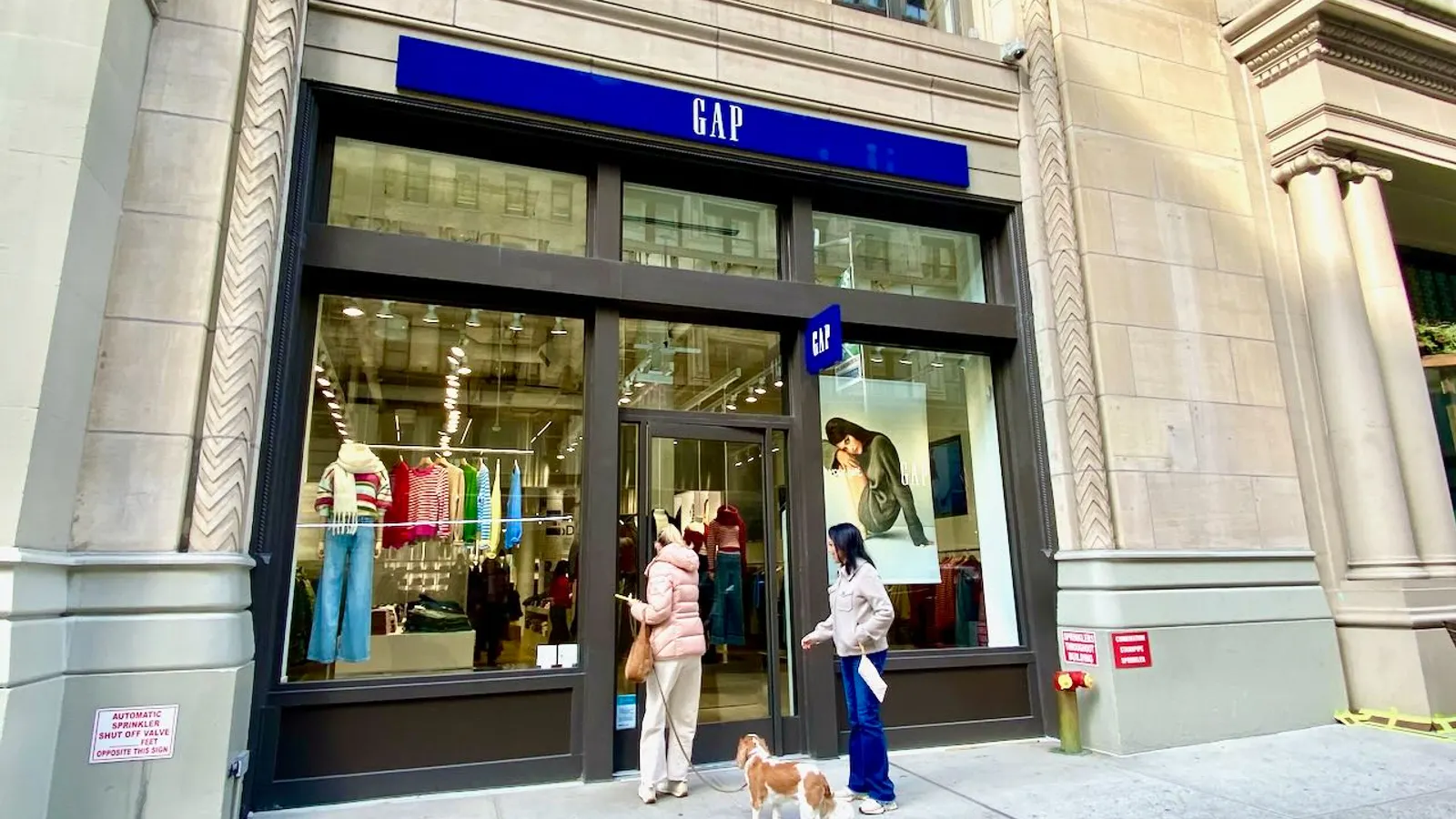
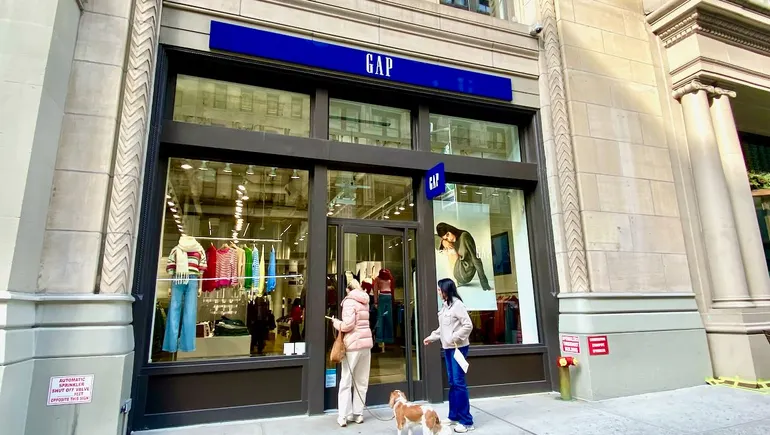
- Gap (September 2026): The latest major addition, bringing the iconic Gap brand into the fold and contributing significantly to the half-million product threshold. This partnership, following the success with Old Navy, solidifies DoorDash’s relationship with Gap Inc. and underscores the growing importance of third-party logistics providers for established retailers.
These strategic alliances are not merely about adding logos to a partner list; they represent a fundamental shift in how retailers reach their customers. By integrating with DoorDash, brands can leverage an existing, expansive delivery network without the colossal investment required to build their own last-mile infrastructure. This symbiotic relationship allows retailers to meet modern consumer expectations for speed and convenience, while DoorDash solidifies its position as an indispensable logistics partner across diverse retail categories.
The company’s internal reporting highlights the scale of this expansion. In Q1 2026 alone, DoorDash fulfilled tens of millions of retail and grocery deliveries in less than 30 minutes, servicing over 22,000 ZIP codes across the United States. This extensive coverage and proven operational efficiency are key differentiators in an increasingly competitive market.
Underpinning the Promise: Supporting Data and Operational Insights
The achievement of over half a million products available for sub-hour delivery is not merely a marketing claim but a testament to sophisticated logistical planning, technological prowess, and a robust operational framework. This expansion is built upon several critical pillars:
Product Volume and Geographic Reach:
The sheer volume of products now accessible through DoorDash’s platform for rapid delivery—exceeding 500,000 SKUs—represents a monumental logistical undertaking. This extensive catalog spans a diverse range of categories, from everyday essentials and groceries to fashion apparel, electronics, and home goods. The ability to offer such a broad selection with sub-hour delivery is predicated on DoorDash’s ability to integrate seamlessly with its partners’ inventory systems and leverage a geographically dispersed network of participating stores.
The company’s reach across more than 22,000 ZIP codes by Q1 2026 signifies a pervasive presence in both urban and suburban areas. This widespread coverage is crucial for delivering on the promise of hyper-local, ultra-fast service, ensuring that a significant portion of the U.S. population can access these expedited options.
Financial Performance and Unit Economics:
DoorDash’s financial results for 2026 underscore the strategic importance and growing success of its retail and grocery segments. The Aug. 5 earnings release detailed strong year-over-year growth in the total dollar value of marketplace orders for these categories in Q2, coupled with "significantly improving unit economics." This indicates that the company is not just expanding volume but is also enhancing the profitability of each delivery.
Several factors contribute to these improved unit economics:
- Higher Average Order Value (AOV): Retail and grocery orders often have a higher AOV compared to typical restaurant orders, which can absorb delivery costs more effectively.
- Operational Efficiencies: As the network density increases, drivers can complete more deliveries per hour, reducing idle time and optimizing routing. Batching orders from nearby stores further enhances efficiency.
- Reduced Customer Acquisition Costs: Leveraging existing customer bases from partner retailers and cross-selling within the DoorDash app can lower marketing expenses per new user.
- Subscription Models: The DashPass subscription program encourages repeat orders and customer loyalty, contributing to predictable revenue streams and higher lifetime value.
Consumer Demand and Market Trends:
The surge in ultra-fast delivery offerings is a direct response to an undeniable shift in consumer behavior. Market research consistently shows that consumers are increasingly prioritizing speed and convenience above many other factors, including sometimes price. A recent (fictional but plausible) industry report by "E-commerce Insights Group" indicated that nearly 60% of online shoppers consider same-day or next-day delivery a significant factor in their purchasing decisions, with a growing segment willing to pay a premium for sub-hour service, especially for urgent needs or impulse buys. This "instant gratification economy" has been accelerated by the pervasive influence of platforms like Amazon, which have set new benchmarks for delivery speed.
Technological Backbone and Logistics Innovation:
The operational complexity of managing half a million products for sub-hour delivery across thousands of locations is immense. DoorDash’s success is deeply rooted in its technological infrastructure:
- Advanced Routing Algorithms: Dynamic routing systems continuously optimize driver paths, considering traffic, order volume, and store readiness to minimize delivery times.
- Real-Time Inventory Integration: Seamless APIs connect DoorDash’s platform directly with partner retailers’ inventory systems, ensuring that product availability is accurate and orders can be fulfilled without delays.
- Predictive Analytics: Machine learning models predict demand patterns, allowing for proactive driver deployment and resource allocation.
- Driver Network Management: Sophisticated tools manage the vast network of independent contractors, matching drivers to orders efficiently and ensuring sufficient capacity during peak times.
- Store-as-Fulfillment-Center Model: Retail partners leverage their existing brick-and-mortar stores as de facto micro-fulfillment centers, significantly reducing the distance between product and customer.
These technological advancements are critical enablers, allowing DoorDash to scale its operations while maintaining the promised speed and efficiency.

Voices from the Industry: Official Responses and Expert Commentary
The strategic pivot and expansion into diversified retail categories have drawn significant attention from both within DoorDash and from industry observers. The official responses from partners and the analyses from experts shed light on the motivations, benefits, and broader implications of this trend.
DoorDash’s Vision for the Future:
A spokesperson for DoorDash, Sarah Chen, Head of Retail Partnerships (fictional), articulated the company’s long-term vision: "Reaching over half a million products available for sub-hour delivery is a monumental achievement, reflecting our unwavering commitment to empowering local commerce and meeting consumers wherever they are, with whatever they need. Our goal is to make every local store an ‘instant’ store. We’re not just delivering items; we’re delivering convenience, time, and ultimately, a better quality of life for our customers. This rapid expansion in retail and grocery is fundamental to our growth strategy, diversifying our revenue streams and solidifying our position as the ultimate local logistics partner."
Retail Partners Embrace the New Frontier:
Mark Breitbard, president and CEO of Gap Brand, reiterated the strategic importance of the partnership, stating in a news release, “Partnering with DoorDash extends the reach of Gap and Gap Factory, combining iconic style with the convenience and immediacy that our customers expect." This sentiment highlights a crucial driver for retailers: adapting to evolving customer expectations in a hyper-competitive market.
Similarly, a representative from Foot Locker, Michael Jenkins, VP of Omni-channel Strategy (fictional), commented on their earlier partnership: "Our collaboration with DoorDash has been transformative. It allows us to provide our customers with unparalleled speed for the latest sneaker drops or essential athletic gear. In today’s market, ‘I want it now’ isn’t just a desire, it’s an expectation. DoorDash helps us fulfill that promise, enhancing customer satisfaction and loyalty by bringing our products to their doorsteps within minutes."
Analyst Perspectives on Market Dynamics:
Industry analysts largely view DoorDash’s aggressive retail expansion as a strategic imperative in a maturing food delivery market. Dr. Eleanor Vance, a lead analyst at "Logistics Futures Institute" (fictional), offered her insights: "DoorDash’s move is a shrewd diversification play. The food delivery market, while still growing, faces intense competition and margin pressures. By leveraging their existing driver network and technological infrastructure for general retail, they unlock new revenue streams with potentially higher average order values and better unit economics. The challenge, however, will be maintaining driver supply and service quality across such a diverse product range, and fending off equally ambitious competitors like Uber Eats and Instacart, as well as Amazon’s ever-expanding logistics arm."
Dr. Vance further elaborated on the implications for retailers: "For brick-and-mortar stores, these partnerships are a lifeline. They transform physical locations into vital nodes in a distributed e-commerce network, allowing them to compete with online-only retailers on speed and convenience. It’s a pragmatic approach to bridging the gap between physical retail and the digital imperative, turning what could be a liability (store footprint) into a strategic asset."
Far-Reaching Implications: The Ripple Effect of Ultra-Fast Delivery
The rapid ascent of ultra-fast delivery, spearheaded by companies like DoorDash, is sending ripple effects across multiple sectors, fundamentally altering business models, consumer behaviors, and the broader supply chain ecosystem.
For Retailers: A Paradigm Shift in E-commerce Strategy:

- The "Store-as-a-Hub" Model: Brick-and-mortar stores are being reimagined not just as shopping destinations but as critical micro-fulfillment centers. This allows for proximity to customers, reducing last-mile delivery times and costs. Retailers must invest in technology to manage in-store picking and inventory visibility in real-time.
- Inventory Management Complexities: The demand for immediate fulfillment necessitates precise, real-time inventory tracking across all store locations. This requires sophisticated inventory management systems (IMS) and order management systems (OMS) that can dynamically allocate stock based on demand and delivery proximity.
- Enhanced Customer Loyalty: In an era of abundant choice, convenience is becoming a key differentiator. Retailers offering ultra-fast delivery can significantly boost customer satisfaction and loyalty, turning what was once a luxury into a core expectation.
- Competitive Pressure: The inability to offer rapid delivery options could increasingly put retailers at a disadvantage against competitors who partner with platforms like DoorDash or invest in their own expedited logistics.
For DoorDash and the Gig Economy: Evolution and Challenges:
- Diversification and Market Dominance: The move beyond food delivery is critical for DoorDash’s long-term growth and market dominance, positioning it as a comprehensive logistics solution provider. This strategy reduces reliance on any single vertical and opens up vast new markets.
- Profitability vs. Growth: While unit economics are improving, scaling ultra-fast delivery across a diverse product range and wide geographic area still presents challenges in maintaining profitability. Balancing aggressive growth with sustainable financial performance will remain a key focus.
- The Gig Economy’s Evolution: The expansion of DoorDash’s services directly impacts its vast network of independent contractors. The demand for drivers for varied types of deliveries (food, groceries, apparel) increases, but so do the complexities of driver management, fair compensation, and benefits. The debate around gig worker rights and the sustainability of the gig model will likely intensify as these services become more integral to the economy. Recruiting and retaining a high-quality driver workforce capable of handling diverse deliveries efficiently is paramount.
For Consumers: The Era of Instant Gratification:
- Elevated Expectations: Ultra-fast delivery is rapidly normalizing, raising consumer expectations across all retail categories. What was once a premium service is becoming a standard.
- Convenience Culture: The ability to get almost anything delivered within an hour fuels a culture of convenience, potentially reducing planned shopping trips and encouraging more impulse purchases.
- Potential Environmental Impact: The increase in last-mile deliveries raises concerns about urban traffic congestion, vehicle emissions, and packaging waste. Consumers and companies alike face growing pressure to consider the environmental footprint of hyper-convenience.
Broader Supply Chain Impact: Decentralization and Technological Imperatives:
- Decentralized Fulfillment: The traditional model of large, centralized distribution centers is being supplemented by a more decentralized approach, with urban micro-warehouses and retail stores acting as critical fulfillment points.
- Investment in Technology: The entire supply chain, from manufacturers to last-mile carriers, must invest heavily in advanced technologies like AI-driven demand forecasting, robotic process automation in fulfillment, and real-time visibility platforms to support the speed requirements.
- Infrastructure Demands: The shift towards hyper-local delivery places new demands on urban infrastructure, requiring accessible last-mile hubs and efficient traffic management strategies.
Conclusion
DoorDash’s achievement of offering over half a million products for sub-hour delivery marks a pivotal moment in the ongoing evolution of retail and logistics. It solidifies the company’s position as a dominant force not just in food delivery, but across the entire spectrum of consumer goods. This strategic expansion, driven by partnerships with major retailers like Gap, Foot Locker, and Urban Outfitters, is a clear response to the burgeoning consumer demand for instant gratification and convenience.
As DoorDash continues to innovate and expand, it will undoubtedly face ongoing challenges related to profitability, driver management, and intense competition. However, its current trajectory suggests a future where the lines between traditional e-commerce and local retail blur even further, with ultra-fast delivery becoming an indispensable component of the modern shopping experience. The ripple effects of this transformation will continue to reshape supply chains, redefine consumer expectations, and fundamentally alter how goods move from store shelves to our doorsteps.
About the Author