In a landmark legal skirmish that highlights the volatile intersection of corporate branding and digital culture, a federal court in Delaware has delivered a split ruling that effectively cracks open the vault on Elon Musk’s discarded Twitter assets. The decision, handed down by U.S. District Court Judge Colm F. Connolly, serves as a fascinating case study in trademark law, suggesting that even the most powerful tech conglomerates are not immune to the doctrine of “abandonment” when they pivot away from legacy identities.
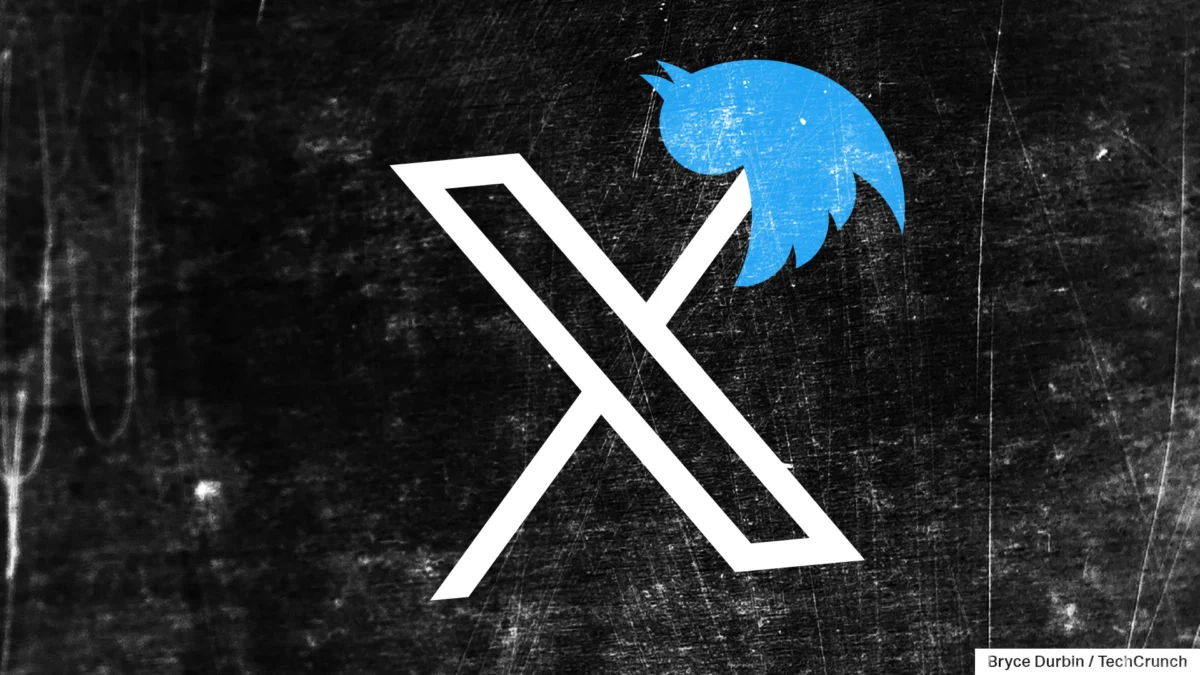
The litigation involves “Operation Bluebird,” a Virginia-based startup that has positioned itself as the spiritual successor to the platform formerly known as Twitter. While the court upheld X Corp.’s exclusive rights to the name “Twitter,” it dealt a surprising blow to the platform’s control over its cultural heritage, ruling that the company had likely abandoned its rights to the iconic “bird” logo and the ubiquitous verb “tweet.”
The Chronology of a Corporate Divorce
To understand the current legal friction, one must look back at the chaotic transition period following Elon Musk’s $44 billion acquisition of Twitter in 2022. Musk’s subsequent rebranding of the platform to “X” was not merely a cosmetic change; it was an aggressive move to shed the baggage of the past and pivot toward an “everything app” model.
- The Rebrand (2023): As X Corp. systematically scrubbed the Twitter branding from its digital infrastructure, legal scholars and trademark experts began to speculate. By moving away from the name, the bird logo, and the terminology that defined the social media era, X left a vacuum in the trademark landscape.
- The Emergence of Operation Bluebird: Seeing an opportunity, a team led by attorney Michael Peroff and former Twitter trademark lawyer Stephen Coates launched an initiative under the moniker “Twitter.now.” Their goal was transparent: to reclaim the intellectual property they believed X had discarded.
- The Legal Escalation: X Corp. promptly filed for a preliminary injunction to halt the startup’s activities, arguing that the use of “Twitter” and related assets caused consumer confusion and diluted their current brand.
- The Delaware Ruling (2026): Judge Connolly’s recent decision serves as the first major hurdle for the startup. While the court granted X’s motion to stop the use of the name “Twitter,” it denied the request regarding the “tweet” trademark and the bird logo, citing a lack of ongoing “bona fide use” by the plaintiff.
The Legal Logic: What Constitutes Abandonment?
At the heart of Judge Connolly’s ruling is the concept of non-use. Trademark law is designed to protect brand identifiers, but it is not intended to allow companies to “hoard” marks they no longer use. If a company stops using a trademark with no intent to resume, the mark may be considered abandoned, potentially clearing the way for other entities to claim it.
In his opinion, Judge Connolly noted that Operation Bluebird was “likely to succeed in proving both that X Corp. discontinued the bona fide use of the Tweet mark and Bird logo and that it intends not to resume the use of the marks.” This is a stinging assessment for X Corp.’s legal team, as it suggests that the company’s pivot to "X" was so total that it effectively severed its connection to the very brand identity it spent over a decade building.
The implications of this for intellectual property law are significant. For years, legal experts have debated whether a digital verb—like “tweet”—could exist independently of the corporation that coined it. The court’s decision leans toward the idea that, in the eyes of the public and the law, “tweeting” has become a genericized activity, independent of the platform that birthed it.
The Architects of Operation Bluebird
The startup behind this maneuver is not your typical Silicon Valley disruptor. Led by Michael Peroff and Stephen Coates, the firm is staffed by individuals with a deep, insider understanding of how trademark law functions. Their strategy has been viewed with skepticism by some industry analysts, who argue that the company is less a social network in the making and more a legal entity designed to monetize abandoned assets.
The company’s own messaging reinforces this perception. Their homepage famously declares a mission to “pick up what Elon Musk dropped” when he abandoned the town square and “threw the bird away on his way out.” By framing themselves as curators of a lost digital heritage, they have managed to capture the public’s attention in a way few startups achieve.
However, the question remains: Can a platform built on the carcass of another brand successfully pivot into a viable social network? The answer, at least in the early stages, seems to be tied to the $20 entry fee. By charging users to reserve handles, the company is not only generating revenue to cover its mounting legal bills but is also filtering for a base of users who are emotionally or nostalgically invested in the Twitter brand.
Supporting Data: Public Affinity vs. Corporate Strategy
Despite the legal risks and the unconventional business model, the public appetite for a “return to Twitter” appears robust. Reports from the company indicate that more than 172,000 individuals requested a handle on the platform prior to its public launch.
This statistic serves as a crucial data point in the ongoing debate over brand loyalty. While X Corp. has invested heavily in establishing the "X" brand, it has struggled to maintain the same level of cultural ubiquity that "Twitter" enjoyed. The fact that hundreds of thousands of users are willing to pay for a piece of the old identity suggests that the "Twitter" brand remains a potent asset, even without the support of the original corporate entity.
Official Responses and the Philosophical Divide
The battle is as much philosophical as it is legal. Stephen Coates, in his role as president of Operation Bluebird, offered a poignant take on the situation in a recent announcement. “They kept the word. They let go of the bird, and they let go of the tweet,” Coates wrote. “A tweet was never a corporation. It’s one person saying something. That word survived three years of a company trying to replace it, because the public declined to stop using it. We think that tells you who it belongs to.”
This argument taps into a growing sentiment among users who feel that their digital contributions—their “tweets”—are owned by the community, not the platform. X Corp. has yet to issue a comprehensive public statement regarding the broader implications of the ruling, but their aggressive pursuit of the preliminary injunction indicates they have no intention of letting these assets go without a fight.
Implications for the Future of Branding
The outcome of this case will set a precedent for how corporations manage the “death” of their products. As companies continue to consolidate, pivot, and rebrand, the legal landscape surrounding legacy trademarks will become increasingly contested.
1. The Death of the "Permanent" Brand
We are entering an era where branding is increasingly ephemeral. If a company can lose rights to a trademark simply by rebranding too aggressively, we may see a shift in how major tech firms handle transitions. They may be forced to keep legacy marks in “active, but limited, use” just to prevent competitors from snatching them up.
2. The Rise of the Trademark "Vulture"
Operation Bluebird represents a new category of corporate entity: the trademark opportunist. By identifying high-value marks that are in the process of being abandoned, these companies can potentially bypass the years of brand building that usually go into establishing a recognizable name.
3. User Sentiment as a Legal Factor
The judge’s acknowledgment that the public “declined to stop using” the word “tweet” suggests that social usage and consumer sentiment may play an increasingly large role in trademark litigation. When a brand becomes a verb, the law may find it harder to protect it as a private asset.
Conclusion: What’s Next for Tweet.app?
As the case moves toward a final determination, the status of Tweet.app remains precarious. While the startup has secured a victory by reclaiming the “tweet” name and the bird logo, the legal war is far from over. X Corp. is expected to continue its efforts to protect its IP, and the court will eventually have to decide if the public’s continued use of these terms is enough to justify stripping a corporation of its trademarks.
For now, the startup is pushing forward, opening its doors to a public that is clearly nostalgic for the “old Twitter.” Whether the platform can move beyond its origins as a legal vessel and evolve into a functional, sustainable social network remains the ultimate question. Regardless of the outcome, the saga of Operation Bluebird has already achieved the impossible: it has forced a conversation about who really owns the language of our digital age—the corporations that create the platforms, or the users who fill them with content.
As the legal proceedings continue, the tech world will be watching closely to see if the bird can truly fly again, or if it is destined to remain a ghost in the machine of the new, monolithic "X."
About the Author