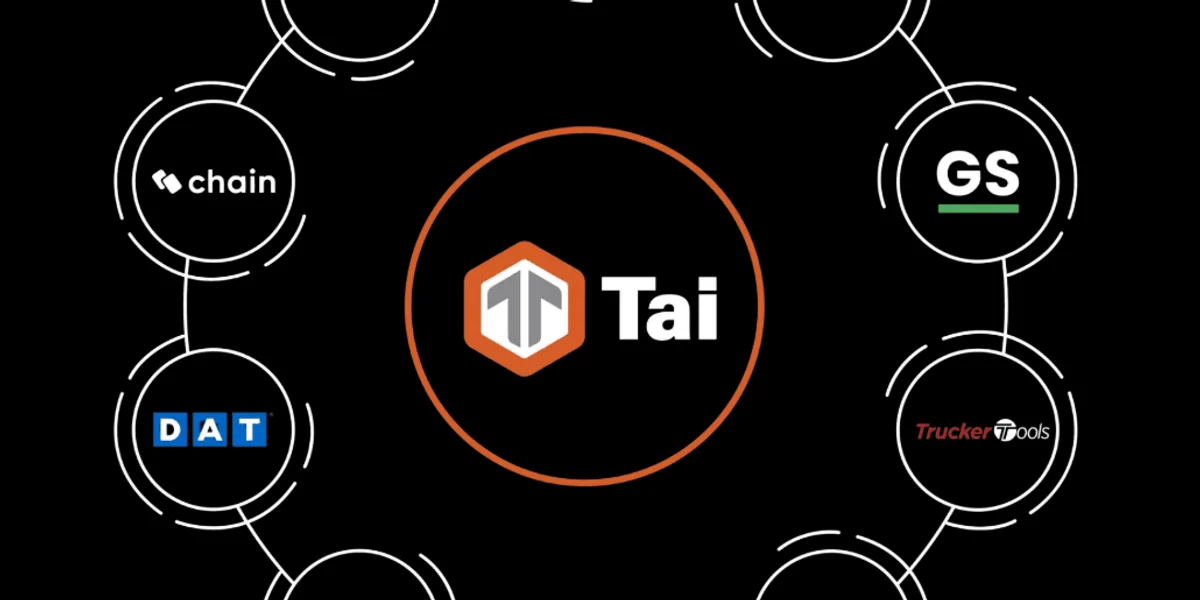
In a strategic move that underscores the ongoing consolidation within the logistics technology sector, the Waterloo, Ontario-based supply chain software giant, Descartes Systems Group, announced on Monday the acquisition of California-based Tai Software. The all-cash transaction, valued at $100 million, represents a significant expansion of Descartes’ footprint in the freight brokerage technology space. By integrating Tai’s AI-powered transportation management system (TMS) into its existing ecosystem, Descartes aims to solidify its position as the preeminent provider of end-to-end logistics solutions in North America.
Main Facts: The Anatomy of the Deal
The acquisition, finalized early this week, sees Descartes adding a specialized, high-growth technology vendor to its portfolio. Tai Software has carved out a niche as a sophisticated provider of "system of action" software for freight brokers. Its platform is engineered to manage the complexities of the shipment lifecycle, encompassing truckload (TL), less-than-truckload (LTL), drayage, and cross-border freight operations.
Key components of the deal include:
- Transaction Value: $100 million in cash.
- Strategic Focus: Bolstering Descartes’ capabilities for freight brokers by automating quoting, carrier sourcing, and load execution.
- Integration: Tai’s platform will be folded into the broader Descartes Global Logistics Network, providing access to an expansive database of carrier and shipment execution metrics.
- Operational Synergy: The union is expected to harmonize Tai’s front-end brokerage execution tools with Descartes’ back-end strengths in compliance, fraud prevention, and real-time visibility.
A Chronology of Aggressive Growth
The acquisition of Tai Software is far from an isolated event; rather, it is a continuation of an aggressive, long-term M&A strategy that has defined Descartes’ corporate trajectory for nearly a decade. Since 2017, the company has executed 34 acquisitions, a pace that has transformed it from a niche provider into a global logistics powerhouse.
The timeline of Descartes’ expansion reveals a deliberate focus on diversifying its service offerings while simultaneously creating a "network effect." By acquiring companies that manage specific nodes of the supply chain—from e-commerce fulfillment and last-mile delivery to customs compliance and now, advanced freight brokerage—Descartes has successfully built a moat around its business.
The year 2026 has been particularly active for the company. The Tai Software deal marks the fourth acquisition for Descartes in this calendar year alone. This rapid-fire sequence of deals suggests that Descartes is not merely looking to buy market share but is intentionally layering complementary technologies to create a "sticky" platform that is increasingly difficult for customers to abandon.
Supporting Data: Why Freight Brokers Matter
To understand the strategic logic behind the $100 million price tag, one must look at the data governing the freight brokerage industry. Freight brokers serve as the connective tissue of the North American economy, facilitating the movement of goods between shippers who have capacity needs and carriers who provide the equipment.
The Role of Automation
Current market conditions have squeezed broker margins, driven by volatility in fuel prices, fluctuating demand, and the constant need for real-time visibility. Tai Software’s platform provides a centralized hub that reduces manual intervention. By unifying disparate processes—such as billing, customer engagement, and load execution—into a single workflow, Tai allows brokers to achieve higher load-per-representative ratios.
Network Effects
Descartes’ Global Logistics Network (GLN) is perhaps its most valuable asset. Every acquisition brings a new influx of data—carrier performance records, shipment routes, and pricing trends. By adding Tai’s specialized brokerage data, Descartes is essentially training its AI models to be more predictive and precise. In the world of logistics tech, data density equals competitive advantage. The more transactions that flow through the Descartes network, the more valuable the network becomes to every participant involved, creating a self-reinforcing cycle of growth.
Official Responses: Aligning Visions
The leadership teams at both Descartes and Tai have framed the acquisition as a "natural fit," emphasizing the complementarity of their respective product suites.
Andrew Wimer, Associate General Manager of Transportation Management at Descartes, highlighted the importance of the broker’s role in the supply chain. "Freight brokers play a critical role in connecting shippers and carriers to efficiently execute transportation moves across North America," Wimer noted. "The acquisition expands our transportation management capabilities for freight brokers and adds valuable transaction, carrier, and shipment execution data to the Descartes Global Logistics Network."
Edward J. Ryan, CEO of Descartes, echoed this sentiment, focusing on the broader goal of digital transformation. According to Ryan, the deal is less about simply acquiring a customer base and more about enhancing the value proposition for the existing user base of both companies.
"By combining our solutions, we see a significant opportunity to help freight brokers navigate change, streamline freight execution, improve operating margins, strengthen customer and carrier relationships, and support digital transformation," Ryan stated. His commentary suggests that Descartes intends to aggressively cross-sell the Tai platform to its massive existing client base, effectively turning thousands of Descartes customers into potential new users for Tai’s brokerage tools.
Implications: The Future of Brokerage Technology
The implications of this deal for the freight technology sector are profound. Here is how the landscape is likely to shift in the coming months:
1. Increased Market Consolidation
The logistics software market has long been fragmented. With Descartes’ consistent M&A activity, smaller, independent providers of specialized brokerage software may find it increasingly difficult to compete. Larger players like Descartes and its competitors are setting a high bar for feature sets, security, and network integration.
2. The Rise of the "All-in-One" Platform
Shippers and brokers are increasingly tired of managing "tech stacks" comprised of dozens of disconnected tools. The move toward integrated platforms—where quoting, booking, tracking, and invoicing happen in a unified environment—is accelerating. This acquisition places Descartes at the forefront of this shift, effectively creating a "one-stop-shop" for freight execution.
3. AI and Predictive Analytics
With the integration of Tai’s AI-powered platform, Descartes is positioning itself to provide deeper insights into carrier behavior and market trends. As artificial intelligence becomes the standard for supply chain decision-making, the brokers who utilize platforms like Tai will gain a distinct advantage in predicting capacity crunches and pricing shifts before they manifest in the spot market.
4. Pressure on Smaller Tech Providers
For smaller freight tech firms, the acquisition signals a warning: scale is becoming a prerequisite for survival. With Descartes controlling an increasingly large slice of the market data, smaller players will need to pivot toward extreme specialization or face the risk of being marginalized by the massive data sets and deep pockets of global incumbents.
Conclusion: A Strategic Pivot
The $100 million acquisition of Tai Software is more than just a purchase of code and clients; it is a tactical expansion of Descartes’ influence over the North American freight market. By positioning itself as the central operating system for freight brokers, Descartes is ensuring that it remains the backbone of the global supply chain.
As the industry continues to grapple with the demands of a post-pandemic, high-velocity economy, the companies that can provide speed, visibility, and automation will inevitably lead the market. With 34 acquisitions behind them and a clear appetite for more, Descartes Systems Group has demonstrated that it is playing the long game—one where the integration of specialized technology, data-driven insights, and network connectivity creates an insurmountable barrier to entry for its competitors.
For freight brokers currently navigating an increasingly complex and digitized landscape, the message from Descartes is clear: the future of logistics is not just about moving freight, but about managing the data that moves the world. Through this deal, Descartes has significantly bolstered its ability to manage that data, cementing its role as the dominant architect of the modern supply chain.
About the Author