The landscape of industrial design is shifting rapidly, moving away from pure aesthetic pursuit toward a philosophy of radical functionality, material innovation, and user-centric problem-solving. This week’s dispatch from the front lines of design captures a diverse array of developments—from the hyper-personalization of living spaces and mobility to the subtle, almost invisible, UX improvements that define modern utility.
Below is a comprehensive analysis of the most compelling design narratives that emerged between August 31 and September 4, 2026.
1. The Intersection of Living and Mobility
This week’s developments highlighted a recurring theme: the blurring of lines between the objects we use and the environments we inhabit.
Genesis and the Future of the Electric SUV
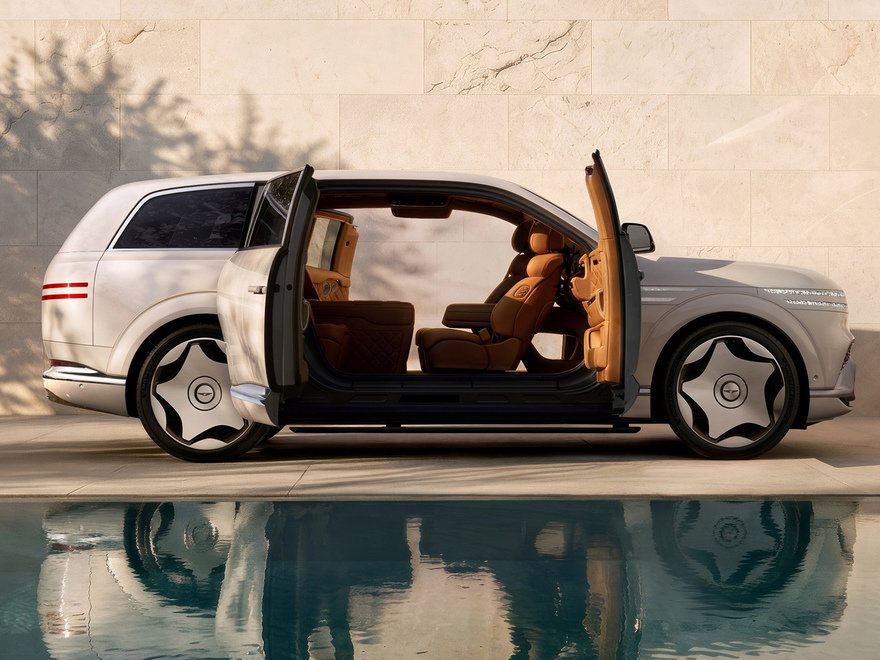
Genesis has long been a proponent of "Athletic Elegance," but their latest luxury electric SUV prototype pushes the boundaries of spatial design. By eliminating the B-pillar, the vehicle creates an expansive, uninterrupted entry point that challenges traditional structural engineering requirements. Coupled with the removal of a physical start button and the implementation of radiant floor heating, the vehicle treats the interior more like a high-end living room than a standard cockpit.
The Housing Revolution: 3D Printing in Denmark
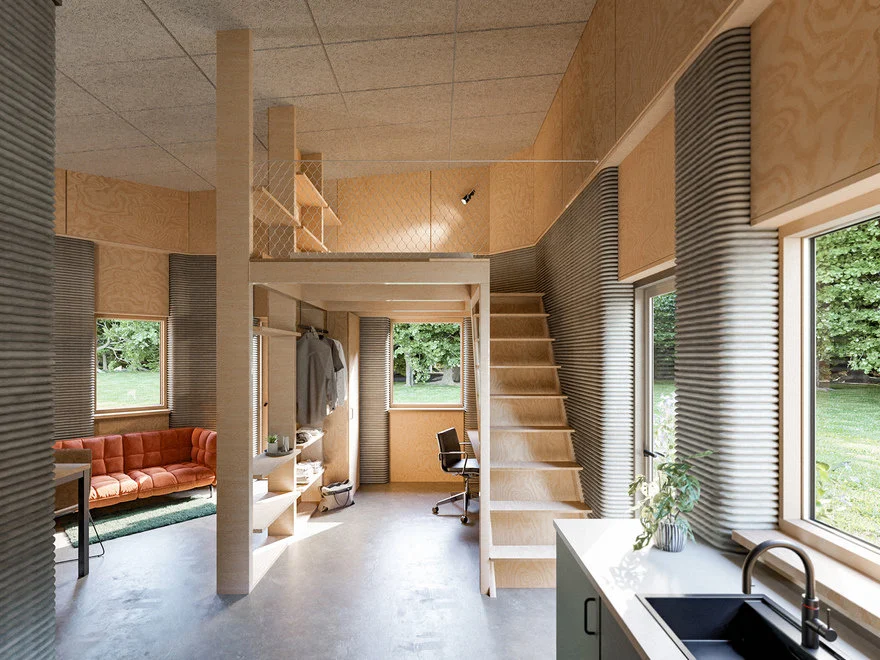
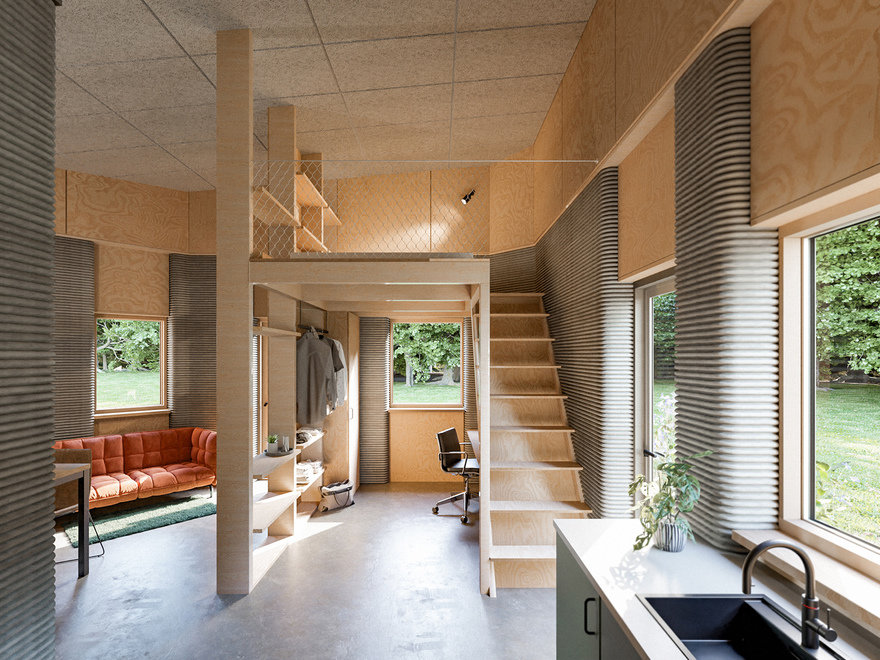
In Denmark, the discourse around sustainable urbanism has reached a new milestone. The deployment of 3D-printed student housing demonstrates a critical pivot toward rapid-assembly, low-waste construction. This methodology allows for organic, resource-efficient architecture that can be deployed at scale, offering a potential blueprint for addressing global housing shortages while minimizing the carbon footprint associated with traditional masonry.
2. Ergonomics and Human-Centric UX
Design is often most effective when it is invisible. Several entries this week focused on the nuanced interactions between humans and the tools they manipulate daily.
The Art of the Pan Lid
Industrial designer Sebastian Bergne has long championed the idea that the most common objects are the ones most in need of a design audit. His recent work on a sauté pan lid is a masterclass in UX. By rethinking the geometry and the thermal dynamics of the handle and vent, Bergne has transformed a mundane kitchen staple into a piece of precision equipment.
Folding Bicycles and the Efficiency Gap
The debate over the optimal folding bicycle design continues to rage in the cycling community. This week, we examined which form factors offer the best user experience. The key challenge remains the tension between portability—how small the bike folds—and ride quality. The designs currently leading the pack are those that utilize clever hinge locking mechanisms that require minimal cognitive load from the rider during the transition from transit to transit.
Improving the Doorstop
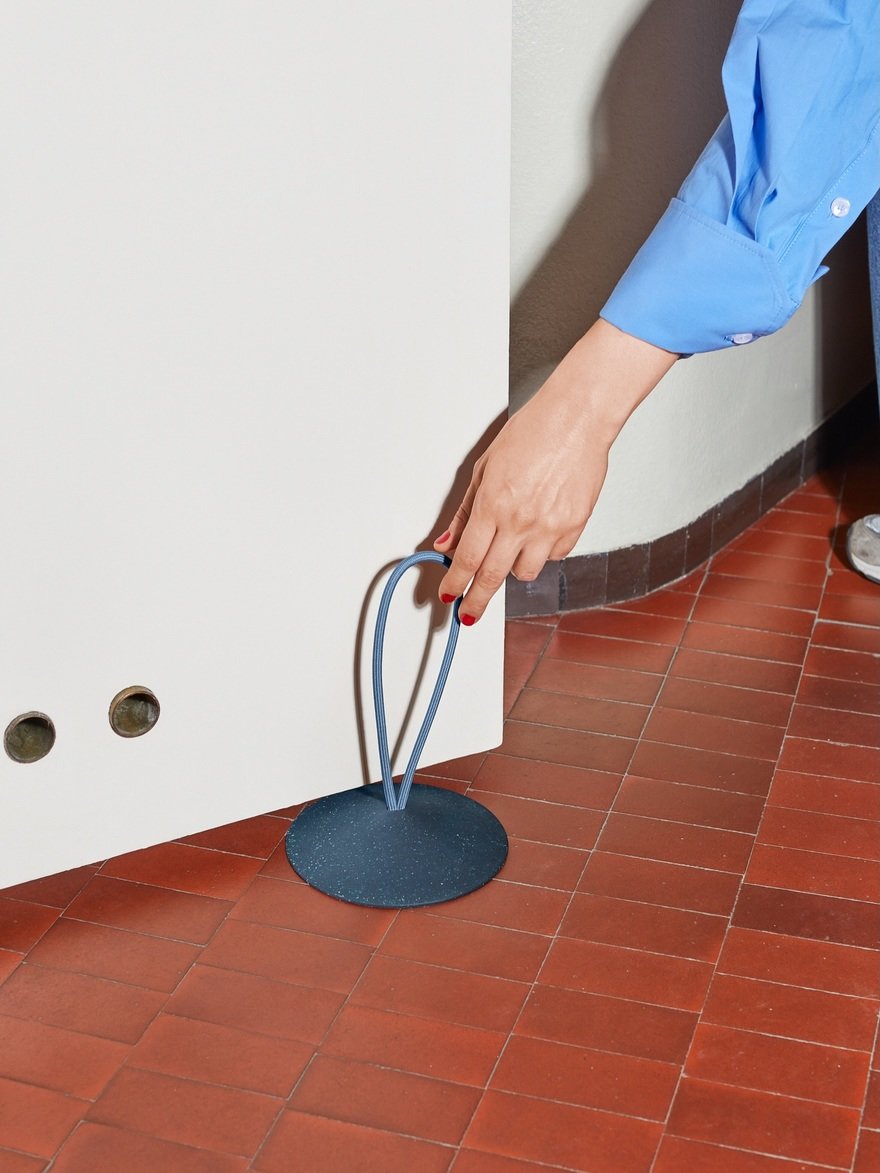
Studio Gorm has tackled the "better mousetrap" of the home hardware world: the doorstop. Their design focuses on high-friction materials and an intuitive wedge geometry that prevents the slippage common in mass-market rubber stoppers. It is a reminder that even the simplest household object benefits from professional industrial design rigor.
3. Kinetic Play and Modular Utility
Designers are increasingly looking toward modularity and interactivity to engage users on a deeper, more tactile level.
Kinetic Paper Pets: PÄPET
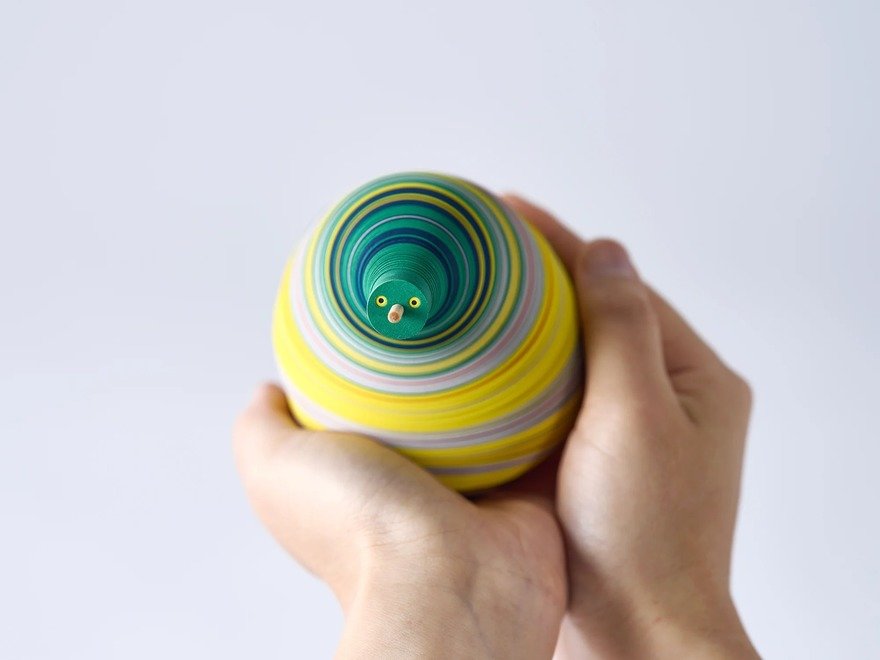
Masae Nagao’s PÄPET series brings a whimsical, kinetic edge to material science. By utilizing the inherent tension and structural properties of paper, Nagao has created "pets" that move with a life-like quality. It serves as a poignant reminder that digital simulation cannot fully replicate the charm of analog kinetic motion.
Modular Furniture: The Chois System
The Chois system addresses the "flat-pack fatigue" common in DIY furniture. By 3D-printing only the critical connectors and structural nodes, the system allows users to source standard wooden dowels locally. This reduces shipping costs, shrinks the product’s environmental impact, and empowers the end-user to determine the final dimensions of their furniture.
The Turtle Stool
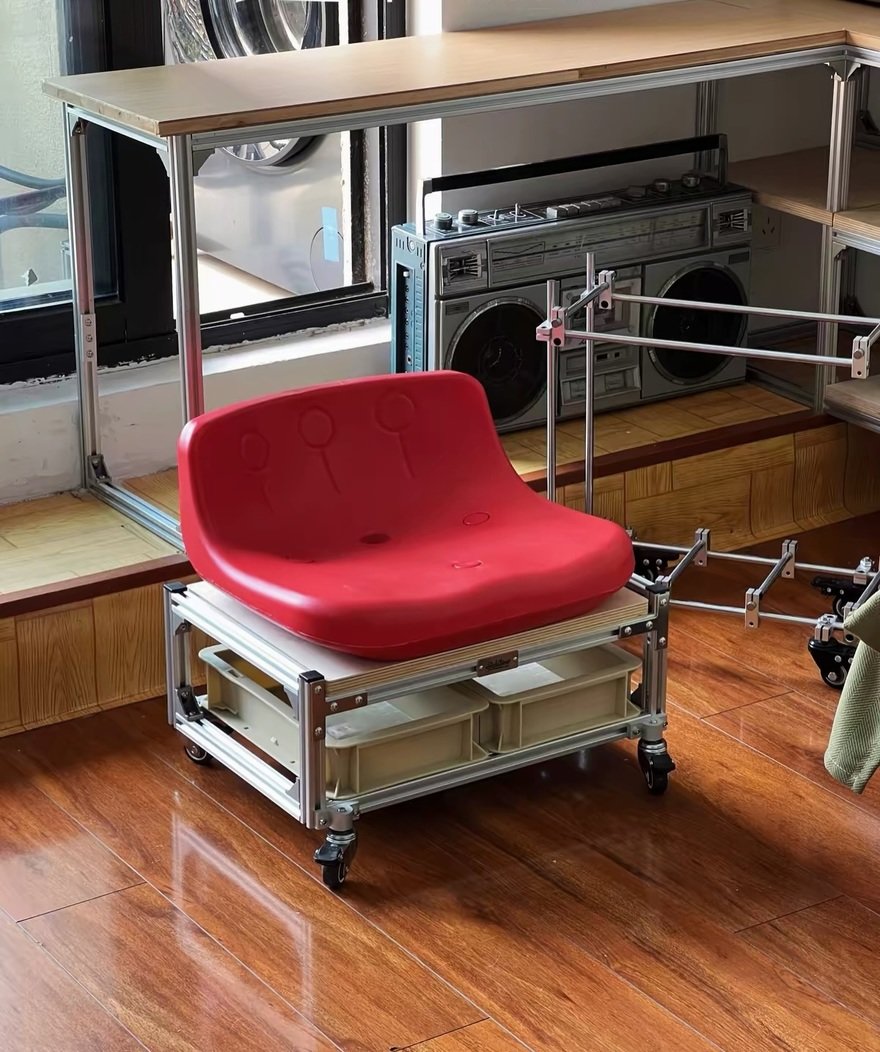
In the Chinese market, Qingshan’s "Turtle Stool" has gained attention for its unique rolling mechanics. Designed for environments where space is at a premium and mobility is required, the stool’s compact footprint and caster system demonstrate a sophisticated understanding of ergonomic movement in constrained living spaces.
4. Personal Tech and Tooling
The week also saw significant developments in personal technology and field equipment.

OXS’s Immersive Audio
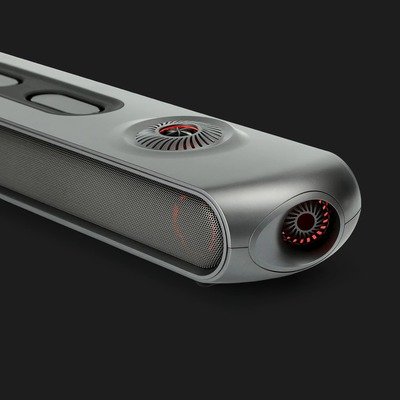
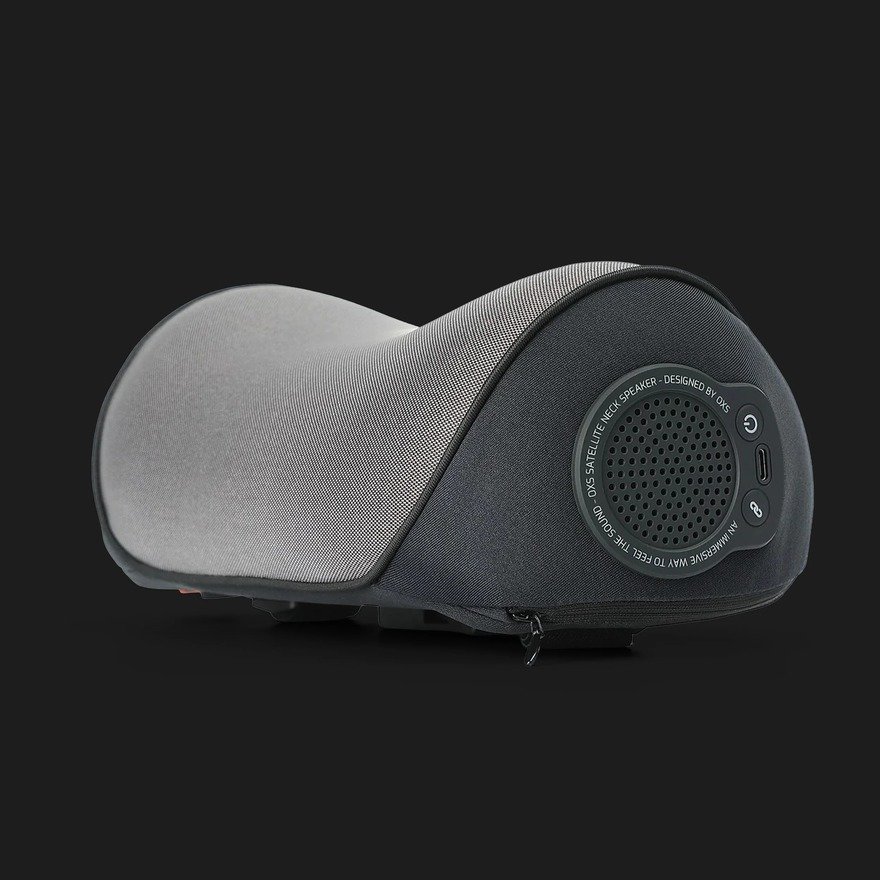
The OXS Thunder Pro Max system marks a shift in how we conceive of audio for desktop environments. The introduction of the "Satellite Neck Speaker" suggests that the future of immersive gaming is not just about surround sound, but about directional, haptic-adjacent audio that places the user at the literal center of the soundstage.
The James Brand: The Helton
The James Brand has released The Helton, a tool that positions itself as the modern heir to the Swiss Army Knife. It prioritizes minimalist aesthetics without sacrificing the "everyday carry" (EDC) utility that users demand. Its success lies in its ability to strip away the clutter of unnecessary gadgets found in traditional multi-tools, focusing instead on high-quality materials and refined ergonomics.
5. Chronology and Industry Observations
- August 31: Initial unveiling of the OXS Thunder Pro Max system.
- September 1: Focus shifts to architectural sustainability with the Danish 3D-printed housing initiative.
- September 2: Mid-week exploration of UX, including the Sebastian Bergne pan lid and folding bike ergonomics.
- September 3: A look at "Real vs. AI" imagery, highlighting the growing difficulty of distinguishing digitally rendered designs from reality.
- September 4: Concluding the week with practical, clever improvisations—such as the three-wheel car hack—and the refined aesthetic of the Helton multi-tool.
Implications for the Future
The trends observed this week point to three distinct futures for design:
- Material Circularity: The shift toward systems like Chois, which rely on local sourcing for secondary components, signifies a move away from hyper-consumerist product design toward a "distributed manufacturing" model.
- Haptic Integration: The focus on neck-based speakers and kinetic paper toys reveals a desire for physical, tactile engagement in a world that is increasingly dominated by screens.
- The "Hidden" Designer: The continued popularity of projects like the improved pan lid and the folding bag by Lisa Klingersberger underscores a growing consumer appetite for "invisible" design—solutions that solve long-standing frustrations rather than simply adding new, unnecessary features.
Official Responses and Industry Reception
While the design community has largely praised the shift toward sustainable and modular manufacturing, some critics have voiced concerns regarding the long-term durability of 3D-printed housing and modular furniture. Engineers emphasize that while these designs are theoretically sound, the "real-world" testing phase—accounting for humidity, structural fatigue, and user error—is still in its infancy.
However, the consensus remains optimistic. As designers move away from the "disposable" culture of the early 2000s, the focus has shifted toward longevity, repairability, and genuine utility. Whether it is a better doorstop or a luxury EV, the core mission is clear: to design objects that integrate seamlessly into the user’s life, rather than cluttering it.
Final Thoughts
The week ending September 4, 2026, serves as a microcosm of the broader design industry’s evolution. We are moving toward a period of mature, thoughtful, and highly efficient product development. From the architectural innovations in Denmark to the smallest UX details in a kitchen utensil, the message is consistent: design is not merely about how a product looks; it is about how it functions in the chaotic, often messy, reality of human life. As we look toward the remainder of the year, expect these themes of circularity, haptic feedback, and simplified UX to dominate the conversation.
About the Author