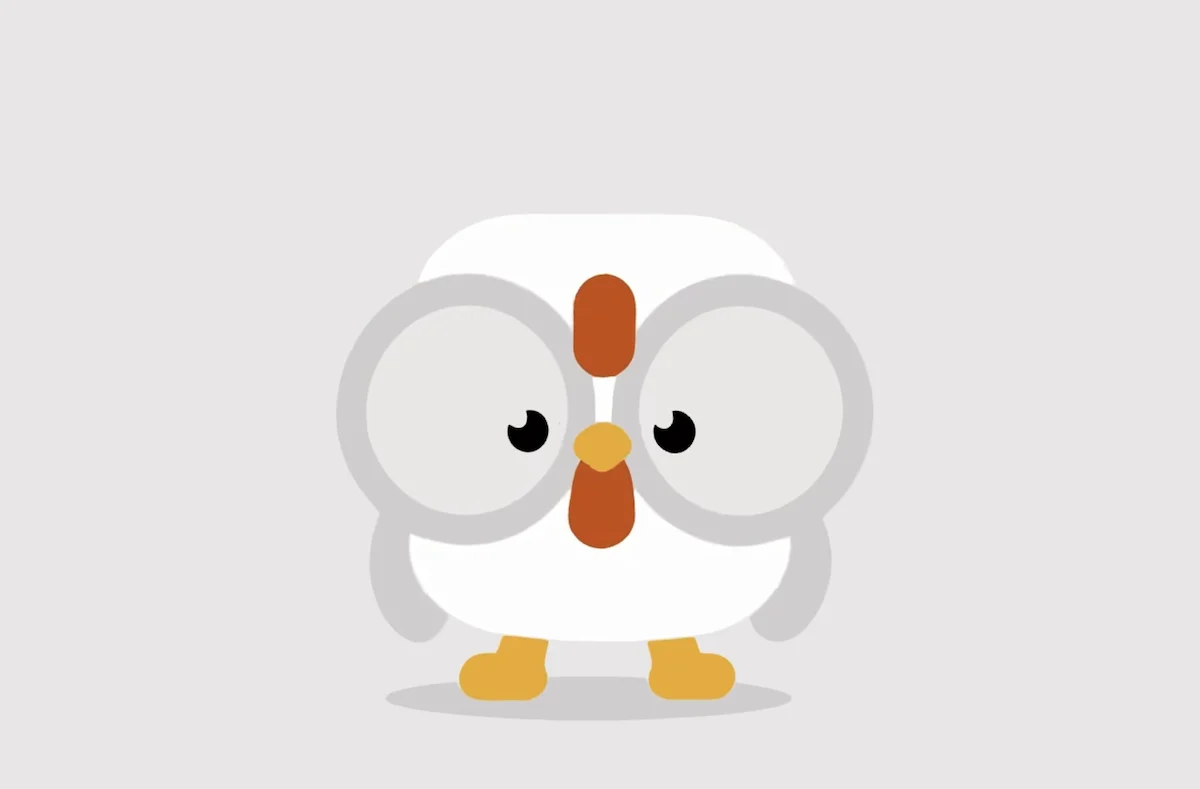
I was jolted awake this morning by the piercing, unmistakable cry of a rooster. And no, I don’t live on a farm. The culprit wasn’t a sunrise-obsessed bird perched on my windowsill; it was a new iPhone application I had installed the night before.
Welcome to the world of Clucky, a freshly launched mobile application that has entered the competitive "alarm clock" ecosystem with a singular, disruptive mission: to ensure you never hit the snooze button again. By blending gamification, social accountability, and a touch of tactical annoyance, Clucky represents the latest evolution in the productivity software niche designed specifically for the "habitual snoozer."
The Genesis of the Morning Struggle
The alarm clock has arguably become the most hated piece of technology in the modern household. From the mechanical bells of the 20th century to the customizable digital tones of the smartphone era, the goal has always been the same: to transition the human brain from a state of REM sleep to conscious productivity. However, as our devices have become more integrated into our lives, our ability to dismiss alarms has become equally sophisticated.
Enter the new wave of "mission-based" alarm apps. Clucky joins a growing cohort of developers—including the established Alarmy and the recently spotlighted Awake—that operate on a simple, psychological premise: if the act of turning off an alarm is as unpleasant as the sound of the alarm itself, the user is forced to engage their cognitive faculties. By the time the user has successfully silenced the device, they are too alert to crawl back under the covers.
Clucky, founded by former Fanatics software engineer Adrian Angelo Abelarde, leans into this concept with a sense of humor. While the rooster crow is its most viral selling point, the app’s broader architectural strategy is to make dismissing a morning wake-up call so tedious and ridiculous that sleep becomes an impossibility.
A Deep Dive into Clucky’s Functional Anatomy
For those who prefer a less aggressive start to their day, Clucky is not purely an instrument of torture. The application offers a robust suite of soundscapes, ranging from gentle chimes and the ambient chirping of birds to the traditional, panic-inducing digital beeps familiar to anyone who has owned a smartphone. For the heavy sleepers who require the "nuclear option," there is an "Extra Loud Mode" that systematically overrides volume settings to ensure maximum auditory impact.
The Mission-Based Wake-Up
The core of the Clucky experience is its "Mission" system. Users cannot simply tap a button to dismiss their alarm; they must complete a designated task that requires enough physical or mental effort to disrupt the sleep cycle. These missions include:
- Cognitive Challenges: Solving complex math problems or memorizing and tapping tiles in a specific, randomized sequence.
- Physical Activation: Shaking the phone vigorously, performing a set number of push-ups, or walking a specific distance.
- Precision Tasks: Tilting the phone to guide a virtual ball into a goal.
- AI Integration: Utilizing the phone’s front-facing camera for an AI-powered image recognition task, ensuring the user is upright and in a specific location (such as the kitchen or bathroom) before the alarm will cease.
By requiring physical movement and mental processing, Clucky forces the brain to dump adenosine—the chemical responsible for feelings of sleepiness—and transition into a state of alertness.
Supporting Data and User Analytics
One of the more sophisticated aspects of the Clucky ecosystem is its focus on long-term data tracking. The app provides users with a granular "Stats" dashboard, which serves as a quantified self-report for one’s sleeping habits.
The dashboard tracks metrics such as the average number of seconds an alarm rings before the user completes a mission, the total number of missions successfully beaten, and the cumulative count of successful wake-ups. Most notably, the app provides a "Rooster Report," a weekly performance review that grades the user’s consistency. This data-driven approach appeals to the modern trend of life-logging, where users analyze their productivity patterns to optimize their daily performance.

Social Accountability: The "Nest" and "Flock"
Perhaps the most innovative feature is the introduction of social accountability through the "Nest" or "Flock" functions. These are private groups that allow friends, family, or coworkers to link their alarms. In a "Flock," users agree to wake up at the same time. If one person hits snooze, the rest of the flock is notified, creating a peer-pressure loop that makes it socially difficult to justify oversleeping.
Official Responses and Corporate Stance
Clucky was brought to life by Adrian Angelo Abelarde, a developer whose background at Fanatics suggests a strong proficiency in high-scale, consumer-facing software. While Abelarde has maintained a low public profile since the app’s launch, the design philosophy behind Clucky points to a deliberate focus on user experience (UX) friction.
By intentionally adding "friction" to the user journey—the opposite of most app development goals—Abelarde is essentially gamifying the act of getting out of bed. While requests for comment regarding the app’s future roadmap and expansion were not immediately returned, the app’s current iteration suggests a focus on premium monetization and user retention.
Implications for the Sleep-Tech Market
The rise of apps like Clucky highlights a growing segment of the market dedicated to "sleep hygiene optimization." As the digital health industry continues to explode, the transition from simple sleep tracking (such as Oura or Apple Watch sleep monitoring) to active sleep intervention is becoming clear.
The Psychological Shift
There is an irony in using a smartphone—often the device that keeps us awake at night due to blue light exposure and doom-scrolling—to force us out of bed in the morning. However, the success of Clucky suggests that users are willing to outsource their willpower to algorithms. If the human brain is prone to procrastination, the algorithmic "taskmaster" acts as a necessary substitute for internal motivation.
Economic Impact and Subscription Models
Clucky is currently available on the Apple App Store, utilizing a "freemium" model that includes a Pro subscription priced at $39.99 per year. This price point positions it as a premium utility, suggesting that developers view "getting out of bed" as a high-value service. As the market matures, we are likely to see increased competition between these apps, potentially leading to more advanced features like integrated smart-home connectivity (e.g., turning on the lights or starting the coffee maker once a mission is complete).
Chronology of the Modern Alarm
- Early 2000s: The rise of the digital smartphone alarm; users rely on basic clock apps.
- 2015-2020: The emergence of "smart" sleep trackers; focus shifts from waking up to understanding sleep cycles.
- 2023-2025: The "friction-based" era; apps like Alarmy and Awake gain popularity by prioritizing forced interaction.
- 2026: The launch of Clucky; gamification and social accountability (The Flock) become the new standard for the "snooze-proof" movement.
Conclusion: Is Your Alarm Too Smart?
Whether you find the prospect of a rooster yelling at you at 6:00 a.m. delightful or terrifying, Clucky is undeniably effective. It addresses a fundamental flaw in human behavior: the gap between our intentions at night and our desires in the morning.
By turning the snooze button into an enemy to be defeated through math, movement, or social shame, Clucky has found a way to commodify the most difficult part of the day. As we continue to integrate AI and behavioral psychology into our daily routines, the alarm clock is likely to evolve from a simple noisemaker into a sophisticated life coach. For now, however, it remains a digital rooster—and it’s waiting for you to finish your push-ups before it finally, mercifully, stops crowing.
Disclaimer: This article contains affiliate links. When you purchase through links in our articles, we may earn a small commission. This does not affect our editorial independence.
About the Author