In an era defined by extreme market volatility and a tightening labor market, the traditional divide between cost-cutting and operational availability is dissolving. Modern reliability teams are increasingly recognizing that asset management is no longer a back-office maintenance function, but a strategic cornerstone of corporate competitiveness. By transitioning from reactive and preventive maintenance to proactive, data-driven strategies, organizations are finding that they can simultaneously lower maintenance costs while boosting uptime and throughput.
The Shift: From Reactive Maintenance to Predictive Optimization
For decades, industrial facilities relied on "preventive" maintenance—following strict, manufacturer-recommended service intervals. While this approach sought to prevent failure, it frequently introduced its own set of inefficiencies. Over-maintaining assets—performing overhauls regardless of the equipment’s actual health—wastes resources, increases spare parts consumption, and risks introducing "infant mortality" issues through unnecessary human intervention.
Conversely, reactive maintenance—waiting for a machine to fail before fixing it—is notoriously expensive. It results in unplanned downtime, emergency shipping costs for parts, and the potential for cascading damage to other equipment.
The middle path, and the current gold standard, is Predictive Maintenance (PdM). By utilizing continuous monitoring, intelligent sensors, and advanced analytics, teams can identify early signs of degradation. This allows maintenance to be performed only when necessary, maximizing the lifespan of the equipment while ensuring reliability remains at its peak.
Chronology of an Asset Management Evolution
The journey toward modern asset management typically follows a predictable, yet critical, progression:
- The Trigger Event: Many organizations remain stagnant until a catastrophic or high-visibility asset failure occurs. This "cost of inaction" serves as the catalyst for leadership to approve a pilot project.
- The Proof-of-Concept (PoC): Successful teams do not attempt a plant-wide overhaul at once. They target the "bad actors"—the 10% of equipment that causes the most recurring issues. By instrumenting these critical assets, teams can demonstrate immediate Return on Investment (ROI) to stakeholders.
- The Scaling Phase: Once the PoC proves the value of high-resolution data, organizations expand their footprint, shifting from manual, periodic inspections to continuous, automated monitoring.
- The Enterprise Integration: The final stage involves moving data out of silos. By leveraging an enterprise operations platform, plants connect their field data to cloud-based analytics, allowing for fleet-wide visibility and centralized health management.
Criticality-Based Monitoring: Allocating Resources Wisely
A common pitfall in digital transformation is the belief that "more data is better." However, monitoring every process variable on every piece of equipment is neither practical nor cost-effective. Reliability teams must instead adopt a criticality-based strategy.

Not all assets are created equal. A primary compressor, for instance, requires high-frequency, high-resolution vibration and temperature monitoring to detect sub-millimeter shifts in health. In contrast, a balance-of-plant cooling tower pump might be sufficiently managed through wireless sensors or occasional manual checks. By matching the technology to the risk, teams ensure that their limited budgets and personnel hours are focused where they provide the highest impact on production.
The Role of Intelligent Sensors and Edge Analytics
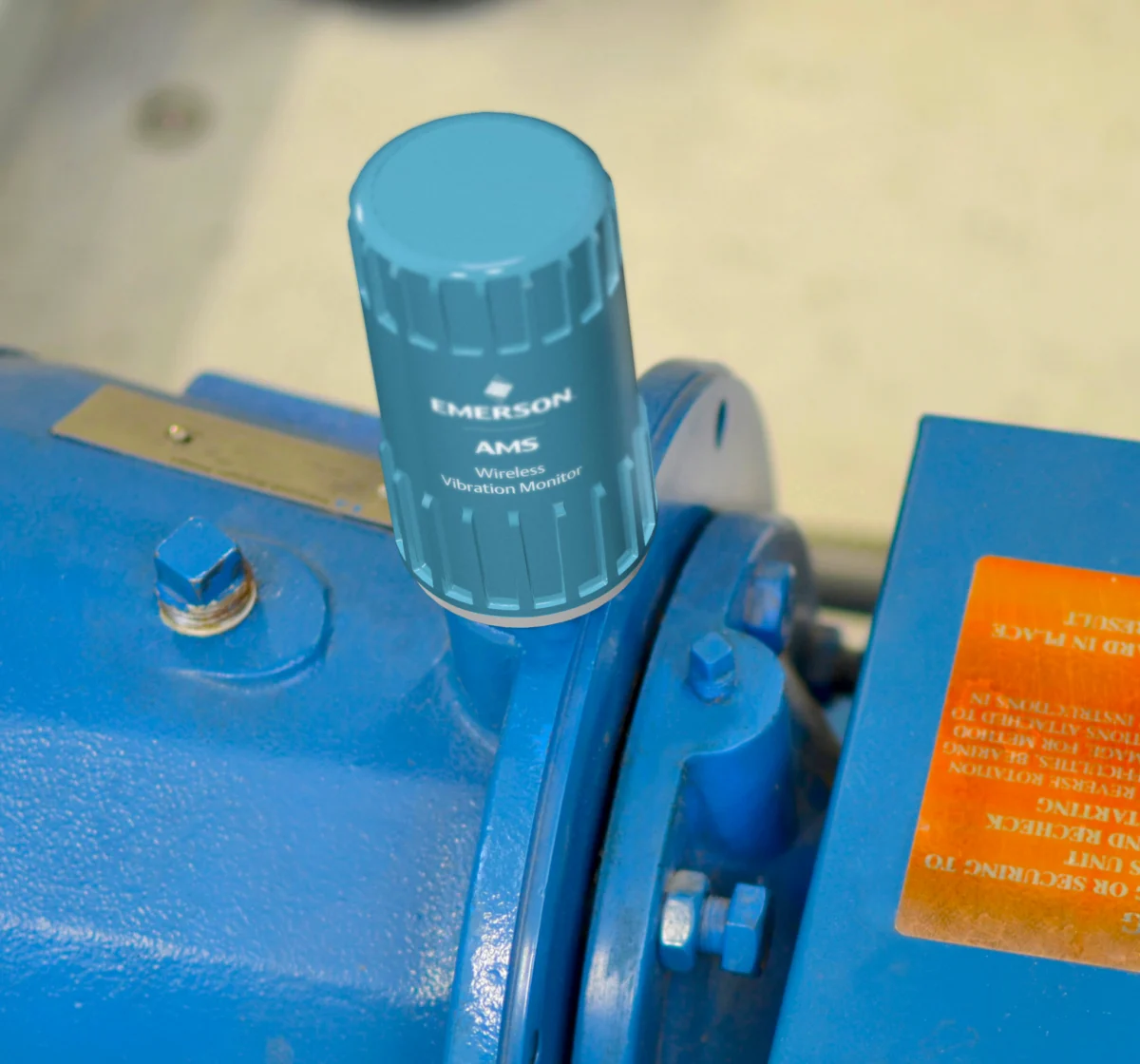
The bottleneck for many reliability programs is not a lack of data, but a lack of actionable data. Raw vibration or temperature streams can overwhelm even the most seasoned technicians. Modern, high-capability intelligent sensors have changed this dynamic by moving the "intelligence" to the edge.
These devices utilize on-board Artificial Intelligence (AI) to perform local diagnostics. Instead of sending terabytes of raw data to a server, the sensor monitors for specific patterns—such as the unique frequency signature of a bearing failure or a lubrication deficiency—and sends an alert only when a potential issue is detected.
Real-World Impact:
- The Lubrication Case: In a specialty chemical facility, an intelligent sensor flagged a lubrication issue shortly after a scheduled maintenance round. Initially, the team assumed a sensor error, as they had "just serviced" the machine. Upon inspection, they discovered the wrong lubricant had been used. The sensor had caught a human error that would have led to a catastrophic bearing failure within weeks.
Official Perspectives: The Value of Expert Partnership
Industry experts emphasize that technology is only half of the equation; human expertise remains the primary driver of success. Many organizations struggle because they lack the "bench strength" to interpret complex diagnostic data.
"Expert partners are not just vendors; they are force multipliers," says a lead consultant in industrial reliability. "When an organization lacks internal Category 3 or 4 analysts, they can lean on the automation provider to fill that gap. These partners provide the coaching necessary to turn data into decision-support, and they help organizations avoid the ‘low-cost trap’—where companies buy cheap sensors that fail to provide the context needed for true predictive analysis."

Implications: Building the Foundation for AI
The implications for companies that fail to modernize are stark. As competitors implement predictive and, eventually, prescriptive maintenance strategies, the gap in operational costs and reliability will widen, potentially pricing laggards out of the market.
However, the transition is also a long-term investment in the future of the industrial sector. The AI models of tomorrow require a high-quality, long-term data foundation. By building an enterprise operations platform today—where data flows seamlessly from the field to the cloud—organizations are effectively "future-proofing" their operations.
When advanced, generative AI reaches maturity, these companies will already have the clean, historical, and contextualized data required to train models that can predict not just that a machine will fail, but exactly when and why it will fail, while automatically generating the necessary work orders to fix it.
Conclusion: A Strategic Imperative
Asset management has transcended the maintenance department. It is now a critical component of the corporate balance sheet. By abandoning the "manual round" mentality and embracing a strategy of continuous monitoring, intelligent sensing, and enterprise-wide data integration, companies can turn their production lines into competitive advantages.
The path to success is clear: identify critical assets, partner with domain experts, and prioritize the quality of data over the quantity of hardware. Those who take these steps today are not merely maintaining their machines; they are securing their operational future in an increasingly demanding global economy. The cost of inaction is no longer just a repair bill—it is the loss of operational resilience itself.
About the Author