In the modern industrial landscape, compressed air is frequently categorized as the "fourth utility," standing alongside electricity, water, and natural gas as a fundamental pillar of production. From powering pneumatic tools and automation sensors to driving heavy-duty assembly lines, compressed air is the lifeblood of manufacturing. Yet, despite its critical nature, the infrastructure supporting this utility is often relegated to the background, tucked into corners of facilities where ambient conditions, poor ventilation, and inadequate planning can severely compromise system performance and longevity.
Optimizing a compressed air system is not merely about selecting the right compressor—whether oil-flooded rotary screw, oil-free, reciprocating, or centrifugal. It is about recognizing that the "inhaled" ambient air quality, the room layout, and the environmental integration of the system dictate the return on investment for years to come.
The Nexus of Health, Safety, and Engineering
When planning a new installation or upgrading existing hardware, the health and safety of personnel must be the primary design constraint. An efficient compressor room is a safe room; a cluttered, poorly ventilated space is a liability.
Hazard Mitigation Strategies
Operators and maintenance technicians frequently face risks associated with high-decibel noise, elevated temperatures, chemical exposure, and mechanical hazards. Best practices for modern facility management dictate:
- Acoustic Isolation: Where possible, noise-producing equipment should be physically separated from workstations. If isolation is impossible, robust personal protective equipment (PPE) protocols must be strictly enforced.
- Ergonomics and Access: A compressor room should be designed with sufficient ingress and egress points. Maintenance teams require clear pathways to perform lock-out/tag-out (LOTO) procedures on electrical panels and valves safely.
- Environmental Stewardship: All compressor fluids, lubricants, and treatment chemicals must be stored in secondary containment, clearly labeled, and organized to prevent accidental spills or cross-contamination.
Regulatory compliance is the baseline, not the ceiling. Facility managers should routinely consult standards set by the Occupational Safety and Health Administration (OSHA), the Mine Safety and Health Administration (MSHA), and the National Fire Protection Association (NFPA) to ensure the facility meets modern safety benchmarks.
Chronology of Installation: From Design to Operational Maturity
The lifespan of a compressor system follows a predictable trajectory. By mapping this out, managers can avoid common pitfalls.
Phase 1: Strategic Siting and Layout
The "room" is often an afterthought, shared with boilers, chillers, and pumps. However, the proximity of these heat-generating units can lead to "thermal short-circuiting," where compressors ingest hot exhaust air from other equipment. Proper design demands a layout that accounts for maintenance cycles. For example, large-scale compressors require overhead clearances for cranes or sufficient floor space for forklifts to maneuver heavy components like motors, pumps, and heat exchangers during periodic service.

Phase 2: The Ventilation Imperative
Ventilation is the most overlooked element of system reliability. Every compressor package requires a specific volume of intake air, as dictated by its technical data sheet. When a room is undersized or poorly vented, the compressor works harder to compensate for temperature spikes, leading to increased electrical draw and accelerated component failure.
Phase 3: Operational Optimization
Once installed, the system enters its active phase. This is when heat recovery strategies come into play. Modern systems can capture tens of thousands of BTUs from compressor exhaust, repurposing this energy to preheat boiler feed water or warm production areas. Such strategies aren’t just green; they are fiscally responsible. One textile manufacturer reported that by using a heat exchanger on its compressor fluid system to preheat water, they reduced natural gas consumption by $20,000 annually, achieving a full return on investment in under nine months.
Supporting Data: The Cost of Contamination
The "hidden" costs of compressed air are almost always linked to environmental contaminants: moisture, particulates, and chemical vapors.
The Physics of Compression
When air is compressed to 100 psi, the compression ratio is roughly 7.8:1. This means that any impurity in the ambient air is concentrated by a factor of eight. Consider a 100-horsepower compressor operating at 75°F and 75% relative humidity. In just 24 hours, this unit can ingest over 68 gallons of water vapor.
If this moisture remains in the system, it acts as a solvent, diluting lubricants and causing oxidation in internal components. Approximately 65% of this moisture is removed by the aftercooler, but the remainder must be managed through high-quality filtration and drying systems to prevent damage to downstream pneumatic tools and finished products.
Particulate Infiltration
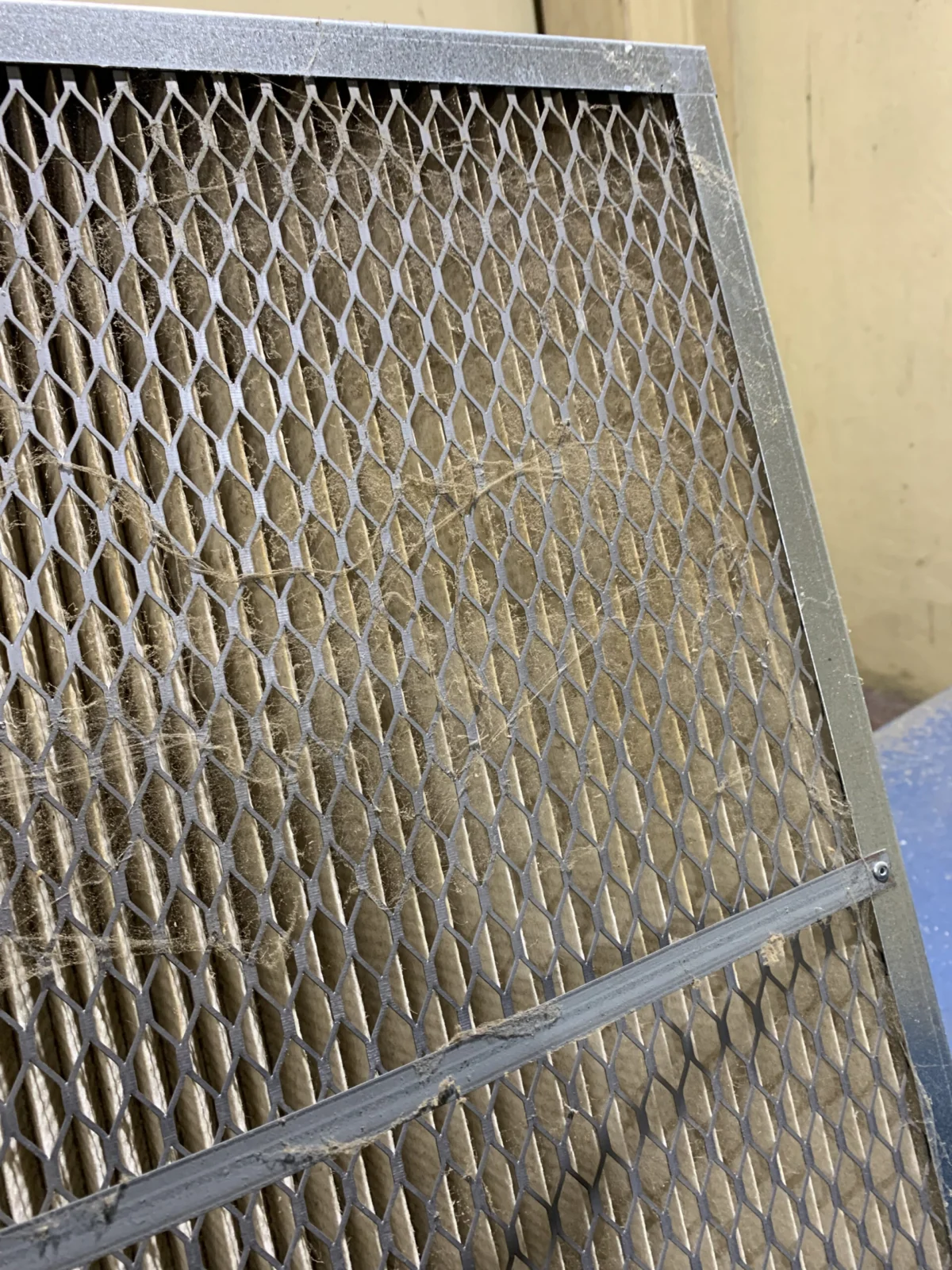
Intake filters are designed to protect tolerances as tight as 0.001 inches. When a compressor is placed near a high-particulate source—such as a loading dock with idling diesel trucks or a dusty manufacturing floor—the service life of an expensive filter can plummet from six months to a few hundred hours.
One container manufacturer discovered this the hard way. Despite their floor appearing clean, the compressors were pulling air from a loading dock 100 feet away. The result was a recurring "high pressure drop" warning, leading to thousands of dollars in premature filter replacements. Relocating the intake to the roof solved the problem immediately, underscoring the vital link between environmental placement and operational expenditure (OPEX).

Official Perspectives on Air Quality Standards
Air quality is not a monolith; it is defined by the specific needs of the end-user. The International Organization for Standardization (ISO) provides the benchmark for air quality.
- Food and Beverage: Requires stringent oil-vapor and particulate filtration to ensure safety compliance.
- Paper and Textile: Focuses more heavily on managing moisture and lint particulates.
- Chemical/Petrochemical: Requires monitoring for harmful vapors (ammonia, chlorine) that can react with compressor oils to form acidic sludge, leading to rapid catastrophic failure of bearings and seals.
Industry experts emphasize that "testing the air" is a best practice. Before finalizing a site, companies should perform ambient air analysis. Post-installation, regular fluid sampling is the early-warning system that prevents minor environmental contamination from becoming a costly total system rebuild.
Implications for Future-Proofing
The final, and often most neglected, aspect of installation is planning for expansion. Factory floors are rarely static; production needs fluctuate, and demand for air usually increases over time.
Designing for Scalability
A robust installation plan includes:
- Modular Piping: Sizing the main distribution header for future growth to prevent pressure drops.
- Redundancy Planning: Leaving physical footprints for future units to prevent the "cramming" effect.
- Digital Monitoring: Implementing IoT-based monitoring systems that track power usage and air quality in real-time, providing the data necessary to justify expansion or upgrades to stakeholders.
Conclusion
The pursuit of a reliable, low-cost supply of compressed air is a journey of precision engineering and environmental awareness. By treating the compressor room as a mission-critical utility hub—rather than a storage closet—facilities can significantly reduce energy consumption, minimize maintenance costs, and ensure the safety of their workforce. The investment in thoughtful layout, effective ventilation, and proactive contamination management is not merely an expense; it is a fundamental strategy for maintaining a competitive edge in modern manufacturing. As the industrial sector continues to evolve, the facilities that prioritize the "fourth utility" will be the ones that sustain long-term operational success.
About the Author