In the modern manufacturing landscape, the invisible hand of maintenance is the most potent driver of operational excellence. While production throughput and revenue figures often dominate boardroom discussions, the reality of these metrics is tethered to the health of the plant floor. As manufacturing environments become increasingly complex—integrated with aging infrastructure, high-speed automation, and fluctuating demand—the traditional "fix-it-when-it-breaks" mentality has become a relic of a less competitive era.
Maintenance is no longer merely a cost center; it is a strategic function that safeguards personnel, optimizes capital investment, and ensures that manufacturing facilities remain agile in a volatile global economy.
Main Facts: The Pillars of Modern Maintenance
A robust maintenance strategy is not a singular protocol but a dynamic ecosystem. To achieve high uptime and safety standards, organizations must move beyond reactive measures and embrace a multi-faceted approach.
The core of this evolution lies in the balance between four primary maintenance methodologies:
- Preventive Maintenance (PM): The backbone of operational consistency, involving scheduled inspections and routine interventions to prevent failure.
- Predictive Maintenance (PdM): Leveraging real-time data to monitor asset health and forecast failures before they interrupt production.
- Condition-Based Maintenance (CBM): Executing tasks only when specific parameters—such as vibration, heat, or fluid chemistry—indicate that the asset’s health is degrading.
- Corrective Maintenance: The strategic decision to allow non-critical components to run to failure, freeing up resources for high-impact assets.
The central challenge for plant managers today is the transition from "calendar-based" tasks to "data-driven" interventions. Modernizing these systems is not about replacing human expertise with algorithms; it is about providing engineers and technicians with the diagnostic clarity needed to make smarter, faster decisions.
Chronology: From Reactive Firefighting to Predictive Precision
The history of industrial maintenance has seen a distinct, phased evolution that defines the modern facility’s approach to asset management:
The Era of Reactive Maintenance (Pre-1970s)
Historically, the manufacturing sector relied on reactive maintenance. If a machine stopped, the line stopped. Maintenance departments functioned primarily as "firefighters," rushing to address failures as they occurred. This led to massive, unpredictable downtime and extreme variability in production quality.
The Rise of Preventive Maintenance (1970s–1990s)
As systems became more sophisticated, manufacturers realized that replacing parts based on time-in-service (e.g., changing filters every 30 days) could significantly reduce failures. This era introduced the rigorous documentation of maintenance schedules. However, this often led to "over-maintenance," where functional parts were replaced prematurely, incurring unnecessary labor and material costs.
The Condition-Monitoring Revolution (2000s–2015)
With the advent of affordable sensors and digital data acquisition, plants began to monitor assets in real-time. Vibration analysis, infrared thermography, and oil analysis became common tools, allowing maintenance teams to intervene only when an asset showed signs of distress.
The Age of AI and Predictive Intelligence (2015–Present)
We are currently in the fourth wave: the AI-enabled era. By integrating Industrial Internet of Things (IIoT) sensors with machine learning algorithms, plants are now capable of identifying complex failure patterns that the human eye—or even traditional threshold-based monitoring—might miss. This allows for "prescriptive maintenance," where systems not only identify a fault but also recommend the specific corrective action required.
Supporting Data: The Cost of Inaction
The financial argument for a refined maintenance strategy is overwhelming. According to industry benchmarks, the cost of unplanned downtime is estimated to be ten times higher than planned maintenance.
- The Downtime Penalty: For high-volume manufacturing lines, a single hour of unplanned downtime can cost upwards of $20,000 to $50,000 in lost revenue, labor costs, and expedited shipping fees to meet delayed delivery dates.
- Asset Lifecycle Extension: Organizations that transition from reactive to proactive maintenance programs typically see a 20% to 30% increase in the remaining useful life (RUL) of their capital equipment.
- Energy Efficiency: Poorly maintained assets are rarely energy-efficient. Friction in bearings, leaks in compressed air systems, and fouled heat exchangers can drive up utility costs by 5% to 15%.
The data suggests that the most successful plants are not those that spend the most on maintenance, but those that allocate resources based on a strict criticality hierarchy. By mapping assets according to their impact on safety, throughput, and product quality, leaders can ensure that the highest levels of predictive monitoring are reserved for the assets that matter most.
Official Responses and Expert Perspectives
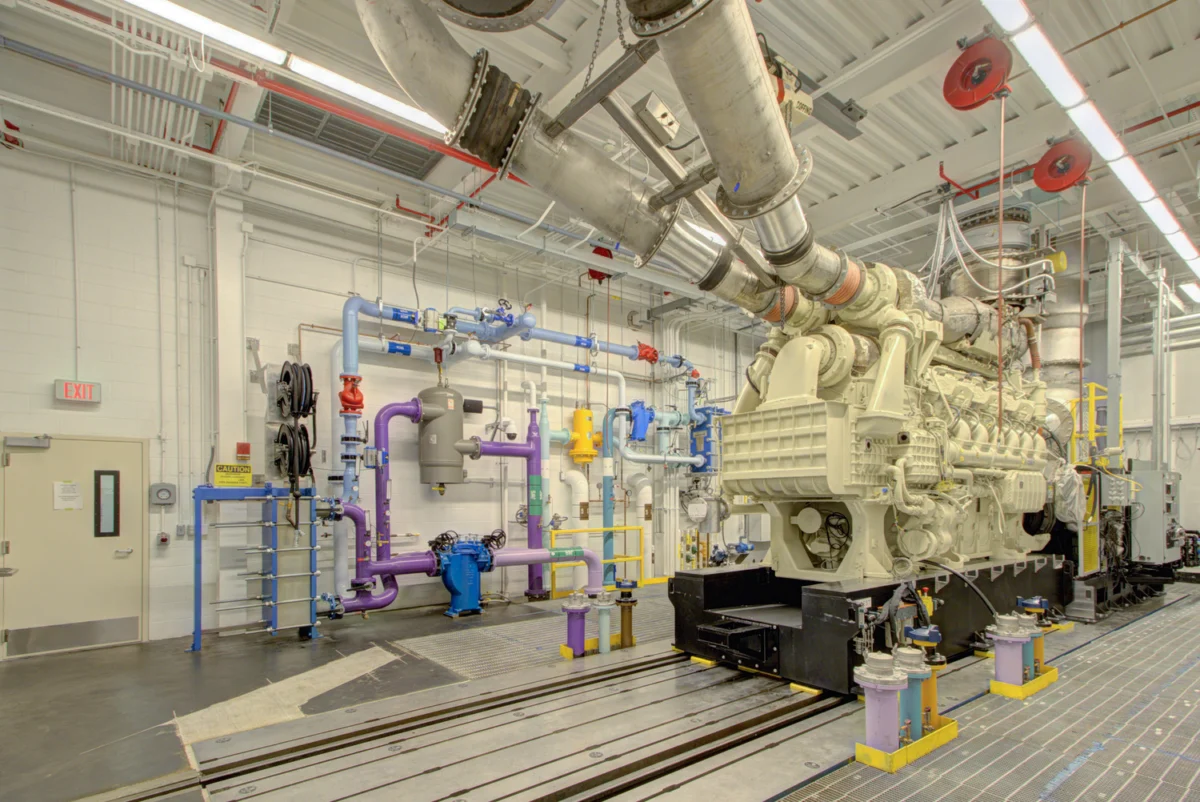
Industry leaders, such as those at ACS (Advanced Consulting Services), emphasize that "future-proofing" is a mindset. By integrating predictive maintenance into test cells and production lines, facilities ensure they are resilient against unexpected failures.
"Predictive maintenance and smart upgrades are not just about fixing machines," notes a spokesperson from the industrial reliability sector. "They are about keeping us ahead of the curve in testing capabilities. When a facility is future-proofed, it means that the maintenance strategy is scalable alongside the production demands."
Reliability professionals argue that the greatest barrier to adoption is not the technology itself, but the organizational culture. Moving from a "if it isn’t broken, don’t fix it" culture to one of "continuous condition assessment" requires a shift in how technicians are trained and how performance is rewarded.
Implications: Building a Resilient Future
The integration of AI and analytics into maintenance has profound implications for the manufacturing sector.
1. The Human-AI Partnership
There is a common fear that automation will replace the maintenance technician. However, the opposite is true. As systems become more complex, the role of the technician is elevated from manual labor to "system diagnostician." AI provides the map, but the technician provides the expertise and the skilled hands required to solve the root cause.
2. Redundancy is Not a Substitute for Maintenance
A critical implication often overlooked is the state of redundant systems. Backup pumps, emergency generators, and fail-safe control systems are frequently neglected because they are not part of the primary production cycle. Yet, a backup system that has not been tested is merely a false sense of security. A mature strategy treats standby assets with the same rigour as critical production assets.
3. Sustainability and Environmental Compliance
Well-maintained plants are inherently more sustainable. Properly lubricated machines consume less energy; tight seals prevent chemical leaks; and calibrated instruments reduce waste. Maintenance, therefore, is a central pillar of corporate environmental, social, and governance (ESG) goals.
4. Strategic Resource Allocation
The final implication for leadership is the shift in budget philosophy. Instead of viewing maintenance as a static annual expense, it should be treated as a dynamic investment. By utilizing analytics to identify which assets are truly "critical," plants can redirect labor and spare parts inventory away from non-essential equipment, reducing overhead while simultaneously increasing overall equipment effectiveness (OEE).
Conclusion: Honing the Balance
The ultimate goal of any industrial facility is to achieve a state of "reliability excellence." This is not achieved by choosing between preventive, predictive, or corrective maintenance, but by expertly blending all three based on the reality of the plant floor.
For the modern manager, the mandate is clear: keep honing the balance. As production demands grow more stringent and global competition intensifies, the plants that thrive will be those that view maintenance not as a chore, but as the engine of their competitive advantage. By leveraging data-backed insights and empowering a skilled workforce, manufacturers can build a future that is safer, more reliable, and ready to meet the challenges of tomorrow.
About the Author