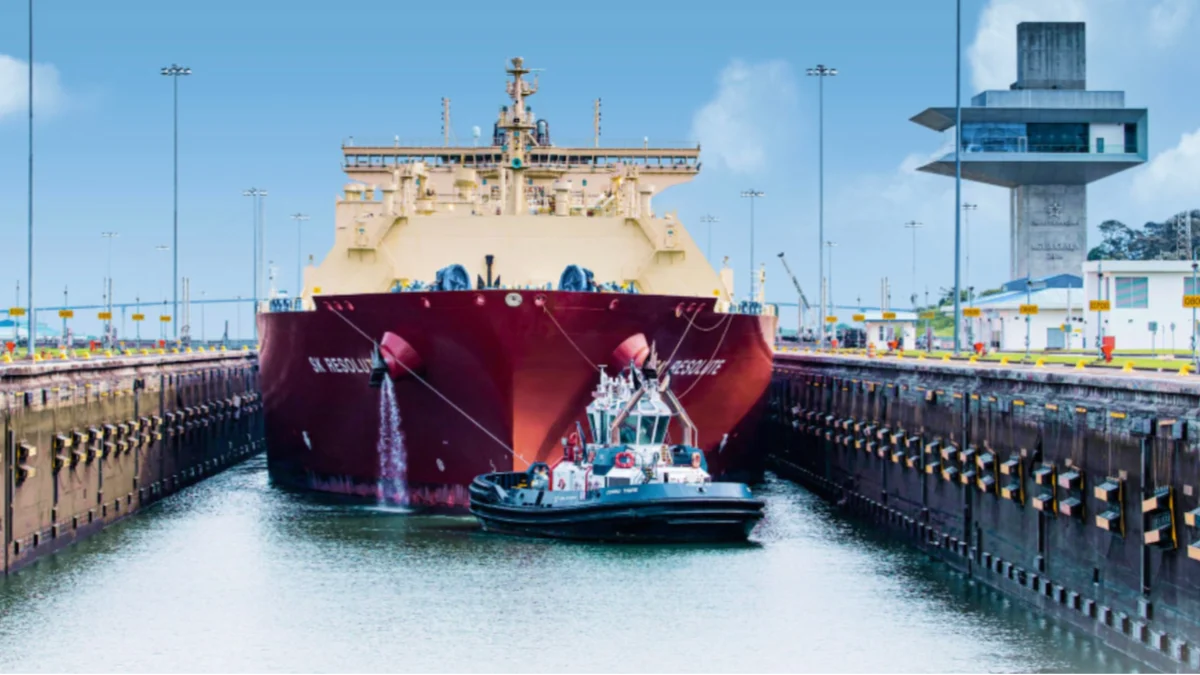
The Panama Canal Authority (ACP) has announced a significant tactical reprieve for global maritime trade, confirming the postponement of a planned reduction in the maximum authorized draft for vessels traversing its Neopanamax locks. The decision keeps the current draft limit at 14.63 meters (48 feet), offering a temporary stabilization for shipping lines that have been grappling with the operational volatility of the vital waterway throughout the year.
This strategic pause follows a comprehensive review of Gatun Lake’s water levels and updated meteorological projections. The reduction, which was slated to lower the draft limit to 47.5 feet effective October 1, has been shelved as the Authority monitors the precarious balance between commercial throughput and the environmental stressors currently impacting the canal basin.
The Critical Role of Gatun Lake
The heart of the Panama Canal’s operational challenges lies in the hydrology of Gatun Lake. Unlike sea-level canals, the Panama Canal relies on a series of lock-based lifts that require vast quantities of freshwater to move ships between the Atlantic and Pacific oceans. This water is not merely for vessel transit; it is also the primary source of drinking water for a significant portion of Panama’s population and serves as the lifeblood for local civilian infrastructure.
In recent months, the canal has faced the dual pressures of persistent drought conditions and the lingering impacts of the El Niño weather phenomenon. These factors have historically conspired to reduce precipitation in the watershed, forcing the ACP to implement stringent water-saving measures. A shallower draft mandate directly translates to reduced cargo capacity, as the largest container vessels must either offload weight or bypass the canal entirely to safely clear the bottom of the lock chambers.
A Chronology of the Crisis
The path to the current status quo has been marked by a series of reactive measures designed to protect the integrity of the canal while minimizing disruptions to the global supply chain.
- Early 2023: As meteorological data began to show declining rainfall patterns in the Panama watershed, the ACP began signaling potential future restrictions.
- Mid-2023: With Gatun Lake levels failing to recover as expected, the Authority implemented incremental draft reductions, forcing carriers to re-evaluate their vessel deployment strategies.
- Late Summer 2023: The announcement of the October 1 reduction to 47.5 feet created widespread concern among shipping alliances and logistics providers, who warned that the restriction could hamper vessel rotations and network fluidity during the peak shipping season.
- September 2023: Following a comprehensive, data-driven analysis of water reserves and revised weather forecasts, the ACP made the decision to pause the October reduction, maintaining the 48-foot draft limit.
Supporting Data: The Ripple Effects of Draft Restrictions
The economic implications of draft restrictions are profound. When the canal’s draft is limited, the "tonnage penalty" becomes a reality for shippers. A reduction of even 0.5 feet can force a massive container ship to leave behind hundreds of containers to satisfy safety requirements.
For the global supply chain, this means:
- Reduced Throughput: Fewer containers move per transit, decreasing the overall efficiency of the trans-Pacific trade lane.
- Cost Inflation: Carriers often pass on the costs associated with lighter loads and the need for additional vessel capacity to shippers, contributing to higher freight rates.
- Network Congestion: Vessels may be forced to divert to alternative routes—such as the Suez Canal or around the Cape of Good Hope—adding weeks to transit times and significantly increasing bunker fuel consumption and carbon emissions.
Industry analysts note that while the current pause is a relief, the long-term outlook remains sensitive. The potential for reduced post-peak season ship traffic on the trans-Pacific could assist in conserving water, providing the ACP with a larger buffer to manage the waterway’s resources as they enter the next calendar year.
Official Responses and Strategic Oversight
The Panama Canal Authority has maintained a posture of "cautious transparency." Officials emphasize that every decision regarding draft limits is the result of rigorous hydrological modeling rather than commercial pressure.
"We continue to evaluate water conditions in real-time," a spokesperson for the ACP noted following the announcement. "Our priority is to ensure the safe and reliable operation of the canal while meeting our obligations to the citizens of Panama who rely on this water for their daily needs. We will provide advance notice of any future changes, ensuring that the global logistics community has the lead time necessary to adjust their voyage planning and vessel deployment."
Beyond the commercial impact, the canal remains a strategic asset of global importance. It serves as a vital corridor for U.S. naval operations. The largest warships in the U.S. fleet, including Wasp-class amphibious assault ships and the massive America-class "big deck" amphibious vessels, rely on the canal’s capacity. Any permanent degradation in the canal’s draft limits could have geopolitical consequences, affecting the rapid deployment capabilities of naval assets between the Atlantic and Pacific theaters.
Implications for the Future of Maritime Logistics
The decision to hold the draft at 48 feet is a reprieve, but it is not a solution to the underlying climate-related challenges. The industry is now looking toward long-term adaptations.
Sustainability and Efficiency
The current situation has accelerated conversations regarding the "emissions gap" between carriers. As reported in recent industry analyses, there is a significant disparity in how different ocean carriers manage their carbon footprint on the same trade lanes. When canal restrictions force carriers to take longer routes, the environmental impact is magnified. Sustainability goals are being challenged by the need to navigate around the water-scarcity issues currently plaguing Panama.
Infrastructure and Tech Integration
Technological investment is becoming a primary focus for the ACP. From AI-driven water management systems to improved predictive weather modeling, the Authority is investing heavily in the "smart canal" concept. By better predicting rainfall and evaporation rates, the ACP hopes to provide more accurate, long-term guidance to the maritime industry, allowing for better synchronization between ship design and canal capacity.
The Human and Economic Cost
For shippers and logistics providers, the uncertainty of the canal is the most significant "hidden cost." Reliability is the backbone of modern just-in-time manufacturing. When the canal’s draft limit fluctuates, that reliability is compromised. The current stability is welcomed, but stakeholders are calling for more robust infrastructure projects—such as new reservoirs or water-saving lock technologies—to prevent future volatility.
Conclusion: A Delicate Balance
The Panama Canal stands as a testament to human engineering, yet it remains fundamentally tethered to the natural environment. The decision to maintain the 48-foot draft limit reflects a delicate balancing act: maintaining the canal’s role as an engine of global trade while respecting the environmental and civilian water requirements of Panama.
As the industry looks ahead, the focus will remain on how the ACP navigates the unpredictable climate cycles of the coming years. For now, the maritime world can breathe a sigh of relief, keeping their current voyage plans intact. However, the events of the last several months serve as a stark reminder that the efficiency of the global supply chain is inextricably linked to the health of the planet’s water systems.
The global logistics community awaits further updates from the Authority, with many keeping a close eye on the weather patterns over Gatun Lake. In the volatile world of international shipping, the ability to pivot based on accurate data remains the most valuable commodity. As the ACP continues its monitoring, the industry remains hopeful that this reprieve will extend, allowing for a period of much-needed stability in the flow of goods across the isthmus.
For further analysis on the intersection of maritime policy, sustainability, and global logistics, continue to follow the ongoing coverage of the Panama Canal’s operational developments and their broader impact on the FreightTech landscape.
About the Author