In a surprising turn for the global logistics sector, the United States is witnessing an extended "peak season" that continues to defy conventional market forecasts. According to the latest Global Port Tracker report—a collaborative publication by the National Retail Federation (NRF) and Hackett Associates—major U.S. container ports are bracing for a final surge in import volume this month. This late-season momentum is poised to make September the busiest month of 2027, challenging the long-held assumption that the traditional peak season for maritime shipping had already reached its apex.
The State of Play: Defying Economic Headwinds
For years, the rhythm of global trade was predictable: retailers would front-load inventory to prepare for the end-of-year holiday rush, leading to a spike in shipping volume during the late summer, followed by a gradual taper. However, the data for 2027 tells a more complex story. Despite a persistent backdrop of inflationary pressure, fluctuating fuel prices, and the looming shadow of international trade tariffs, American consumer demand has proven remarkably resilient.
Retailers, in turn, are continuing to flood the supply chain with merchandise to meet this stubborn appetite. The result is a prolonged period of high-volume throughput at major U.S. ports, forcing logistics planners to recalibrate their operations in real-time.
Chronology: A Season of Unforeseen Shifts
To understand how the current logistics landscape arrived at this point, one must look at the fluctuating import volumes throughout the year.
Early 2027: The Pre-emptive Import Strategy
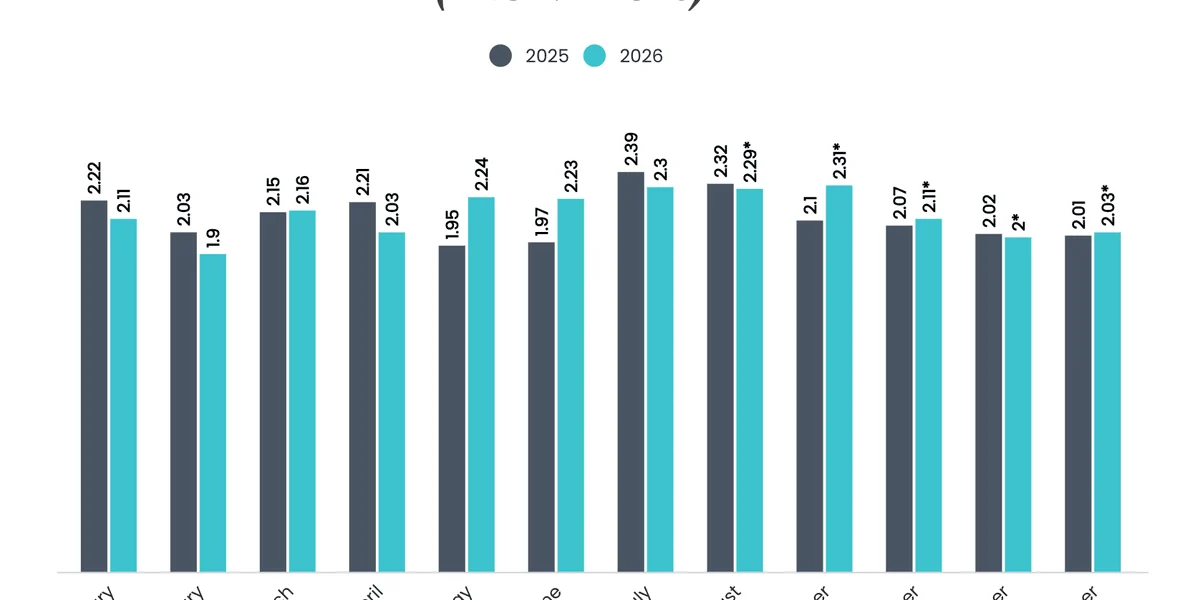
As recently as the second quarter, analysts predicted that May would likely stand as the busiest month of the year. During that period, import volumes reached 2.24 million twenty-foot equivalent units (TEUs). This surge was largely driven by a strategic move from retailers who, fearing potential tariff hikes on imported goods, chose to expedite their inventory cycles. By bringing merchandise into the country early, companies sought to mitigate the risk of increased duties, effectively shifting the traditional peak forward.
Summer 2027: The "New Normal"
By July, the data began to show signs of stabilization, yet the numbers remained robust. The nation’s major container ports handled 2.3 million TEUs in July. While this figure represented a 3.9% decrease compared to the same period in 2026, it reflected a 3.2% increase over the month of June. This uptick signaled that the anticipated mid-summer lull was not manifesting as expected.
August and September: The Final Push
While official August numbers are still being processed by port authorities, projections from the Global Port Tracker place the month’s volume at approximately 2.29 million TEUs—a modest 1.3% decline year-over-year. However, the forecast for September is where the narrative shifts. Analysts now expect import volumes to hit 2.31 million TEUs, a staggering 9.6% increase over the previous year. If these projections hold, September will unseat May as the most active month for U.S. imports in 2027.
Supporting Data: By the Numbers
The Global Port Tracker provides a comprehensive overview of the nation’s logistics health by monitoring the primary gateways of international trade. The report covers a wide geographic spread, ensuring that the data reflects a holistic view of the U.S. supply chain.
- West Coast Hubs: Los Angeles/Long Beach, Oakland, Seattle, and Tacoma.
- East Coast Hubs: New York/New Jersey, the Port of Virginia, Charleston, Savannah, Port Everglades, Miami, and Jacksonville.
- Gulf Coast Hubs: Houston.
The TEU—a standard unit of measurement based on a 20-foot container—serves as the primary metric for tracking this activity. The consistency across these hubs suggests that the current extension of the peak season is not a regional anomaly but a systemic feature of the current global economy.
Official Responses and Expert Analysis
The NRF has been at the forefront of analyzing these shifts. Jonathan Gold, NRF Vice President for Supply Chain and Customs Policy, expressed surprise at the length and intensity of the current shipping cycle.
"We thought the peak season would be mostly behind us by now, but that’s not the case," Gold stated. "Some of the shift from earlier in the summer to now is because of vessel delays due to bad weather in China and some rerouting away from the Panama Canal amid potential drought conditions there."
Gold’s assessment highlights the "perfect storm" of factors currently influencing global logistics. It is not merely a matter of consumer behavior; it is a matter of infrastructure and environmental constraints.
Infrastructure and Geopolitics
The rerouting of vessels is a critical piece of the puzzle. The Panama Canal, a vital artery for global trade, has been grappling with water-level concerns linked to drought conditions. As a result, shipping lines have had to weigh the costs of extended wait times against the necessity of rerouting to alternative ports or using different transit routes. These logistical detours add days to transit times, meaning that cargo destined for summer shelves is only now arriving at port terminals.
Furthermore, weather-related disruptions in Chinese manufacturing hubs—a perennial risk for global supply chains—have exacerbated these delays, forcing a "catch-up" period that has extended well into the autumn months.
Implications for the Supply Chain
The extension of the peak season carries significant implications for the broader economy and the logistics industry.
1. The Burden on Logistics Infrastructure
Ports are being pushed to their limits. With volume remaining high, drayage capacity, rail availability, and warehouse space are under constant pressure. The inability to experience a "down" period means that terminal operators have fewer opportunities for maintenance and clearing congestion, potentially leading to bottlenecks that could persist into the end of the year.
2. Retailer Inventory Management
For retailers, the situation is a double-edged sword. While the ability to move high volumes of product suggests a healthy consumer market, the cost of holding inventory—and the risks associated with supply chain unpredictability—is rising. Retailers are currently forced to maintain higher safety stocks to account for the erratic arrival times of goods, which ties up capital that could otherwise be deployed elsewhere.
3. The Inflationary Feedback Loop
The report also touches on a crucial economic truth: consumers are continuing to buy despite tariffs, inflation, and high fuel prices. This resilience, while positive for GDP, keeps the pressure on the supply chain. High demand justifies high shipping costs, which are ultimately passed down to the consumer, potentially fueling further inflationary pressures.
Future Outlook: What Comes After September?
As the industry looks toward the final quarter of 2027, the focus shifts to whether the September surge will be a final "peak" or if it represents a new baseline for import volumes. The Global Port Tracker will continue to provide the data necessary for policymakers and business leaders to navigate this environment.
If the past year has taught the logistics community anything, it is that the "traditional" cycles of trade are increasingly subject to the whims of environmental, geopolitical, and macroeconomic forces. The reliance on early-year front-loading, once a successful hedge against tariffs, has now become a complex game of timing that involves managing everything from canal water levels to regional weather patterns across the Pacific.
Ultimately, the nation’s ports remain the heartbeat of the American economy. As they continue to handle millions of TEUs under challenging conditions, the resilience of the supply chain will remain a key indicator of the country’s broader economic health. For now, stakeholders should prepare for a busy remainder of the year, characterized by high volume and a need for continued agility in the face of an unpredictable global landscape.
About the Author