In the high-stakes world of commercial logistics, time is not just money—it is the very engine that powers the global supply chain. For trucking fleets, every hour a vehicle spends in a service bay is an hour of lost revenue and diminished productivity. Recognizing this critical pressure point, Volvo Trucks North America has officially completed the rollout of its "Lock and Leave" software update system, a transformative feature that allows drivers to initiate vehicle software updates independently and walk away, effectively turning mandatory downtime into an opportunity for optimization.
This technological leap represents a significant evolution in how heavy-duty vehicles are maintained. By empowering drivers to manage software installations during scheduled breaks or overnight parking, Volvo is fundamentally decoupling vehicle maintenance from the traditional constraints of the dealership service department.
The Mechanics of "Lock and Leave"
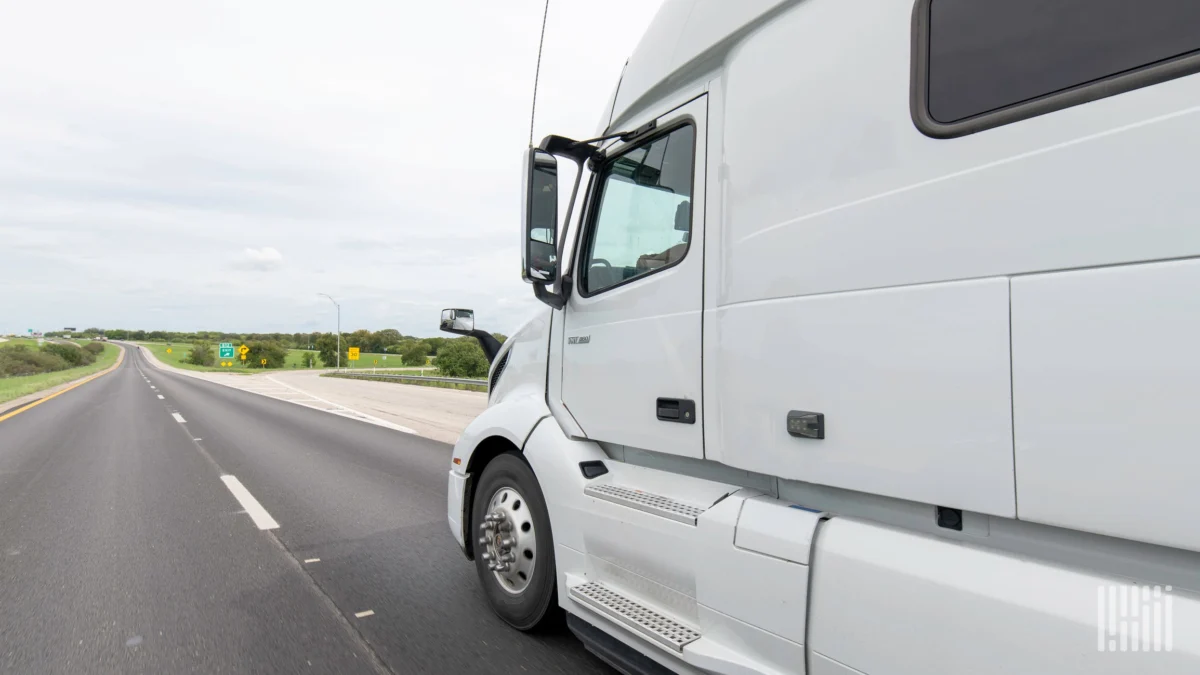
The "Lock and Leave" feature is an extension of Volvo’s existing Remote Programming system. It allows drivers to trigger critical software updates—ranging from engine performance and transmission tuning to battery management systems—directly from the cab’s interface. Once the update is initiated, the driver can safely exit the vehicle, lock the cab, and attend to their personal time or rest, knowing the onboard systems will manage the installation autonomously.
Upon returning to the vehicle, the driver is greeted by a truck that is not only fully updated but optimized for the road ahead. This process eliminates the need for manual intervention by service technicians for routine software patches, a task that has historically required time-consuming, unscheduled stops at service centers.
A Chronology of Connectivity: From 2018 to the Present
Volvo Trucks’ journey toward a fully connected, software-defined vehicle ecosystem did not happen overnight. It is the result of a multi-year, iterative strategy focused on integrating digital agility into the mechanical reliability of heavy-duty trucks.
- 2018: The Genesis of Remote Programming: Volvo first introduced its Remote Programming system, allowing eligible North American trucks equipped with factory-installed connectivity hardware to receive parameter and software updates over cellular networks. This was the first major step in reducing the "service center dependency" model.
- 2023: Expanding the Digital Footprint: Recognizing the rapid pace of technological change, Volvo significantly expanded the scope of its remote capabilities, doubling the number of updatable vehicle modules to six. By this time, the company had already surpassed 40,000 successful remote updates.
- 2024: The VNL Standard: The launch of the new Volvo VNL model served as a cornerstone for this digital strategy. Built from the ground up with advanced connected services, the VNL set a new benchmark for over-the-air (OTA) capabilities and remote diagnostic integration.
- 2025/2026: The "Lock and Leave" Nationwide Rollout: Following a successful pilot phase, the "Lock and Leave" feature was deployed across the United States and Canada, marking the culmination of years of infrastructure investment in the company’s 24-volt platform.
Supporting Data: The Impact on Fleet Efficiency
The transition to a software-centric maintenance model is backed by compelling data that illustrates a shift in how fleets operate. Volvo’s internal metrics reveal a stark correlation between software currency and vehicle performance.
In March of this year, Volvo reported that the percentage of its connected North American fleet running the most current software version had surged from 25% to over 80% in just six months. This rapid adoption was not merely a vanity metric; it translated directly to operational reliability. Trucks running the latest software experienced a 24% reduction in unplanned service stops.
The volume of data processing is equally impressive. As of August, Volvo reported over 7,500 successful remote updates in a single month. The company’s backend infrastructure is now capable of dispatching up to 20,000 software updates daily, a testament to the robust nature of their connectivity architecture.
Official Perspectives: The Leadership Vision
The executive leadership at Volvo Trucks has framed this technological rollout as a necessary response to the evolving demands of the modern fleet manager. Peter Voorhoeve, president of Volvo Trucks North America, has been a vocal proponent of the shift.
"As software plays a greater role in improving uptime, updating the software should be as easy and convenient as possible," Voorhoeve stated during the official rollout announcement. "Now a driver can lock and leave their truck while the update runs during a break and return to a truck that is up to date and ready to go to work."
This sentiment is echoed by the engineering teams, who emphasize that the 24-volt platform in North America was the key to unlocking this capability. By moving away from the traditional, rigid maintenance cycles, Volvo aims to keep trucks "current" throughout their entire operational life—a stark contrast to the legacy automotive model where a vehicle’s technology remained frozen in the state it was in when it left the assembly line.
Implications for the Trucking Industry
The "Lock and Leave" system is more than just a software convenience; it is a harbinger of a broader shift in the commercial transport sector. As vehicles become increasingly complex, the role of the manufacturer is transitioning from a builder of hardware to a manager of a digital ecosystem.
1. Minimizing Unplanned Downtime
In the trucking industry, where vehicles operate between eight and 11 hours a day, every minute of unexpected downtime creates a ripple effect through the supply chain. By converting service time into "break time," Volvo is effectively reclaiming hours that were previously lost to administrative or technical maintenance.
2. The Shift to Predictive Maintenance
Remote updates represent the front end of a larger predictive maintenance strategy. Because Volvo can push updates to address performance issues before they become mechanical failures, the need for emergency roadside assistance and costly towing services is significantly reduced. This shift benefits not just the owner-operator, but also large logistics fleets looking to optimize their total cost of ownership (TCO).
3. Future-Proofing Fleets
The ability to push software updates to engine performance, transmission logic, and battery management systems allows for a longer, more productive lifecycle for every truck. Instead of a truck becoming obsolete as technology advances, the vehicle can grow and adapt through software patches, effectively "future-proofing" the investment made by the fleet owner.
4. A New Standard for Dealer Relationships
The role of the dealership is also changing. Rather than being the first line of defense for every software glitch or parameter tweak, service centers can focus their expertise on high-value physical repairs and complex diagnostics. This improves the overall throughput of service networks, as dealerships are no longer clogged with routine software updates that can be handled remotely.
Conclusion: The Path Forward
The rollout of "Lock and Leave" is a clear signal that the future of trucking is inextricably linked to digital connectivity. By removing the friction associated with keeping a vehicle up to date, Volvo Trucks is not only enhancing the daily experience for drivers but is also providing fleet managers with a powerful tool to increase efficiency and profitability.
As the industry continues to move toward autonomous features, increased electrification, and smarter logistics, the ability to manage a vehicle’s software health remotely will become the baseline requirement for any competitive manufacturer. For now, Volvo’s latest initiative stands as a prime example of how digital innovation can be applied to solve the most enduring challenges of the trucking industry—maximizing time on the road and keeping the global economy moving.
For those interested in the future of the industry, the conversation continues at upcoming events like the FreightWaves F3: Future of Freight Festival in Chattanooga, Tennessee. As technology like Volvo’s "Lock and Leave" continues to redefine the standards of compliance, technology, and operations, industry leaders will gather to navigate these changes, share best practices, and define the next decade of logistics excellence.
About the Author