For decades, the standard folding hex key set—a humble, L-shaped tool tucked into junk drawers and toolboxes worldwide—has remained essentially unchanged. It is a staple of modern life, the primary instrument for assembling everything from Scandinavian flat-pack furniture to high-end bicycle components. However, anyone who has spent an afternoon assembling a bookshelf or tightening a dozen bolts knows the reality: it is a tedious, repetitive, and often physically taxing chore.
Enter Skil, a brand synonymous with power tool innovation, which has just introduced a potential game-changer for DIY enthusiasts and professional assemblers alike: the world’s first powered folding hex key set. By marrying the convenience of a compact folding tool with the torque of a motorized driver, Skil is attempting to solve one of the most persistent minor annoyances in home maintenance.

Main Facts: A New Paradigm in Hand Tools
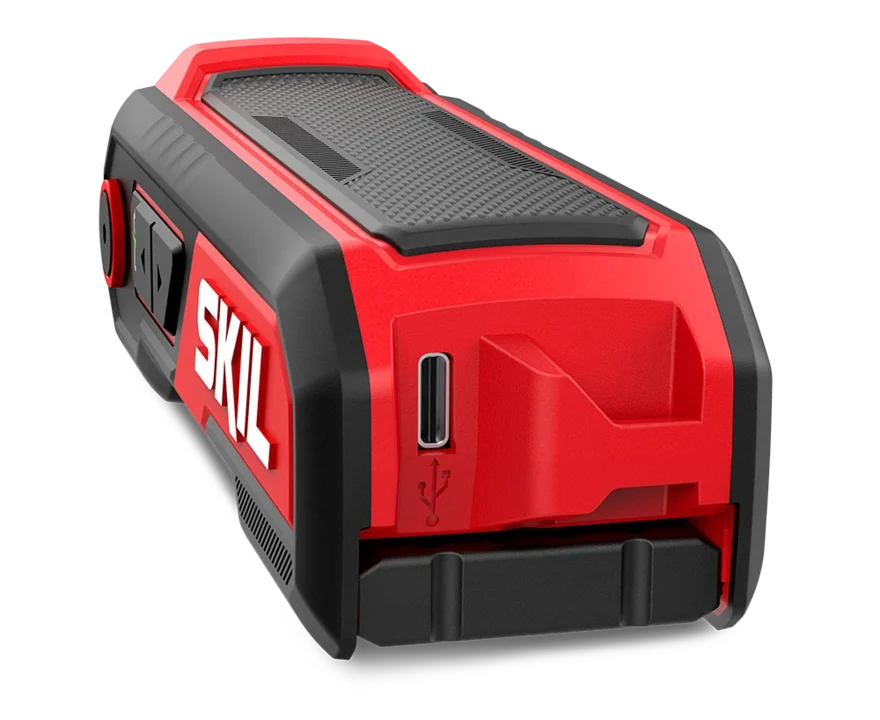
The Skil Powered Hex Key Set (Model HK0001) represents a hybrid approach to tool design. At its core, it functions as a compact, motorized screwdriver, but with a form factor that mimics the classic multi-tool hex sets found in hardware stores.
The device is built for versatility. The head is engineered to lock into three distinct positions—90°, 135°, and 180°—allowing users to adapt the tool to various spatial constraints, whether they are working in the tight corners of a furniture frame or on an open surface. The operation is remarkably straightforward: instead of manual wrist-twisting, the user simply toggles a push-button to control both forward and reverse rotation.

Powering the device is a 4V rechargeable battery, which is modernised for the current era with USB-C charging capabilities. This ensures that the tool can be topped off using the same cables found on most smartphones and laptops, removing the need for proprietary charging cradles or bulky battery packs.
Chronology: From Manual Labor to Electrified Convenience
To understand the significance of Skil’s innovation, one must look at the evolution of assembly tools.

The Era of Manual Friction
For over a century, the hexagonal key—or Allen key—has relied entirely on human force. While reliable and inexpensive to manufacture, it creates significant ergonomic strain. The repetitive motion of rotating a key in tight increments causes "assembly fatigue," a condition familiar to anyone who has ever wrestled with a complex desk build.
The Rise of the Electric Screwdriver
In the 1980s and 90s, the introduction of cordless electric screwdrivers revolutionized home repair. However, these tools were often bulky, required specific bits, and were overkill for the delicate, precise work often required for hex bolts. Users were forced to choose between the bulky power tool that might strip a soft screw or the manual key that was slow and exhausting.

The Skil Innovation
Skil’s development team appears to have identified a gap in the market: the "middle-weight" assembly task. By condensing the power-drive technology into a folding frame, Skil has effectively created a bridge between the high-torque power drill and the manual hex key. The announcement of this product marks a pivot toward "micro-power" tools, which prioritize ergonomics and accessibility over brute force.
Supporting Data: Specifications and Market Offerings
Skil has structured the rollout of this product into two distinct tiers, catering to both casual users and those who demand a more comprehensive set of driving options.

The Basic Unit ($50)
The entry-level version includes the powered driver handle and 11 essential hex bits. A notable design feature is the integrated storage; the unit allows for five bits to be stored onboard at any given time, ensuring that the most frequently used sizes are always at the user’s fingertips.
The Full Kit ($70)
For power users, the expanded kit offers a significant upgrade in utility. In addition to the powered handle and the 11 hex bits, the kit includes:

- 5 Phillips head bits.
- 5 Flathead bits.
- 5 Torx bits.
This expansion effectively turns the device from a niche hex-key driver into a versatile multi-purpose screwdriver capable of handling almost any standard fastener found in a modern home.
Ergonomic Considerations: The "Right-Handed" Dilemma
While the tool is an engineering marvel, it is not without its limitations. Early reviews and design analyses suggest that the tool’s ergonomics are heavily optimized for right-handed users. The placement of the controls and the rotation of the handle may pose a challenge for left-handed individuals, a common critique in the power tool industry where ergonomics are often centered around the dominant majority.

Official Responses and Industry Outlook
Industry experts have been quick to note the strategic brilliance of this release. By branding it as a tool for the "Power Ikea User," Skil is tapping into a massive demographic—the urban, DIY-adjacent consumer who doesn’t necessarily need a 20-volt impact driver but is tired of the manual labor required for basic assembly tasks.
A spokesperson for Skil indicated that the focus during the design phase was on "frictionless assembly." The goal was to eliminate the physical barrier that prevents many people from attempting home repairs or furniture assembly. By reducing the effort to a simple thumb-press, Skil aims to make DIY projects more accessible to people with limited grip strength, such as those with arthritis or other repetitive stress injuries.

Retailers have also noted the "giftability" of the product. With its sleek design and USB-C integration, the kit is being positioned not just as a utilitarian tool, but as a lifestyle accessory for the modern home-dweller.
Implications: The Future of the "Junk Drawer"
The introduction of the Skil Powered Hex Key Set signals a broader trend in consumer goods: the electrification of manual tasks. We are currently seeing a wave of products—from electric salt grinders to powered wine openers—that replace manual friction with low-voltage motors.

Implications for the DIY Industry
If the Skil HK0001 is successful, it is highly likely that competitors will scramble to release their own versions. We may soon see a market saturated with "smart" hand tools that offer torque control, LED lighting, and Bluetooth connectivity for tracking battery life.
The Environmental Aspect
One potential downside of this shift is the increase in electronic waste. Unlike a traditional steel hex key, which can last for generations, the powered version is reliant on a lithium-ion battery. The longevity of this tool will be defined by the quality of its internal power cell. Skil’s commitment to USB-C is a positive step, as it promotes a standard charging ecosystem, but consumers should be aware that they are trading the permanence of cold-forged steel for the convenience of an electronic appliance.

A New Standard for Furniture Assembly?
Could this tool change the way furniture is sold? It is unlikely that retailers will begin bundling powered drivers with their products, but the existence of this tool might push manufacturers to standardize fastener sizes even further. As consumers demand more "tool-free" or "easy-tool" assembly, companies that offer products compatible with universal powered drivers like the Skil HK0001 may see an increase in customer satisfaction scores.
Conclusion
The Skil Powered Hex Key Set is more than just a novelty; it is a thoughtful evolution of an ancient design. While it may not replace the heavy-duty drills of the professional contractor, it occupies a vital space in the residential toolbox. It acknowledges that the modern DIY experience is often defined by small, repetitive, and annoying tasks that have long been ignored by the power tool industry.

Whether you are a seasoned tinkerer looking to streamline your workflow or a weekend warrior who dreads the sound of the hex key scratching against a metal frame, Skil’s new offering is a compelling piece of hardware. It transforms a task of endurance into one of efficiency, proving that even the most "solved" tools can still be improved upon with a bit of electricity and some clever engineering.
As we move forward, the success of this product will likely hinge on its durability. If it can withstand the rigors of frequent use while maintaining its battery performance, it may well become the new gold standard for the modern household. For now, it stands as a testament to the fact that, in the world of DIY, the future is powered—and it’s a lot more comfortable than it used to be.
About the Author