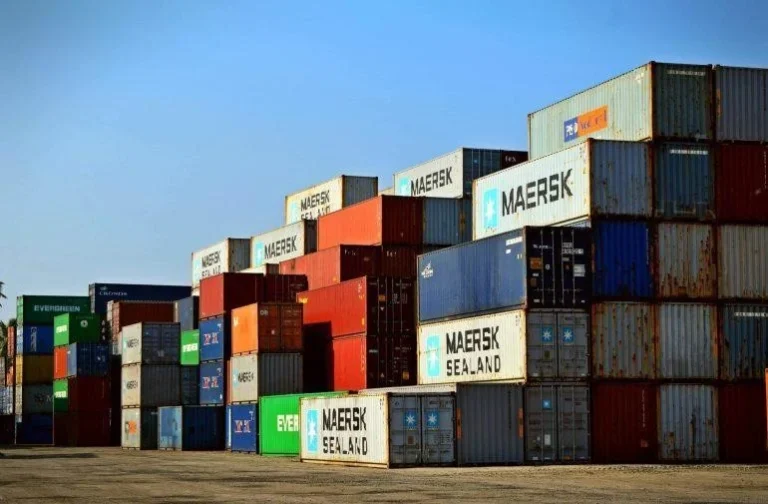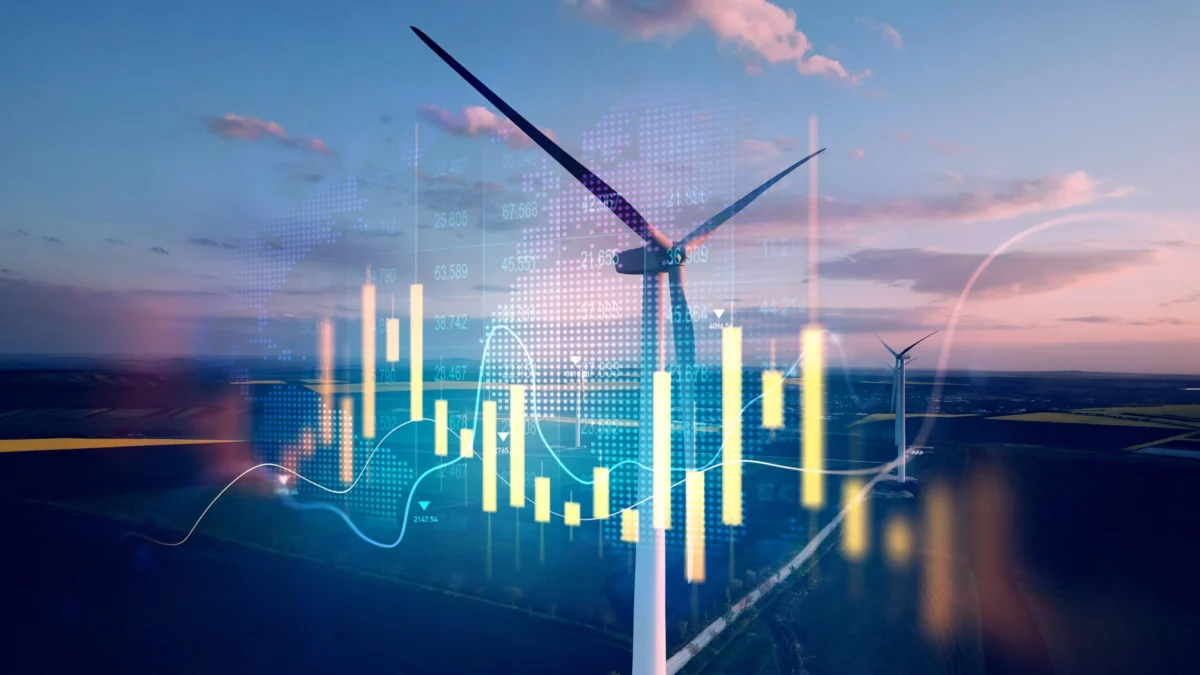
The global supply chain, once optimized primarily for cost-efficiency and lean inventory, is undergoing its most radical transformation in decades. As geopolitical tensions, climate-related disruptions, and stringent new regulatory mandates converge, the traditional "lowest-cost manufacturing" model is being dismantled. In its place, a new paradigm is emerging—one that prioritizes resilience, agility, and, perhaps most crucially, a verifiable commitment to environmental sustainability.
While nearshoring—the relocation of manufacturing closer to the point of consumption—is often touted as the definitive solution to these challenges, the reality is far more nuanced. As corporations scramble to comply with frameworks like the EU’s Corporate Sustainability Reporting Directive (CSRD), the industry is realizing that proximity alone does not guarantee a lower carbon footprint. To achieve true sustainability, companies must move beyond geography and embrace a sophisticated, data-driven approach to network orchestration.
The Evolution of Global Supply Chain Architecture
A New Strategic Mandate
For the past three decades, the primary objective of supply chain design was simple: minimize labor and production costs. This led to the creation of vast, fragile, and energy-intensive global networks. However, the last few years have exposed the inherent weaknesses of this model. The COVID-19 pandemic served as a wake-up call, highlighting the dangers of relying on distant manufacturing hubs. Simultaneously, geopolitical instability and the increasing frequency of climate-driven logistics disruptions have forced a pivot toward resilience.
The Regulatory Pressure Cooker
Beyond operational risks, the regulatory landscape has tightened significantly. With the introduction of the EU’s CSRD and similar reporting requirements globally, corporations are now legally and financially accountable for their Scope 3 emissions—the indirect emissions that occur in the value chain, including upstream and downstream transportation. Stakeholder scrutiny has reached a fever pitch, with investors and consumers alike demanding transparency and tangible action toward decarbonization.
Chronology of a Paradigm Shift
The transition toward the modern, sustainable supply chain has not been instantaneous. It is a progression defined by distinct phases:
- 2019–2020: The Resilience Wake-Up Call. The onset of the pandemic revealed that global dependency on distant supply lines was a significant liability. Companies began exploring "China Plus One" strategies and local sourcing.
- 2021–2022: The Decarbonization Imperative. As global climate targets solidified, the focus shifted from "resilience at any cost" to "resilient, sustainable logistics." Sustainability reporting mandates became a board-level priority.
- 2023–Present: The Integration Phase. Leading logistics providers and manufacturers have moved past the pilot phase. Companies are now integrating low-carbon fuels and optimized network orchestration into daily, large-scale operations. The conversation has moved from "Why decarbonize?" to "How do we scale it globally?"
Supporting Data: The Logistics Carbon Calculus
A critical misconception in modern supply chain strategy is that shorter distances automatically translate to lower emissions. While nearshoring offers undeniable benefits, the data suggests that the mode of transport and energy source are often more influential than total mileage.
Distance vs. Mode of Transport
According to industry analysis, ocean freight remains remarkably efficient compared to road transport. On a ton-kilometer basis, ocean freight can reduce transport greenhouse gas emissions by 70–90% compared to road freight. If a company nearshores production to a nearby country but switches from a high-capacity, low-carbon ocean route to an expedited, diesel-fueled trucking fleet, the net carbon footprint may actually increase.
The Impact of Efficiency Levers
Inventory management also plays a significant role. Nearshoring allows for reduced lead times, which improves forecasting accuracy and minimizes excess inventory. Surplus goods are not just a financial drain; they are a carbon burden, necessitating additional transport and often leading to carbon-intensive disposal methods such as landfilling or incineration.
Energy Source Decarbonization
The energy source itself is the "make or break" variable. Recent advancements have brought alternative fuels into the mainstream:
- Hydrotreated Vegetable Oil (HVO) and Biogas: These fuels can slash transport emissions by 80–90% compared to traditional fossil fuels.
- Electrification and Hydrogen: In environments where renewable energy powers the grid, these technologies can achieve up to a 100% reduction in transport-related emissions.
Official Perspectives: The Role of Global Logistics Partners
Leading logistics providers, such as DHL, have emerged as the architects of this transition. By leveraging their global scale, they are bridging the gap between localized manufacturing and global sustainability standards.
"We are actively deploying low-carbon fuels for road transport, such as HVO and biogas, which can slash transport emissions by up to 80–90% compared to fossil fuel alternatives," notes a DHL spokesperson. The company emphasizes that the barrier to entry has historically been infrastructure, but rapid investment in regional corridors is changing the calculus.
The "Book-and-Claim" Mechanism
A major challenge for businesses is the lack of universal infrastructure for green fuels. To address this, organizations are adopting "book-and-claim" mechanisms. Through initiatives like DHL’s GoGreen Plus, businesses can invest in sustainable fuels within the logistics network, even if they cannot physically route their specific cargo through a green-fuel-powered vehicle. These investments are externally audited and aligned with the Science-Based Target initiative (SBTi), allowing companies to lower their reported Scope 3 footprint while supporting the broader scaling of green infrastructure.
Implications for the Future: Orchestration over Isolation
The implications of these shifts are profound. Moving production in isolation—simply picking up a factory and moving it closer to a market—often leads to "hidden" inefficiencies. Half-empty trucks, redundant regional routes, and the creation of new, congested corridors can negate the environmental benefits of being closer to the customer.
The Need for Holistic Network Management
Successful decarbonization requires "network orchestration." This involves:
- Mode Optimization: Choosing the most carbon-efficient transport mode for every leg of the journey.
- Load Management: Ensuring high capacity utilization to prevent the carbon waste of "empty miles."
- Data-Driven Visibility: Utilizing digital twins and real-time tracking to identify bottlenecks that inflate emissions.
Transitioning from Pilot to Global Scale
The most significant trend identified by industry experts is the move from localized pilots to universal scaling. Historically, green logistics projects were confined to specific European or North American corridors. Today, these solutions are being deployed in markets as diverse as Thailand, Japan, India, and Brazil. This proves that low-carbon transport is not a Western luxury; it is an operationally viable model for the global economy.
A Balanced Horizon: Resilience Meets Sustainability
As we look toward the next decade, nearshoring will remain a cornerstone of corporate strategy. The ability to react to local market demands in days rather than months provides a competitive advantage that cannot be ignored. However, the "sustainability promise" of nearshoring is conditional.
To fulfill this promise, businesses must embrace a three-pillar strategy:
- Data-Driven Optimization: Using advanced analytics to measure the true carbon cost of every kilometer traveled.
- Strategic Infrastructure Investment: Partnering with logistics providers to advocate for and utilize green corridors, including public charging and hydrogen fueling stations.
- Holistic Orchestration: Evaluating the supply chain as a single, interconnected organism rather than a collection of disparate, regional nodes.
The future of supply chain management is not about choosing between global reach and local presence; it is about achieving industrial-scale sustainability. By focusing on how goods are moved—not just where they are manufactured—corporations can build a resilient, responsive, and truly low-carbon supply chain that meets the demands of both the market and the planet. The era of the "blind" supply chain is over; the era of the "conscious" supply chain has begun.
About the Author