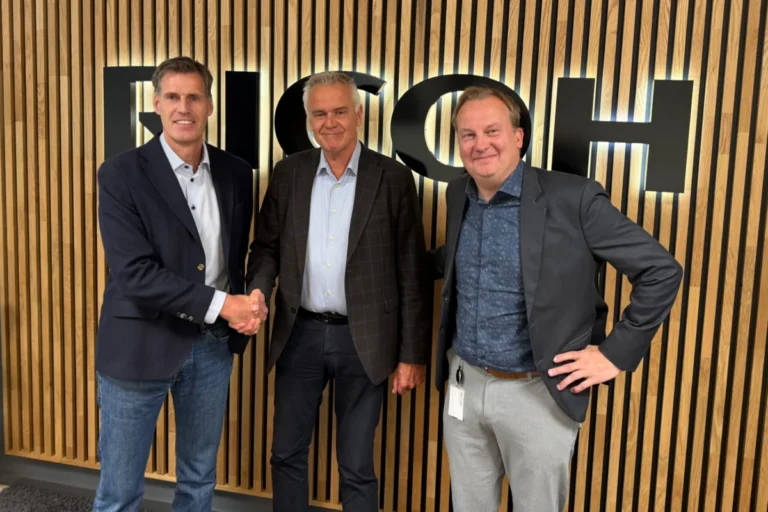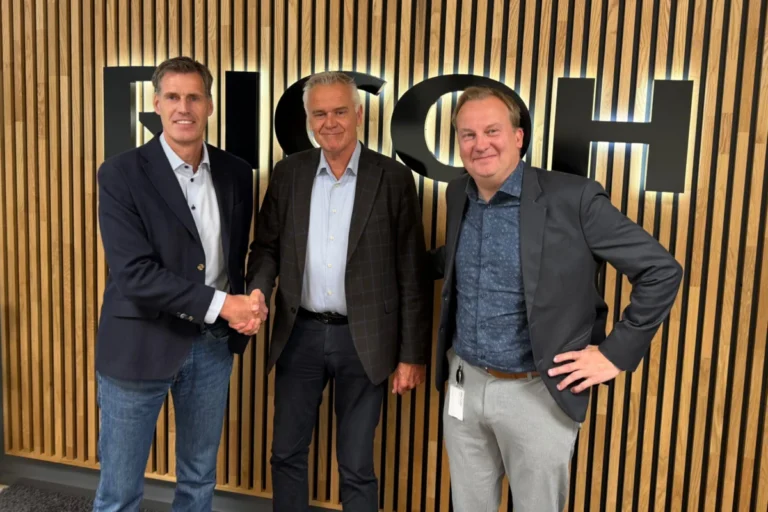
Taastrup, Denmark – In a remarkable display of strategic acumen and rapid adaptation, Uniemballage has transformed itself from a specialized packaging and finishing house into a formidable force in the Nordic digital print and display production sector. Over the past year, the company has orchestrated a series of calculated acquisitions and significant investments, catapulting its capabilities, market reach, and overall revenue to unprecedented levels. This dramatic evolution, spearheaded by Director Steen Jønsson, underscores a successful navigation of industry challenges and a bold embrace of digital innovation.
At the heart of Uniemballage’s meteoric rise lies a visionary strategy to integrate previously outsourced processes, streamline operations, and broaden its service portfolio. The company’s journey began with a decisive move to acquire key assets and personnel from a struggling competitor, setting the stage for an ambitious expansion that continues to redefine its market position.
A Year of Strategic Transformation: The Chronology of Uniemballage’s Ascent
Approximately one year ago, Uniemballage embarked on its transformative journey by acquiring the production equipment and a cadre of key employees from the then-bankrupt Colore. Colore, a recognized specialist in the production of Point-of-Sale (POS) and display materials, possessed a fundamentally sound business model in terms of its market demand and operational expertise. However, the company was heavily burdened by disproportionately high fixed costs, primarily an exorbitant annual rent amounting to approximately 1 million Danish kroner. This financial albatross ultimately rendered the business unsustainable despite its otherwise healthy core.
Uniemballage’s strategic intervention provided a lifeline, not just for the employees and equipment, but for the underlying business potential itself. By integrating Colore’s operations into its existing facilities in Taastrup, Uniemballage immediately eliminated this substantial annual overhead. This single, astute move dramatically altered the financial viability of Colore’s former operations, laying a robust foundation for future growth.
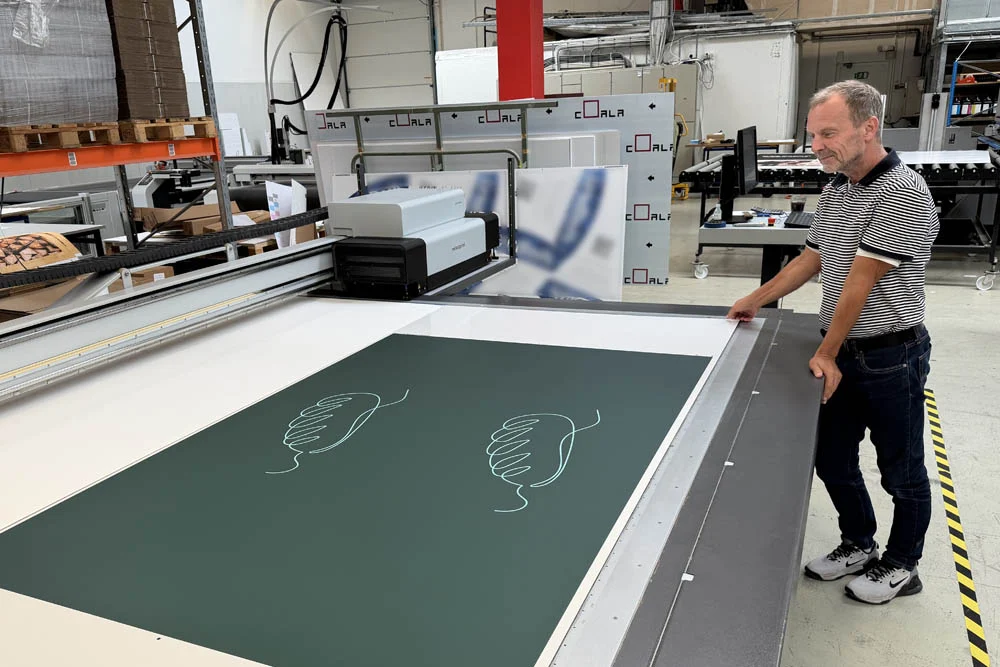
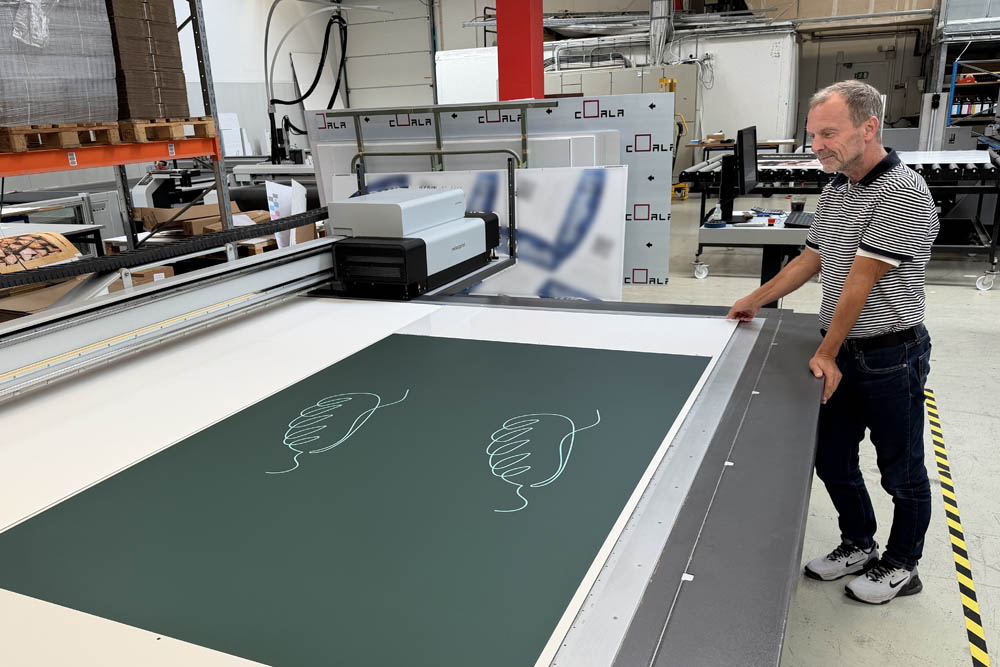
Prior to this acquisition, Uniemballage’s in-house capabilities were confined primarily to die-cutting and lamination. The company relied heavily on external partners for any printing requirements, which inherently added layers of cost, complexity, and lead time to its projects. The integration of Colore’s assets fundamentally changed this dynamic. Uniemballage suddenly found itself equipped with a comprehensive digital printing suite, including a digital roll printer, a fully automatic flatbed printer, and two advanced digital cutting tables. This infusion of technology instantly expanded the company’s service offerings, allowing it to provide a much wider range of solutions directly to its customers.
Steen Jønsson, Director of Uniemballage, articulated the immediate benefits with conviction: "Where we previously always had to find print possibilities with a partner, we can now do most tasks internally. It is both cheaper and faster and makes us even more competitive." This shift from outsourcing to in-house production was not merely a logistical change; it was a strategic pivot that enhanced efficiency, reduced costs, and significantly improved Uniemballage’s responsiveness to market demands. The ability to control the entire production chain from start to finish became a cornerstone of its newfound competitive advantage.
The positive momentum generated by these initial changes was so significant that Uniemballage soon recognized the need for further investment to keep pace with demand and capitalize on emerging opportunities. This led to a subsequent, crucial investment in yet another state-of-the-art digital flatbed printer. Building on the success and reliability of the swissQprint Karibu roll printer acquired with Colore, Uniemballage opted for a swissQprint Nyala LED flatbed printer. This decision was driven by both familiarity with the technology and a proven track record of performance.
Thomas Røddik, who oversees Uniemballage’s digital production, explained the rationale behind this choice: "It was a relatively easy choice. We know the technology from the Karibu and only have good experiences with it. Furthermore, swissQprint has sold over 1,000 Nyala machines, and we haven’t heard of any significant problems with them. Reliability is the most important. The quality is very high, and the speed is acceptable when we have the other machines in-house." The emphasis on reliability, quality, and proven technology underscored Uniemballage’s commitment to robust, high-performance solutions that minimize downtime and maximize output.
The acquisition of the Nyala LED flatbed printer was not merely an opportunistic expansion; it was driven by a concrete business need. Steen Jønsson revealed that the machine was purchased specifically to fulfill a large and highly lucrative order: the production of 500 aluminum plates, each measuring 125 x 250 cm. This substantial project would have severely strained Uniemballage’s existing capacity, potentially blocking out other customers for an extended period.
Jønsson elaborated on the strategic necessity: "It is a very large and lucrative task for us, where we are a subcontractor, but we would not have been able to take on the task without the investment in the Nyala. It would have meant that we would have blocked all our other customers for a period. It takes quite a long time to print and cut 500 aluminum plates." The Nyala provided the necessary capacity, allowing Uniemballage to dedicate its Durst hybrid printer to other specialized tasks, such as printing on cardboard and producing ellipses. The Durst, with its automatic load and unload function, could operate continuously overnight without manual intervention, further optimizing workflow and increasing overall productivity. To support this expanded capacity, Uniemballage recently hired a new graphic designer, who will also be responsible for operating the printers, thereby ensuring maximum utilization of the new equipment.
Beyond the Colore acquisition, Uniemballage also strategically took over POS Partner Nordic. This move was crucial for enhancing the company’s ability to service large-scale clients requiring productions in Poland. This dual acquisition strategy positioned Uniemballage to cover a vast spectrum of production needs. The company can now efficiently produce series of up to a couple of thousand units in-house, offering speed and flexibility for smaller to medium-sized orders. For larger international campaigns requiring volumes exceeding this threshold, production is seamlessly managed through their Polish facilities. This hybrid model allows Uniemballage to offer unparalleled flexibility and scalability to its clientele.
To further amplify this growth and capture a larger share of the market, Uniemballage recently recruited two experienced salespeople from a competing company that had ceased its Danish production. This strategic talent acquisition is expected to significantly bolster Uniemballage’s outreach to major retail chains and prominent brand owners, solidifying its position as a preferred partner for comprehensive display and POS solutions.
Supporting Data and Technological Edge
The numbers speak volumes about Uniemballage’s transformative journey. The elimination of Colore’s 1 million DKK annual rent liability immediately injected significant financial health into the acquired operations, turning a loss-making venture into a profitable one. This foundational cost saving allowed for subsequent investments and aggressive expansion.
The digital department, which was non-existent just a year ago, now remarkably accounts for approximately one-third of Uniemballage’s total turnover. This rapid growth in a nascent division underscores the immense market demand for digital printing services and Uniemballage’s successful capture of this segment. Furthermore, the company’s overall turnover has grown by more than the digital department’s contribution alone, indicating robust expansion across all business units, including traditional offerings and the newly integrated large-scale production capabilities.
The technological backbone of this expansion is impressive. The initial acquisition brought in a Durst hybrid printer, renowned for its versatility in handling various substrates and its automatic load-and-unload features, enabling unattended operation. Complementing this was a swissQprint Karibu roll printer, ideal for flexible materials like foils. The addition of two digital cutting tables ensured precise finishing for all printed materials. The latest investment, the swissQprint Nyala LED flatbed printer, stands out for its reliability, high print quality, and efficiency, especially for rigid substrates. The ability to handle a demanding order of 500 large aluminum plates demonstrates its robust capacity and the strategic foresight behind its acquisition.
Uniemballage’s ability to offer partial deliveries on very short notice represents a significant competitive advantage in an industry where lead times can often be protracted. Steen Jønsson highlighted this: "A large production in, for example, Poland often has a delivery time of 8-10 weeks. Not everyone can wait that long, and then we can produce part of the delivery in a few days." This agile approach allows clients to launch campaigns or replenish stock without waiting for full overseas production cycles, providing crucial flexibility in fast-paced retail environments.
The human capital growth mirrors the technological expansion. From a lean team of seven employees just over a year ago, Uniemballage has swelled its ranks to eighteen, with a nineteenth soon to join. This represents more than a doubling of its workforce, a clear indicator of sustained, rapid growth and increased operational complexity.
Official Responses and Vision
Director Steen Jønsson radiates pride when showcasing Uniemballage’s expanded facilities. His vision for the company has clearly materialized into a tangible, high-tech reality. "Before, we only had the two large die-cutters and a laminator. Now we can showcase an impressive digital department with fully automatic functions for both printing and cutting," he remarked, emphasizing the dramatic shift in the company’s capabilities and its presentation to clients. This enhanced internal capacity allows Uniemballage to offer a truly integrated solution, controlling quality and turnaround times from concept to completion.
Jønsson’s strategic outlook is firmly focused on leveraging the company’s broadened spectrum of services. "Being able to cover the entire spectrum, from prototypes and small series to international campaigns, means we are much more likely to be considered for larger projects. Therefore, we also expect significant growth in large projects." This holistic approach positions Uniemballage as a comprehensive partner, capable of handling diverse project scales and complexities, which is particularly attractive to major brands and retail chains.
Thomas Røddik’s comments on the swissQprint Nyala investment reinforce the company’s commitment to operational excellence and reliability. His emphasis on the proven track record and widespread adoption of swissQprint technology highlights a pragmatic decision-making process rooted in minimizing risk and maximizing uptime. The blend of high quality and acceptable speed, combined with the presence of other specialized machines, creates a synergistic production environment where each piece of equipment plays a vital, complementary role.
Implications for the Industry and Uniemballage’s Future
Uniemballage’s journey serves as a powerful case study in strategic business transformation within the print and display industry. Its rapid expansion and integration of advanced digital technologies exemplify a broader industry trend towards automation, efficiency, and comprehensive service offerings. By consolidating fragmented services and embracing in-house production, Uniemballage has not only secured its own future but has also significantly impacted the competitive landscape. The acquisition of sales talent from a competitor that ceased its Danish operations is a testament to this shift, as Uniemballage actively fills the void left by less adaptable players.
The company’s evolution from a niche player to one offering "almost the entire palette" signifies a maturation of its business model. This comprehensive offering, coupled with the ability to provide flexible partial deliveries, positions Uniemballage as a highly attractive partner for businesses seeking agility and reliability in their supply chains. The newfound capacity to cater to both local, small-batch demands and large-scale international campaigns provides a unique competitive edge.
However, such rapid growth is not without its challenges. Steen Jønsson candidly acknowledged the organizational and cultural adjustments required: "I think we have almost been looking for employees throughout 2026. We have succeeded well so far and have gained new sales and production personnel. But it is also a challenge to suddenly have so many. Previously, we could all sit around the lunch table and discuss the day’s production and challenges. There is no room for that anymore, and we have also extended production time so much that we almost have one and a half shifts. So, we are not necessarily at work at the same time anymore." This highlights the need for evolving communication strategies, management structures, and team integration as a company scales rapidly. Maintaining a cohesive culture while managing a significantly larger and more distributed workforce becomes a critical task.
Looking ahead, while Jønsson states that no immediate major investments are planned, the company’s trajectory suggests continued innovation. He hinted at potential future automation, referencing NIZE Equipment’s robot for flatbed printers, which can automatically load and unload plates, enabling uninterrupted production flow. While not a current necessity, the awareness of such advancements underscores Uniemballage’s forward-thinking approach and its commitment to continually exploring opportunities for enhanced efficiency and capacity.
Uniemballage’s story is one of calculated risk-taking, strategic integration, and a relentless pursuit of competitive advantage. By transforming a competitor’s liability into a strategic asset, investing judiciously in cutting-edge technology, and meticulously expanding its human capital, the company has not only weathered industry shifts but has emerged as a vibrant, dynamic leader poised for sustained success in the evolving world of print and display.
About the Author