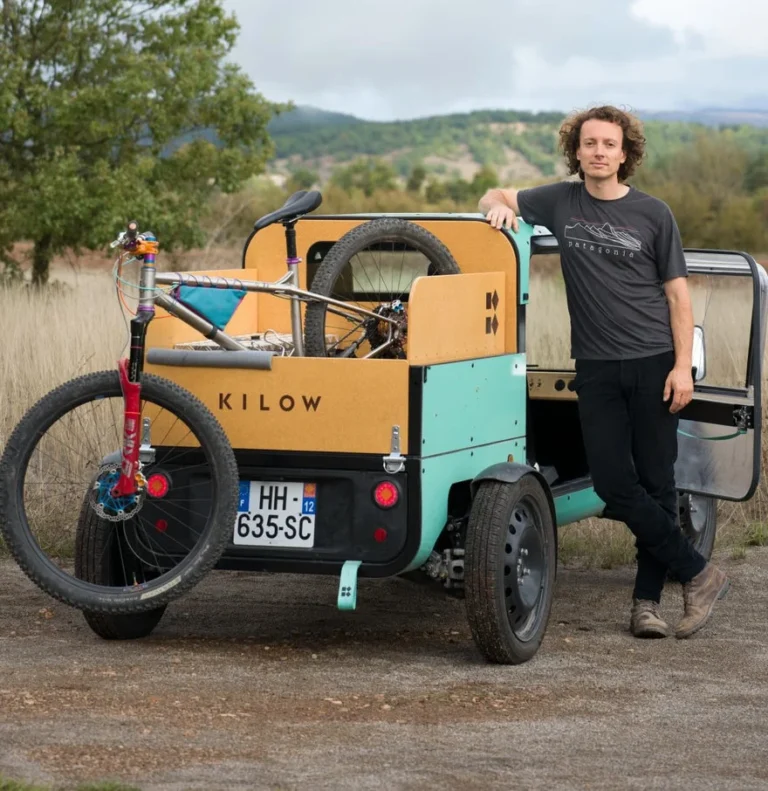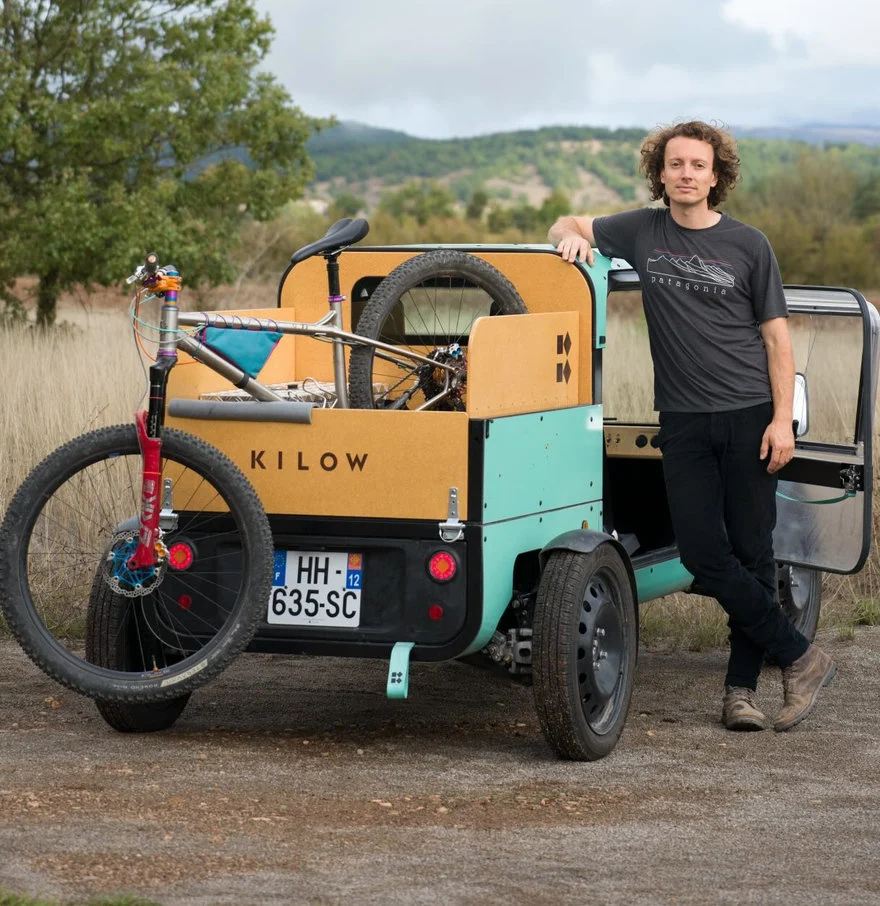
In an era defined by bloated SUVs and heavy, tech-laden electric vehicles, the French automotive startup Kilow has introduced a defiant counter-narrative. Their flagship vehicle, La Bagnole—a colloquial French term for "the car" or "the jalopy"—is a masterclass in minimalist design. It is an adorable, functional, and unapologetically funky electric runabout that challenges the necessity of modern automotive excess. By prioritizing utility and efficiency over speed and luxury, Kilow is carving out a niche in the micro-mobility sector, proving that the future of transport might not be a high-performance sports car, but a nimble, stripped-back quadricycle.
Main Facts: A Vehicle Designed for Utility and Fun
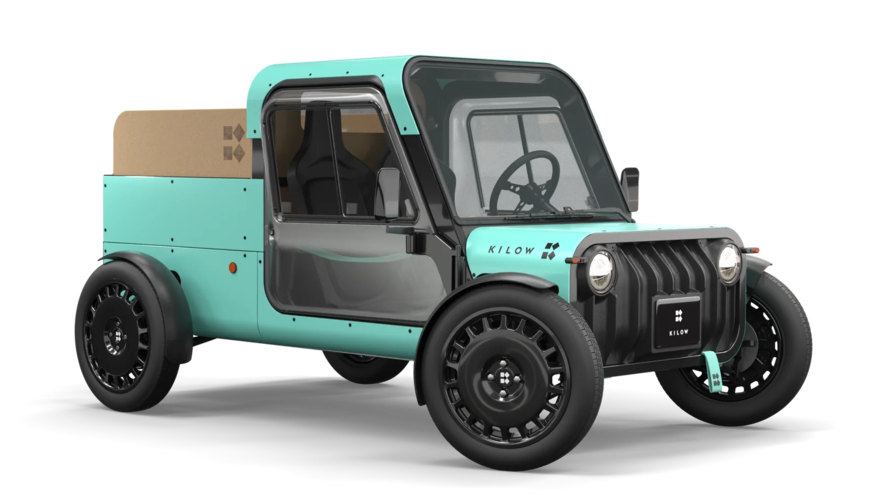
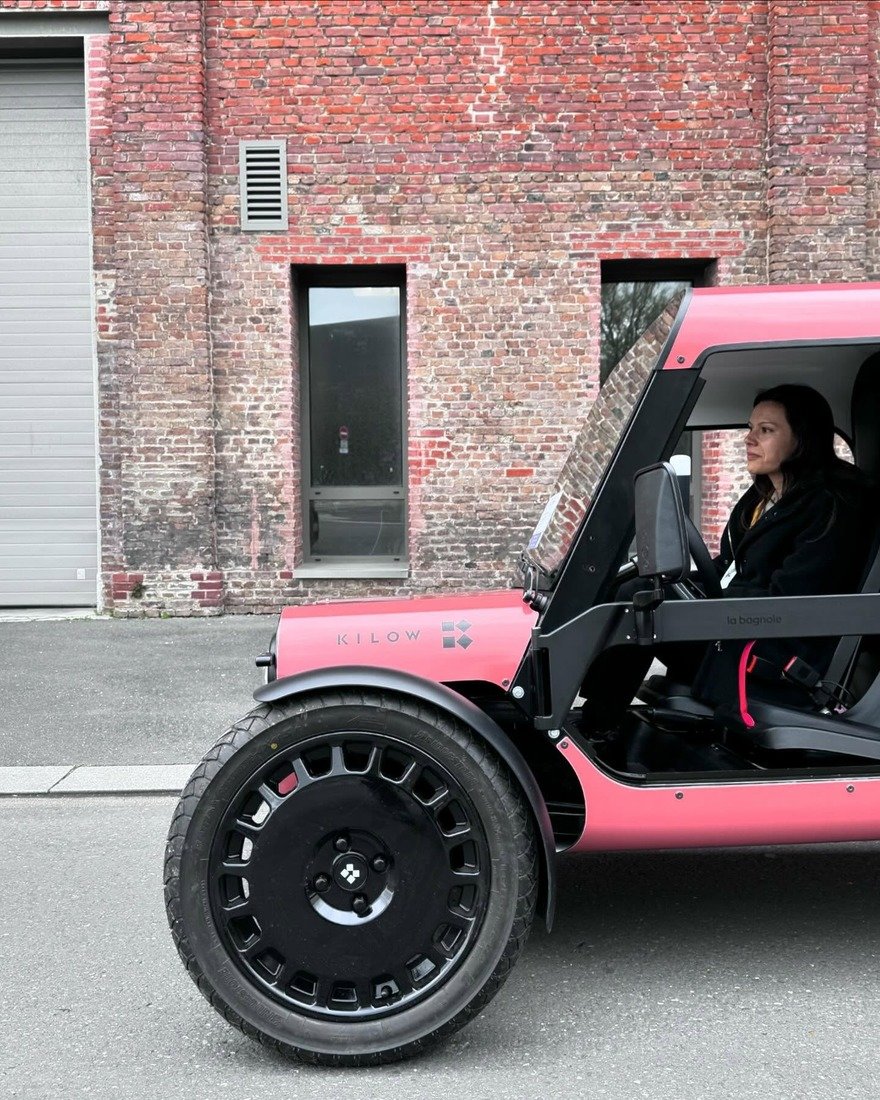
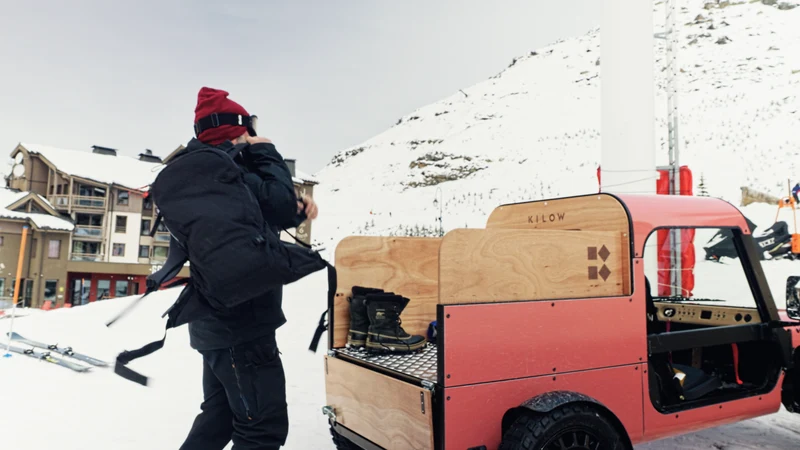
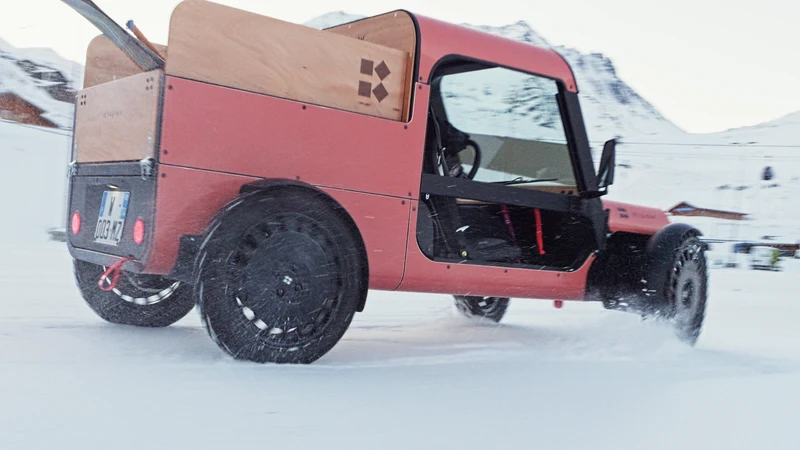
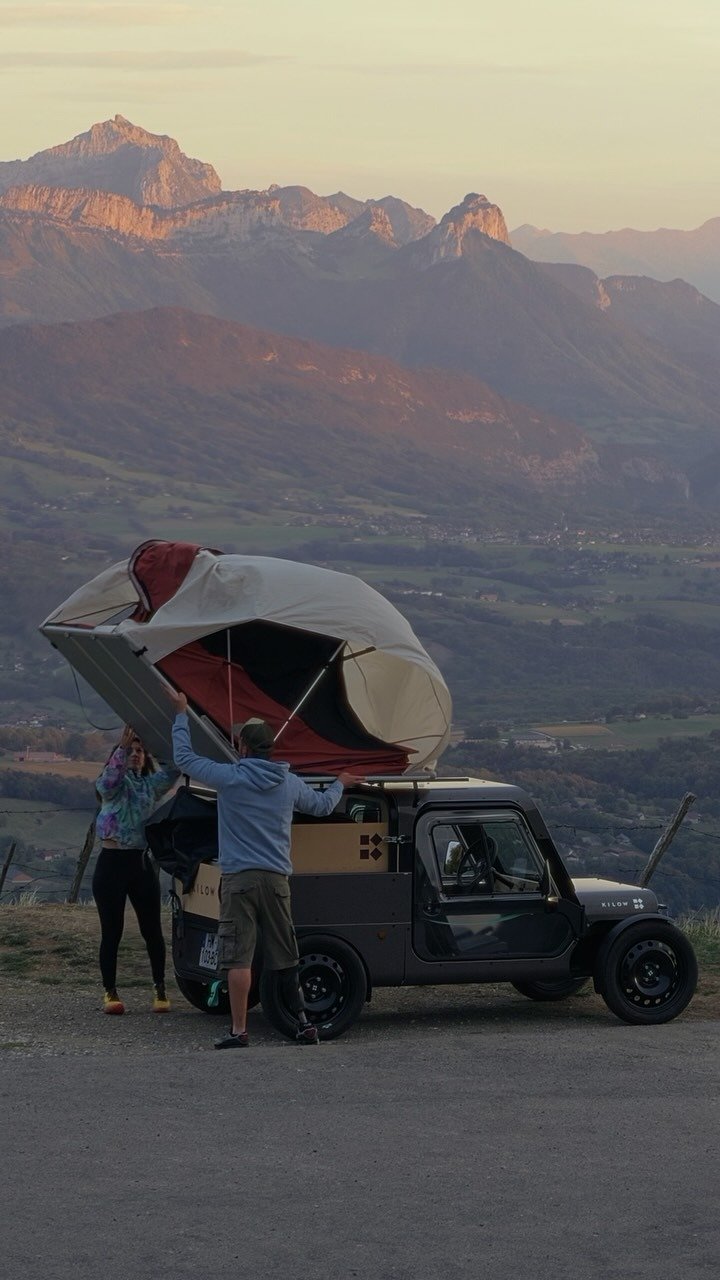
At its core, La Bagnole is a hybrid of recreation and workhorse. Designed by the visionary transportation designer Léo Choisel, the vehicle strikes a balance between a rugged off-road buggy and a practical pickup truck. Its aesthetic is industrial yet charming, featuring clean lines, a boxy frame, and a sense of "form follows function" that is rare in today’s consumer market.
The vehicle is remarkably lightweight, tipping the scales at just 357 kilograms (787 lbs). This featherweight construction is central to its efficiency, allowing it to operate effectively with a modest electric powertrain. Despite its compact footprint, it remains capable of carrying a payload of up to 150 kilograms (331 lbs).
It is important to note that La Bagnole is not legally classified as a passenger car. Under French and European Union regulations, it falls into the category of a "quadricycle." This classification is crucial, as it exempts the vehicle from the rigorous (and expensive) safety and emissions testing required for full-sized automobiles, while simultaneously limiting its top speed to suit urban and rural environments rather than highways.
The Chronology: From Concept to European Expansion
The development of La Bagnole is a testament to the agility of boutique automotive manufacturers. While major OEMs spend years in development hell, Kilow moved from the drawing board to production with remarkable speed.
- Conceptualization (The Design Phase): Léo Choisel approached the project with a philosophy of "subtractive design." By removing everything unnecessary, he aimed to reduce the environmental footprint and the complexity of maintenance.
- Prototyping: The initial prototypes were tested in diverse environments, ranging from coastal towns to rural farm tracks, proving the vehicle’s versatility.
- Production Launch: Kilow officially launched La Bagnole in the French market, quickly establishing a presence in niche tourism, light logistics, and rural utility sectors.
- Retail Network Establishment: Kilow moved rapidly to establish a physical footprint, opening 15 dedicated dealerships across France. This strategy allowed them to build trust with local customers who prioritize serviceability.
- The Continental Pivot: As of 2024, the company is in the midst of an ambitious expansion strategy, targeting wider European markets where urban congestion and environmental mandates are driving demand for compact EVs.
Supporting Data: Efficiency and Pricing
One of the most compelling arguments for La Bagnole is its price point and operational efficiency. In a market where EVs often command a premium, Kilow has kept the barrier to entry low.
Pricing Tiers
- The Standard Model: Priced at approximately €10,800 ($12,020 USD), this model offers a range of 70 kilometers (43 miles). It is designed primarily for short-range urban commuting, campus logistics, and light farm use.
- The Long-Range Model: For those requiring more flexibility, the extended-range version retails for €13,690 ($15,230 USD). This iteration boasts a 164-kilometer (102-mile) range, significantly increasing its utility for those living in peri-urban or rural areas.
The engineering behind these figures relies on a high power-to-weight ratio. Because the chassis is so light, the battery packs—while small by industry standards—provide impressive longevity, effectively proving that weight is the enemy of range.
Official Responses and Strategic Vision
Kilow’s leadership has been vocal about their mission to "de-complicate" the driving experience. In various industry interviews, the team behind the project has emphasized that La Bagnole is not meant to compete with a Tesla or a Volkswagen. Instead, it is meant to solve the "last mile" problem and provide a sustainable alternative for people who do not need the performance capabilities of a traditional car.
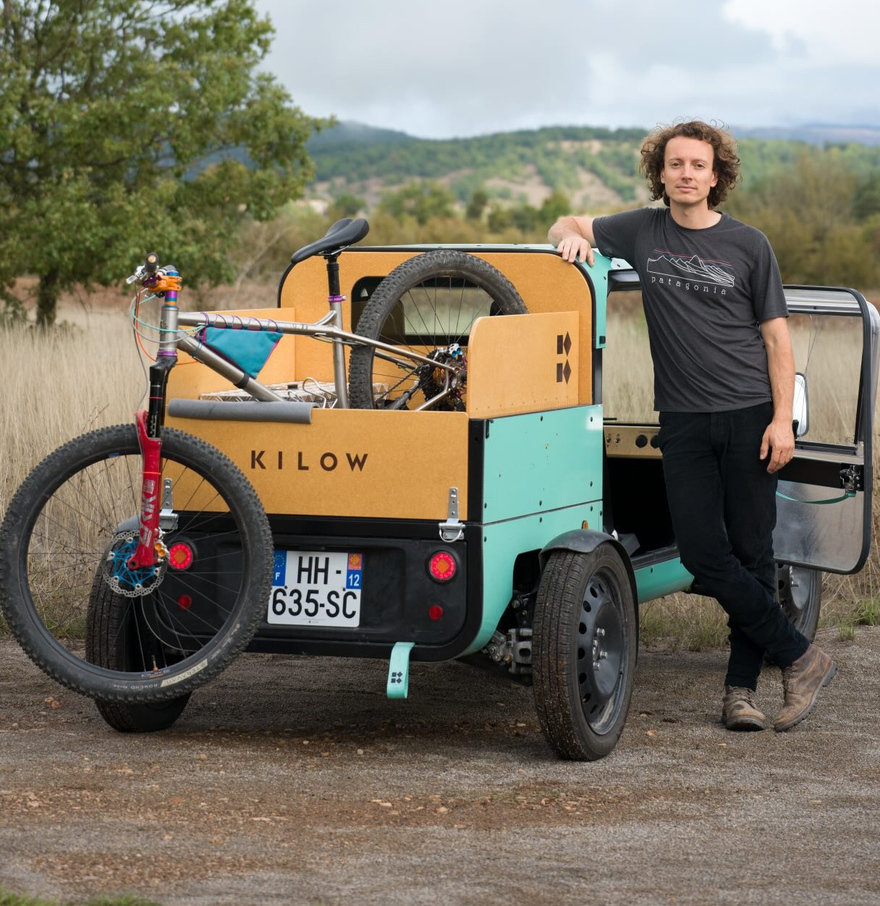
"We aren’t trying to replace the family SUV," a company representative noted during the launch phase. "We are trying to replace the need for an SUV when you are just going to the bakery, the garden, or the beach."
By focusing on local manufacturing and a repairable design, Kilow is also tapping into the "Right to Repair" movement. Their goal is to make the vehicle as easy to fix as a bicycle, utilizing modular components that can be replaced by the owner or a local mechanic without specialized computer diagnostics.
Implications: Can the Quadricycle Disrupt the Market?
The rise of La Bagnole carries significant implications for the future of urban mobility and personal transportation.
1. The Death of Automotive Over-Engineering
For decades, the automotive industry has been caught in a "feature creep" cycle. Cars have become heavier, more powerful, and more complex. La Bagnole serves as a proof-of-concept that there is a demand for a "back-to-basics" approach. As energy costs rise and urban spaces become more constrained, vehicles like this could become the default choice for millions.
2. The Geographic Barrier
While the vehicle is a hit in France, its path to the United States remains blocked by regulatory red tape. U.S. Federal Motor Vehicle Safety Standards (FMVSS) are notoriously stringent, requiring complex crash testing and safety features like airbags and advanced braking systems that would necessitate a complete redesign of La Bagnole. Consequently, while the vehicle represents a brilliant solution for European streets, it is unlikely to see a U.S. launch in the near future. This highlights the ongoing divergence between global transportation policies.
3. Sustainability via Minimalism
The environmental impact of an EV is not just measured at the tailpipe; it is measured in the mining of lithium and the energy required to produce the chassis. By using fewer materials, a smaller battery, and a lighter frame, La Bagnole has a drastically lower "cradle-to-gate" carbon footprint than a standard electric sedan. This makes it an ideal candidate for "green" transport initiatives in municipal planning.
4. A Shift in Consumer Identity
Perhaps the most interesting implication is the change in how consumers perceive their vehicles. La Bagnole isn’t a status symbol in the traditional sense. It is a tool. It is a piece of lifestyle equipment, much like a surfboard or a lawnmower. By stripping away the prestige associated with luxury vehicles, Kilow is appealing to a demographic that values utility, honesty, and environmental responsibility over horsepower and leather seats.
Conclusion: A Small Footprint with a Big Future
As the automotive landscape shifts toward electrification, the industry is searching for its identity. Will the future be dominated by massive, battery-heavy trucks, or will it find room for the nimble, the efficient, and the charming?
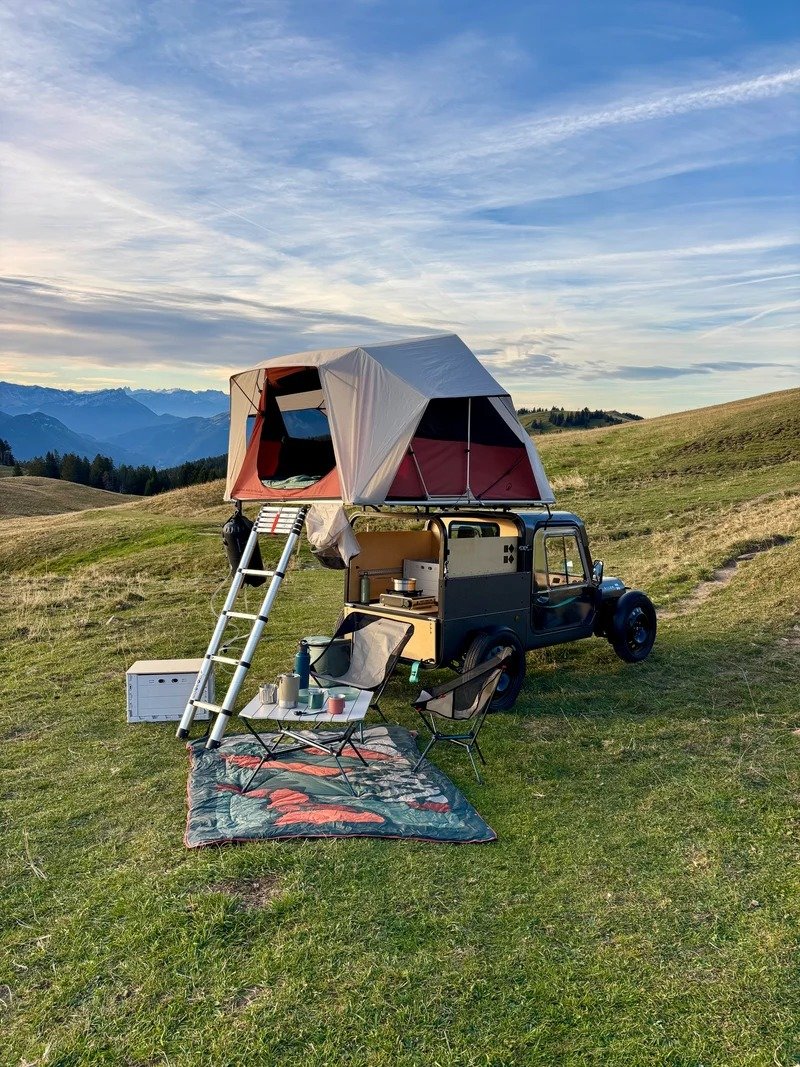
Kilow’s La Bagnole suggests that there is a vital middle ground. While it may never conquer the American highway or challenge the record-breaking speeds of performance EVs, it succeeds exactly where it needs to: in the practical, daily lives of its users. It is a reminder that sometimes, less really is more. In the narrow streets of French villages and the bustling centers of European cities, the future of the car might just look a lot like this funky, electric, and utterly refreshing runabout.
As Kilow continues to expand its footprint across the continent, the success of La Bagnole will serve as a bellwether for the micro-mobility market. If they continue to succeed, we may see a wave of similar "lightweight" vehicles emerging, eventually forcing the industry to reconsider whether our obsession with heavy, oversized cars is truly the path forward. For now, La Bagnole stands alone—a small, bright spot of innovation in a world of automotive giants.
About the Author