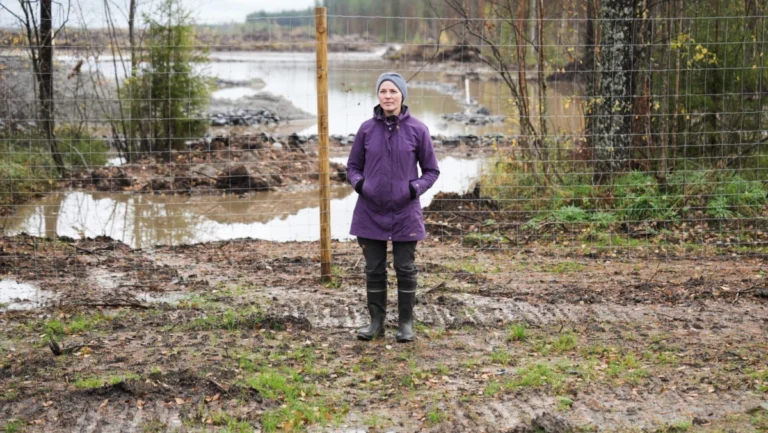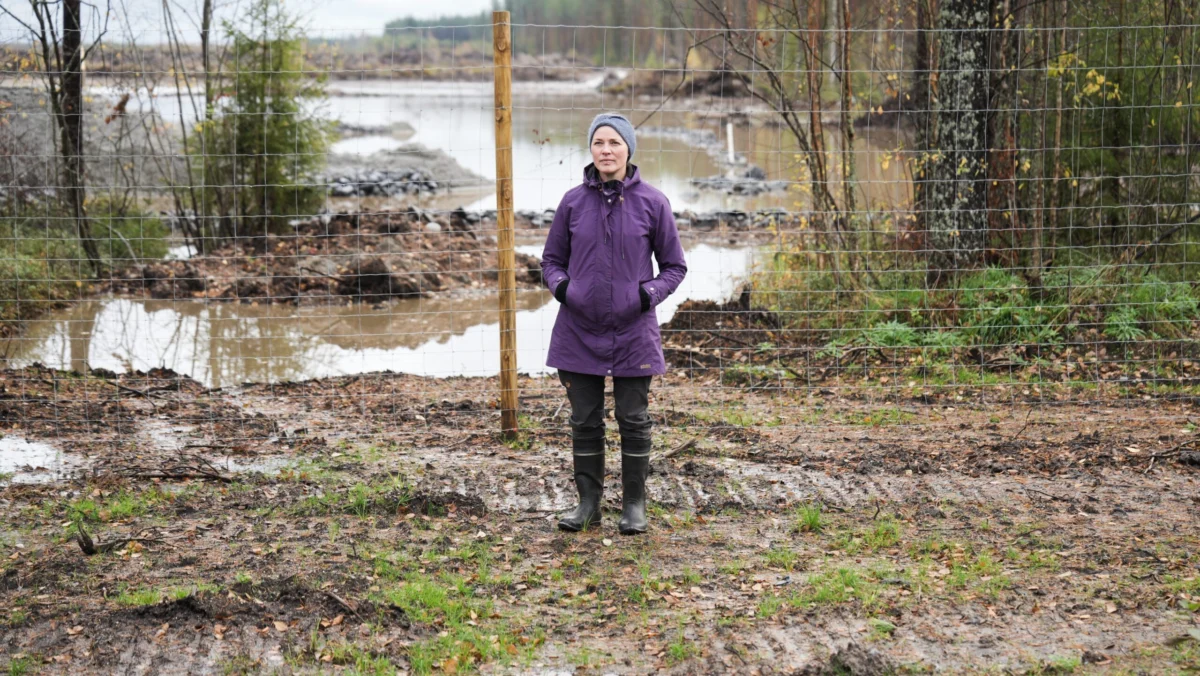
In the remote northern Finnish town of Muhos, the horizon—once defined by a dense, tranquil expanse of evergreen forest—has been irrevocably altered. Where an estimated 250,000 trees once stood, there is now only a sprawling, desolate wasteland of mud, exposed roots, and industrial debris. This site, a 815-acre scar on the landscape, is the front line of a burgeoning conflict between global tech giants and the preservation of the Nordic environment.
Google’s unauthorized clearing of this land, followed by a similar incident in the village of Otanmäki, has triggered a nationwide outcry in Finland. The controversy has forced a government that had pinned its economic hopes on the “data economy” to confront the ecological and social costs of hosting the massive infrastructure required to fuel the global artificial intelligence boom.
The Chronology of a Controversy
The seeds of the current crisis were sown as Google sought to secure sites for its massive $17 billion AI infrastructure expansion. Finland, prized for its geopolitical stability, cool climate—which reduces the energy costs of cooling massive server farms—and abundant land, became a primary target for the tech giant.
- Initial Land Acquisition: Google acquired vast tracts of forest in Muhos and Otanmäki, promising economic revitalization and investment.
- The Clear-Cutting: In the months leading up to October 2026, heavy machinery descended on these sites. Without waiting for the completion of mandatory environmental impact assessments (EIAs), Google proceeded to strip the land bare, reportedly removing even the topsoil.
- The Regulatory Intervention: On October 6, 2026, the Finnish Licensing and Supervision Authority (LVV) intervened, ordering an immediate cessation of all work at both the Muhos and Otanmäki sites. The authority cited the company’s failure to adhere to legal environmental permitting processes.
- The Public Reckoning: Following the stoppage, the scale of the destruction became public, sparking widespread outrage among environmentalists, local residents, and political analysts.
- The Apology: Facing intense pressure, Google’s Finland country manager, Antti Järvinen, issued a formal apology, though he qualified the move by claiming the company had acted on its “best understanding” of the legislation at the time.
Supporting Data: The Scale of Environmental Disruption
The environmental impact of these clearings is profound. Beyond the loss of 400,000 trees—250,000 in Muhos and an estimated 150,000 in Otanmäki—local conservationists point to the immediate degradation of surrounding ecosystems.
Mari Annala, an ecologist with the Finnish Association for Nature Conservation (SLL), noted that the lack of soil management has led to sediment-heavy, brown runoff flowing directly into streams feeding the Oulujoki River. The destruction of these habitats has also caused a displacement of local wildlife. Anni Ranta, a resident of Otanmäki, reported that wolves, forced out of their natural habitat by the destruction, have begun wandering into the village, causing significant alarm.
Furthermore, the illegal nature of the logging has created a bureaucratic headache: because the trees were felled in violation of environmental law, the timber cannot be sold to domestic wood-processing plants, leaving a massive volume of fallen trees as waste.
Official Responses and Corporate Defenses
The responses to the scandal have highlighted a deep divide between government priorities and public sentiment.
The Government’s Dilemma
Prime Minister Petteri Orpo’s administration has championed these projects as a "top priority," viewing the data center boom as an essential component of Finland’s economic future. When the scandal broke, Orpo described the incident as a “cold shower,” acknowledging the severity of the public backlash. However, the government remains in a precarious position; with an aging population and youth flight to major European hubs like Berlin and Paris, officials fear that turning away these investments could permanently stifle the regional economy.
Google’s Stance
Google has attempted to frame the incident as a misunderstanding of regulatory requirements rather than a deliberate violation. In a statement, a spokesperson asserted: “We have operated in Finland for 15 years and have always worked to meet or exceed zoning, environmental, health, and safety requirements.”

Regarding the environmental fallout, the company has pledged to plant trees across 74 acres of the Muhos site. However, experts like Annala argue that this remediation plan is a "drop in the bucket" compared to the sheer scale of the original deforestation and the disruption to local soil and water tables.
The Economic and Geopolitical Implications
The debate over the data centers has moved beyond environmentalism to encompass broader questions about national sovereignty and the utility of the "data economy."
Economic Disillusionment
Jussi Kangasharju, head of computer science at the University of Helsinki, has emerged as a vocal skeptic of the government’s narrative. Kangasharju argues that the economic benefits are largely illusory. “Really, for Finland, there are no benefits,” he noted. “They are international companies serving international customers. Very little corporate taxes go to Finland. Data centers ultimately have very little benefit for others except the data center operator.”
The "American-Style" Critique
Many local residents have expressed frustration with the "American style" of development—characterized by speed and scale at the expense of local consultation. This has fostered a sense of betrayal. The fact that these projects were pushed through municipalities hungry for tax revenue, often without a holistic national assessment, has led to calls for a centralized regulatory body to oversee future infrastructure projects.
Security and Geopolitics
The debate has also touched upon national security. Finland, which shares a long, historically sensitive border with Russia, has faced increased scrutiny regarding the location of strategic infrastructure. Residents like Anni Ranta have voiced concerns that housing massive, critical data hubs makes their communities potential targets in a changing geopolitical climate, adding a layer of existential anxiety to the environmental concerns.
A National Turning Point
As Finland approaches a pivotal election in April, the Google data center saga is poised to become a central campaign issue. The incident has mobilized public opinion, with over 93,000 citizens signing a petition demanding stricter regulation and the implementation of environmental compensation fees for local communities.
For the people of Muhos and Otanmäki, the transformation is visceral. The sound of heavy machinery, the loss of ancient forest, and the altered flow of local streams serve as daily reminders of a conflict that pits the digital future of the world against the natural heritage of the North.
As Vesa Hyyryläinen, an osprey expert and local SLL district chair, poignantly summarized: “I wonder why we have to sacrifice so much of our nature. They give everything away too easily.”
Whether the Finnish government will pivot toward a more cautious, transparent approach to industrial development remains to be seen. For now, the muddy, scarred earth of Muhos stands as a silent witness to a country asking itself a difficult question: What is the true price of progress in the age of AI?
About the Author