Introduction: The Evolving Landscape of American Communities
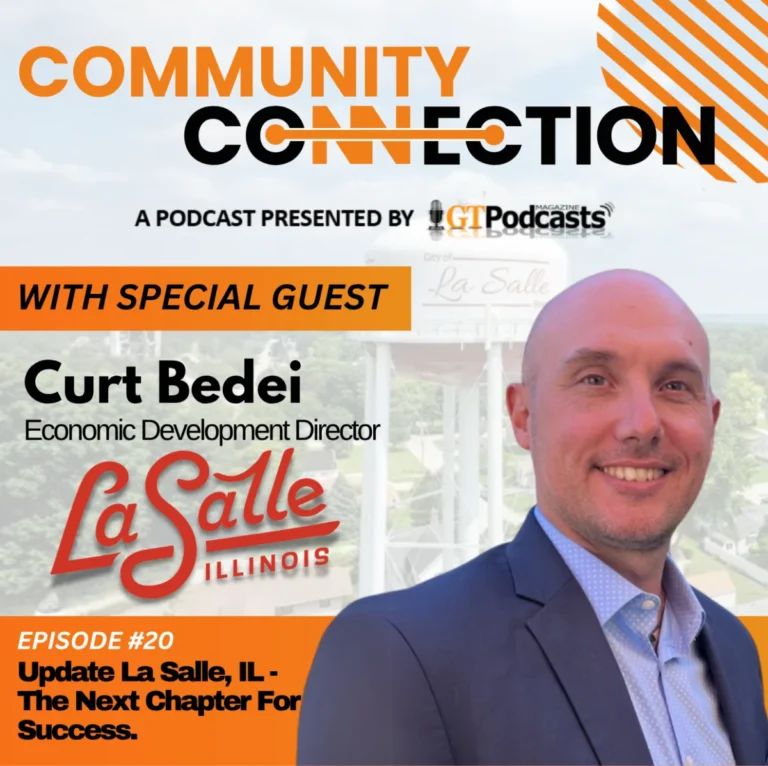
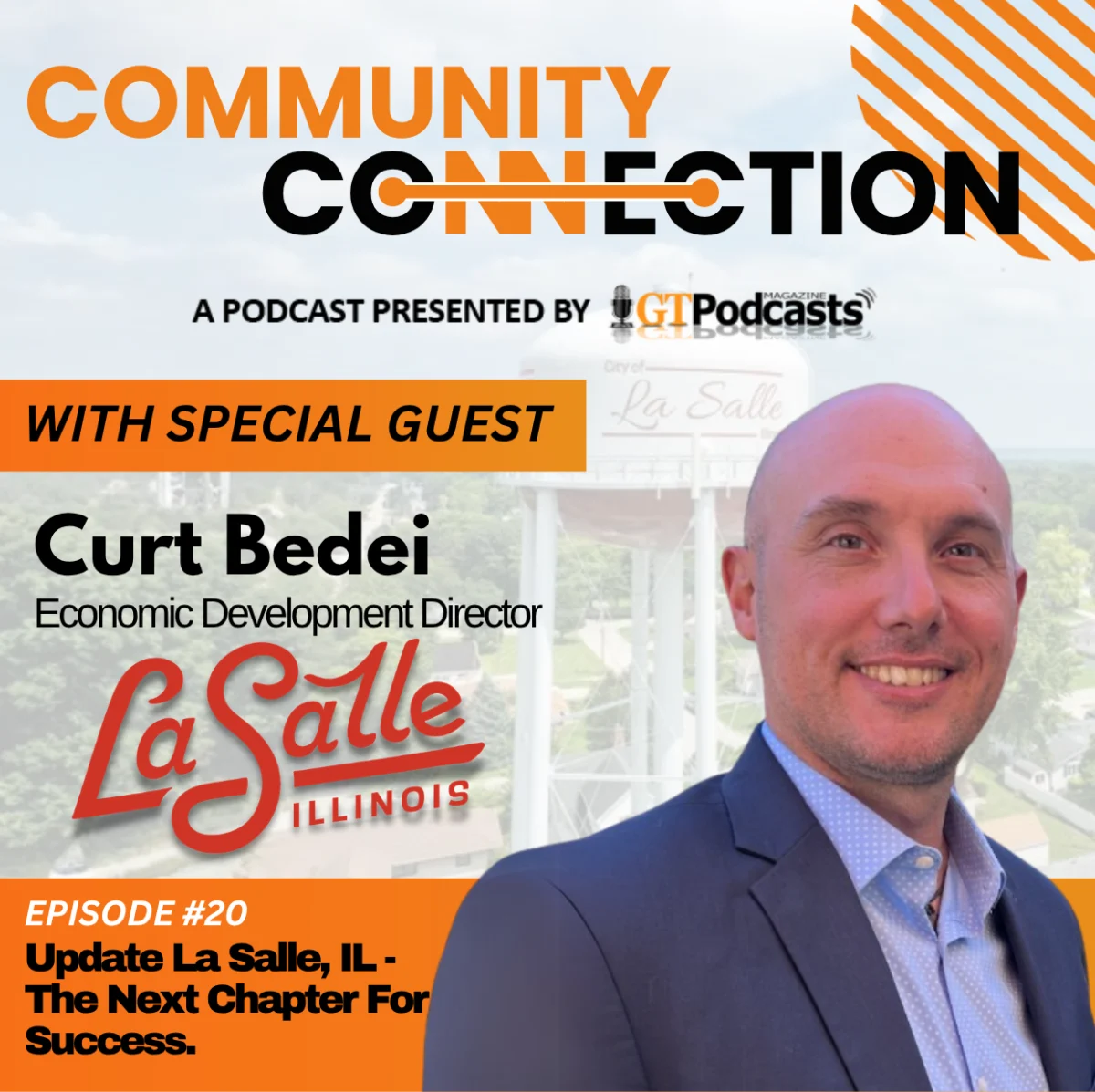
In the contemporary landscape of American commerce, the "flyover" perception of mid-sized industrial towns is rapidly dissolving. As corporations move away from the prohibitive costs of major metropolitan hubs, cities like La Salle, Illinois, are finding themselves at the center of a strategic evolution. The latest episode of the Community Connection Podcast (Episode 20) provides an intimate look at this transformation, featuring an in-depth conversation with Curt Bedel, La Salle’s Economic Development Director.
The discussion serves as a blueprint for how municipalities can pivot toward sustainable growth by balancing industrial heritage with modern economic requirements. For stakeholders ranging from site selectors to corporate CEOs, La Salle represents a compelling case study in intentional, data-driven community revitalization.
Main Facts: The Strategic Rebranding of La Salle
La Salle, situated along the Illinois River and strategically positioned at the intersection of major transit corridors, has long been a bedrock of industrial activity. However, the current strategy led by officials like Curt Bedel moves beyond traditional manufacturing reliance. The core pillars of the city’s current economic development strategy include:
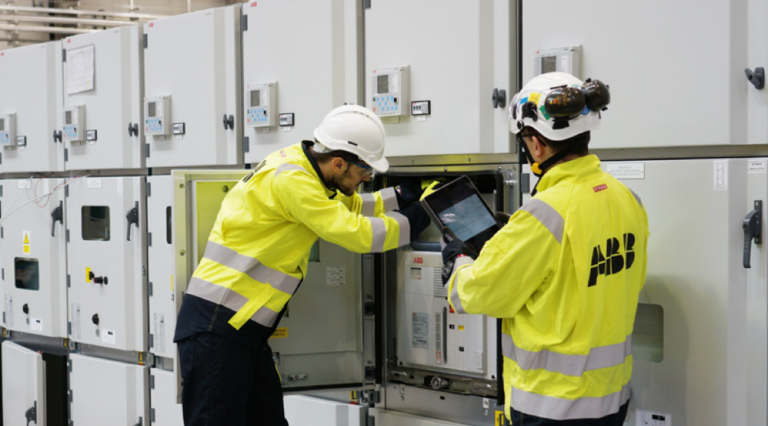
- Infrastructure Optimization: Upgrading legacy systems to support modern logistics and high-tech manufacturing.
- Targeted Business Recruitment: Moving away from passive attraction toward a proactive, relationship-based recruitment model that targets businesses whose needs align with the city’s specific geographic and labor advantages.
- Public-Private Synergy: Fostering a regulatory environment that incentivizes private investment while protecting community interests.
- Quality of Life Initiatives: Recognizing that economic development is inextricably linked to the amenities and lifestyle offerings that attract and retain a skilled workforce.
The episode highlights that success is no longer about simply offering tax breaks; it is about creating an "ecosystem of efficiency" where businesses can hit the ground running.
Chronology: A Trajectory of Transformation
To understand where La Salle is going, one must examine the timeline of its recent pivot.
Phase 1: The Foundation (Historical Context)
For decades, La Salle functioned as a regional industrial hub, defined by its access to the Illinois and Michigan Canal and later, the interstate highway system. This era established the community’s resilience but left it vulnerable to the cyclical nature of traditional manufacturing.
Phase 2: The Identification of the "Next Chapter" (2018–2022)
Recognizing that regional competition was intensifying, local leadership began a systematic review of the city’s assets. This period saw the strengthening of the economic development department, with a renewed focus on regional cooperation and the streamlining of zoning and permit processes.
Phase 3: The Present Strategy (2023–Present)
Under the leadership of Curt Bedel, the city has transitioned into a phase of active branding and outreach. The focus has shifted toward "shovel-ready" site development and the cultivation of partnerships with regional educational institutions to ensure a talent pipeline that meets the needs of incoming industries.
Supporting Data: Why Mid-Sized Communities Win
The economic argument for La Salle—and communities like it—is rooted in shifting corporate demographics. As site selectors evaluate future investments, they are increasingly prioritizing the following metrics, which La Salle is currently optimizing:
1. The Cost-of-Doing-Business Index
Compared to major coastal and Tier-1 urban centers, La Salle offers a significant reduction in overhead costs. This includes land acquisition, utility rates, and the tax burden on capital-intensive machinery. For businesses operating on tight margins, this is a decisive factor.
2. Logistics and Proximity
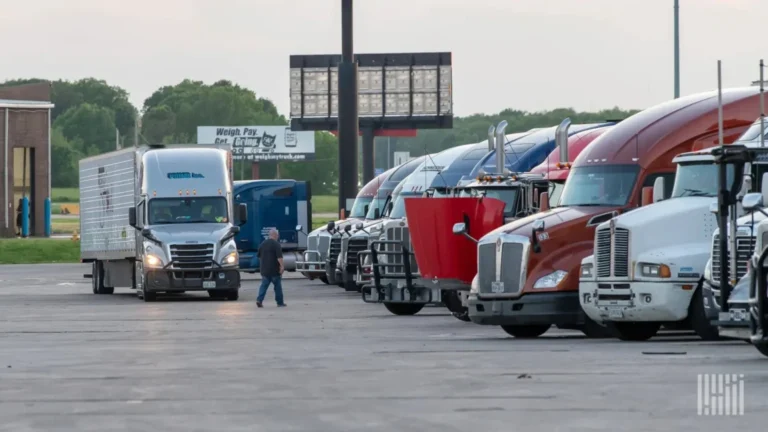
La Salle benefits from a prime location in the Midwest. With proximity to the Interstate 80 corridor, the city serves as a critical node for logistics. Data indicates that businesses situated within a one-day drive of 60% of the U.S. population maintain a distinct competitive advantage in supply chain management.
3. Workforce Stability
While major metros suffer from high employee turnover rates, mid-sized industrial communities like La Salle report higher indices of workforce loyalty. The "community feel" that Bedel emphasizes acts as a retention tool, reducing the long-term recruitment and training costs for corporate partners.
Official Responses: Insights from Curt Bedel
In the interview, Curt Bedel addresses the "why" behind La Salle’s recent momentum. His perspective is rooted in the philosophy that economic development is a "contact sport."
"It’s not enough to hope that a business decides to land here," Bedel notes. "We have to demonstrate the ROI of our community from day one."
Bedel emphasizes that the city’s goal is to move beyond the traditional "landlord-tenant" relationship between city hall and local businesses. Instead, he advocates for a collaborative model where the city acts as a facilitator. By addressing common pain points—such as workforce training gaps or regulatory bottlenecks—before they become crises, La Salle has successfully positioned itself as a business-friendly environment.
"We are building a foundation that is designed for the next fifty years, not just the next fiscal cycle," Bedel stated during the podcast. This forward-looking stance is a key differentiator in a market often plagued by short-term thinking.
Implications: The Road Ahead for Site Selectors
What does this mean for the professional audience listening to the Community Connection Podcast? The implications are three-fold.
1. For Corporate Decision-Makers
If your firm is seeking to expand or relocate, the "Big City" bias may be costing you millions in unnecessary overhead. La Salle offers a high-utility environment with a workforce that is both skilled and stable. The current momentum in the city suggests that now is the optimal time to secure prime industrial or commercial space before market saturation drives prices higher.
2. For Economic Development Professionals
La Salle’s model serves as a masterclass in regional branding. By leveraging its history while simultaneously upgrading for the future, the city has created a compelling narrative. Peers in other municipalities should look toward La Salle’s collaborative framework—specifically its focus on public-private partnerships—as a template for their own regional efforts.
3. For the Local Community
The "next chapter" isn’t just about corporate entities; it is about the long-term prosperity of the local citizenry. The shift toward a more robust economic base implies better job security, increased tax revenue for public services, and the secondary growth of the local service and retail sectors.
Conclusion: A Community Worth Watching
The transformation of La Salle is a testament to the power of strategic vision combined with persistent, boots-on-the-ground execution. As the Community Connection Podcast explores in its 20th episode, the city is not merely waiting for success to arrive; it is actively constructing the infrastructure, partnerships, and environments necessary to ensure that growth is inevitable.
For those in the industry—and those who care about the health of the American Heartland—La Salle is a clear example of how to navigate the modern economic landscape. The city’s transition from a legacy industrial hub to a dynamic center for new investment is a narrative that is only just beginning.
Key Takeaways for Listeners:
- Strategic Planning: Success is rarely accidental; it is the result of long-term vision and alignment.
- Partnership: The most successful communities are those that blur the lines between public oversight and private enterprise.
- The Mid-Sized Advantage: Smaller cities are increasingly capable of providing the infrastructure required by global corporations.
To hear the full discussion with Curt Bedel and gain deeper insights into the specific initiatives driving La Salle’s growth, listeners are encouraged to tune into the full episode on Apple Podcasts or Amazon Music. The future of La Salle is being written today—and it is a story of resilience, innovation, and strategic success.
For more information on the Community Connection Podcast and future episodes, visit the Global Trade Magazine official website. Stay tuned as we continue to track the developments of communities that are redefining the standards for regional economic success.
About the Author