The U.S. trucking industry is facing a period of profound regulatory uncertainty as a federal appeals court considers a high-stakes challenge to the Unified Carrier Registration (UCR) system. The Small Business in Transportation Coalition (SBTC) has launched a legal offensive that seeks to dismantle the current structure of the UCR program, arguing that its very existence is predicated on a failure of federal oversight.
If successful, the lawsuit—filed in the U.S. Court of Appeals for the District of Columbia Circuit (Case No. 26-1297)—could effectively halt the collection of annual registration fees, disrupt the financial lifeline for state-level commercial vehicle safety programs, and force a complete federal overhaul of how motor carriers are registered.
The Core of the Dispute: A Statutory Failure?
At the heart of the litigation is a fundamental disagreement over the statutory legitimacy of the UCR. The program, which requires interstate motor carriers, brokers, and freight forwarders to pay annual fees based on their fleet size, was established by Congress in 2005. Its primary purpose is to provide states with consistent funding for motor carrier safety, roadside enforcement, and data collection.
However, the SBTC contends that the Federal Motor Carrier Safety Administration (FMCSA) bypassed critical legal requirements in the implementation of the program. According to James Lamb, executive director of the SBTC, the FMCSA failed to promulgate the necessary regulations formally establishing the UCR system as mandated by 49 U.S.C. §13908.
"Because the UCR system was never lawfully established, the UCR Board of Directors, the UCR Agreement that the board wrote, and every single fee rule ever set under the authority of the UCR Agreement are all illegal," Lamb stated in an interview with FreightWaves.
The coalition argues that by failing to go through the formal rulemaking process, the program lacks a proper legal foundation. They contend that the UCR should be subject to more rigorous direct federal oversight, particularly regarding the handling of sensitive financial data and the management of registration funds.
Chronology of the Conflict
The friction between the SBTC and the UCR administrative body is not a new phenomenon. The current legal challenge represents the culmination of years of mounting tension regarding data security, administrative transparency, and fee increases.
- 2005: Congress enacts legislation creating the UCR Plan to replace older state-based registration systems.
- 2019: A security vulnerability is discovered within the UCR registration website. The SBTC alleges that the flaw exposed the personally identifiable information (PII), including Social Security numbers, of thousands of registrants.
- March 2019: The UCR Plan terminates the transfer of PII from the FMCSA to its own systems, according to executive director Avelino Gutierrez.
- 2024: The FMCSA issues a final rule increasing UCR fees for the 2027 registration year by approximately 20%.
- June 2026: The D.C. Circuit Court denies an initial SBTC request to pause rulemaking, though the court does not address the substantive merits of the coalition’s legal arguments.
- October 1, 2026: Registration for the 2027 UCR cycle officially opens.
- October 13, 2026: The SBTC files a formal complaint with the U.S. Department of Transportation’s Office of Inspector General, calling for an audit of the UCR’s IT infrastructure.
- October 26, 2026: The SBTC files a motion for expedited consideration in the D.C. Circuit Court, citing the fast-approaching 2027 enforcement deadline.
Supporting Data and Financial Stakes
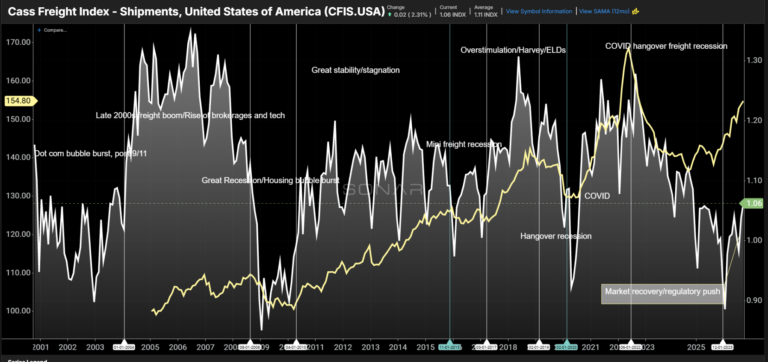
The 2027 registration cycle is particularly contentious because it includes a significant fee hike. For motor carriers already struggling against a soft freight market and high operational overhead, the 20% increase is viewed as an unnecessary burden.
However, the economic impact extends far beyond the carrier’s wallet. The UCR system acts as a primary revenue stream for state agencies that conduct roadside inspections and commercial vehicle enforcement. If the court were to issue an injunction halting fee collections, states would see a sudden, drastic drop in funding for these critical safety activities.
Avelino Gutierrez, executive director of the UCR Plan, has been vocal about the potential fallout. "If the United States Court of Appeals for the District of Columbia Circuit were to set aside the 2027 fee rule and/or halt UCR fee collections, then registration operations, fee collections, and the distributions of funds to the states could be greatly affected," Gutierrez noted.
He further emphasized that many states rely on these funds not as a general slush fund, but as a dedicated budget for equipment, personnel, and training essential to keeping the nation’s highways safe.
Official Responses and Conflicting Interpretations
The FMCSA and the UCR Plan maintain that the system is fully compliant with federal law. In its September final rule, the agency reaffirmed its stance that Congress established the UCR Plan and its fee-collection requirements under 49 U.S.C. §14504a, providing sufficient legal authority for the program to continue its operations.
Gutierrez dismissed the SBTC’s claims of illegality, stating, "Without arguing the merits of the case here, the UCR Plan strongly believes it was lawfully established under 49 U.S.C. Section 14504(a) et seq."
Regarding the privacy allegations, the UCR Plan acknowledges the 2019 incident but characterizes it as a localized, corrected vulnerability rather than a systemic failure. The UCR Plan’s investigation found that roughly 30,000 registrant accounts were potentially affected, with about 23,000 using Social Security numbers as tax identifiers. While the Plan provided identity-monitoring services at the time, the SBTC continues to press for a broader federal audit of the system’s current data-handling practices.
Implications for the Trucking Industry
For the average owner-operator or fleet manager, the immediate reality is one of "wait and see." Despite the pending litigation, both the UCR Plan and the SBTC (in a surprising alignment of pragmatic advice) agree on one thing: carriers should pay their fees by the December 31 deadline to avoid civil penalties.
"We are not seeking an emergency stay, but we are seeking emergency expedited merits review," Lamb clarified. He emphasized that the SBTC is not encouraging a mass refusal to pay, which would only lead to legal trouble for individual companies. Instead, they are pushing the court to rule on the legality of the program before the 2027 enforcement cycle is fully underway.
The implications of this case are twofold:
- Regulatory Uncertainty: A ruling in favor of the SBTC would create a vacuum. If the current fee rule is invalidated, the FMCSA would be forced to scramble to create a new regulatory framework that satisfies the court’s interpretation of 49 U.S.C. §13908. This would lead to months, or even years, of confusion regarding who owes what and how it should be paid.
- Safety Infrastructure Vulnerability: Any interruption in the funding mechanism could lead to a temporary decline in roadside enforcement capabilities across the country. States operating on tight budgets may be forced to scale back inspections, which could have downstream effects on overall highway safety metrics.
Looking Ahead: The Road to 2027
As the December 31, 2026, deadline approaches, the transportation industry remains in a state of suspended animation. While the UCR Plan continues to accept registrations, the legal shadow cast by the SBTC’s petition adds a layer of anxiety to an already volatile freight market.
The D.C. Circuit Court’s decision on the request for an expedited review will be the next major turning point. If the court moves quickly, the industry might receive clarity before the full weight of the 2027 enforcement begins. If it does not, thousands of trucking companies will continue to pay into a system that is currently being scrutinized for its very right to exist.
Ultimately, the dispute highlights the ongoing tension between federal regulatory bodies and the small businesses they govern. Whether the UCR is found to be a well-intentioned, albeit imperfect, safety program or a legally deficient revenue collection mechanism remains to be determined by the judiciary. Until that verdict is rendered, the UCR system remains the law of the land, and compliance remains the safest path forward for the nation’s commercial drivers.
About the Author