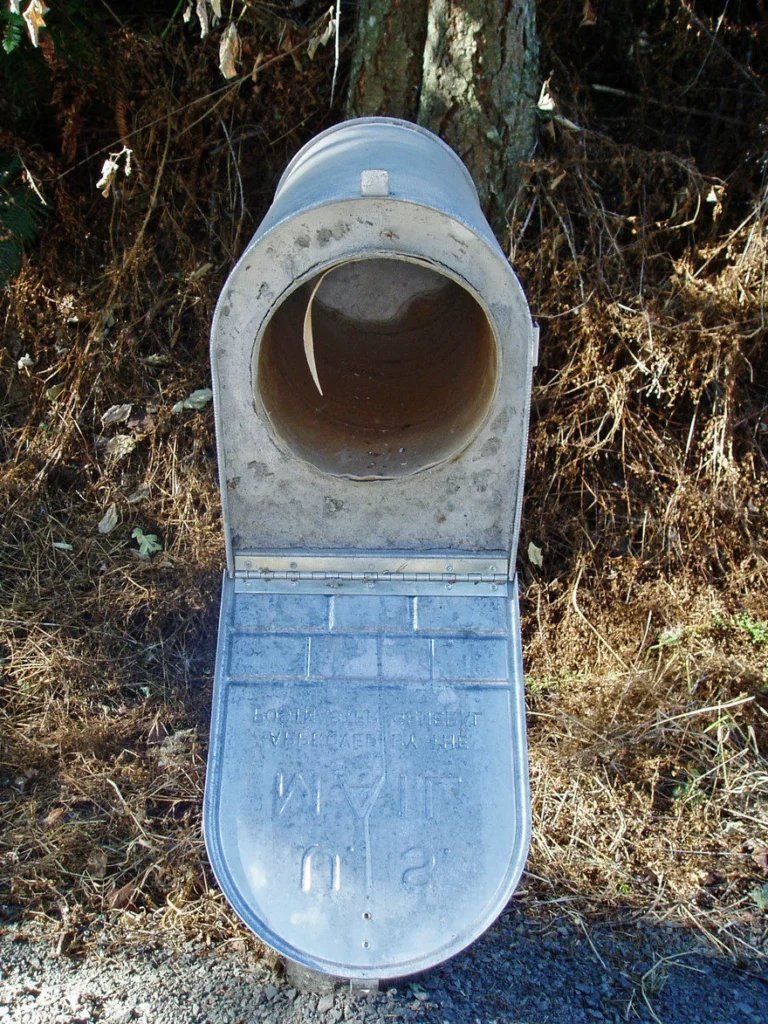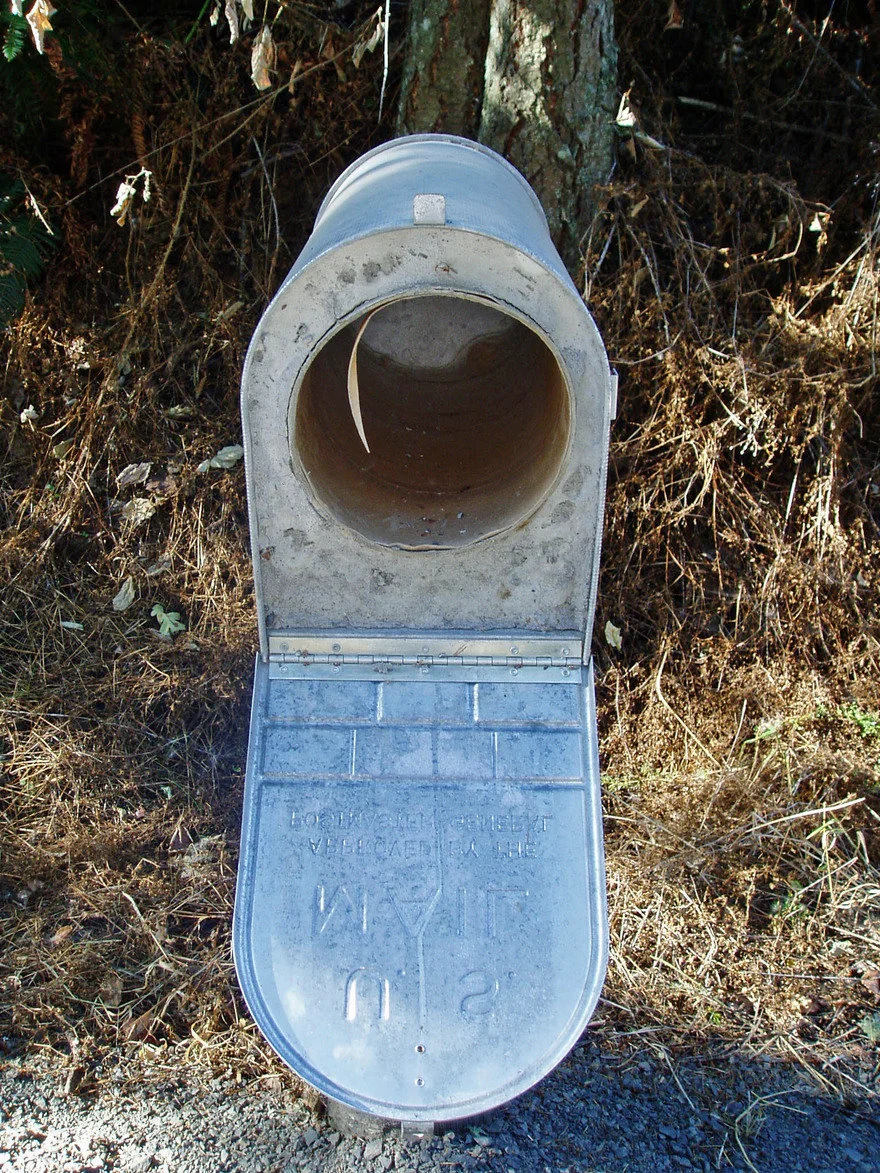
In the quiet stretches of rural America, where the silence of the countryside is occasionally punctured by the hum of a passing engine, a persistent and costly ritual continues to plague homeowners. It is known colloquially as "mailbox baseball"—a destructive pastime that has survived the transition from the analog era into the digital age. While suburban and urban dwellers may consider the mailbox a mundane utility, for those living on long, winding county roads, the mailbox is a front-line defense against isolation. When that defense is compromised by vandals, the response is often swift, creative, and increasingly formidable.
The Anatomy of the Conflict: Mailbox Baseball Defined
Mailbox baseball is a form of vandalism characterized by individuals—typically driving at high speeds—striking residential mailboxes with blunt objects, such as baseball bats, pipes, or metal rods. The motivation is rarely theft; it is almost exclusively an act of adolescent rebellion, boredom, or malice.
For the victims, the damage is more than a mere inconvenience. A smashed mailbox often signifies a breach of property and a violation of the quiet expectation of rural living. Because the United States Postal Service (USPS) mandates that mailboxes be placed at the edge of the roadway for ease of delivery, these structures are inherently vulnerable. They are isolated, unprotected, and easily accessible from a moving vehicle.
A Brief Chronology of a Persistent Nuisance
The phenomenon gained notoriety in the late 20th century, emerging as a staple of suburban and rural folklore.
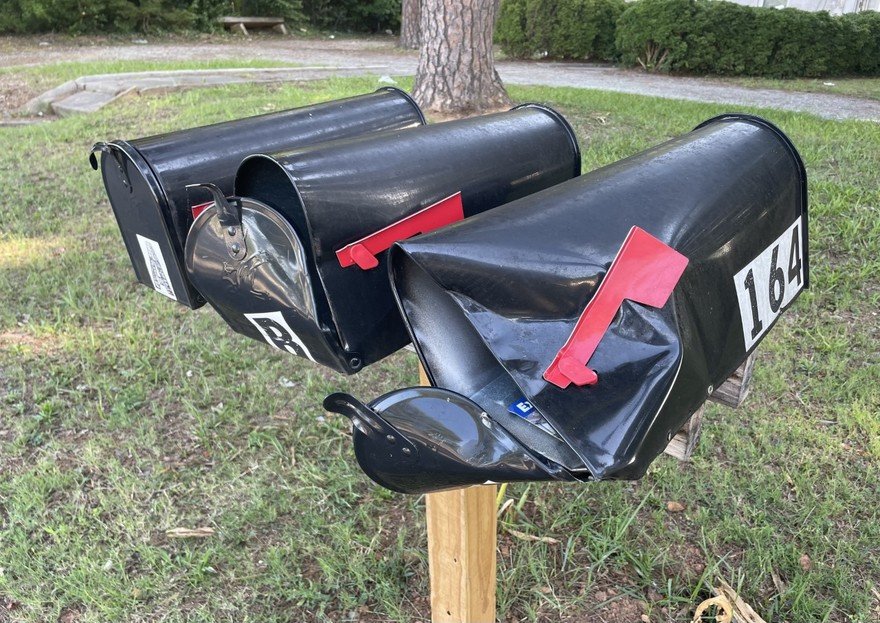
- The 1970s and 80s: As the expansion of the suburbs collided with rural infrastructure, the "hit and run" nature of mailbox vandalism became a common trope in teen culture, frequently referenced in film and television as a rite of passage for delinquent youths.
- The 1990s and 2000s: With the rise of the digital age, many sociologists predicted that the "distraction" of video games and the internet would curb physical vandalism. Statistics, however, showed that the act remained a persistent nuisance, evolving into a challenge often documented and shared in early social media circles.
- The 2020s: Despite the ubiquity of smartphones and high-speed internet, the "tactile" nature of destroying property has not disappeared. Today, homeowners are moving past mere annoyance and into a phase of active, structural counter-insurgency.
The Architecture of Deterrence: From Wood to Steel
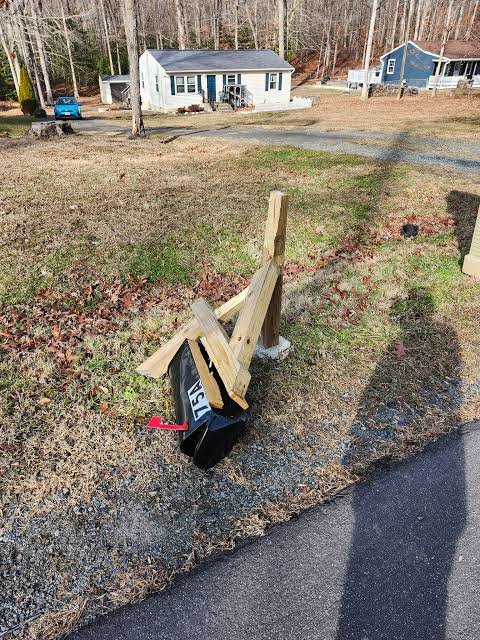
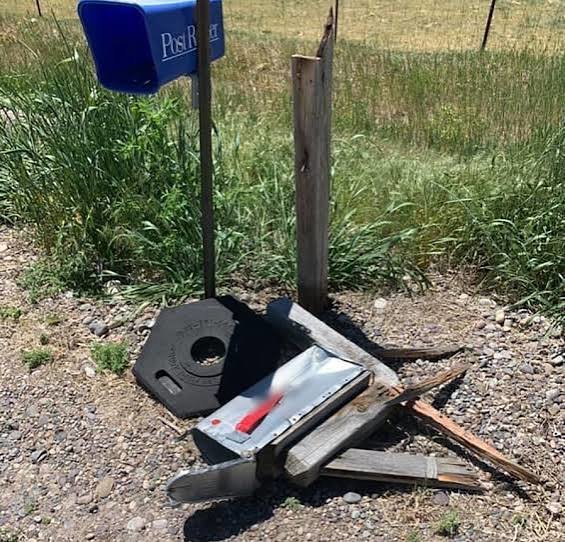
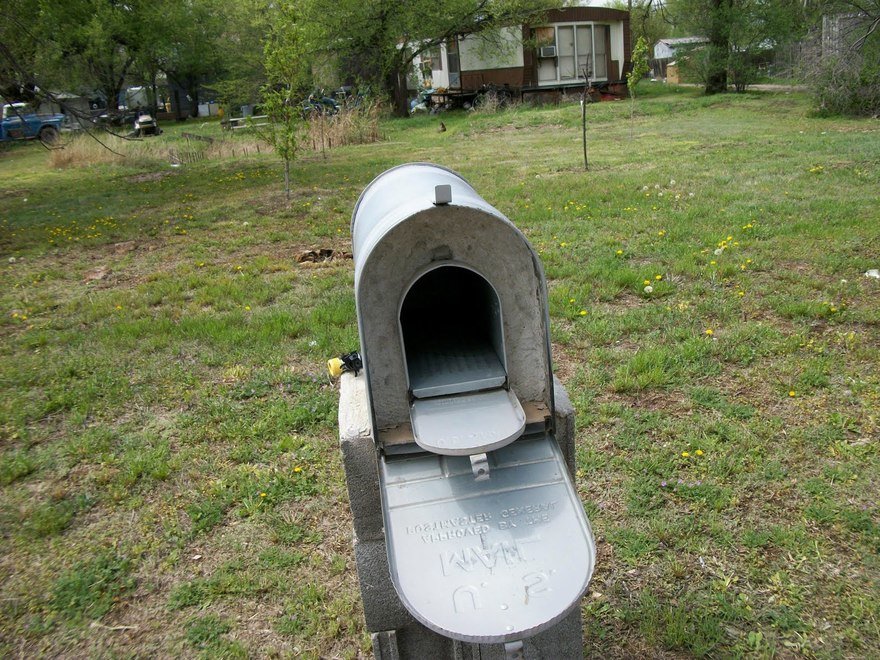
The traditional mailbox installation—a standard metal box atop a wooden 4×4 post—is designed to be "breakaway." This is, in fact, a safety regulation; if a vehicle were to strike the post, it is meant to snap rather than impale the vehicle or cause significant harm to the occupants.
However, as frustration with repeat vandalism grows, homeowners have begun to ignore these safety norms in favor of "hardened" defenses. The shift toward fortification involves three primary strategies:
1. The "Concrete Surprise"
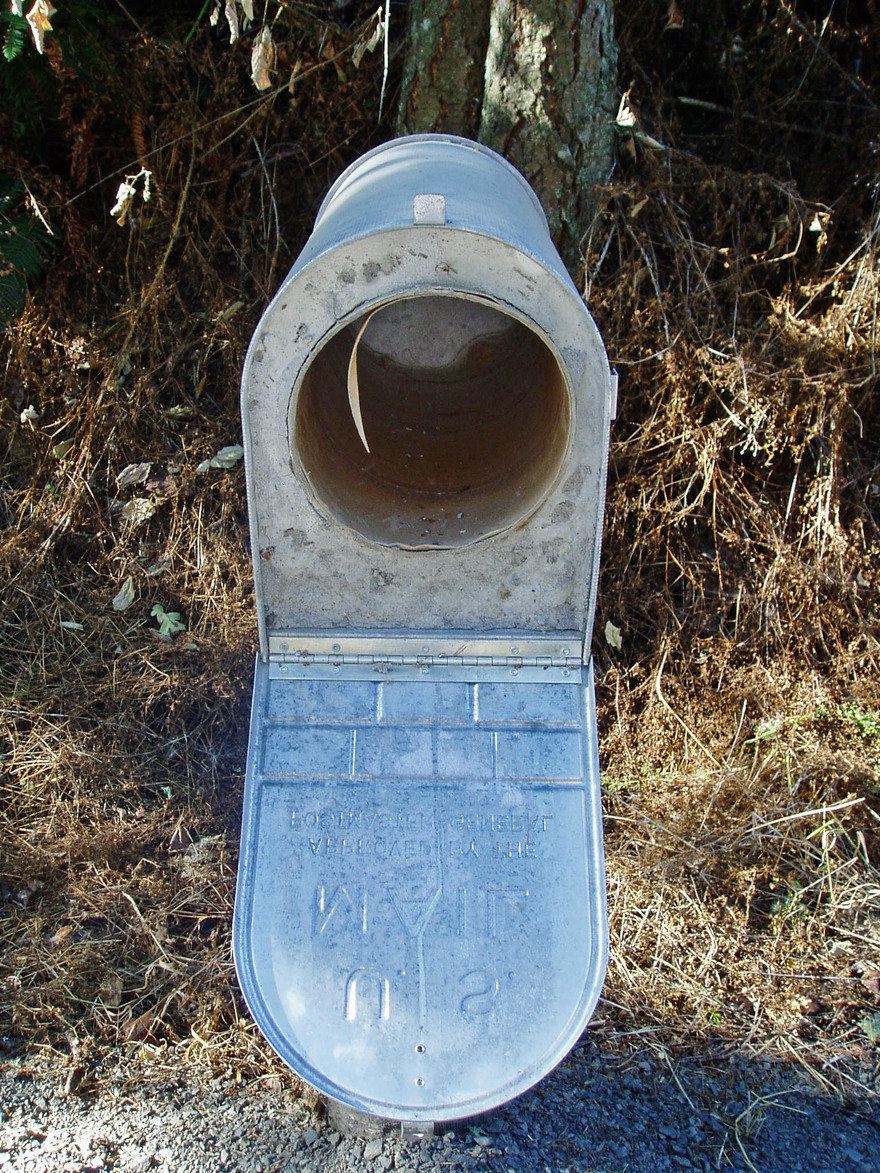
The most common DIY solution involves replacing the standard wooden post with a heavy-gauge steel pipe, often filled with concrete. By sinking these structures into deep, reinforced concrete footers, the mailbox becomes an immovable object. The "surprise" for the vandal is immediate: instead of a satisfying "thwack" of wood splintering, the bat meets a resistance that can cause significant physical injury to the person swinging it.
2. Architectural Masonry
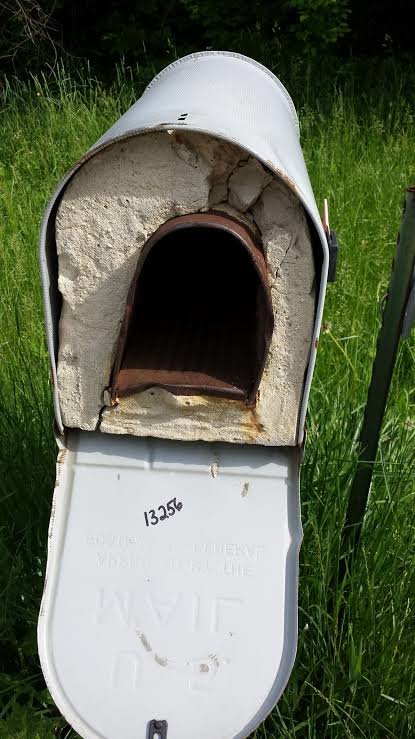
For those with a higher budget and an eye for aesthetics, masonry offers a sophisticated alternative. Brick and stone pillars, often reinforced with steel rebar, transform the mailbox from a utility into a landscape feature. These structures are virtually impervious to a baseball bat, serving as a permanent, immovable sentinel at the end of the driveway.
3. Design-Forward Hardening
Recent trends have seen a rise in "designey" but indestructible mailboxes. Artisans and boutique manufacturers are now catering to this market, creating heavy-duty, charcoal-finished steel units that prioritize a sleek, minimalist aesthetic while maintaining the structural integrity of a vault. These pieces serve as a dual-purpose solution: they provide security without sacrificing the property’s curb appeal.
Official Responses and Legal Implications
It is important to note that the "fortification" of mailboxes exists in a legal gray area. While the USPS encourages the use of sturdy mailboxes to protect mail, they explicitly warn against using supports that could be considered hazardous.
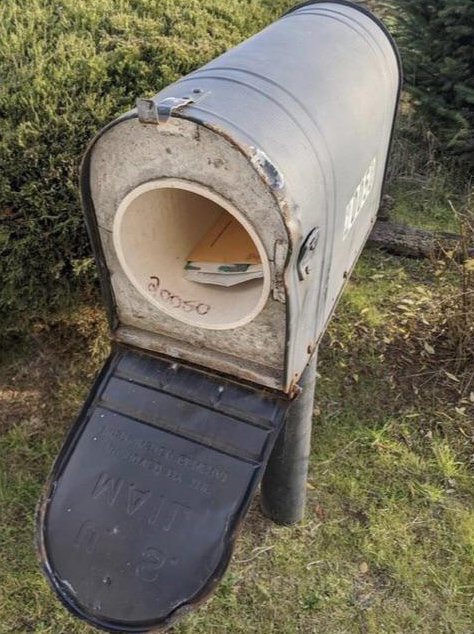
The United States Postal Service’s Domestic Mail Manual suggests that supports should be "light enough to break away if hit by a car." When a homeowner installs a concrete-filled steel pipe, they are knowingly violating these safety guidelines.
Legal Consequences:
- Liability: If a driver—even one who is committing an act of vandalism—strikes an illegally fortified mailbox and suffers a permanent injury or death, the homeowner can be held liable in civil court. The "booby trap" doctrine in many states prohibits homeowners from creating conditions on their property intended to cause harm to trespassers or vandals.
- Prosecution: Conversely, mailbox vandalism is a federal crime under 18 U.S. Code § 1705. Conviction can result in fines of up to $250,000 and up to three years in federal prison. Despite the severity of the law, the "hit and run" nature of the crime makes apprehension difficult, leading many victims to take matters into their own hands rather than relying on law enforcement.
The Sociological Implications: Why It Persists
Why, in an era where teenagers have access to endless virtual worlds, does the urge to smash a mailbox remain? Psychologists suggest that the act provides a sense of agency and physical engagement that digital media lacks. It is a "tactile experience"—the sensation of impact, the sound of metal buckling, and the adrenaline of the getaway.
Furthermore, the act is a rejection of authority. By destroying a piece of property that is sanctioned and regulated by the federal government (the USPS), the vandal feels they are striking a blow against the "establishment," even if the victim is simply a neighbor.
Conclusion: The Future of Residential Delivery
The "Mailbox Wars" serve as a strange, localized microcosm of the broader tension between order and chaos. As homeowners continue to innovate, using high-tensile steel, complex masonry, and industrial-grade fasteners, the vandalism of mailboxes is becoming a progressively dangerous game for the perpetrators.
The move toward more durable, "unsmashable" designs reflects a changing attitude in rural America. Homeowners are no longer willing to be passive victims of "boredom-fueled" destruction. They are reclaiming their property lines, turning their mailboxes into physical manifestations of their refusal to be pushed around.
Ultimately, until society finds a way to address the underlying impulse for destructive expression, the battle of the mailbox will continue—a clash of wood, steel, and stone on the fringes of the American road. The takeaway for both the vandal and the homeowner is clear: the mailbox is no longer just a place to leave the bills; it has become a battleground.
About the Author