In the world of high-end gastronomy, lighting is a cornerstone of the sensory experience. Restaurateurs spend thousands of dollars on architectural lighting design, aiming for a "moody" and intimate ambiance that encourages conversation and relaxation. However, there is a recurring friction point in this design philosophy: the menu. As lighting designers push for lower lux levels to enhance intimacy, patrons—particularly those with presbyopia or general vision fatigue—are left squinting in the dark.
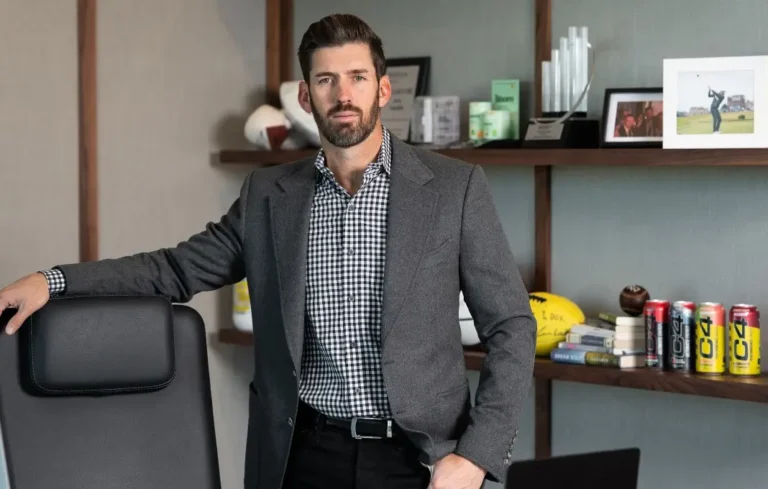
For Canadian industrial designer Andrew Ferrier, founder of MK-11 Studio, this wasn’t just a minor annoyance; it was a design challenge waiting for a sophisticated solution. After watching his mother struggle to read a menu by the harsh, disruptive glare of a smartphone flashlight, Ferrier recognized that the modern dining table lacked a tool that bridged the gap between ambient aesthetics and functional utility. His answer is the "Loupe Light," a modular, magnetically stacked table lamp that doubles as a discreet magnifying glass.
Main Facts: A Convergence of Utility and Aesthetics
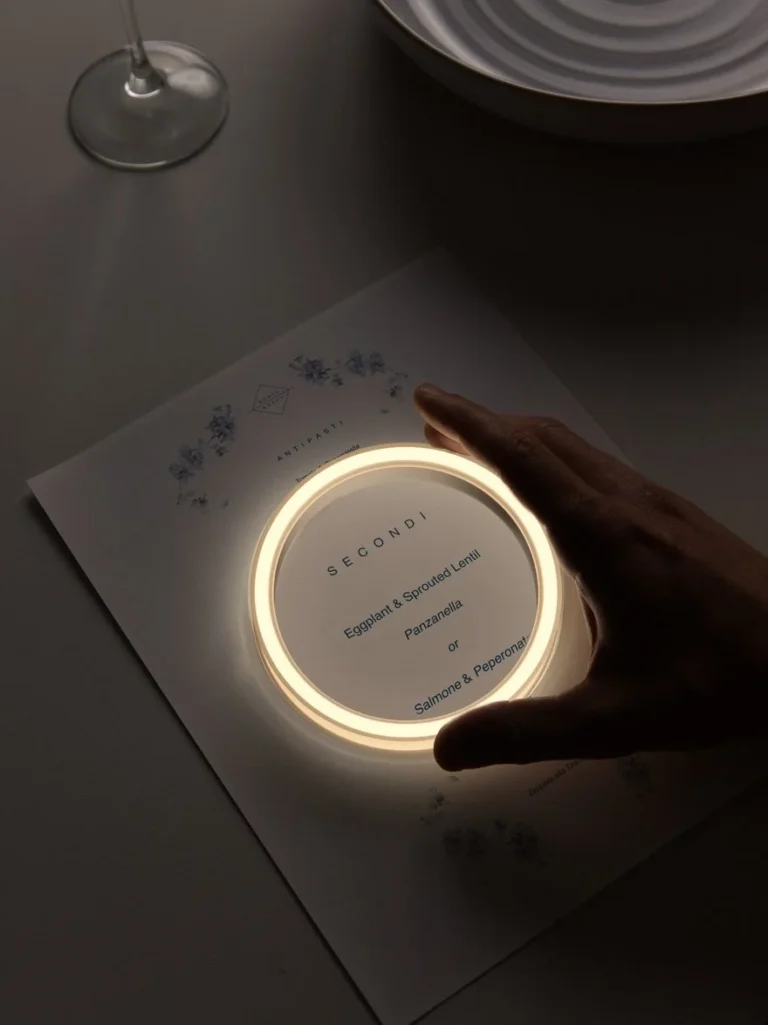
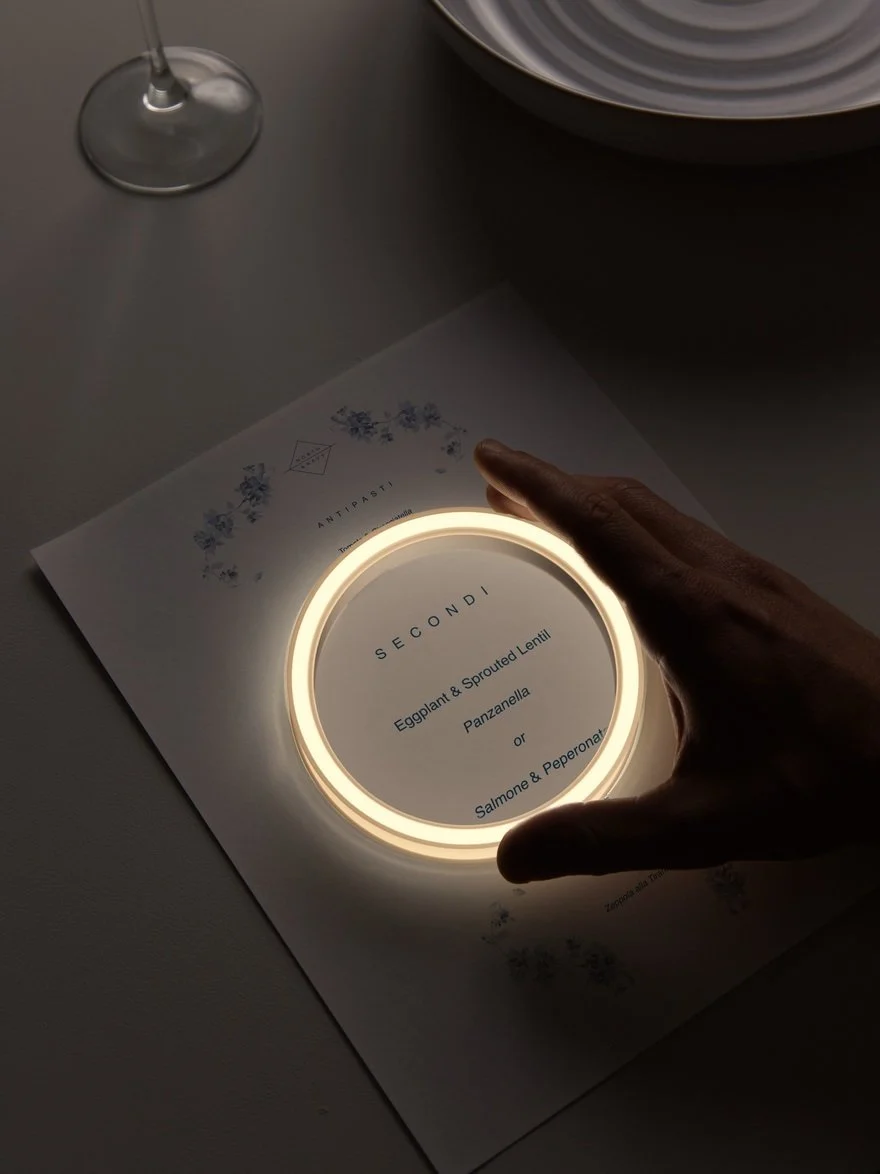
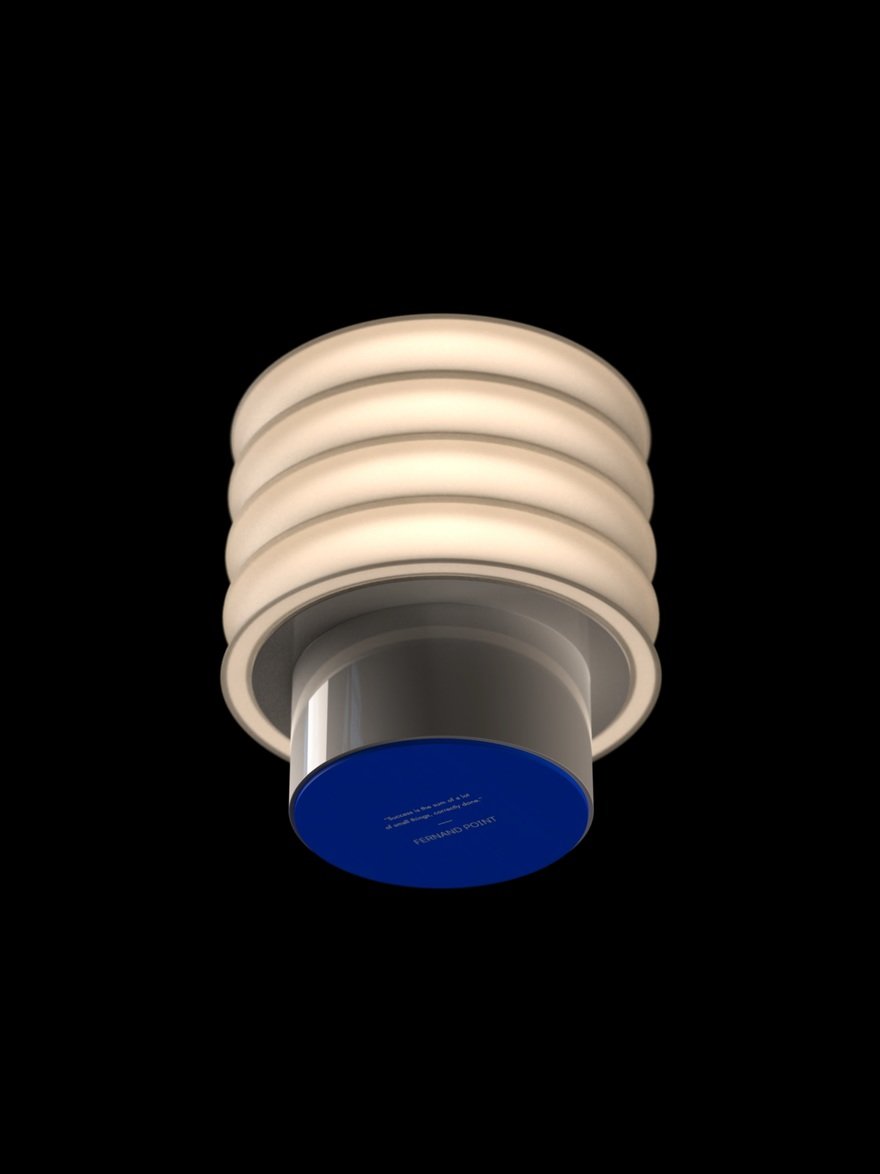
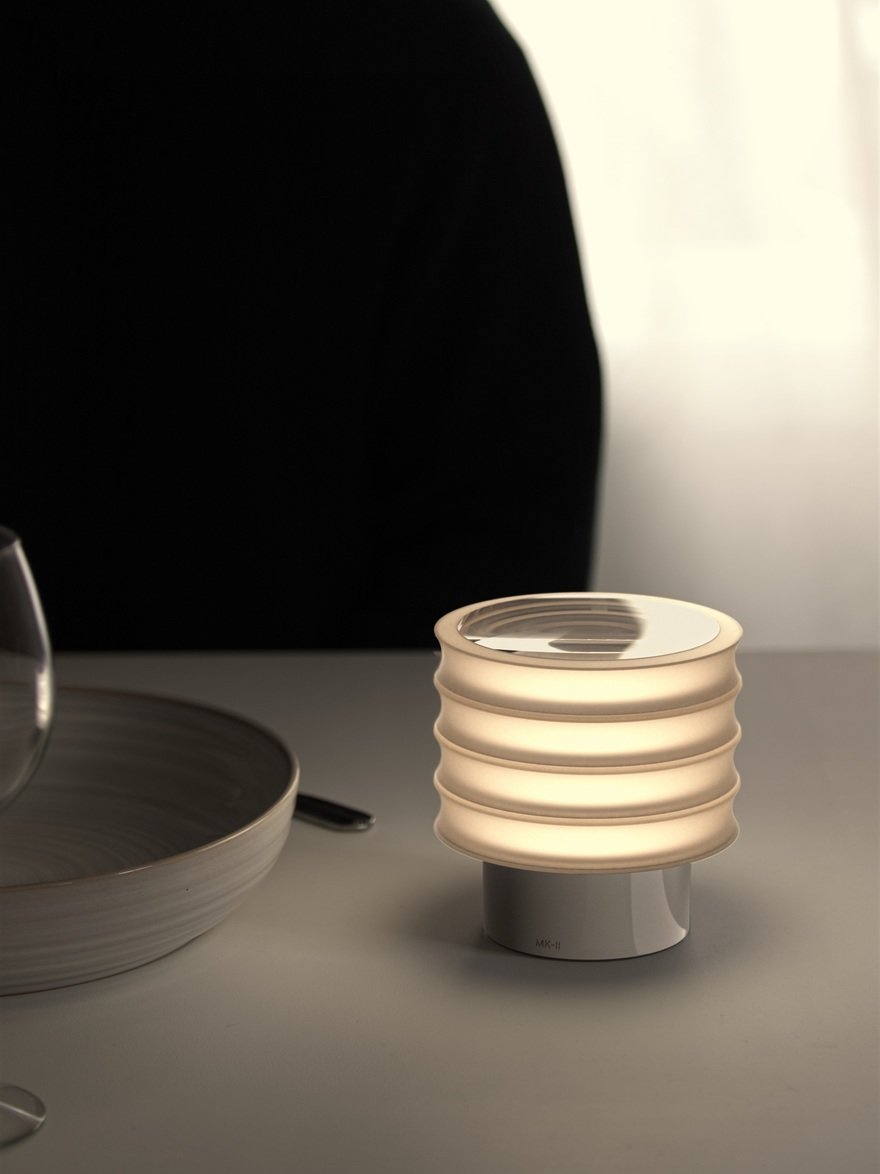
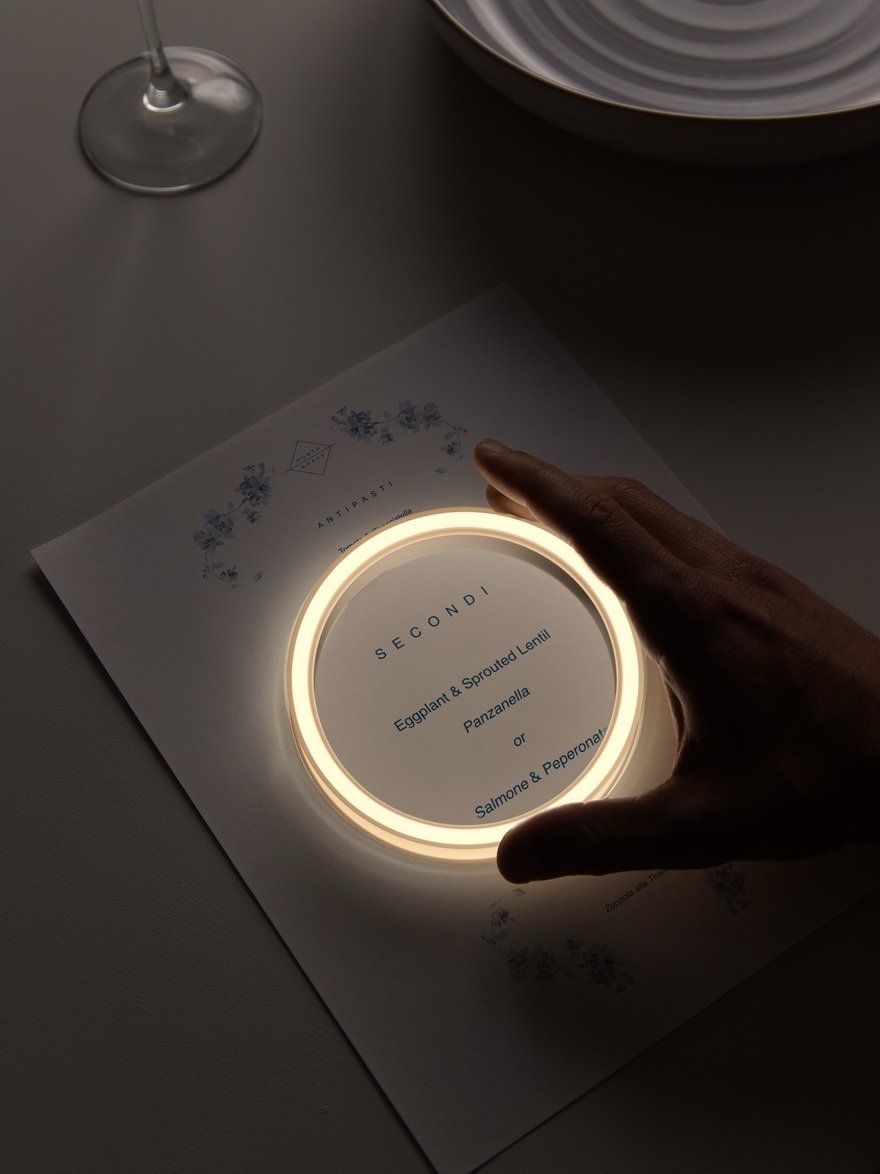
The Loupe Light is not merely a lamp; it is an exercise in human-centered design. The device is composed of a series of stacked, magnetic light rings that sit elegantly on a dining table, functioning as a centerpiece that provides soft, localized illumination.
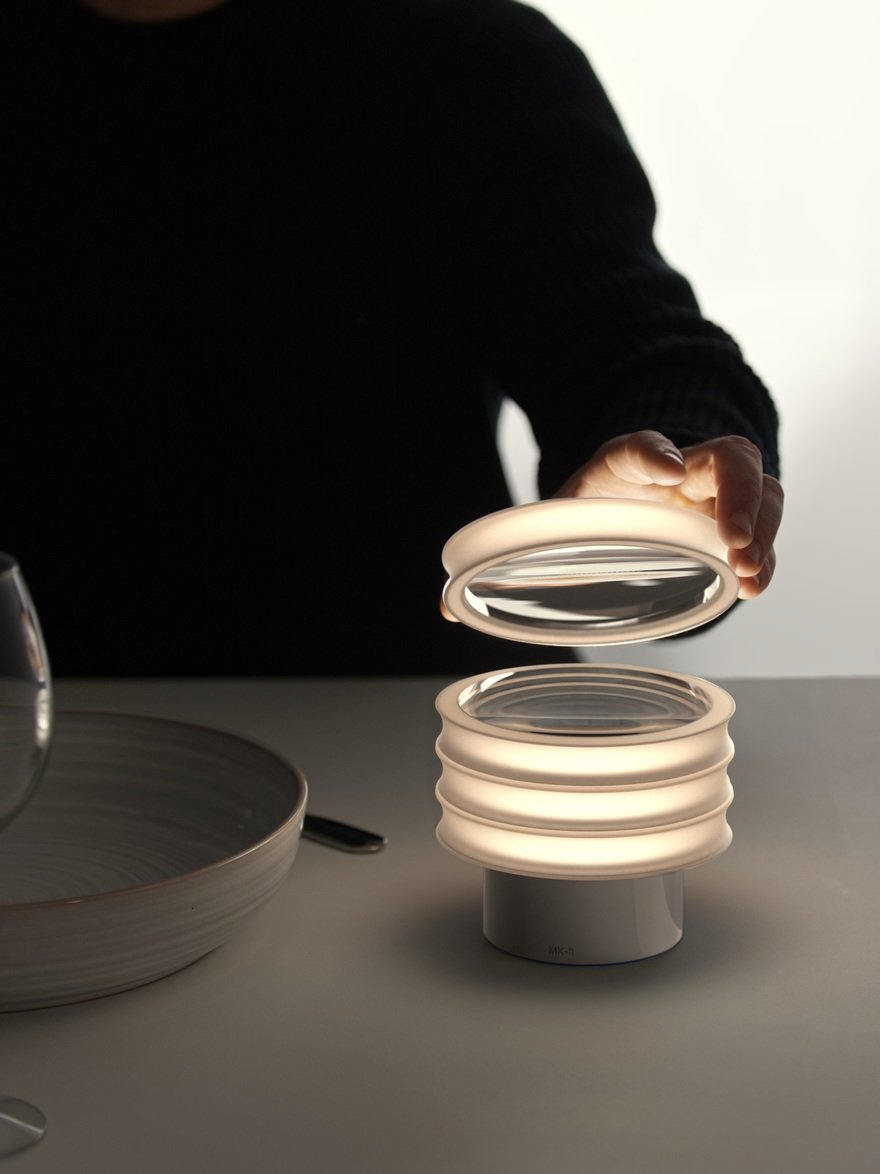
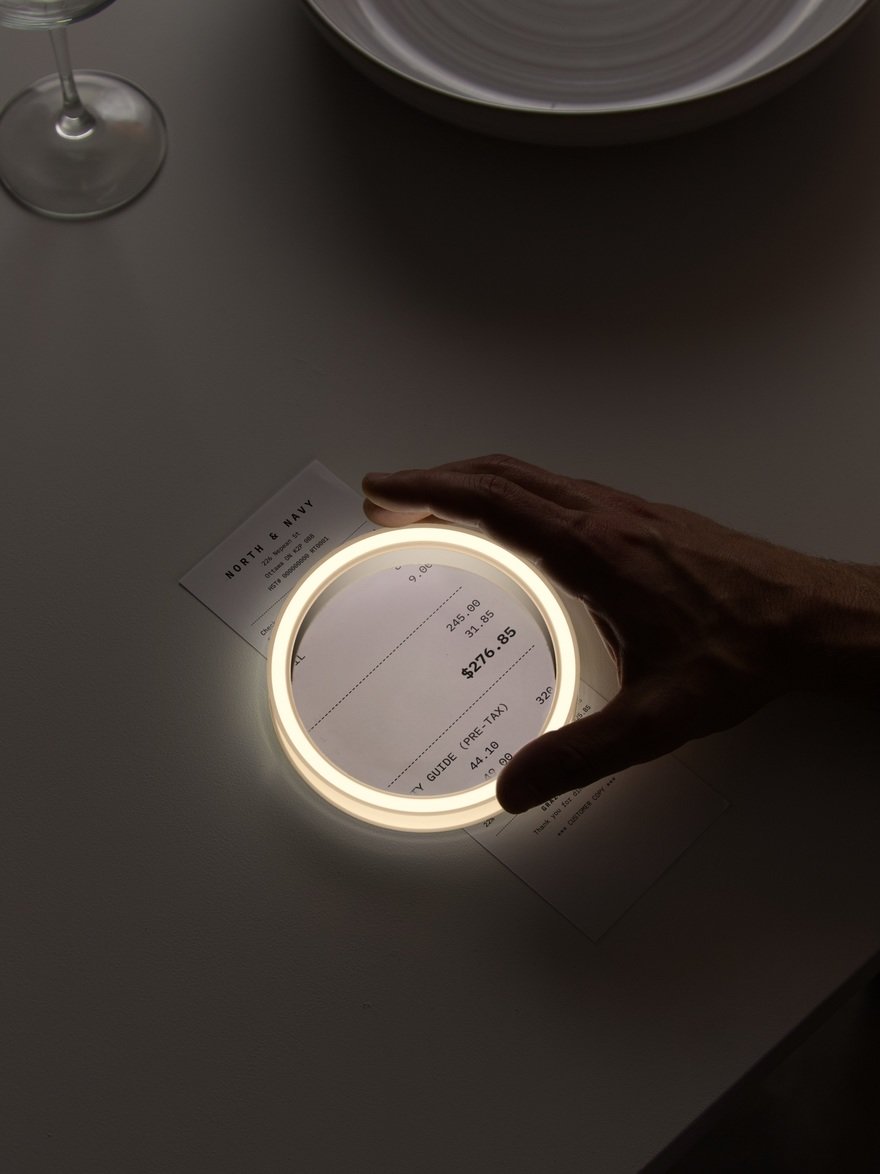
The core innovation lies in its modularity. Each ring can be lifted from the stack independently. Once removed, the ring transforms into a lit magnifying device. Unlike the chaotic, high-intensity beam of a smartphone flashlight—which often blinds fellow diners and ruins the carefully calibrated lighting of a restaurant—the Loupe Light provides a focused, gentle, and controlled illumination that illuminates only the immediate surface of the menu.
Key technical features include:
- Inductive Charging: The unit is entirely cordless and sealed, ensuring that it can be easily sanitized by waitstaff between seatings without the risk of liquid ingress or the clutter of charging cables.
- Ergonomic Magnification: The underside of each ring features a raised lens designed to glide across paper surfaces without causing scratches, ensuring the lens maintains the perfect focal length for reading.
- Adaptive Scaling: The modular, magnetic design allows restaurant operators to add or remove rings based on the size of the party or the specific requirements of the table, making it a scalable solution for everything from a cozy "tête-à-tête" to a larger group gathering.
The Chronology: From Frustration to Concept
The genesis of the Loupe Light can be traced to a routine dinner outing. According to Ferrier, the experience was a textbook example of "design failure" in a public space.
"I was out for dinner with my mom, and she was struggling to read the menu in the dark," Ferrier recounts. "She did what almost everyone does: she pulled out her phone to use the flashlight feature. Then, I looked over and saw another table using the Magnifier app to decipher their bill. It was a lightbulb moment—literally. That bright light, while functional for the user, completely disrupts the atmosphere for everyone around you."
Following that night, Ferrier moved from observation to ideation. Over the subsequent months, the team at MK-11 Studio began prototyping. They focused on the "magnetic stack" concept early on, as it allowed for a high degree of sculptural elegance when the unit was not in use. By late 2024, the concept had matured from a napkin sketch to a fully rendered product design, emphasizing industrial durability, ease of maintenance for hospitality workers, and a visual language that fits into high-end dining environments.
Supporting Data: The ‘Darkness’ Problem in Modern Hospitality
The struggle to read in low-light environments is a significant issue in hospitality. According to data from the American Optometric Association, the majority of adults will experience some form of age-related vision change (presbyopia) by the age of 45. In a restaurant setting where lighting is often kept below 50 lux for atmosphere, reading fine print becomes physically impossible for a large segment of the population.
Furthermore, the "smartphone culture" in dining has created a secondary problem. Restaurateurs have invested heavily in "Instagrammable" decor and lighting, only to have that aesthetic undercut by the blue-light glare of dozens of smartphone screens.
The Loupe Light addresses this by removing the need for a secondary device. By providing a warm-temperature, localized light source, the device keeps the diner’s focus on the menu and the company at the table, rather than on their digital device. This shift helps maintain the "sanctuary" feel that high-end restaurants strive to create.
Official Responses and Industry Outlook
While the Loupe Light is currently a concept project, the reaction within the design community and hospitality industry has been overwhelmingly positive. Industrial design circles have lauded the project for its "quiet" functionality—a hallmark of great design that solves a problem without calling unnecessary attention to itself.
"The industry has been waiting for someone to treat the ‘menu reading’ problem with the respect of a luxury product," says a design lead from a prominent hospitality consultancy. "Most solutions to date have been cheap, plastic, or aesthetically offensive. Ferrier’s design treats the lamp as an extension of the restaurant’s interior design rather than a utility add-on."
Ferrier is now in the outreach phase, actively seeking partnerships with boutique hotel chains and fine-dining groups. "Loupe Light is an MK-II Studio concept," Ferrier states. "Brands and restaurant groups, let’s bring it to life."
Implications: The Evolution of Tabletop Technology
The implications of the Loupe Light extend beyond mere convenience. If adopted, it could signal a shift in how restaurants approach the "user experience" (UX) of dining. For decades, the restaurant UX has been focused on the plate; rarely has it been focused on the physical interaction between the guest and the information provided by the restaurant (the menu and the bill).
1. Enhancing Inclusivity
By normalizing the use of magnifying tools through beautiful design, restaurants can make the dining experience more inclusive. It removes the "stigma" of needing assistance to read, as the tool becomes part of the table’s standard setup.
2. Protecting the Ambiance
The most significant implication is the preservation of the dining room’s "atmosphere." Lighting designers spend thousands of hours balancing shadows and highlights. The widespread use of high-intensity smartphone LEDs is an unmanaged variable that ruins this balance. A standardized, dimmable, and warm-hued table lamp like the Loupe Light acts as a "curated" light source, protecting the designer’s intent.
3. Streamlining Operations
For restaurant staff, the logistical burden of charging and maintaining tabletop devices is a common deterrent to adopting new technology. The use of inductive charging pads—which can be integrated into the restaurant’s existing POS setup or charging stations—means that the Loupe Light can be treated with the same care as a wine coaster or a candle holder.
4. A Shift in Aesthetic Expectations
As technology continues to merge with physical furniture, the Loupe Light sets a precedent for "smart" objects that feel like "analog" objects. It avoids the "gadget-heavy" look of many modern table accessories, opting instead for a form factor that feels tactile and permanent.
Conclusion
The Loupe Light serves as a compelling reminder that the best design solutions are often found in the most mundane moments of human frustration. By observing the tension between aging demographics and modern interior design trends, Andrew Ferrier has identified a clear, actionable opportunity to improve the dining experience.
Whether the Loupe Light makes its way into the world’s top-tier Michelin-starred establishments or upscale urban bistros remains to be seen. However, its existence highlights a critical truth: in the competitive world of hospitality, the smallest details—like the ability to comfortably read a bill—often make the largest impact on customer satisfaction. For now, the concept stands as a testament to the power of thoughtful, user-centric industrial design to solve problems that we didn’t even realize were "solvable."
About the Author