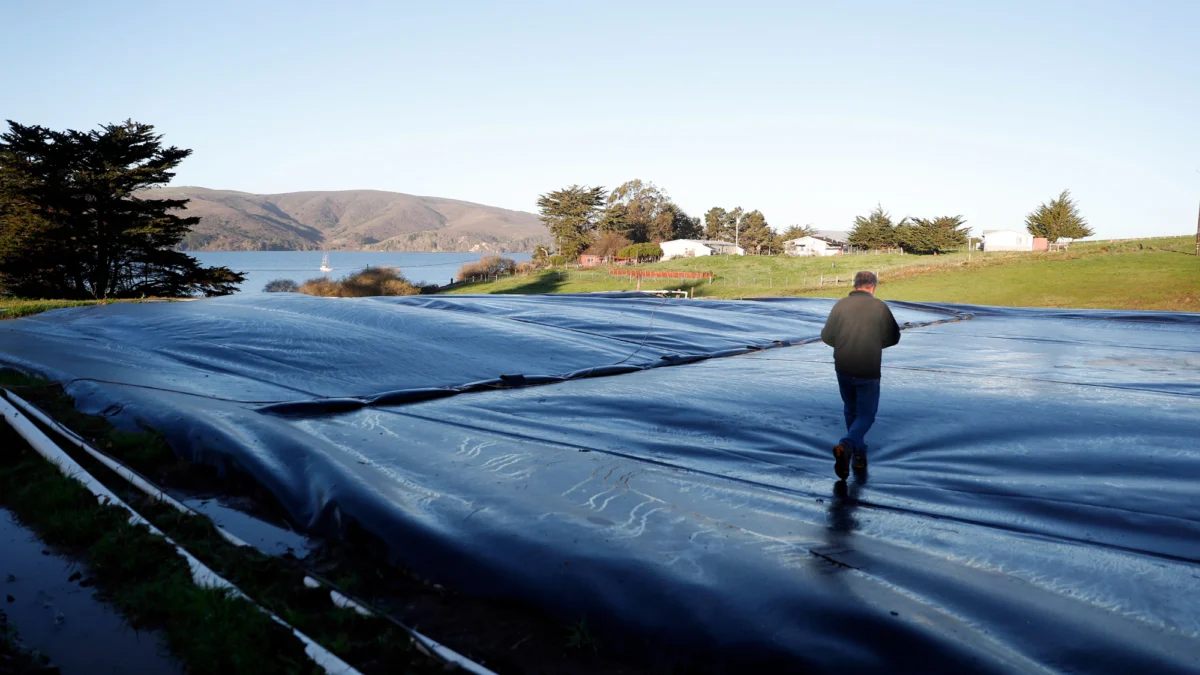
In a move that has sent shockwaves through environmental advocacy circles and public health organizations, the Environmental Protection Agency (EPA) announced late last week that it is officially terminating a two-decade-long initiative to develop standardized methods for monitoring air pollution from Concentrated Animal Feeding Operations (CAFOs).
This decision marks the formal end of a protracted, stop-and-start regulatory saga that began in the early 2000s. By shuttering this effort, the federal government has effectively signaled that it has no immediate intention of enforcing Clean Air Act standards against the nation’s largest industrial livestock facilities. Coming just days before the midterm elections, the move serves as a significant political victory for the agricultural industry—a critical constituency for the Trump administration and the Republican Party—while simultaneously creating a regulatory vacuum that critics argue will have dire consequences for rural air quality and public health.
The Chronology of a Failed Commitment
To understand the magnitude of this decision, one must look back to the early 2000s, a period defined by an EPA attempt to hold the industrial livestock sector accountable for exceeding permissible levels of hazardous air pollutants.
2005: The Birth of the Air Consent Agreement
At the turn of the millennium, the EPA moved to prosecute various CAFOs for significant emissions of ammonia, hydrogen sulfide, and particulate matter. The livestock industry, sensing an existential threat to its operational model, pushed back aggressively. The industry argued that there was no "scientifically sound" or uniform way to measure emissions from complex, multi-faceted farming operations.
In 2005, the EPA and industry leaders struck a deal known as the Air Consent Agreement. Under this arrangement, the agency granted thousands of industrial farms “safe harbor” from legal action. In exchange, the industry agreed to fund a comprehensive, multi-year study—the National Air Emissions Monitoring Study (NAEMS)—intended to develop reliable tools and models to quantify emissions. The goal was to provide a mechanism for farms to determine if their output exceeded federal thresholds, thereby triggering reporting requirements under the Clean Air Act, the Comprehensive Environmental Response, Compensation and Liability Act (CERCLA), and the Emergency Planning and Community Right-to-Know Act (EPCRA).
2017: The Inspector General’s Warning
The promise of the 2005 agreement proved to be an illusion. For over a decade, the EPA failed to produce the promised "emissions estimating methodologies." In 2017, the agency’s own Office of Inspector General issued a scathing report, faulting the EPA for "slow-walking" the process and failing to develop the promised regulatory tools despite the lapse of eleven years.
2026: The Final Abandonment
Following years of legislative maneuvering—during which Congress and the executive branch systematically gutted reporting requirements for factory farms—the EPA’s latest announcement serves as the final nail in the coffin. By declaring the data from the original study "too old and too limited," the agency has officially walked away from the obligation to create a standardized national framework for measuring livestock-related pollution.
The Toxic Reality: Air Quality and Public Health
The lack of oversight is not merely a bureaucratic failure; it is a public health crisis. When thousands of animals are confined in a single location, the resulting waste creates a massive environmental footprint. Ventilation fans often blow particulate matter, ammonia, nitrogen oxides, sulfur dioxide, and volatile organic compounds (VOCs) directly into the surrounding atmosphere, affecting the lungs of those living in neighboring communities.
The Human Cost
Scientific research is unequivocal regarding the impact of these emissions. Studies have linked air pollution from industrial livestock operations to approximately 12,700 premature deaths in the United States annually. Fine particulate matter (PM2.5) emitted from these sites can penetrate deep into the human respiratory system, causing chronic respiratory illnesses, cardiovascular disease, and exacerbated asthma conditions. Despite this, these facilities continue to operate under a veil of regulatory immunity that has now been made near-permanent.
Official Responses and Justifications
The EPA’s justification for the termination rests on a claim of scientific integrity. Abigale Tardif, the acting assistant administrator for the EPA’s Office of Air and Radiation, stated: "Good science requires good data, and these data are too old and too limited to support methods that farms could rely on. We would rather tell farmers that plainly than issue numbers we cannot stand behind."
The industry, represented by groups like the National Pork Producers Council, has praised the move as a long-overdue acknowledgment of the complexity of modern agriculture. Rob Brenneman, president of the council, noted that "every farm is different, and there is no one-size-fits-all model to apply to them." For the industry, the EPA’s decision is the removal of an unnecessary and unworkable burden.
Conversely, environmental advocates view the rhetoric as a cynical obfuscation. Tarah Heinzen, legal director for Food & Water Watch, contends that the EPA’s stance is a deliberate effort to shield the industry from accountability. "As EPA has been saying it’s proceeding with this plan, it’s been dismantling all of its own tools to regulate emissions," Heinzen said. "Now it has announced it has no intention, basically, of ever holding factory farms accountable under the Clean Air Act, either."
Implications: The Regulatory Vacuum
The EPA’s decision leaves the United States in a strange legal limbo. While the agency has ceased its efforts to develop federal emissions factors, the underlying statutes—the Clean Air Act and the "Superfund" laws—have not been repealed. Technically, CAFOs are still required to report emissions that exceed established thresholds. However, without an EPA-approved methodology, the agency has effectively rendered the law unenforceable.
The California Exception
Critics of the federal retreat point to California as proof that such monitoring is not only possible but necessary. California has successfully developed its own robust models for livestock emissions, which it uses to enforce strict state air regulations. The success of these models undermines the industry’s claim that emissions are too complex to measure. "We just don’t have one set of national emissions factors from EPA," Heinzen noted. "That does not absolve these factory farms from their obligation to comply with federal law."
The Methane Blind Spot
Perhaps the most significant gap in the current policy is the omission of methane. As the agricultural sector remains the largest source of methane emissions in the United States, the refusal to measure or monitor this potent greenhouse gas is particularly alarming. Congress has, through annual spending bills, systematically blocked the EPA from requiring livestock facilities to report methane emissions. By failing to integrate methane into the broader regulatory conversation, the government has essentially granted the livestock industry a free pass on its most significant contribution to global climate change.
Conclusion: A Future Without Oversight
The EPA’s announcement signifies a pivot away from the agency’s foundational mandate: the protection of human health and the environment through the enforcement of law. By prioritizing the interests of the industrial agricultural lobby over the scientific development of emissions monitoring, the administration has ensured that one of the nation’s largest sources of air pollution will continue to operate largely unchecked.
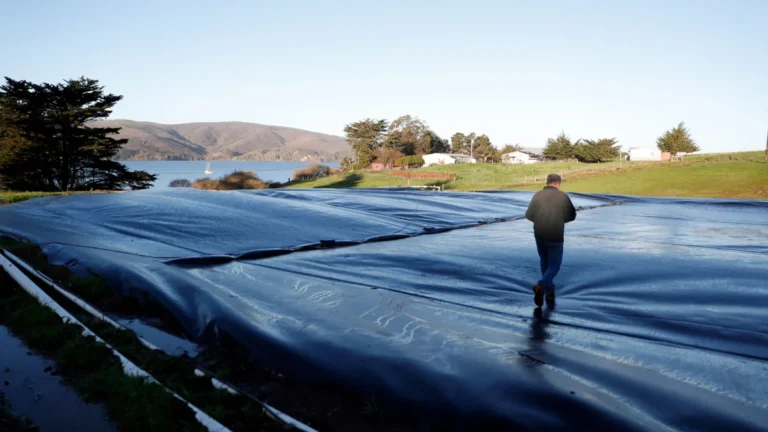
For the residents of rural communities living in the shadow of massive waste lagoons and ventilation fans, the message from the EPA is clear: there will be no accountability, no oversight, and no effort to mitigate the toxic air they breathe. In the absence of federal guidance, the burden of regulating factory farms now falls entirely on state governments and private litigants—a fragmented landscape that will likely see the most vulnerable populations continue to pay the highest price for the industrialization of the American food supply.
About the Author