Main Facts: A Historic Infrastructure Surge
The digital revolution has entered a physical phase of unprecedented scale. According to recent financial forecasts and industry analysis, capital spending on artificial intelligence (AI) infrastructure is on a trajectory to surpass $1 trillion as early as 2027. To put this figure into perspective, analysts suggest this represents the largest infrastructure buildout in United States history as a share of GDP since the Louisiana Purchase of 1803. For the first time, annual investment in the data centers required to power large language models (LLMs) and generative AI now exceeds the total annual investment in upstream oil and gas exploration and production.
This massive influx of capital is not merely a temporary spike in tech spending; it represents a fundamental rewiring of the nation’s industrial landscape. However, this "land grab" for digital capacity has met a formidable obstacle: a rising tide of community resistance and a complex web of environmental and logistical constraints.
In response to these mounting pressures, the Sustainable AI Infrastructure Forum was recently convened at Trellis Impact 26. This invitation-only working session brought together 65 high-level stakeholders, including "hyperscalers" (the massive cloud providers like Microsoft, Google, and Amazon), utility executives, real estate developers, financiers, and community-engagement specialists. The objective was to define a roadmap for a "sustainable data center" at a time when the window to shape these long-term assets—many of which will remain in operation for 30 to 50 years—is rapidly closing.
Chronology: From Silicon Valley Dreams to Physical Resistance
The current crisis of scale did not happen overnight, but its acceleration has caught many industry veterans off guard. The timeline of this infrastructure surge can be traced through three distinct phases:
Phase 1: The Compute Explosion (2022–2023)
Following the public release of advanced AI models, the demand for specialized chips and the power to run them skyrocketed. Hyperscalers began scouring the country for sites with two primary attributes: proximity to fiber optic backbones and, more importantly, massive amounts of available electricity. During this period, the primary focus was speed to market, often at the expense of long-term community integration.
Phase 2: The Resource Collision (Late 2023–Early 2024)
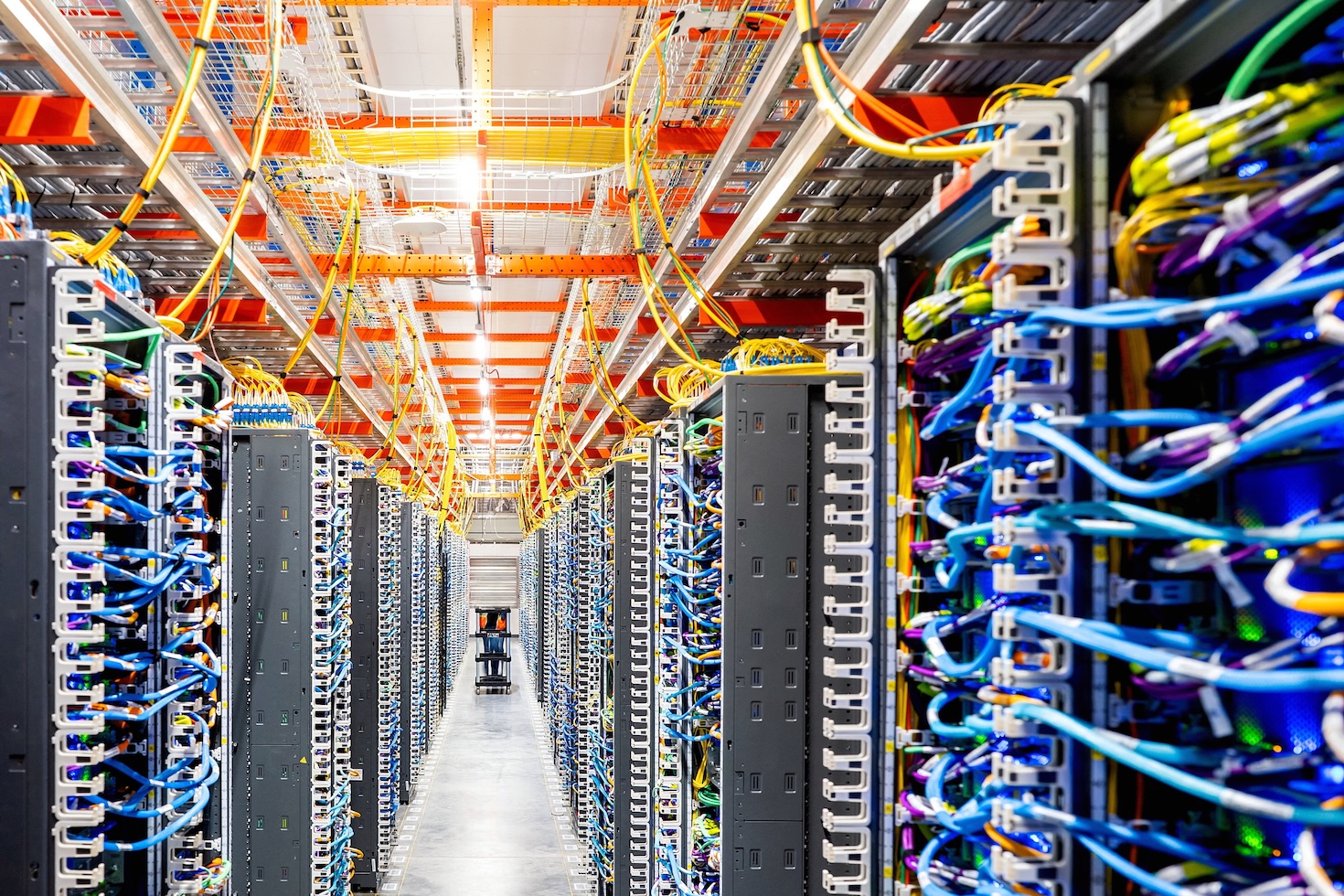
As data center footprints expanded from traditional hubs like Northern Virginia into rural and suburban markets, they began to collide with local resource limits. Utilities, which had seen flat demand for decades, suddenly faced requests for gigawatts of power—equivalent to the output of multiple nuclear power plants. Simultaneously, local communities began to notice the environmental toll: massive water consumption for cooling and the encroachment of industrial-scale buildings on agricultural or residential land.
Phase 3: The Era of Backlash and Deliberation (Present Day)
We are currently in a period of intense friction. The Sustainable AI Infrastructure Forum was organized as a direct response to this friction. Participants noted that the backlash has moved faster than the industry’s ability to adapt. The forum served as a "Chatham House Rule" environment, allowing competitors and opposing stakeholders to speak candidly about the failures of the current model and the urgent need for a new "operating system" for data center development.
Supporting Data: The Economic and Social Cost of Friction
The data presented at the forum paints a stark picture of an industry at a crossroads. While the $1 trillion investment figure highlights the potential, other metrics highlight the peril.
- Stalled Projects: Currently, approximately $156 billion in data center projects are stalled due to community resistance and regulatory hurdles. Remarkably, this figure has more than doubled in just the last six months, indicating that the "NIMBY" (Not In My Backyard) sentiment is evolving into a sophisticated, organized movement.
- Bipartisan Opposition: Polling data shared during the session indicates that opposition to data center construction is one of the few truly bipartisan issues in the United States. Concerns regarding noise pollution, aesthetic degradation, and the perceived "drain" on local resources unite voters across the political spectrum.
- The Energy Gap: The "innovation sparks" discussed at the forum revealed a widening gap between available clean energy and the needs of AI. One developer noted that data centers have become a "physical manifestation of an inchoate anxiety about AI," serving as a lightning rod for broader fears about job displacement and technological overreach.
- Asset Longevity: Unlike consumer electronics, which have a three-year lifecycle, data center shells and power infrastructure are 50-year assets. The decisions made today regarding their energy sources and water usage will lock in environmental impacts for half a century.
Official Responses and Stakeholder Perspectives
The forum revealed a striking consensus on what a "high-bar" for sustainability should look like, even if there is skepticism about the industry’s willingness to implement it. Stakeholders from different sectors offered varying perspectives on the path forward:
The Developers’ Dilemma
Developers admitted that the industry has often prioritized the "fastest way" over the "right way." One participant described the current environment as a "very good place to put all that hurt," referring to the community’s frustration. The prevailing sentiment among developers is that they are caught between the hyperscalers’ demand for rapid deployment and the local government’s inability to process permits and infrastructure upgrades.
The Utility Perspective
Utility representatives highlighted the systemic strain on the grid. The consensus was that the old model of "plug and play" is dead. The new reality requires a "bring your own energy" (BYOE) approach, where data center operators must not only fund their own connections but also contribute to the overall resilience of the local grid.
The Innovation Sparks
Four key "innovation sparks" were identified as essential for moving the needle:

- Standardization: Moving away from bespoke designs to modular, verifiable standards.
- Transparency: Providing real-time data to communities regarding water and energy usage.
- Community Agency: Moving beyond "public hearings" to actual community reinvestment models.
- Lifecycle Thinking: Planning for the eventual decommissioning or repurposing of these massive facilities.
Implications: The High Bar for "Good"
The implications of the forum’s findings suggest a radical shift in how the tech industry must approach physical expansion. If the industry fails to pivot, the $1 trillion investment may be strangled by litigation and local moratoriums.
Non-Negotiables for the Future
The working groups at the forum established several "non-negotiables" for future data center builds:
- Community Buy-in Before the Build: Industry leaders agreed that seeking forgiveness rather than permission is no longer a viable strategy. True community agency, potentially through a trusted local representative or ombudsman, is essential.
- Net-Positive Impact: A "do no harm" policy is no longer sufficient. High-bar goals now include "net-positive" impacts on both nature (water restoration) and community (tax revenue that exceeds infrastructure costs).
- The Energy Ladder: Participants proposed a tiered energy ladder. The "floor" is 75% renewable energy through credits, but the "high bar" is adding new, clean energy infrastructure that benefits the entire host community, not just the data center.
The Regulatory Horizon
The forum participants called for an accountability framework that spans regulation, tax, and zoning. One notable suggestion was a mandate styled after the Community Reinvestment Act, which would require data center operators to reinvest a portion of their capital directly into the neighborhoods they inhabit.
Productive Tensions and Missing Voices
The most significant implication is the realization that "decarbonization" messaging often fails at the local level. While tech giants focus on global carbon goals, local farmers may view a solar farm—built to power a data center—as a threat to their livelihood and the local landscape. Bridging this gap between global climate goals and local land-use values is the industry’s greatest challenge.
Furthermore, the forum acknowledged that critical voices are still missing from the conversation: namely, the front-line community leaders and the disparate local authorities who are currently overwhelmed by the scale of the AI wave.
Conclusion: Bending the Wave
The window to influence the $1 trillion buildout is narrow. As the Trellis Group leaders noted, the alignment on what "good" looks like is surprisingly strong, but the temptation to choose speed over sustainability remains the industry’s "original sin." The coming years will determine whether AI infrastructure becomes a monument to technological hubris or a catalyst for a modernized, clean energy grid that benefits all of society. The mandate is clear: the industry must bend this trillion-dollar wave toward sustainability before the concrete is poured and the assets are locked in for the next fifty years.
About the Author