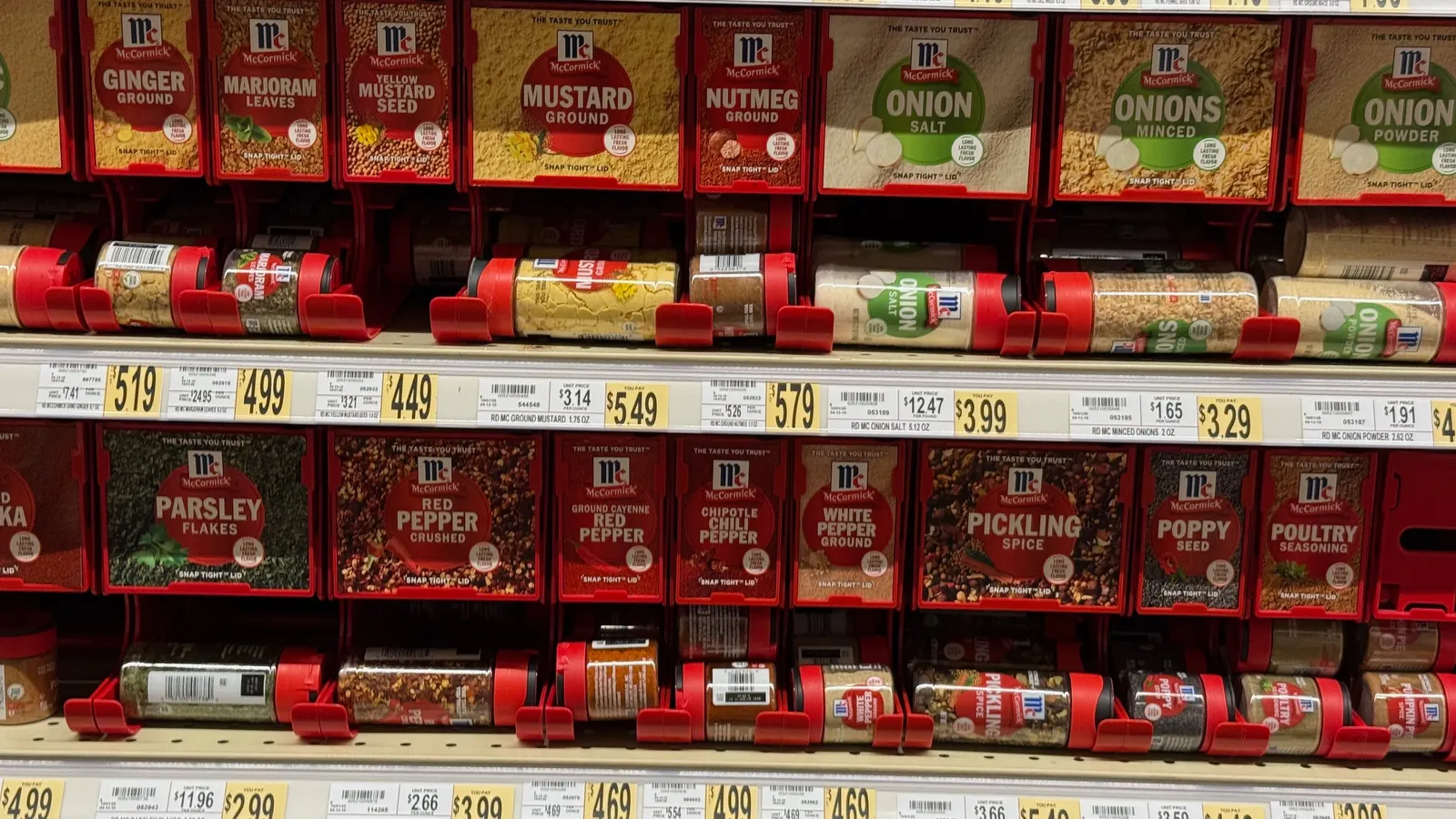
Baltimore, MD – July 2, 2026 – Global spice and ingredients giant McCormick & Company is strategically deploying significant tariff refunds to mitigate the severe financial pressures stemming from the ongoing Iran war and persistent supply chain disruptions. The company, a staple in kitchens worldwide, anticipates that these returned funds will be crucial in offsetting escalated logistics and material costs, which are projected to contribute significantly to an estimated 6% cost inflation for the current fiscal year.
The move underscores the profound impact of geopolitical events and complex trade policies on even the most established multinational corporations. As global supply chains remain under immense strain, companies like McCormick are compelled to seek innovative financial maneuvers to safeguard their margins and maintain product affordability for consumers.
The Unfolding Crisis and Trade Tangle: A Chronology of Challenges
McCormick’s proactive financial strategy unfolds against a backdrop of escalating global instability and a convoluted legal battle over international trade tariffs. The confluence of these factors has created an unprecedented operating environment for businesses reliant on a vast network of international sourcing and logistics.
The Iran War: A Catalyst for Economic Disruption
The current geopolitical landscape, particularly the ongoing conflict in Iran, has emerged as a primary driver of increased operational costs for McCormick. The war has had a cascading effect on global energy markets, leading to substantial surges in oil prices. This is primarily due to severe disruptions to oil shipments through the Strait of Hormuz, a critical maritime chokepoint through which a significant portion of the world’s oil supply passes. Any instability in this region invariably translates into higher fuel costs for shipping and transportation across all modalities – ocean freight, air cargo, and ground logistics.
For a company like McCormick, which sources thousands of ingredients from approximately 80 countries, these energy price hikes directly inflate transportation expenses for raw materials, intermediate goods, and finished products. Moreover, energy is a fundamental input in the production and processing of many spices and ingredients, meaning that higher oil prices also lead to increased material costs upstream in the supply chain. The company’s Executive Vice President and CFO, Marcos Gabriel, explicitly highlighted the Iran war’s "significant" contribution to the projected 6% cost inflation, signaling its profound impact on their financial outlook for the remainder of the year.
A Tumultuous Tariff Saga: The Legal Battle for Trade Relief
Adding another layer of complexity, McCormick has been navigating a protracted and unpredictable legal battle over tariffs imposed during the previous administration. This tariff saga has seen multiple reversals, creating significant uncertainty for businesses engaged in international trade.
- The Initial Trump-Era Tariffs: Many businesses, including McCormick, had been subject to various country-specific duties implemented under the Trump administration. These tariffs, often imposed under Section 301 of the Trade Act of 1974, aimed to address perceived unfair trade practices or national security concerns. McCormick, with its expansive global sourcing network, had previously articulated the considerable financial burden these levies represented, noting that some critical raw materials are simply not commercially available within the United States, making tariff avoidance challenging.
- Supreme Court’s Intervention (Early 2026): In a landmark decision earlier this year, the U.S. Supreme Court nullified certain country-specific duties, ruling that they were imposed based on emergency powers that exceeded presidential authority. This decision offered a glimmer of hope for companies like McCormick, which had been actively working to mitigate the impact of these tariffs, sometimes absorbing the costs or attempting to pass them on to consumers through price adjustments. The refunds McCormick is now receiving are a direct result of this Supreme Court ruling.
- President Trump’s Counter-Response: In a swift and defiant response to the Supreme Court’s ruling, former President Donald Trump immediately vowed to impose new tariffs. Acting under Section 122 of the Trade Act of 1974, his administration implemented a new "10% global tariff" shortly after the Supreme Court’s decision. This move reignited concerns about trade protectionism and added another layer of unpredictability to international commerce.
- Court of International Trade’s Reversal (Mid-2026): The legal ping-pong continued when the U.S. Court of International Trade (CIT) subsequently ruled the newly imposed Section 122 duties illegal. The CIT’s decision argued that the tariffs lacked proper legal justification under the specified section of the Trade Act. However, the Trump administration has appealed this ruling, meaning the legality and potential financial impact of the 10% global tariff remain in limbo, posing an ongoing threat of additional costs for importers.
McCormick’s current utilization of tariff refunds is specifically tied to the duties nullified by the Supreme Court, providing a temporary reprieve from a portion of its overall tariff burden. However, as Gabriel noted, the company still anticipates additional tariff costs this year, primarily stemming from the contested 10% global tariff, highlighting the persistent and evolving nature of trade-related financial challenges.
Supporting Data: Quantifying the Impact and Corporate Responses
The narrative of McCormick’s financial strategy is not unique; it reflects a broader trend of how major corporations are grappling with unprecedented economic and geopolitical headwinds. The company’s detailed assessment of costs and its response offer a window into the complex decision-making processes underway in global enterprises.
McCormick’s Financial Headwinds: A Detailed Look
The projected 6% cost inflation for McCormick’s fiscal year is a substantial figure that demands immediate and decisive action. This inflation is not monolithic but rather a composite of several interconnected cost escalations:
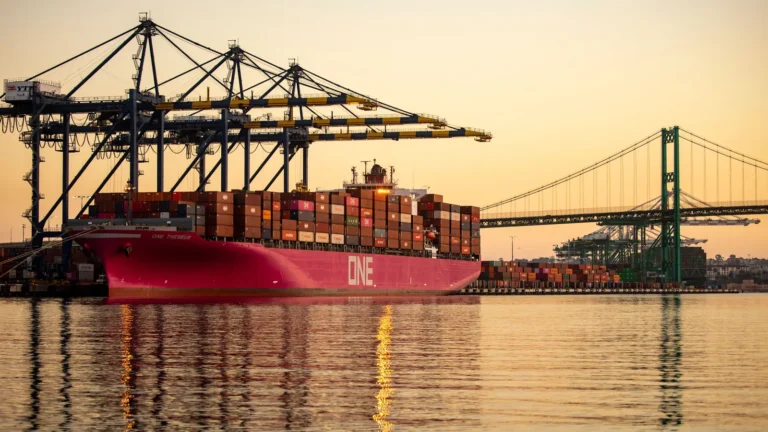
- Logistics Spending: The most immediate and visible impact of the Iran war is on logistics. Higher crude oil prices translate directly into elevated bunker fuel costs for ocean vessels, jet fuel for air cargo, and diesel for trucking fleets. This leads to increased freight rates across all modes of transportation. Additionally, disruptions in the Strait of Hormuz can cause rerouting of ships, leading to longer transit times, increased insurance premiums, and demurrage charges. Furthermore, the conflict can create port congestion and tighten overall freight capacity as shipping lines adjust their routes or face delays, driving up prices further due to supply-demand imbalances.
- Material Costs: Beyond transportation, the energy component embedded in the production of various raw materials for spices and ingredients contributes significantly to inflation. Agricultural processes, manufacturing, and even packaging materials often rely on energy-intensive inputs. Geopolitical instability can also affect the availability and pricing of specific commodities, especially those sourced from or transported through conflict zones or regions susceptible to disruption. For a company dealing with thousands of ingredients, even minor fluctuations across multiple commodities can accumulate into significant overall cost increases.
- Global Sourcing Vulnerability: McCormick’s extensive global sourcing network, while a strength in terms of diversification and access to unique ingredients, also renders it particularly susceptible to international trade disputes and geopolitical disruptions. Each border crossed, each shipping lane utilized, and each country of origin represents a potential point of vulnerability to tariffs, sanctions, or conflict-related delays.
Precedent in Refunds: A Widespread Corporate Trend
McCormick is not an isolated case in receiving and strategically utilizing tariff refunds. Other major U.S. companies have also benefited from the Supreme Court’s decision, illustrating the broad financial implications of the tariff rulings:
- BJ’s Wholesale Club: The retail giant has reportedly used its tariff reimbursements to directly benefit consumers, contributing to a reduction in overall retail prices by approximately half a percentage point. This strategy aims to enhance competitiveness and customer loyalty in a challenging economic environment.
- Deere & Co.: The agricultural and construction equipment manufacturer recovered a substantial $272 million in tariff refunds. However, despite this significant recoupment, Deere & Co. still forecasts an estimated $900 million in net tariff costs for the year, primarily due to other duties that remain in effect or are under appeal. This highlights that while refunds offer relief, they often do not fully offset the total tariff burden faced by companies.
These examples underscore that tariff refunds, while welcome, are often just one component of a larger, more complex financial picture for multinational corporations grappling with a mosaic of trade policies, geopolitical risks, and inflationary pressures.
Official Responses: McCormick’s Strategic Maneuvers and Industry Perspectives
McCormick’s leadership has been transparent about the challenges ahead and their strategic response. The statements from Marcos Gabriel, EVP and CFO, provide crucial insight into the company’s immediate priorities and outlook.

Marcos Gabriel’s Perspective: Navigating the Headwinds
Gabriel’s assertion that the Iran war will "contribute significantly" to the 6% cost inflation for the fiscal year underscores the severity of the geopolitical impact. His comments emphasize that the ripple effects, particularly the higher logistics spending and tighter freight capacity, are expected to persist for the remainder of the year.
McCormick’s decision to channel the tariff refunds directly into mitigating these increased costs is a strategic move aimed at stabilizing its financial performance in a volatile market. By using these funds, the company can potentially:
- Protect Profit Margins: Absorb a portion of the increased costs without having to fully pass them on to consumers, thereby protecting its profitability in the short term.
- Maintain Competitive Pricing: Allow the company to keep its product prices more stable, preventing significant price hikes that could alienate customers or lose market share to competitors.
- Invest in Supply Chain Resilience: Free up capital that might otherwise be used to cover these unexpected costs, potentially allowing for investments in supply chain diversification, technology, or inventory management strategies that could enhance future resilience.
This approach demonstrates a tactical agility in utilizing unexpected financial windfalls to address pressing operational challenges. It’s a reactive measure, but one that is carefully calculated to buffer the company against external shocks.
Beyond the Numbers: Broader Industry Strategies
While not explicitly stated in the provided brief, companies facing similar dual crises often pursue a multi-pronged approach to supply chain resilience:
- Supplier Diversification: Reducing reliance on single-source suppliers or those in high-risk regions.
- Regionalization/Nearshoring: Shifting production or sourcing closer to end markets to reduce transit times and exposure to long-haul disruptions.
- Inventory Optimization: Balancing the need for lean inventories with the imperative to hold sufficient buffer stock to weather disruptions.
- Advanced Analytics and Risk Management: Employing data-driven tools to identify, assess, and predict potential supply chain disruptions.
Industry analysts often view such strategic financial deployments positively, as they signal a proactive management team. "In today’s unpredictable environment, companies that can quickly adapt their financial strategies to absorb external shocks are better positioned for sustained performance," commented one hypothetical supply chain analyst, emphasizing the importance of agility. "McCormick’s move to leverage tariff refunds demonstrates a clear understanding of its immediate financial vulnerabilities and a commitment to mitigating impacts on its core business and, by extension, its consumers."
Implications: A Broader Economic and Supply Chain Landscape
McCormick’s situation is a microcosm of the larger challenges confronting global commerce. The confluence of geopolitical conflict, trade policy uncertainty, and inflationary pressures has far-reaching implications for businesses, consumers, and the global economy.

Global Supply Chain Vulnerabilities Exposed
The Iran war serves as a stark reminder of the inherent fragility of global supply chains, particularly those dependent on critical chokepoints like the Strait of Hormuz. Any disruption in such vital arteries can send shockwaves across industries, impacting everything from energy prices to the cost of everyday goods. This vulnerability is pushing companies to re-evaluate their global footprints and consider strategies that prioritize resilience over pure cost efficiency. The focus is shifting towards "de-risking" supply chains by building redundancy and flexibility.
The Enduring Cost of Geopolitics
Geopolitical tensions, whether in the Middle East or elsewhere, are increasingly becoming a permanent feature of the global business landscape. Companies must factor these risks into their long-term strategic planning, investment decisions, and operational budgets. The "cost of geopolitics" is manifesting as higher insurance premiums, increased security expenses, and the necessity for more robust risk management frameworks. Ultimately, these costs are often either absorbed by companies, impacting profitability, or passed on to consumers, contributing to broader inflationary trends.
Trade Policy Uncertainty: A Lingering Cloud
The ongoing legal battles surrounding tariffs highlight a significant source of uncertainty for businesses. The back-and-forth rulings by different courts, coupled with the potential for new presidential administrations to revisit trade policies, make long-term planning incredibly difficult. Businesses thrive on predictability, and the current environment of shifting trade rules forces them to maintain contingency plans for various tariff scenarios, adding complexity and cost to their operations. The appeal by the Trump administration regarding the Section 122 duties means that the prospect of a 10% global tariff remains a very real threat, further complicating financial forecasts and sourcing decisions.
Impact on the Consumer: The Hidden Burden
While McCormick is strategically using tariff refunds to mitigate costs, the broader trend of rising logistics and material expenses due to geopolitical conflicts and tariffs inevitably threatens consumer prices. Companies, faced with relentless cost pressures, may eventually be forced to implement price increases for their products. This could lead to reduced purchasing power for consumers and contribute to a general slowdown in economic growth. The ability of companies like McCormick to absorb these costs, even partially, can temporarily shield consumers, but the underlying pressures remain potent.
Evolving Strategies for Future Resilience
In response to these multifaceted challenges, the corporate world is accelerating its adoption of advanced supply chain strategies. This includes:
- Digital Transformation: Leveraging AI, machine learning, and blockchain for enhanced visibility, predictive analytics, and more efficient operations.
- Circular Economy Principles: Exploring ways to reduce reliance on new raw materials, thereby mitigating price volatility and geopolitical risks.
- Collaborative Partnerships: Working more closely with suppliers, logistics providers, and even competitors to share risks and build collective resilience.
- Scenario Planning: Developing robust models to anticipate and respond to a wider range of potential disruptions, from pandemics to geopolitical conflicts.
The ongoing challenges faced by McCormick & Co. are a clear indicator that businesses must not only adapt to current crises but also fundamentally transform their operating models to thrive in an increasingly volatile and interconnected world. The strategic deployment of tariff refunds offers a temporary shield, but the long-term solution lies in building inherently resilient, agile, and diversified global supply chains.
About the Author