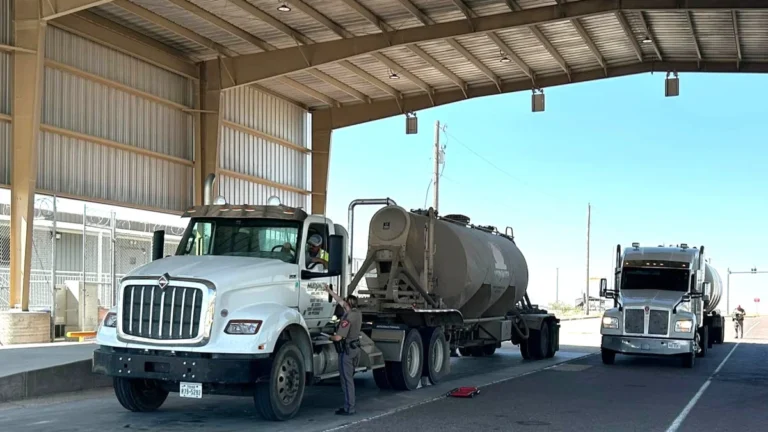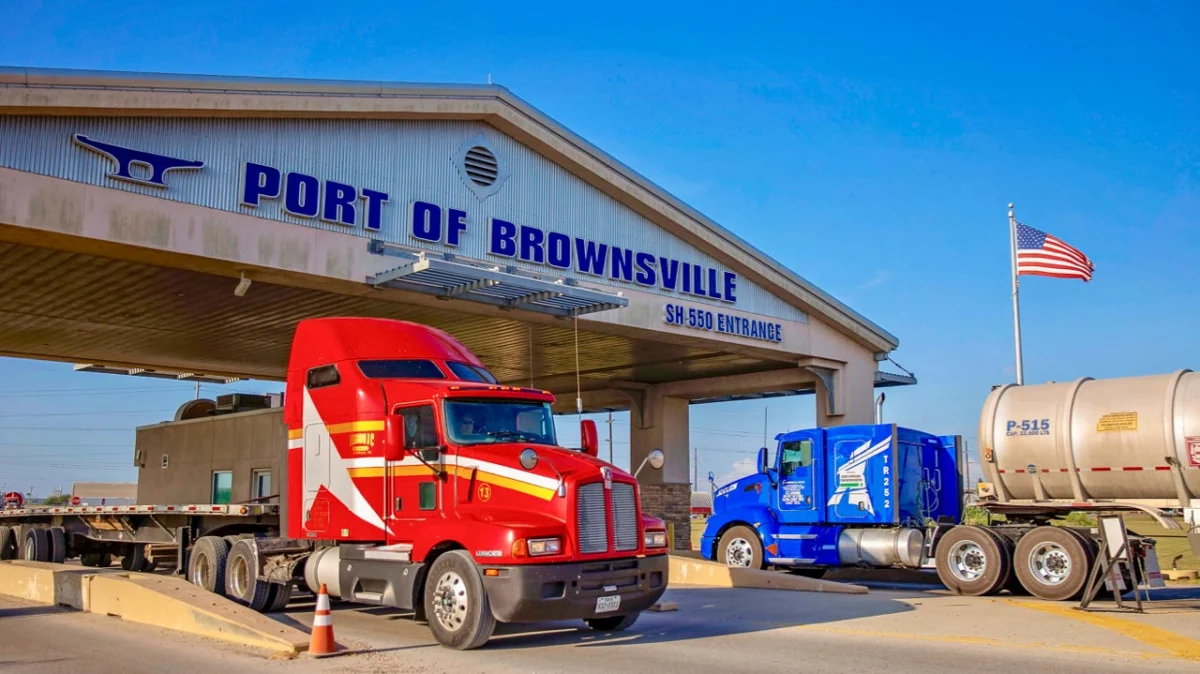
In a move that promises to redefine the landscape of American naval and commercial shipbuilding, autonomous maritime technology pioneer Saronic has announced its selection of the Port of Brownsville, Texas, as the site for "Port Alpha"—a massive, next-generation shipyard facility. With a planned investment exceeding $3 billion, the project stands as one of the largest private capital commitments to U.S. maritime infrastructure in decades, signaling a paradigm shift toward software-defined, autonomous vessel manufacturing.
The announcement, made on Thursday, positions South Texas at the heart of a national effort to revitalize the U.S. maritime industrial base. By integrating advanced software-defined manufacturing with traditional heavy-duty shipbuilding, Saronic intends to bridge the gap between emerging defense technologies and the urgent need for expanded domestic production capacity.
The Core Vision: A Software-Defined Shipyard
Port Alpha is not envisioned as a traditional shipyard in the historical sense. Instead, Saronic is marketing the facility as a "software-defined shipyard." This hybrid model focuses on the high-volume production of autonomous maritime vessels, catering to both the burgeoning commercial sector and the increasingly tech-heavy defense industry.
"America’s maritime future depends on our ability to build again," said Dino Mavrookas, co-founder and CEO of Saronic, in a statement accompanying the announcement. "Port Alpha is our commitment to that mission. It is about rebuilding the industrial capacity, workforce, and manufacturing advantage required to ensure American maritime leadership for decades to come."
The facility is designed to be highly scalable. Initially occupying 835 acres of the 40,000-acre Port of Brownsville, the site has the potential to expand to nearly 4,400 acres. At full capacity, the yard will be capable of constructing vessels up to 850 feet in length, with infrastructure plans already in place to eventually accommodate ships exceeding 1,200 feet.
Chronology of the Project
The journey toward Port Alpha began with a strategic assessment of U.S. port infrastructure and a drive to secure locations that offer both geographic advantages and room for massive industrial expansion.
- Early 2025: Saronic acquires a shipyard in Franklin, Louisiana, as a precursor to their larger national expansion strategy. The company commits $300 million to that facility to ramp up production of its 180-foot autonomous "Marauder" vessels.
- June 2026: The Port of Brownsville completes the $295.2 million Brazos Island Harbor Improvement Project, which deepened the Brownsville Ship Channel by 10 feet. This infrastructure upgrade was a decisive factor in making the port "shipyard-ready" for large-scale maritime construction.
- July 2026: Reports from the Texas Tribune highlight a $211 million tax incentive package approved by Cameron County officials to lure the project to the region.
- Late 2026: Official announcement of the Port Alpha project, with groundbreaking expected to commence before the end of the year.
Supporting Data and Economic Projections
The scale of the Port Alpha project is reflected in the staggering economic forecasts provided by Saronic. The company projects that the shipyard will generate more than $160 billion in economic impact for Cameron County, with a total statewide impact reaching $264.5 billion.
The commitment to job creation is equally ambitious. Saronic has pledged to create up to 10,000 jobs in South Texas over the next decade. These roles will range from high-tech software engineering and systems integration to traditional maritime trades, including welding, shipfitting, and electrical assembly.
The financial framework of the deal is heavily supported by local government incentives. The $211 million tax break approved by Cameron County serves as a cornerstone of the agreement, contingent upon Saronic’s promise to invest $3.2 billion and adhere to the aggressive hiring targets. This public-private synergy is seen as a blueprint for other regions aiming to attract high-capital manufacturing investments.
The Strategic Importance of the Port of Brownsville
The choice of the Port of Brownsville is a calculated strategic move. Founded in 1936 and located on the U.S.-Mexico border, the port offers unique logistical advantages:
- Deepwater Access: The 17-mile-long ship channel, recently deepened, allows for the movement of massive vessels directly into the Gulf of Mexico.
- Multimodal Connectivity: The port’s existing rail, road, and water infrastructure allows for the efficient transport of materials and finished products, a critical requirement for a modern manufacturing hub.
- Expansion Potential: Unlike many older ports in the U.S. that are constrained by urban density, the Port of Brownsville offers vast, contiguous acreage, which was essential for Saronic’s requirement for a 4,400-acre future footprint.
Implications for U.S. Maritime Policy
Saronic’s initiative does not exist in a vacuum. The company has explicitly tied its mission to current federal initiatives aimed at restoring U.S. maritime dominance. This includes alignment with presidential executive orders focused on domestic industrial security and proposed legislative frameworks like the SHIPS Act and the Maritime Action Plan.
By focusing on autonomous vessels, Saronic is addressing a specific bottleneck in the U.S. naval strategy: the need for a larger, more affordable, and technologically sophisticated fleet that can operate in contested environments without putting human crews at undue risk. If successful, Port Alpha could become the primary engine for the U.S. Navy’s transition toward a distributed maritime force.
Contention and Public Response
Despite the economic optimism, the project has not been without controversy. Local environmental groups and community members have voiced concerns regarding the potential ecological impact of a project of this magnitude in the sensitive coastal region of the Gulf of Mexico.
Critics have questioned the long-term impact of expanding defense-focused manufacturing in the Rio Grande Valley. There is also a vocal segment of the community concerned with the "trickle-down" reality of such large tax incentives, questioning whether the jobs will be filled by local residents or if the economic benefits will truly be shared across the region’s diverse population.
"We need to ensure that this isn’t just an island of high-tech manufacturing in a sea of local underemployment," noted one community organizer following the announcement. The pressure will be on Saronic to demonstrate that their commitment to the region extends beyond the physical construction of the shipyard to deep-rooted community development and workforce training programs.
Conclusion: A Turning Point for American Industry
The establishment of Port Alpha represents a high-stakes gamble on the future of maritime technology. By betting $3 billion on a software-defined shipyard, Saronic is essentially betting on the idea that the future of the sea belongs to autonomous systems.
As construction prepares to begin, the project serves as a litmus test for the "re-industrialization" of the United States. If Saronic can deliver on its promises of massive job creation and technical innovation, Port Alpha may well become the anchor for a new era of American maritime dominance. Conversely, the project serves as a focal point for the broader debate regarding the cost, necessity, and environmental responsibility of modern industrial expansion.
The world—and the U.S. defense establishment—will be watching the Port of Brownsville closely over the next few years. The success of Port Alpha will not only define Saronic’s future but could set the template for how the United States rebuilds its industrial soul in the 21st century.
About the Author