The U.S. import landscape is currently bracing for a pivotal transition. As the clock ticks toward July 24, the expiration of the 10 percent global import surcharge—imposed under Section 122 of the Trade Act of 1974—has created a state of high-stakes uncertainty for businesses across the country. While the Federal Circuit’s June 11 decision to maintain the tariffs provided a temporary procedural victory for the administration, the statutory limit of 150 days without congressional approval serves as an immovable deadline.
For importers, this period represents more than just a regulatory shift; it is a fundamental challenge to supply chain stability, contract integrity, and long-term capital investment. As the current "one-size-fits-all" surcharge prepares to sunset, the industry is left wondering: will the administration transition to a more fragmented, targeted tariff regime, and can businesses plan for a future defined by policy volatility?
Chronology of the Section 122 Surcharge
The current tariff regime is the result of a rapid succession of legal and administrative maneuvers. Understanding this timeline is essential for firms attempting to forecast future policy shifts.
- February 2026: The Supreme Court delivered a landmark ruling, striking down the administration’s "Liberation Day" tariffs on the grounds that they were not authorized under the International Emergency Economic Powers Act (IEEPA).
- Late February 2026: In a swift response to the court’s decision, the administration invoked Section 122 of the Trade Act of 1974, implementing a 10 percent temporary import surcharge intended to address "fundamental international payments problems."
- May 2026: The Court of International Trade invalidated the surcharge as applied to the specific plaintiffs in a high-profile case, though it notably declined to issue a universal injunction.
- June 2026: The Federal Circuit stayed the lower court’s relief, effectively keeping the surcharge in place while the government’s appeal proceeds.
- July 24, 2026: The statutory 150-day window for the Section 122 surcharge expires. Absent congressional intervention, the global tariff measure must lapse.
Supporting Data: The Cost of Uncertainty
The volatility of the last two years has forced U.S. retailers and manufacturers into defensive, often costly, operational postures. The economic data from recent months highlights a clear trend: when policy becomes unpredictable, supply chain behavior becomes erratic.
The "Frontloading" Phenomenon
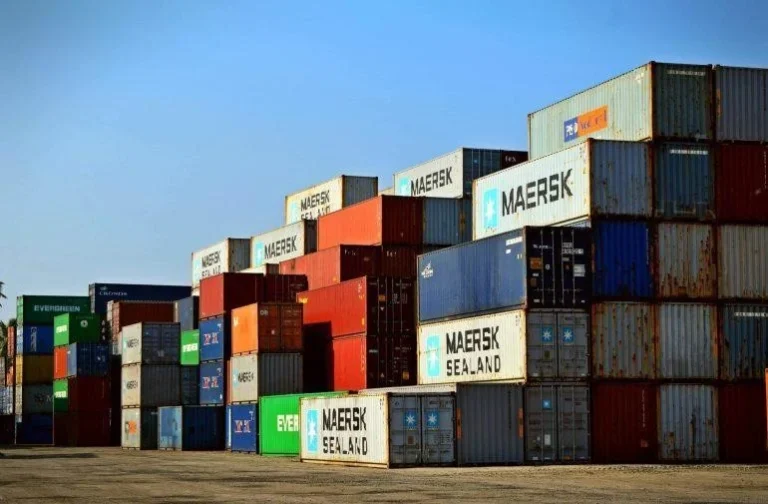
Data indicates that many U.S. retailers have moved their holiday inventory orders forward by four to six weeks. By securing goods in May and June—rather than the traditional July-to-September peak—companies are attempting to "tariff-proof" their shelves. This behavior has led to an artificial tightening of container space and a subsequent spike in shipping costs.
This pattern is not unprecedented. In the first quarter of 2025, real imports surged at an annual rate of 43 percent as firms rushed to beat looming tariff deadlines. When those tariffs took effect in April 2025, import volumes plummeted, illustrating the "boom-and-bust" cycle that excessive policy intervention creates.
The Small Business Burden
Small-to-medium enterprises (SMEs) are disproportionately affected by this volatility. According to the 2026 Federal Reserve Survey of Employer Firms, 48 percent of small firms rely on international inputs. The financial impact of the 10 percent surcharge is significant:
- 76 percent of surveyed firms passed at least a portion of the increased input costs onto their customers.
- 60 percent were forced to absorb some of the costs themselves, squeezing already narrow margins.
- Only 13 percent were able to successfully pivot to domestic suppliers, proving that supply chain diversification is a long-term goal that cannot be accomplished in the face of sudden, short-term tariff threats.
Strategic Implications for Importers
The looming expiration of Section 122 forces importers to confront three critical areas: inventory strategy, contractual obligations, and compliance infrastructure.
Contractual Burden-Sharing
With the legal landscape in flux, "change-in-law" clauses have become the most negotiated terms in international supply contracts. Importers of record are currently being advised by legal counsel to perform a granular audit of their agreements to determine who bears the burden of duty increases. Without clear contractual language, the responsibility for the 10 percent surcharge often falls entirely on the importer, leading to disputes with foreign suppliers and domestic retail partners.
Compliance and Enforcement
The administration’s recent executive order—which directed Customs and Border Protection (CBP) to heighten oversight—has made "customs hygiene" a top priority. Firms are now facing higher bonding requirements and increased requests for detailed data regarding ownership structures and asset values. As the tariff regime potentially shifts from a global surcharge to a more complex, product-specific system, the risk of technical non-compliance increases. Importers must prioritize the accuracy of their country-of-origin determinations and declared values to avoid audits and potential civil penalties.
The Post-July 24 Landscape: A Patchwork Future
The central question remains: what comes after July 24? While Congress could technically extend the Section 122 measure, the political appetite for such a move remains unclear. Industry analysts anticipate that the administration will likely pivot toward existing, more targeted trade authorities.
The Rise of Section 301
The most likely successor to the global surcharge is an expansion of Section 301 of the Trade Act of 1974. Unlike the broad Section 122, Section 301 requires the United States Trade Representative (USTR) to perform country-specific investigations into "unreasonable or discriminatory" foreign practices.
The USTR has already completed investigations into forced labor practices across 60 countries and has proposed tariffs ranging from 10 to 12.5 percent. Furthermore, investigations into structural excess capacity across 16 economies are currently underway. While this approach provides a firmer legal foundation than a global surcharge, it creates a "patchwork" environment where tariffs are applied inconsistently across different sectors and nations.
The Risks of Section 232 and Section 338
Section 232, which focuses on national security, remains a potent tool for the administration to protect specific domestic industries. However, it requires a lengthy interagency process, making it less suitable for rapid, broad-based tariff application.
Conversely, Section 338 allows for duties of up to 50 percent or even total import exclusions if a country is found to be discriminating against U.S. commerce. While this is a powerful deterrent, it is also highly escalatory. If the administration leans on Section 338, it risks triggering retaliatory measures from trading partners, which would introduce a new layer of geopolitical risk to global supply chains.
Conclusion: Planning for Fragility
As the July 24 deadline approaches, the era of the global import surcharge appears to be nearing its end. However, the stability that businesses crave is unlikely to follow immediately. Instead, the transition will likely result in a more fragmented regulatory environment characterized by sector-specific and country-specific duties.
For importers, the primary takeaway is that the "wait-and-see" approach is no longer sustainable. The new trade landscape requires:
- Increased Sophistication: Deep dives into product classification and tariff code interaction to predict costs under potential new regimes.
- Agility: A move toward flexible contract terms that account for future, rather than current, trade policy.
- Data Integrity: Proactive management of customs records to withstand the increased scrutiny mandated by recent executive orders.
The ultimate test for the next phase of U.S. trade policy will not be the height of the tariffs themselves, but whether the government can provide enough lead time and predictability for businesses to invest, source, and grow. Until that stability is achieved, importers must treat every policy announcement as a potential inflection point for their bottom line.
Disclaimer: This article is for informational purposes and does not constitute legal or financial advice. Businesses are encouraged to consult with international trade counsel regarding their specific supply chain and compliance requirements.
About the Author