MEMPHIS, TN – [Date] – FedEx has released its comprehensive schedule of demand surcharges for the 2026 peak shipping season, revealing significant increases, particularly for lower-cost, high-activity segments like Ground Residential and Ground Economy services. The move underscores the company’s evolving strategy to prioritize profitability over sheer volume, a shift that is poised to impact e-commerce shippers and consumers navigating the crucial holiday shopping period.
The surcharges, which will be implemented across various services from late September through mid-January 2027, represent a continued trend in the logistics industry to manage unprecedented package volumes and rising operational costs during the busiest time of the year. While annual peak season fees have become a staple for major carriers, the magnitude and targeted nature of FedEx’s 2026 adjustments signal a more aggressive approach to revenue management and network optimization.
Main Facts: Navigating the 2026 Peak Season Fee Landscape
FedEx’s 2026 peak season surcharge schedule outlines a series of fees designed to address the increased strain on its network during the holiday rush. These surcharges are categorized by service type and package characteristics, with varying effective dates and price ranges. Shippers, particularly those heavily reliant on ground and economy services, face the prospect of substantially higher shipping costs.
The effective dates for most surcharges span from September 28, 2026, to January 17, 2027, covering the critical pre-holiday, holiday, and post-holiday return periods. Demand surcharges for specific express and ground services will commence slightly later, on October 26, 2026, through January 17, 2027.
Key Surcharges and Their Ranges:
- Additional Handling Surcharge: Applicable to U.S. Package Services and FedEx International Ground shipments, this fee will range from $8.80 to $11.85 per package. This surcharge targets packages that require extra manual handling due to their size, weight, or packaging, indicating a continued push to automate and streamline package flow.
- Oversize Charge: Also affecting U.S. Package Services and FedEx International Ground, the Oversize Charge will fall between $95.75 and $117.25. This substantial fee aims to discourage the shipment of exceptionally large items that consume significant space and resources within the carrier’s network.
- Ground Unauthorized Package Charge: A particularly steep penalty, this charge applies to FedEx Ground, FedEx Home Delivery, and FedEx International Ground shipments deemed "unauthorized" – typically packages exceeding the maximum dimensions or weight allowed for these services. Shippers could face a charge ranging from $535 to $595 per package, highlighting the importance of adhering strictly to carrier guidelines.
Demand Surcharges – Reflecting Volume Pressure:
These surcharges are directly tied to the heightened demand during the peak season and vary by service level:
- Premium Express Services: For FedEx First Overnight, Priority Overnight, and Standard Overnight (excluding FedEx One Rate packages), the demand surcharge will range from $1.30 to $2.55.
- Mid-Tier Express Services: FedEx 2Day A.M., FedEx 2Day, and FedEx Express Saver (excluding FedEx One Rate packages) will see a demand surcharge of $1.20 to $2.35.
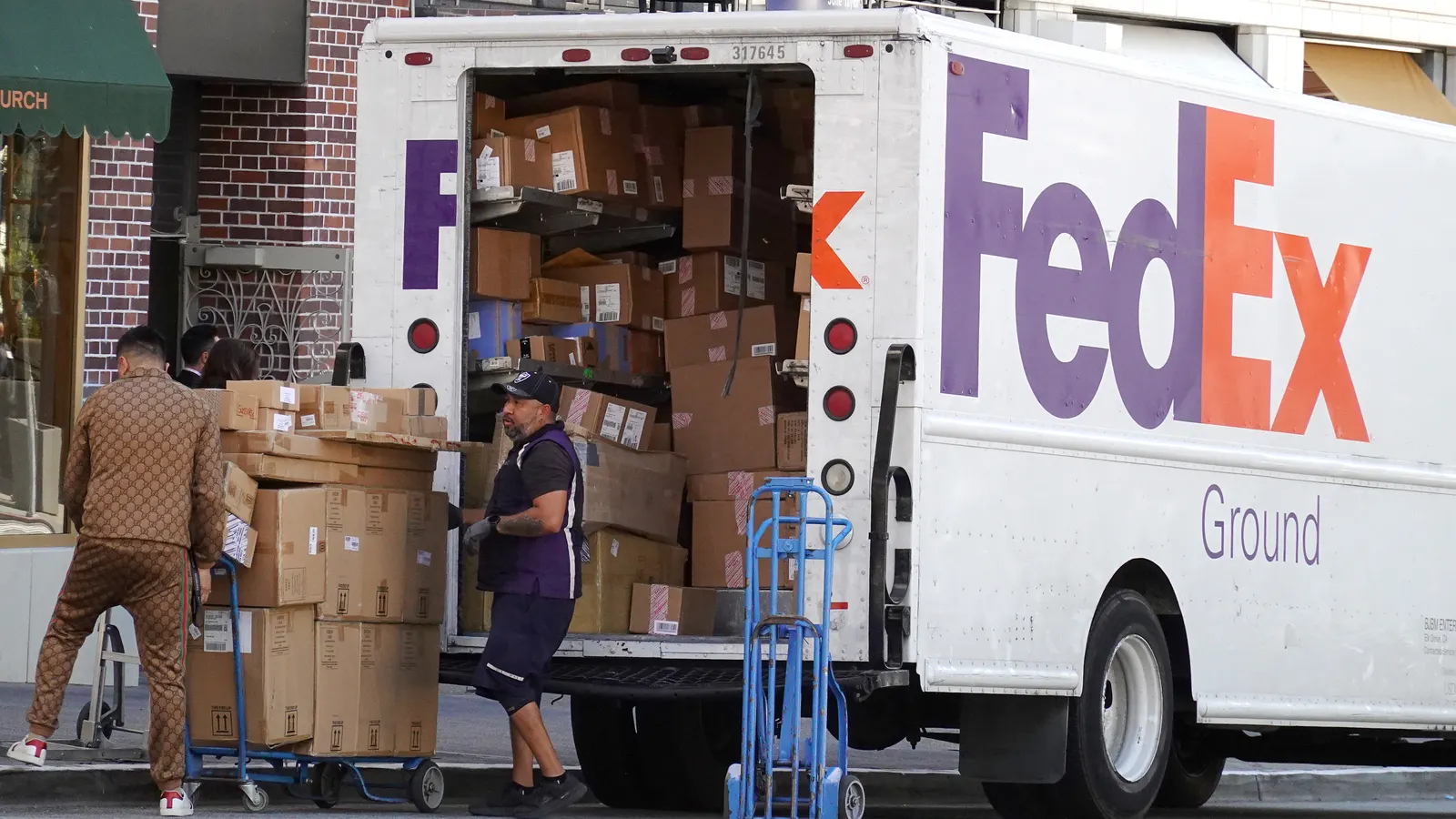
- Ground Residential Shipments: This is an area of significant concern for e-commerce. FedEx Ground residential shipments and FedEx Home Delivery residential shipments will incur a demand surcharge ranging from $0.50 to $0.80. As highlighted by a ShipScience analysis, this represents a substantial increase, peaking at $0.80 compared to $0.65 last year – a 23% jump. The cumulative impact across vast e-commerce volumes is expected to be considerable.
- FedEx Ground Economy Package Services: This cost-effective service will also see a demand surcharge, ranging from $2.55 to $4.05.
- Demand – Residential Delivery Charge*: This special surcharge applies to enterprise-level customers who ship more than 20,000 residential and Ground Economy packages. The price, ranging from $1.70 to $9.35, will be determined by how much their volume deviates from their shipping activity during the June 1 to June 28 period. This tiered approach is designed to manage capacity for the highest-volume shippers and potentially incentivize more predictable shipping patterns.
The immediate takeaway for shippers is the clear indication of escalating costs, especially for those who rely heavily on ground services for residential deliveries, which form the backbone of e-commerce logistics.
Chronology: The Evolution of Peak Season Surcharges
The concept of peak season surcharges is a relatively modern phenomenon in the shipping industry, largely a response to the explosive growth of e-commerce and the subsequent strain on carrier networks during the holiday season. Prior to the mid-2010s, carriers typically absorbed the increased costs of seasonal staffing, extended hours, and additional infrastructure without specific, publicly declared surcharges. The price of shipping generally increased annually, but without the granular, demand-based fees we see today.
The Dawn of Peak Season Fees:
UPS is often credited with pioneering the modern peak season surcharge model, first announcing specific holiday surcharges in 2017. FedEx quickly followed suit, recognizing the necessity to offset the extraordinary operational demands of the holiday rush. The initial rationale was clear: the sheer volume of packages, particularly residential deliveries driven by online shopping, required significant investment in temporary labor, expanded facilities, and additional delivery vehicles. These costs, carriers argued, could not be sustainably absorbed within the standard rate structure.
Annualization and Escalation:
What began as an intermittent measure quickly became an annual fixture. Each year since 2017, both FedEx and UPS have unveiled their peak season surcharge schedules, consistently refining and often expanding the scope and magnitude of these fees. The categories of surcharges have grown more specific, targeting not just general demand but also package characteristics (oversize, additional handling), delivery locations (residential), and even customer segments (enterprise-level volume deviations).
Responding to E-commerce Growth:
The timing coincided with the exponential growth of e-commerce, which transformed the holiday shopping season from a brick-and-mortar event to a digital-first phenomenon. Retailers increasingly relied on carriers to deliver a growing percentage of their sales directly to consumers’ homes. This shift created a "peak of the peak" problem, where the volume of packages could easily overwhelm carrier networks, leading to delays and service disruptions. Peak surcharges became a critical tool for carriers to manage this volatility, not only by generating revenue but also by influencing shipper behavior – encouraging more efficient packaging, better forecasting, and potentially spreading out shipments.
FedEx’s Recent History:
FedEx, in particular, has become increasingly strategic with its peak pricing. The company’s financial reports over the past few years have frequently highlighted the importance of peak season profitability. For instance, 2025 was cited as FedEx’s most profitable peak season ever, a testament to the effectiveness of its pricing strategies and network management during high-demand periods. This success reinforces the carrier’s commitment to these surcharges as a vital component of its financial health and operational stability. The consistent application and increasing differentiation of these fees reflect a mature strategy aimed at maximizing yield from every package handled during the most critical quarter of the year.
Supporting Data: Deconstructing the Cost Implications
The detailed breakdown of FedEx’s 2026 peak season surcharges, particularly when viewed through the lens of recent shipping cost trends, paints a picture of growing financial pressure on shippers. The provided table offers a granular view of where these increases will hit hardest, with lower-cost, high-activity segments bearing the brunt.
The Compounding Effect on E-commerce:
The ShipScience analysis referenced in the original article is particularly insightful, noting that the largest jumps are "concentrated in lower-cost, high-activity segments like Ground Residential and Ground Economy, which will ‘compound quickly across e-commerce parcel volume.’" This observation is critical for online retailers. A 23% increase in demand surcharges for Ground Residential shipments, rising from $0.65 last year to $0.80 per package this year, might seem modest in isolation. However, for a medium-sized e-commerce business shipping tens of thousands or even hundreds of thousands of residential packages during the holiday season, this increment quickly translates into significant additional costs.
Consider an online retailer shipping 100,000 residential packages via FedEx Ground during the peak season. Last year, this would have incurred an additional $65,000 in demand surcharges. In 2026, the same volume will cost $80,000 – a $15,000 increase purely from this single surcharge category. When factoring in other potential surcharges like additional handling or oversized fees, the cumulative impact can be substantial, directly affecting profit margins.
Targeting Volume and Package Characteristics:
The various surcharge categories reflect FedEx’s strategy to address specific pain points within its network:
- Additional Handling and Oversize Charges: These fees directly target packages that deviate from standard dimensions and weights, which are more labor-intensive to sort and transport. By increasing these charges, FedEx incentivizes shippers to optimize packaging and adhere to more efficient standards, reducing manual intervention and maximizing trailer space. The nearly $117.25 for oversize packages and over $11.85 for additional handling during peak indicate a strong deterrent.
- Ground Unauthorized Package Charge: The extreme cost of $535 to $595 for an unauthorized package underscores the severe disruption such items cause. These packages often require manual rerouting, specialized equipment, or even removal from the system, incurring significant unforeseen costs for the carrier. This charge serves as a powerful warning for shippers to meticulously verify package specifications.
- Demand Surcharges by Service Level: The differentiation in demand surcharges across express, ground, and economy services reflects the varying operational costs and customer expectations associated with each. Express services, which already command higher base rates, see smaller percentage increases compared to the higher percentage increases for Ground Residential, indicating where FedEx sees the greatest capacity constraints and seeks to manage demand most aggressively.
The Broader Economic Context:
These surcharges do not exist in a vacuum. They are part of a larger trend of "climbing shipping costs" for both FedEx and UPS customers, exacerbated by factors like "elevated fuel fees." Global supply chain disruptions, labor shortages, inflationary pressures on wages, and increased investment in automation and infrastructure all contribute to a rising cost environment for logistics providers. Fuel prices, in particular, are notoriously volatile and can significantly impact carrier profitability, often leading to separate, fluctuating fuel surcharges that compound the peak season fees.
Furthermore, the overall e-commerce market continues its robust growth, with holiday e-commerce spending projected to reach hundreds of billions of dollars (e.g., $258 billion cited in previous reports for 2025 holidays). This surge, while lucrative, places immense pressure on carrier networks, validating the carriers’ need for dynamic pricing strategies to manage capacity and ensure service reliability.
Official Responses: FedEx’s Strategic Vision
FedEx’s communication surrounding these surcharges, particularly from its leadership, provides crucial insight into the company’s long-term strategic direction. The core message is clear: a deliberate shift away from undifferentiated, low-margin e-commerce volume in favor of more profitable segments, such as healthcare.
The "Win-Win" Rationale:
Brie Carere, FedEx’s EVP and Chief Customer Officer, articulated the company’s perspective during its 2026 Investor Day, describing peak season surcharges as "a win-win" for both the customer segment and FedEx. Her reasoning highlights the mutual benefit: "It lets them sell at Christmas and it allows us to bring on the resources profitably to do that." This statement encapsulates the carrier’s dual objective: to enable retailers to capitalize on the holiday shopping boom while ensuring FedEx can do so in a financially sustainable manner.
From FedEx’s standpoint, these fees are not merely revenue generators but essential tools for capacity management. The holiday season necessitates a significant ramp-up in resources, including hiring thousands of seasonal workers, deploying additional vehicles, and operating facilities at maximum capacity. These investments are costly, and without surcharges, the economic viability of handling peak volume would be challenged. By imposing these fees, FedEx aims to ensure that the incremental costs associated with peak operations are covered, allowing it to maintain service quality and reliability during a period of immense strain.
Strategic Pivot Towards Profitability:
The most significant aspect of FedEx’s recent announcements is its explicit declaration of "decreased interest in pursuing general e-commerce volume." This is a notable departure from the earlier growth-at-all-costs mentality that characterized the early days of the e-commerce boom. Instead, FedEx is actively "prioritizing more profitable segments like healthcare."
This strategic pivot is not a rejection of e-commerce entirely, but rather a more selective approach. FedEx is signaling that it is no longer willing to chase every e-commerce package, especially those that are less profitable to deliver due to size, weight, destination, or customer characteristics. Instead, it aims to focus its network and resources on segments where it can achieve higher margins, better leverage its specialized capabilities (e.g., cold chain logistics for healthcare), and potentially forge deeper, more lucrative relationships with enterprise clients.
The increasing surcharges on Ground Residential and Ground Economy services for e-commerce shippers can be interpreted as a mechanism to either:
- Extract higher profitability from the e-commerce volume they do handle, reflecting the true cost of delivery.
- Incentivize shippers to seek alternatives for less profitable segments, thereby reducing FedEx’s exposure to low-margin volume and freeing up capacity for more strategic shipments.
This strategic recalibration suggests that FedEx is seeking to optimize its network for maximum yield and efficiency, even if it means ceding some market share in general e-commerce to competitors or specialized last-mile providers. It’s a calculated move to ensure long-term financial health and focus on areas where FedEx can deliver superior value and command premium pricing.
Implications: Navigating the New Normal in Logistics
The announcement of FedEx’s 2026 peak season surcharges, coupled with its strategic pivot, carries significant implications for a wide array of stakeholders, from small businesses and large retailers to individual consumers and the broader logistics industry.
For Shippers and Businesses:
- Increased Operating Costs: The most immediate and direct impact will be higher shipping costs. E-commerce businesses, in particular, will face considerable pressure, especially those with high volumes of residential and Ground Economy shipments. These increased costs can erode profit margins, especially for products with already thin margins.
- Need for Advanced Planning and Budgeting: Shippers must now integrate these peak surcharges into their annual budgeting process with greater precision. Relying on historical data alone will be insufficient; detailed analysis of FedEx’s specific fee structures will be paramount.
- Parcel Pricing Expertise Becomes Critical: Understanding the nuances of carrier contracts and surcharges will be more vital than ever. Businesses will need to employ or consult with parcel pricing experts to analyze their shipping profiles, identify cost hotspots, and develop strategies to mitigate impact.
- Pressure to Negotiate Discounts: Large-volume shippers will be compelled to negotiate more aggressively for tailored discounts and exceptions to standard surcharges. However, FedEx’s stated strategy to prioritize profitability suggests that such negotiations may become more challenging.
- Incentivizing Early Purchases: To avoid the brunt of peak surcharges and potential delays, retailers may increasingly incentivize consumers to shop earlier in the season (e.g., pre-October sales events), thereby spreading out demand and reducing their peak-period shipping exposure.
- Diversification of Carrier Strategies: The escalating costs and FedEx’s strategic shift will accelerate the trend towards multi-carrier strategies. Shippers will explore a broader range of alternatives, including:
- UPS: While UPS also implements peak fees, shippers will compare their 2026 rates (once announced) to FedEx’s to find the most cost-effective option.
- USPS: The United States Postal Service often offers competitive rates, particularly for lighter residential packages, and its fee structures differ.
- Regional Carriers: A growing number of regional carriers offer specialized services and potentially lower costs for specific geographic areas.
- Amazon Logistics: For businesses selling on Amazon, utilizing Amazon’s increasingly robust logistics network could become more attractive.
- In-house Logistics: Very large retailers might consider expanding their own delivery networks or partnering with dedicated last-mile providers.
- Impact on Consumer Pricing: Ultimately, some portion of these increased shipping costs may be passed on to consumers, either through higher product prices, increased shipping fees, or adjusted free shipping thresholds. This could influence consumer purchasing behavior during the holidays.
- Operational Adjustments: Shippers may also need to adjust their packaging to avoid additional handling or oversize charges, improve address accuracy to prevent rerouting fees, and optimize their inventory management to reduce reliance on expedited services during peak.
For Consumers:
- Higher Shipping Costs: Consumers may see higher shipping fees at checkout, especially for expedited services or larger items.
- Incentives for Early Shopping: Retailers’ efforts to mitigate peak surcharges could manifest as earlier holiday sales or promotions, encouraging consumers to complete their shopping before the peak fees fully kick in.
- Potential for Longer Delivery Times: While carriers aim to maintain service levels, the immense volume during peak season, coupled with carriers’ efforts to manage costs, could still lead to some longer delivery times, especially for standard ground services.
For the Logistics Industry:
- Continued Dynamic Pricing: Peak season surcharges are now a permanent fixture and will likely become even more sophisticated, with dynamic pricing models that adjust based on real-time network capacity and demand.
- Increased Competition and Innovation: The rising costs from major carriers will spur innovation among smaller, regional, and specialized logistics providers, creating more options for shippers.
- Focus on Efficiency and Automation: Carriers will continue to invest heavily in automation and technology to reduce manual handling and improve efficiency, thereby mitigating the underlying costs that drive these surcharges.
- Data-Driven Decisions: The strategic shift by FedEx highlights the increasing importance of data analytics in logistics, allowing carriers to precisely identify profitable segments and optimize their networks accordingly.
- Anticipation of UPS’s Announcement: The industry will keenly await UPS’s 2026 peak season surcharge announcement, which is expected to follow a similar pattern, potentially reinforcing the competitive dynamics or revealing divergent strategies.
Broader Economic Impact:
- Inflationary Pressures: Increased shipping costs contribute to overall inflationary pressures, impacting the cost of goods sold across various sectors.
- Retail Margin Compression: For retailers unable to pass on the full cost increases, profit margins could face further compression, particularly in a competitive e-commerce landscape.
In conclusion, FedEx’s 2026 peak season surcharges are more than just an annual adjustment; they are a clear manifestation of a strategic pivot towards profitability and network optimization. Shippers must proactively adapt to this new reality by meticulously analyzing their shipping profiles, exploring alternative strategies, and engaging in robust negotiations to navigate what promises to be an even more challenging and costly holiday shipping season. The era of low-cost, undifferentiated e-commerce shipping appears to be definitively over, ushering in a new normal where efficiency, strategic partnerships, and precise cost management are paramount.
About the Author