After several years of market hibernation and cautious observation, the global corporate dealmaking engine is finally roaring back to life. Following a prolonged period of sluggish activity characterized by high interest rates and macroeconomic volatility, the M&A landscape in 2026 is witnessing a definitive shift. CEOs are stepping back into strategic acquisition mode, buoyed by stronger balance sheets and a newfound sense of stability.
However, this is not a return to the "go-go" days of 2021, when 62,000 deals were inked in a feverish, valuation-blind rush. Today’s market is defined by a more sober, surgical, and value-oriented approach. As private equity firms look to deploy an estimated $2 trillion in "dry powder" and founders reconsider stalled exit plans, the survivors of the recent market cycle are proving that successful dealmaking now requires more than just capital—it requires deep cultural empathy, technological foresight, and a long-term strategic horizon.
The State of the Market: A Return to Form
The data supports the narrative of a robust recovery. According to S&P Global, the first quarter of 2026 saw 7,924 announced transactions, representing a total value of $861 billion. This represents the strongest start to a year since the record-breaking heights of 2021.

Yet, the "SaaSpocalypse"—the dramatic valuation reset in the software sector triggered by the rapid proliferation of AI agents—serves as a cautionary tale. While AI is fueling a new wave of acquisitions, it has also created pockets of deep inactivity where valuations have plummeted, leaving once-heralded firms in a precarious "fire sale" environment. The current environment is one of extreme contrast: while some sectors are seeing a surge in activity, others remain mired in the difficult task of recalibrating expectations between buyers and sellers.
Chronology of a Shift
- 2021 (The Peak): A historic, high-volume M&A cycle fueled by cheap debt and exuberant growth projections.
- 2022–2024 (The Freeze): Interest rate hikes and geopolitical instability force a widespread "wait and see" approach. Deal volume stalls as valuation gaps widen.
- 2025 (The Stabilization): Strategic players begin testing the waters, focusing on bolt-on acquisitions and debt management rather than massive, transformative mergers.
- Q1 2026 (The Rebound): Market conditions stabilize, leading to the strongest Q1 performance since 2021. The focus shifts toward AI integration, cultural synergy, and proprietary deal sourcing.
The New Rules of Engagement: Strategic Rigor
Modern M&A veterans emphasize that the playbook for 2026 has fundamentally changed. The reliance on investment bankers to drive competitive auctions is being replaced by "concierge" sourcing—a method of direct, long-term outreach designed to avoid the cost and friction of bidding wars.
The "Concierge" Approach
Limbach CEO Michael McCann is a prime example of this philosophy. Having steered his $650 million building systems company through six transactions since 2021, McCann prioritizes fit over speed. "We want to talk to the company for six to nine months at the bare minimum, and sometimes that ends up being three or four years," McCann says.
By building relationships with founders long before a formal deal is on the table, companies like Limbach can perform deep due diligence on staff stability, customer concentration, and cultural alignment. This approach turns the buyer into a trusted advisor, allowing them to understand the seller’s long-term goals while mitigating the risk of post-acquisition surprises.
The Power of Direct Outreach
Phil Nardone Jr., CEO of the $30 million marketing agency PAN Communications, has found success by "pounding the pavement" directly. By identifying high-performing firms through industry journals and initiating candid conversations, Nardone achieved an 80% success rate in securing initial meetings. "People were flattered and honored," he notes. "Several said, ‘I’m not considering an acquisition, but I would love to talk.’ Fast forward, all three of the acquisitions I made began that way."
Supporting Data and Sector Trends
The current M&A environment is not uniform. The tech sector, particularly software, remains the most volatile. As Savneet Singh, CEO of PAR Technology, notes, "If you’re not in AI, multiples are at lows."
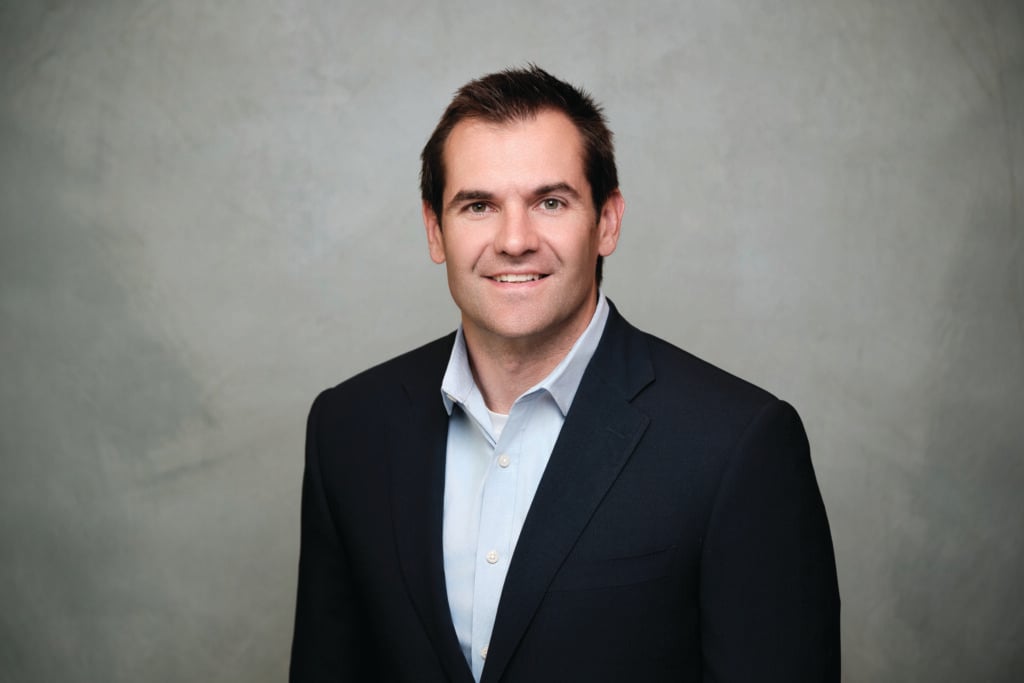
For publicly traded companies like Megaport, the long-term horizon provides a unique advantage. CEO Michael Reid emphasizes the importance of an "infinite game" mindset. In acquiring the startup Latitude for roughly $300 million, Reid avoided the typical VC-style pressure to "flip" the company. Instead, he structured the deal with performance-based earnouts linked to revenue and capex, rather than EBITDA. This alignment prevents the common pitfall where an acquirer slashes costs—and consequently innovation—to meet short-term financial targets.
Official Responses: Lessons from the Frontlines
On Cultural Integration
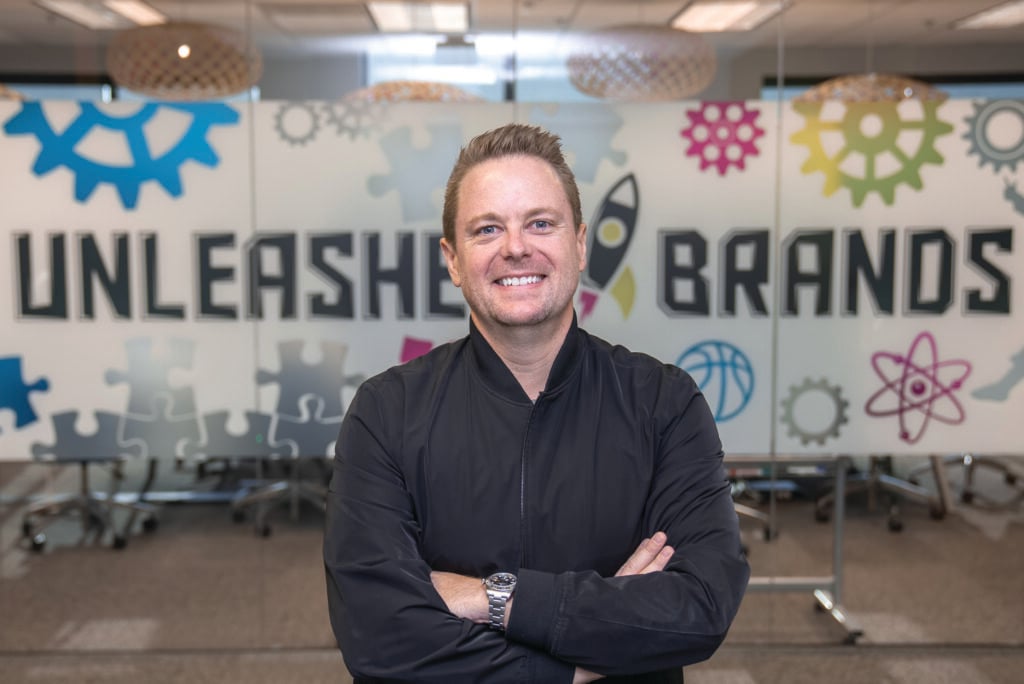
The recurring theme among successful dealmakers is that culture is not a soft metric; it is a business imperative. Michael Browning Jr., CEO of Unleashed Brands, who has integrated names like Sylvan Learning and The Little Gym, emphasizes that founders create a "heartbeat" that must be protected.
"Systems can be mapped, technology can be upgraded, but culture is hard to define," says Browning. "The goal has to be not to replace that heartbeat with corporate processes. You’ve got to protect that magic while adding the corporate muscle."

On Transparency and Talent Retention
Savneet Singh of PAR Technology argues that transparency is the best tool for retention. When a founder-led company is acquired, the employees who followed that founder are often the most vulnerable. By being brutally honest about the inevitable changes—new cybersecurity rules, email addresses, and reporting structures—companies can filter out those who are not a good fit early on, saving both parties wasted time.
"We tell people: Here’s the uniqueness of our culture," Singh explains. "If it’s a good fit, we’re going to do everything in the world to retain you, but if it’s not, let’s discover that now."
Implications for the Future of Dealmaking
As the market moves into the second half of 2026, the implications for executives are clear:

- AI as a Dual-Edged Sword: AI is no longer just a target for acquisition; it is a critical tool for evaluation. It allows firms to ingest data faster and model synergies with greater precision, but it also creates the risk of over-valuing hype while missing the fundamental "human" value of a target.
- Discipline Over Emotion: Channing Ferrer, CEO Americas at Brevo, warns against the "sunk cost" fallacy. "Don’t let M&A be emotional," he advises. "Deals will come and go. You don’t want to get caught in the mindset of ‘I spent a lot of time on this deal; I’m going to force it to happen.’"
- The Rise of the "Infinite" Buyer: Public companies and long-term strategic holders are finding an advantage over traditional PE firms by offering founders a sense of continuity. By allowing founders to stay on as brand ambassadors or strategic leaders, these companies preserve the legacy that made the target attractive in the first place.
- Geographic and Regulatory Caution: As cross-border deals become more complex, navigating different national cultures and regulatory frameworks—as seen in Brevo’s European-to-American expansion—requires a higher level of executive maturity than the domestic deals of the past.
Conclusion: Intentionality is the New Edge
The M&A market of 2026 is no place for the reckless. The era of cheap money and rapid-fire deals has been replaced by a climate where the most successful CEOs are those who treat every acquisition as a delicate, long-term marriage.
The "hair" on every deal—the hidden risks and complexities—is now the primary focus of the board and the executive team. As the market continues to thaw, the winners will not be the companies that move the fastest, but those that move with the most intentionality, empathy, and strategic foresight. In a world where talent is the ultimate differentiator and culture is the ultimate moat, the ability to "protect the magic" while scaling the business will define the next generation of corporate growth.
About the Author