For many industries, securing a line of credit or a bridge loan is a routine administrative task. For the cannabis sector, however, it remains a high-stakes, obstacle-laden endeavor. Despite the industry’s massive economic footprint and its status as an "essential" business in many jurisdictions, federal prohibition, fractured state-by-state regulations, and deep-seated institutional hesitancy have left many operators starved for capital.
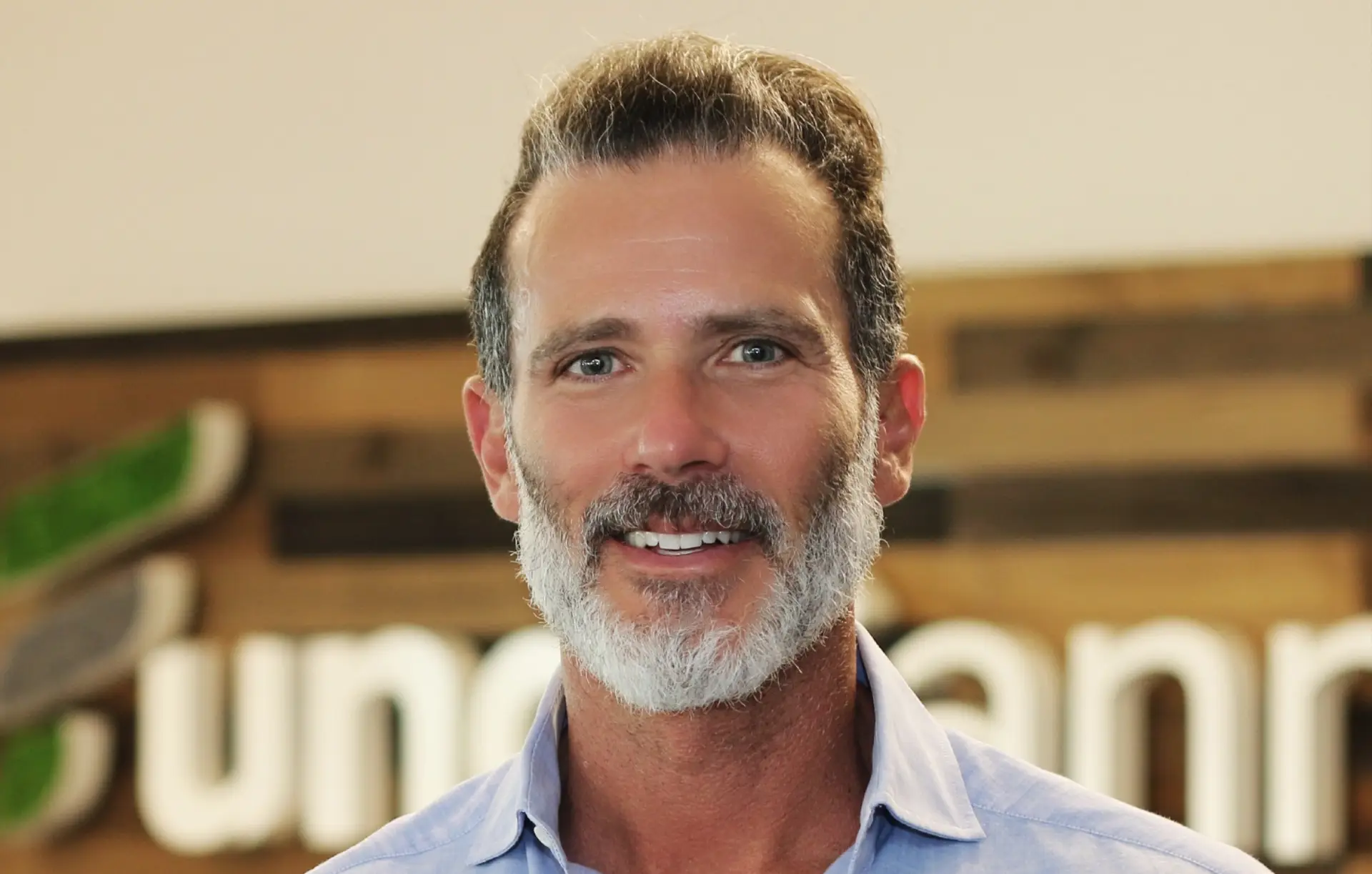
Adam Stettner, founder and CEO of the Solana Beach-based lender FundCanna, is working to change that dynamic. By applying traditional, disciplined underwriting to a market that many traditional banks still avoid, Stettner is transforming the industry’s "underbanked" status into a frontier of untapped opportunity.
The Core Challenge: Why Cannabis Remains Underbanked
The fundamental struggle for cannabis operators is the disconnect between the sector’s operational scale and its financial infrastructure. While small businesses in other sectors enjoy a roughly 20 to 25 percent approval rate for traditional lending, the cannabis industry faces a much harsher reality: fewer than 5 percent of banks are willing to provide even basic services, let alone credit.
This financial exclusion is not merely a nuisance; it is a significant barrier to growth. Cannabis operators must navigate a maze of state-by-state compliance, unpredictable regulatory volatility, and delayed receivables. These pressures often create a "capital efficiency gap," where strong, profitable businesses are unable to scale because they lack access to the working capital required to purchase inventory or expand operations.
A Chronology of Opportunity: The Birth of FundCanna
The inception of FundCanna was a response to the systemic failures exposed during the COVID-19 pandemic. As states across the U.S. began declaring cannabis businesses "essential," the absurdity of the industry’s lack of financial access became impossible to ignore.
"Essential businesses are supposed to have access to capital," Stettner explains. "But as I dug in, I realized cannabis wasn’t just underbanked—it was severely underbanked."
Stettner, whose background lies in traditional, disciplined lending, saw the same patterns in cannabis that he had witnessed in other historically underserved markets. He observed that despite the regulatory complexity, the industry possessed real revenue, real consumer demand, and a clear, albeit complex, supply chain.
Recognizing that the industry was being constrained not by a lack of potential but by a lack of structural support, Stettner began a deep dive into the cannabis ecosystem. He studied every facet of the industry, from cultivation techniques to retail operations, and analyzed the patchwork of state licensing frameworks. His goal was simple yet ambitious: to build a pragmatic, institutional-minded partner that could provide the financial tools necessary for the industry to function like any other mature sector.
Supporting Data: Managing Risk in a Gray Market
Building an institutional-grade lending platform in a sector that exists in a federal "gray area" requires more than just capital—it requires an obsessive focus on compliance and risk mitigation.
The Underwriting Framework
FundCanna’s approach to risk is granular and dynamic. Rather than treating underwriting guidelines as static documents, the firm employs a methodology that evolves with the market. Key pillars of their strategy include:
- Geographic and Vertical Diversification: By spreading risk across various states and business types (cultivation, processing, distribution, and retail), FundCanna ensures that a regulatory shift or market downturn in one specific region does not trigger a failure of the entire portfolio.
- Regulatory Monitoring: The firm keeps a constant pulse on state licensing frameworks and enforcement postures. If a state’s regulatory climate shifts, the lending guidelines shift accordingly.
- Active Credit Management: FundCanna conducts monthly "look-backs" and scenario planning. This allows the firm to adjust credit products in real-time, ensuring that their exposure remains aligned with the current market reality rather than outdated projections.
This rigor allows FundCanna to navigate the reputational and operational costs that historically scared off traditional banks, creating a durable platform that can survive the volatility inherent in the cannabis trade.
Official Perspective: The Philosophy of Productive Debt
A common sentiment among early-stage cannabis founders is a deep-seated, often healthy, wariness of debt. However, Stettner argues that this caution, while understandable, can sometimes prevent a company from reaching its full potential.
Debt as a Strategic Lever
Stettner distinguishes between two types of debt: "productive debt" and "desperation debt."
"The real question isn’t whether debt is good or bad," Stettner asserts. "When used correctly, debt is definitively a good thing. The question should center on the business’s ability to deploy capital productively and whether it can earn more on the debt than the cost of that debt."
- Productive Debt: This is the lifeblood of growth. It is used to fund inventory, customer acquisition, or infrastructure expansion. If an operator can deploy capital to generate a return that exceeds the cost of borrowing, debt acts as an accelerator, allowing the company to scale without the heavy dilution associated with equity financing.
- Desperation Debt: This is the trap many businesses fall into—using borrowed funds to plug revenue losses or delay inevitable outcomes without a clear strategy.
In Stettner’s view, debt is a tool that preserves equity value. By leveraging debt to grow, founders maintain greater ownership of their businesses, ensuring that the fruits of their labor remain in their hands rather than being surrendered to investors in exchange for expensive equity capital.
The Implications: What’s Next for Cannabis Finance?
The cannabis industry is currently undergoing a painful maturation process. As markets stabilize, operators are increasingly demanding financial tools that mirror those found in more traditional sectors.
Solving the Accounts Receivable Bottleneck
One of the most significant challenges currently stifling the supply chain is the "trapped capital" in accounts receivable. Brands and distributors frequently wait weeks or even months to receive payment, creating a massive drag on liquidity.
To address this, FundCanna has launched initiatives like ReadyPaid. This solution allows sellers to receive immediate payment while providing buyers the flexibility to pay over time. By smoothing out these cash flow hurdles, the industry becomes more efficient and less reliant on sporadic infusions of capital.
The Path Toward Maturity
As the industry moves forward, the role of specialized lenders like FundCanna will be critical. The combination of price compression in certain regions and ongoing regulatory uncertainty means that the industry needs solutions that are flexible, transparent, and—above all—durable.
Stettner’s long-term vision is to bridge the gap until broader federal reform eventually invites traditional, large-scale institutional players into the space. Until that happens, FundCanna is positioning itself as the vital infrastructure layer that keeps the industry moving.
By treating cannabis like any other legitimate business—with rigorous underwriting, sound financial principles, and a deep understanding of the market’s unique supply chain—Stettner is doing more than just lending money. He is building the foundation upon which the future of the cannabis industry will be constructed. For the operators currently struggling under the weight of financial exclusion, this marks a shift from mere survival to sustainable, long-term growth.
About the Author