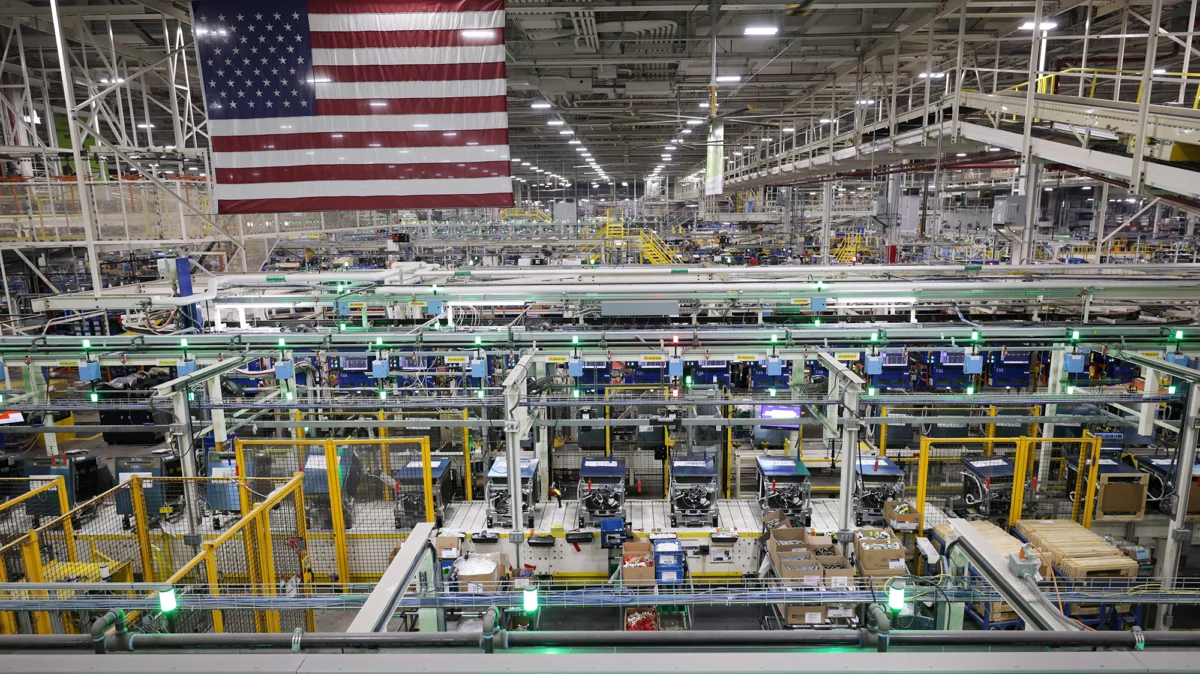
For decades, the American industrial sector has served as the backbone of the national economy, churning out everything from essential pharmaceuticals and processed foods to the raw materials required for modern construction. Yet, this manufacturing engine is fueled by a paradox: while the nation pushes toward a decarbonized future, the very facilities that produce our goods remain tethered to fossil fuels.
The industrial sector currently accounts for nearly one-third of the United States’ total carbon dioxide emissions from energy use. The culprit is not necessarily the manufacturing processes themselves, but the heat required to power them. To decarbonize the American economy, this massive industrial thermal demand must be addressed—but as electricity prices climb nationwide, the path to a cleaner, electrified factory floor is becoming increasingly fraught with economic obstacles.
The Core Challenge: Why Electricity Struggles to Compete
At the heart of the issue is a fundamental economic mismatch. For most industrial operators, the cost of electricity—the fuel required for heat pumps, electric boilers, and industrial-scale thermal batteries—significantly exceeds the cost of natural gas.
For a company like Eastman Chemical, which operates over a dozen manufacturing sites across the U.S., the transition is a matter of financial survival. Neil Brown, a chemical engineer at the firm, notes that in regions like the Southeast and Texas, competing with the historically low cost of natural gas is an uphill battle. "We have to have solutions that are at the very least competitive with the existing cost of fuel," Brown stated during a recent industry webinar. Without price parity, even the most ambitious corporate sustainability goals fall short against the reality of quarterly earnings and operational budgets.
Chronology of the Shift: From Reliance to Innovation
The realization that industrial heat is the "missing link" in climate policy has gained momentum over the last several years.
- Pre-2020: Industrial decarbonization was largely sidelined in favor of grid-level power generation and electric vehicle (EV) adoption.
- 2021–2023: As the climate crisis intensified, the Renewable Thermal Collaborative and the Industrial Heat Pump Alliance began mapping the energy intensity of the manufacturing sector. Their research identified that electrification of low-to-medium heat processes alone could increase national electricity demand by 250 terawatt-hours annually by 2035.
- 2024: A surge in pilot programs—such as Antora Energy’s 5-gigawatt-hour heat battery project in South Dakota—demonstrated that technology could bridge the gap, provided the price of electricity was managed correctly.
- 2026 (Present): Legislative and academic efforts are now coalescing around "rate reform" and "on-site generation" as the primary mechanisms to make clean heat a reality.
The Promise of On-Site Renewable Integration
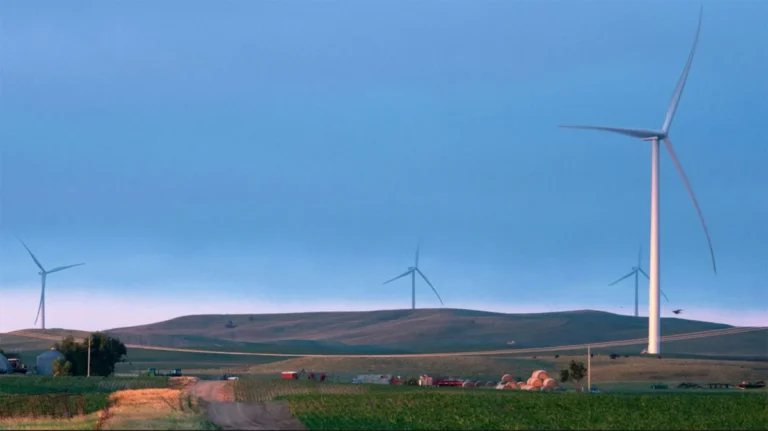
One of the most promising strategies to bypass grid-related costs involves cutting the cord—at least partially. Researchers at the University of California, Berkeley, recently released an extensive analysis examining the viability of "off-grid" industrial solar and wind projects. By situating renewable energy generation directly adjacent to manufacturing sites, companies can avoid the complex web of grid-delivery charges and transmission fees that often inflate electricity bills.
The UC Berkeley study analyzed 3,600 industrial sites across the country, assessing local solar potential, land availability, and existing gas prices. Their findings suggest that renewable-powered heat systems could economically supply up to one-third of total industrial heat demand by 2035.
For operations requiring temperatures below 200°C (392°F)—which encompasses sectors like food processing, brewing, and textiles—heat pumps powered by on-site renewables are already nearing cost-competitiveness. For more energy-intensive, high-heat processes, such as steel production or glass melting, thermal batteries offer a pathway to utilize excess electricity when it is cheapest, effectively acting as a hedge against market price volatility.
Supporting Data and Economic Projections
The economic argument for transition is compelling, even beyond the environmental benefits. According to a June 2026 report from the Renewable Thermal Collaborative, the mass deployment of clean industrial technologies could generate roughly $471 billion in total economic output over the next decade.
This projection accounts for the inevitable "displacement" of jobs and revenue in the fossil fuel utility sector, suggesting that the net gain in manufacturing efficiency and technology development outweighs the decline of traditional gas-based heating. However, this transition is highly sensitive to geography. In states with high solar irradiance and high natural gas prices, the "crossover point"—where electric heat becomes cheaper than gas—is already within reach. In states where gas is cheap and the sun is scarce, the economics remain unfavorable without significant policy intervention.
Official Responses: The Push for Rate Reform
If on-site generation is one side of the coin, the other is grid-side reform. Policymakers and utility regulators are beginning to realize that the current rate structure for industrial electricity is a relic of the past.
In California, Senate Bill 943 is currently moving through the legislative process. The bill aims to authorize the Public Utilities Commission to restructure electricity rates specifically for industrial and commercial customers who transition to electric heat. By lowering the barriers to entry, the state hopes to make the switch to electric boilers a clear financial win for businesses.
Lauren Kubiak, a senior scientist at the Natural Resources Defense Council (NRDC), highlights that the current rate structure is burdened by "non-marginal" costs. These include legacy infrastructure, wildfire prevention, and social programs. While these are necessary costs for a utility, they make the marginal cost of switching to an electric boiler prohibitively expensive.
"Electric rate reform is a tool in our toolbox that hasn’t been used to its fullest extent just yet," says Kubiak. Her research suggests that if utilities offered "marginal-cost rates"—rates reflecting only the cost of generating and delivering the next unit of electricity—to factories that electrify their heat, the gap between electricity and natural gas would narrow significantly.
Implications for the Future of Manufacturing
The implications of these findings are profound. We are witnessing the beginning of a decoupling between manufacturing growth and carbon emissions. However, the speed of this transition depends on two distinct paths:
- The Decentralization Path: If corporations follow the UC Berkeley model, we will see a landscape dotted with "energy-autonomous" factories, utilizing private solar arrays and thermal storage to maintain competitive operating costs regardless of grid volatility. This reduces pressure on the national grid but requires significant up-front capital investment from the private sector.
- The Utility Reform Path: If states follow the legislative path proposed in California and the Midwestern tariff models like those of Otter Tail Power, we could see a mass transition enabled by the utilities themselves. This would prioritize grid stability and ensure that the "electrification of industry" serves as a load-balancing mechanism for the entire electrical system.
Ultimately, the transition is not just about replacing a gas boiler with a heat pump; it is about re-engineering the relationship between the energy grid and the American industrial base. As the technology matures and the economic models are refined, the factories of the future will likely look very different—operating silently, powered by the sun and wind, and disconnected from the volatile price fluctuations of the fossil fuel markets.
The path forward is technically feasible and economically sound, but it remains a race against time. For the manufacturers of the United States, the question is no longer if they should electrify, but how they can afford to do so while remaining globally competitive. The answer, it seems, lies in a combination of smart policy, localized energy generation, and the courage to abandon the status quo of the fossil-fuel era.
About the Author