In the landscape of the modern energy transition, few branding triumphs are as pervasive—or as deceptive—as the designation of “natural gas” as a “clean” fuel. Despite its chemical composition being primarily methane, a potent greenhouse gas that traps significantly more heat in the atmosphere than carbon dioxide, nearly half of all Americans remain convinced that natural gas is an environmentally friendly energy source.
A landmark report released this month by the Center for Climate Integrity (CCI) suggests that this public misconception is not an accident of nature, but a calculated outcome of a multi-generational public relations campaign. By tracing internal documents dating back to the 1960s, the report exposes how fossil fuel giants systematically manufactured the narrative of “clean gas” to insulate their bottom lines from growing environmental scrutiny.
The Genesis of the Myth: Early Knowledge of Climate Risk
The narrative of natural gas as a "clean" alternative to coal and oil was not born from scientific consensus; it was manufactured in corporate boardrooms. The CCI report provides damning evidence that industry leaders were fully aware of the environmental hazards of their product long before the term "climate change" entered the mainstream political discourse.
As early as 1966, an internal Shell report noted that methane gas was being released in “embarrassingly large quantities” at oil fields—a clear acknowledgment of the fugitive emissions that plague the industry today. By 1968, a study commissioned by the American Petroleum Institute (API) explicitly linked atmospheric methane to oil and gas extraction, noting that seepage was “not unlikely.”
Rather than internalizing these findings or pivoting toward cleaner technologies, the industry opted for a strategy of obfuscation. Recognizing that the science was turning against them, corporations began funding their own research institutions—such as the Gas Research Institute—to create a veneer of objectivity. By controlling the flow of data, these entities were able to drown out independent research that highlighted the risks to public health and the environment, effectively "gaslighting" the public and policymakers alike.
A Chronology of Deception: Decades of Strategic PR
The industrial effort to rebrand fossil fuels reached a fever pitch in the 1970s. As public concern about pollution grew, the American Gas Association (AGA) and its partners launched aggressive campaigns to position their product as the moral alternative to other fossil fuels.
- 1971: The AGA launched the "GAS, CLEAN ENERGY FOR TODAY AND TOMORROW" campaign. This effort was a watershed moment in corporate greenwashing, attempting to associate the fuel with domestic security and environmental purity.
- 1972: The AGA published a report explicitly claiming that the “environmental benefits of an adequate natural gas supply are outstanding,” positioning the industry as the savior of a planet under strain.
- 1996: The campaign reached the halls of government when the AGA entered into collaborative studies with the Environmental Protection Agency (EPA).
The 1996 partnership remains perhaps the most alarming chapter in this timeline. Internal communications cited by the CCI indicate that EPA officials, overwhelmed by the volume of industry-provided data, admitted they "simply do not have the expertise" to independently verify the findings. They acknowledged that they were "unlikely to find problems even if they exist." This surrender of regulatory oversight allowed the industry to essentially write its own environmental report card, cementing the “clean” label in the federal consciousness.
The Science of Methane: Why the "Clean" Label Fails
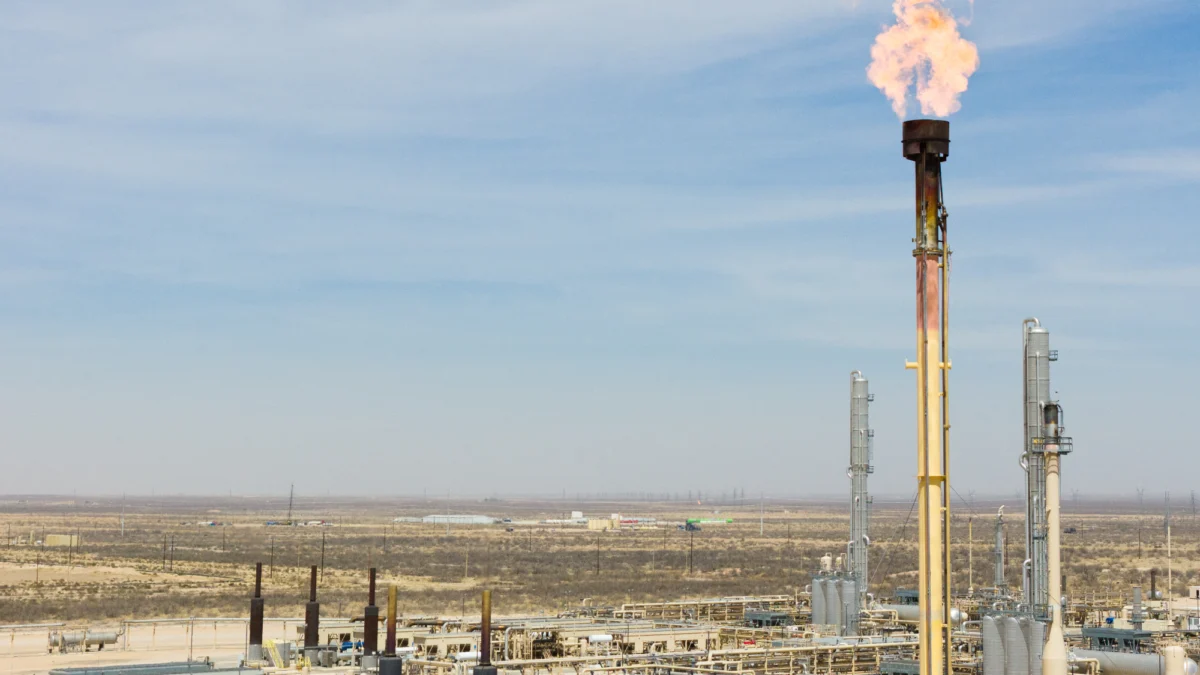
The industry’s marketing success hinges on a fundamental misunderstanding of atmospheric chemistry. Natural gas is primarily methane (CH4). While it produces less carbon dioxide than coal when burned, the "clean" label ignores the massive leakage that occurs across the entire supply chain—from extraction and processing to distribution.
Methane is a "super-pollutant." According to the Intergovernmental Panel on Climate Change (IPCC), methane is more than 80 times as potent as carbon dioxide at trapping heat over a 20-year period. When leakage rates are factored into the equation, the climate impact of natural gas can rival or exceed that of coal.
Furthermore, the "clean" label ignores the localized health impacts of burning gas in enclosed spaces. Studies have consistently linked gas stoves to increased rates of childhood asthma and respiratory distress, yet the appliance industry has fought tooth and nail against health-warning labels, successfully lobbying to keep these risks out of the public eye.
Institutional Capture and the Modern "Green" Subsidy
The efficacy of these decades-long PR efforts is reflected in the current regulatory environment. Despite the scientific reality, the infrastructure for natural gas extraction expanded dramatically following the 2000s fracking boom.
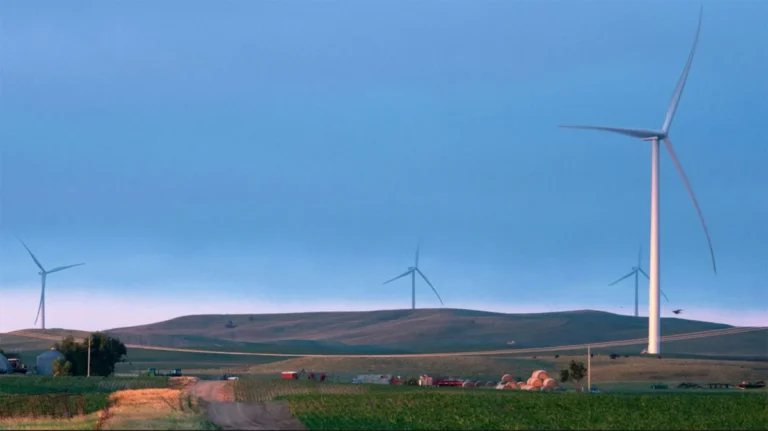
Today, this distortion has reached the state level. In at least four states—Louisiana, Indiana, Ohio, and Tennessee—natural gas has been legally reclassified as "green energy." This legislative maneuvering allows corporations to tap into subsidies and tax breaks originally intended for wind, solar, and geothermal power. By masquerading as a green solution, natural gas is cannibalizing the limited capital intended for the transition to truly renewable energy.
Official Responses and the Burden of Accountability
The implications of the CCI report are far-reaching. By relying on "manipulated science" and "concocted scripts," the industry has effectively stalled the transition to a sustainable energy future by convincing the public that the status quo is, in fact, a solution.
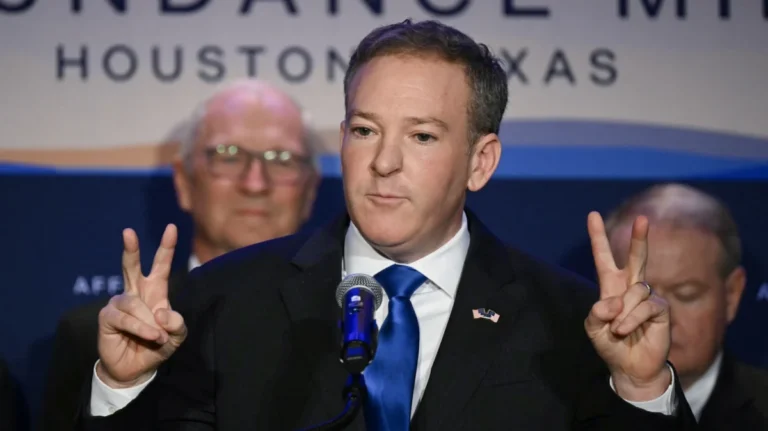
When reached for comment, the EPA did not provide an immediate response to the allegations regarding the 1996 studies. However, Richard Wiles, President of the Center for Climate Integrity, was unequivocal in his assessment. "Officials who continue to justify expanding natural gas reliance by still claiming it’s clean or safe for the climate are using the same script and manipulated science that gas executives and their PR teams concocted decades ago," Wiles stated. "It’s time that these profoundly dangerous lies are finally put to rest."
Implications for the Future
The persistence of the "clean gas" myth creates a dangerous bottleneck in climate policy. As long as policymakers and the public view natural gas as a "bridge fuel" or a "green" alternative, the appetite for necessary systemic change will remain suppressed.
The findings from the CCI report suggest that the fight against climate change is not merely a technical challenge of swapping out power plants; it is a battle for the truth. For years, the fossil fuel industry has leveraged its immense capital to control the narrative, creating a reality where methane—a potent driver of climate instability—is marketed as a cornerstone of sustainability.
As we look toward the 2030s, the "clean" label will face increasing pressure. From mounting legal challenges against greenwashing to the growing body of independent data highlighting the health impacts of gas combustion, the facade is beginning to crack. However, dismantling a decades-long marketing hegemony requires more than just better science; it requires a renewed commitment to transparency and a regulatory environment that is no longer content to take industry data at face value.
The transition to a renewable energy grid is technologically feasible, but it remains socially and politically contested. By unmasking the history of the "clean natural gas" myth, the Center for Climate Integrity has provided the public with the tools to see past the corporate branding. The era of the "clean gas" lie may be nearing its end, but the cleanup—both of our climate and our information ecosystem—is only just beginning.
About the Author