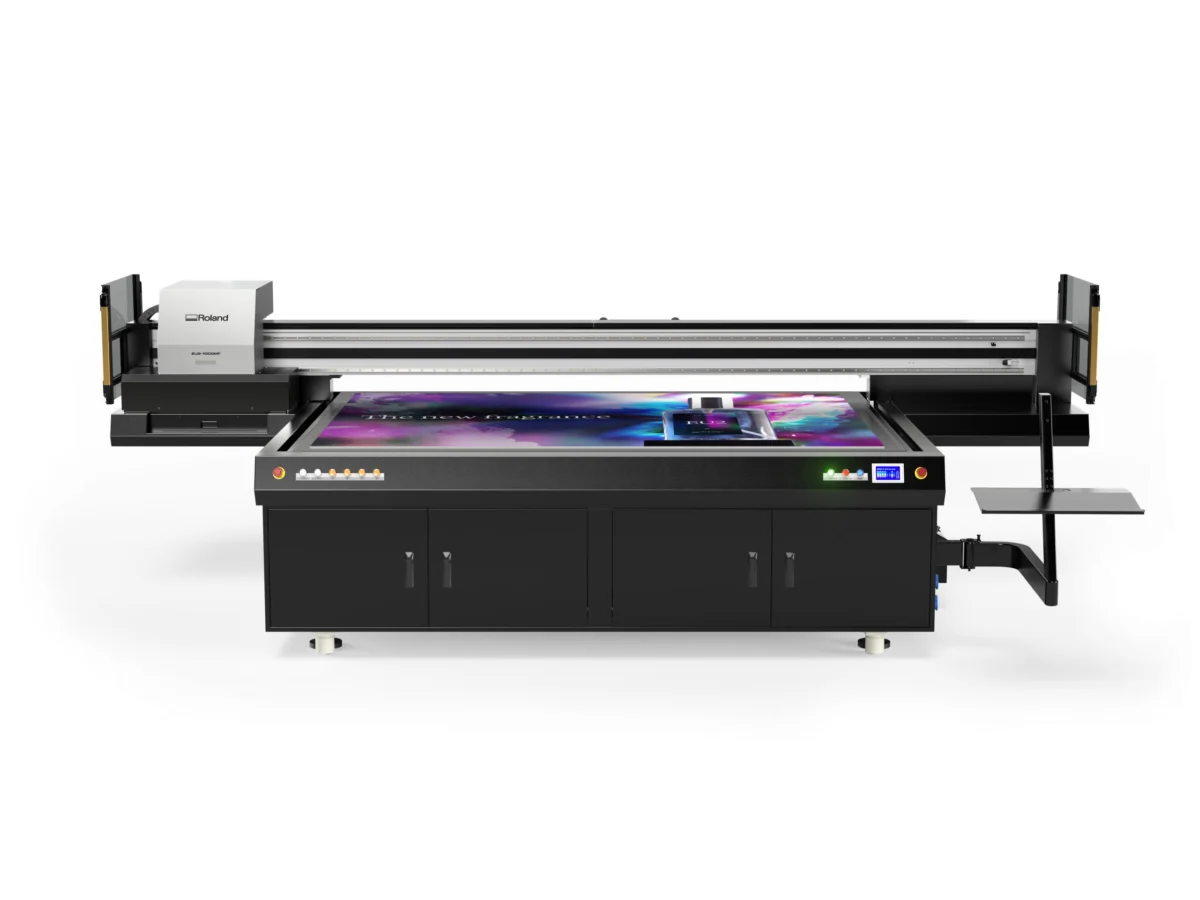
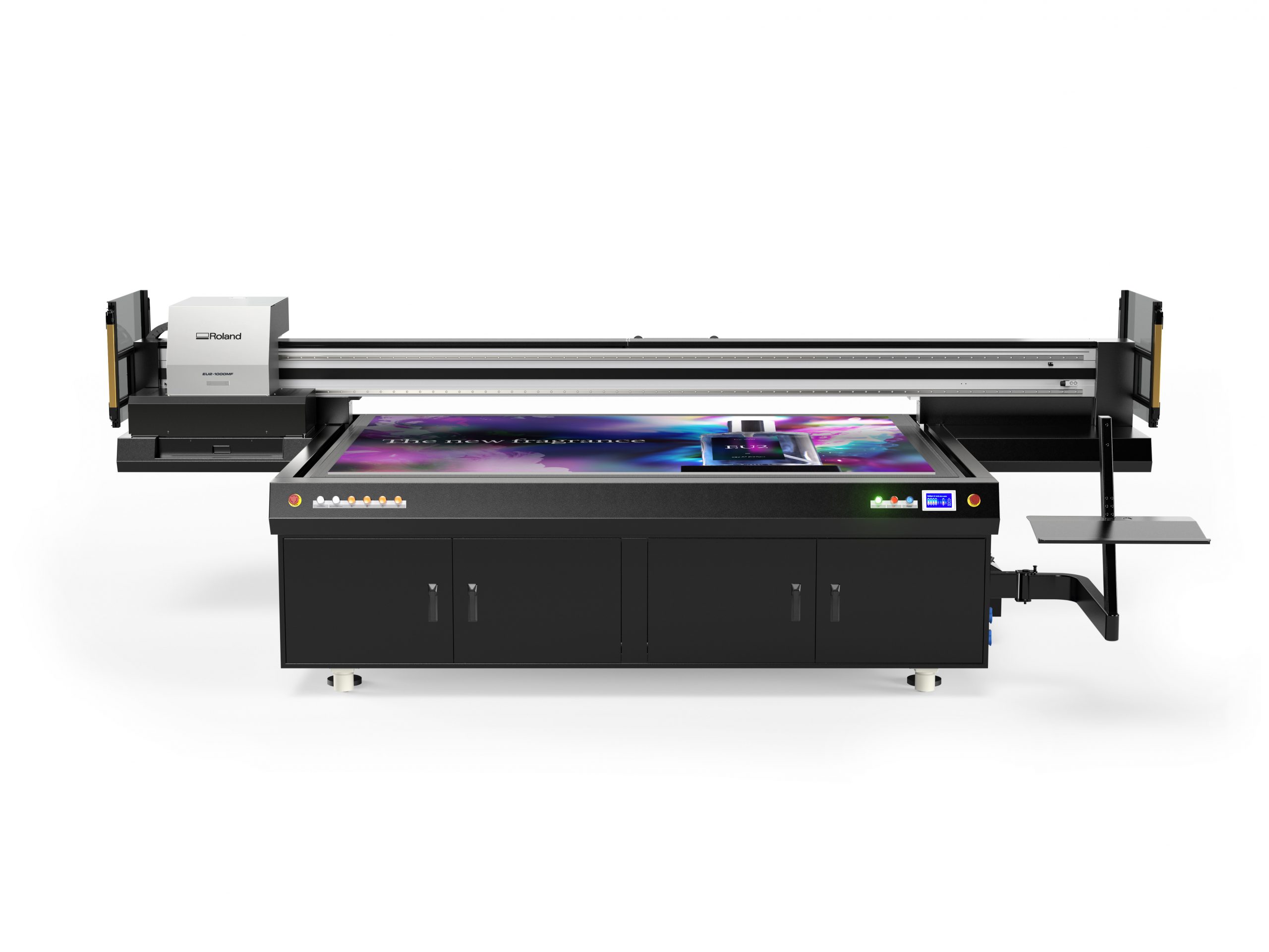
In a move set to redefine the operational standards for North American print service providers, Roland DG has officially launched the EU2-1000MF. This next-generation large-format UV flatbed printer arrives as a sophisticated answer to the perennial challenges of rigid media production. By streamlining the path from digital file to finished board, Roland DG is aiming to eliminate the bottleneck-prone, labor-intensive workflows that have historically hampered the profitability of signage, retail display, and industrial printing sectors.
The Evolution of Rigid Media Production
The print industry has long grappled with the inherent inefficiencies of traditional roll-to-roll workflows, particularly when applied to rigid materials. Historically, shops producing signage or exhibition panels were forced to print on flexible media, laminate the output, and subsequently mount it to rigid substrates. This process is not only time-consuming but introduces multiple points of failure, including air bubbles, substrate misalignment, and the unavoidable risk of material waste during manual finishing.
The introduction of the EU2-1000MF marks a decisive shift away from these fragmented processes. Designed specifically for high-output environments, the printer allows for direct-to-board production. By consolidating the workflow into a single, seamless operation, Roland DG is providing businesses with a tool that significantly reduces manual handling—a critical factor for companies looking to maximize margins in an increasingly competitive market.
Chronology: From Concept to Commercial Availability
The development of the EU2-1000MF follows a period of rigorous research into the pain points of the modern print shop. Recognizing that the market was demanding higher output without a corresponding increase in operational complexity, Roland DG’s engineering teams focused on optimizing the architecture of their flagship flatbed technology.
- Development Phase: Roland DG identified that while existing flatbed solutions existed, many were either too prohibitively expensive or lacked the user-friendly interface required for daily, high-volume production.
- The Predecessor: The original EU-1000MF set the stage, providing a reliable platform for entry into the flatbed space. However, user feedback highlighted the need for increased speed and refined precision.
- Engineering the EU2-1000MF: The design cycle focused on integrating a new high-definition printhead and optimizing the ink delivery system. The goal was a 50% increase in productivity over the predecessor, achieved through refined droplet placement and faster carriage movement.
- Market Launch: The unit is now commercially available across the United States, Canada, and Latin America, backed by an established network of authorized Roland DGA dealers, ensuring that service and support infrastructure are in place from day one.
Technical Specifications and Performance Data
At the heart of the EU2-1000MF’s performance capabilities is a suite of hardware enhancements that prioritize consistency and throughput. The machine is engineered to handle a massive range of rigid media, supporting boards up to 48 in. x 96 in. (1,220 mm x 2,440 mm) with an expandable configuration.
Key Performance Metrics:
- Material Thickness: The machine accommodates substrates up to 3.74 in. (95 mm) thick, allowing it to handle everything from thin acrylics and foam boards to heavy-duty aluminum composite panels and wood.
- Throughput Gains: Thanks to the new high-definition printhead, the EU2-1000MF delivers approximately 1.5 times the productivity of the previous iteration. This represents a substantial boost in daily capacity for shops running multi-shift operations.
- Operational Stability: By utilizing Roland DG’s proprietary E-US inks, the printer maintains stable performance over long print runs, minimizing the need for constant recalibration or head cleaning—common issues in lower-tier flatbed systems.
- RIP Integration: The system is powered by VersaWorks 7, which provides advanced color management, variable data printing, and automated nesting, ensuring that the efficiency gains in the printer are matched by efficiency gains in the pre-press department.
One of the most notable aspects of the launch is Roland DG’s commitment to accessibility. Despite the marked improvement in performance and speed, the manufacturer has confirmed that the pricing remains consistent with the outgoing model. This strategy is designed to lower the barrier to entry for smaller print shops looking to upgrade their technology without disrupting their capital expenditure planning.
Official Perspectives: Addressing Industry Needs
Ryugo Nimura, Executive Officer of the Global Sales and Marketing Division at Roland DG, emphasized that the EU2-1000MF is more than just a piece of hardware; it is a philosophy of simplicity.
"With the EU2-1000MF, we focused on helping print businesses simplify how rigid media work gets done," Nimura stated. "By moving directly from file to finished board, users can reduce manual steps, improve consistency, and increase output—all while maintaining the stable, repeatable quality needed for daily production."
This sentiment is echoed by industry analysts who have noted that the "total cost of ownership" for print shops is not just about the price of the machine, but the cost of labor and waste. By removing the mounting and laminating stages, the EU2-1000MF directly addresses these hidden costs, providing a more predictable bottom line for print shop owners.
Strategic Implications for the Print Sector
The launch of the EU2-1000MF arrives at a time when the sign and display industry is undergoing a digital transformation. As retail brands demand faster turnaround times for point-of-purchase (POP) displays and interior design firms push for more bespoke, high-quality wall panels, the pressure on print service providers has never been greater.
1. Competitive Advantage in Short-Run Production
For shops that have traditionally outsourced their rigid work, the EU2-1000MF offers the potential for "insourcing." By bringing production in-house, companies can control quality, reduce shipping costs, and react to client changes in real-time.
2. Bridging the Gap for Screen Printers
Screen printers looking to transition to digital production will find the EU2-1000MF particularly appealing. The machine’s ability to handle the same substrates as screen printing, combined with the digital agility of a high-speed UV printer, allows traditional shops to adopt digital workflows without abandoning their expertise in handling rigid materials.
3. A Holistic Production Ecosystem
Roland DG has positioned this printer as part of a complete ecosystem. By bundling the printer with VersaWorks 7, specialized UV inks, and a robust warranty and service program, the company is attempting to mitigate the risks associated with investing in new technology. In the professional print environment, where downtime is the enemy of profitability, having a singular source for support is a significant value proposition.
Future-Proofing the Print Environment
As we look toward the future of the print industry, the trend is clearly moving toward automation and integrated workflows. The EU2-1000MF is a testament to this trajectory. It acknowledges that the future of large-format printing is not just about raw speed, but about the ability to move from an idea to a finished product with the fewest possible interventions.
For North American businesses, the availability of the EU2-1000MF provides a clear path forward. Whether it is for high-volume retail displays that require extreme color accuracy or bespoke exhibition panels that demand structural integrity, the printer offers a balance of industrial-grade performance and operational accessibility.
In conclusion, the EU2-1000MF is not merely a product upgrade; it is a strategic tool designed to help businesses navigate the complexities of modern print production. By prioritizing the user experience and focusing on the total production workflow, Roland DG has set a new benchmark for what shops should expect from a mid-range UV flatbed printer. As the market continues to evolve, the businesses that adopt these streamlined, high-efficiency technologies will be the ones that thrive in an increasingly automated and fast-paced digital economy.
About the Author