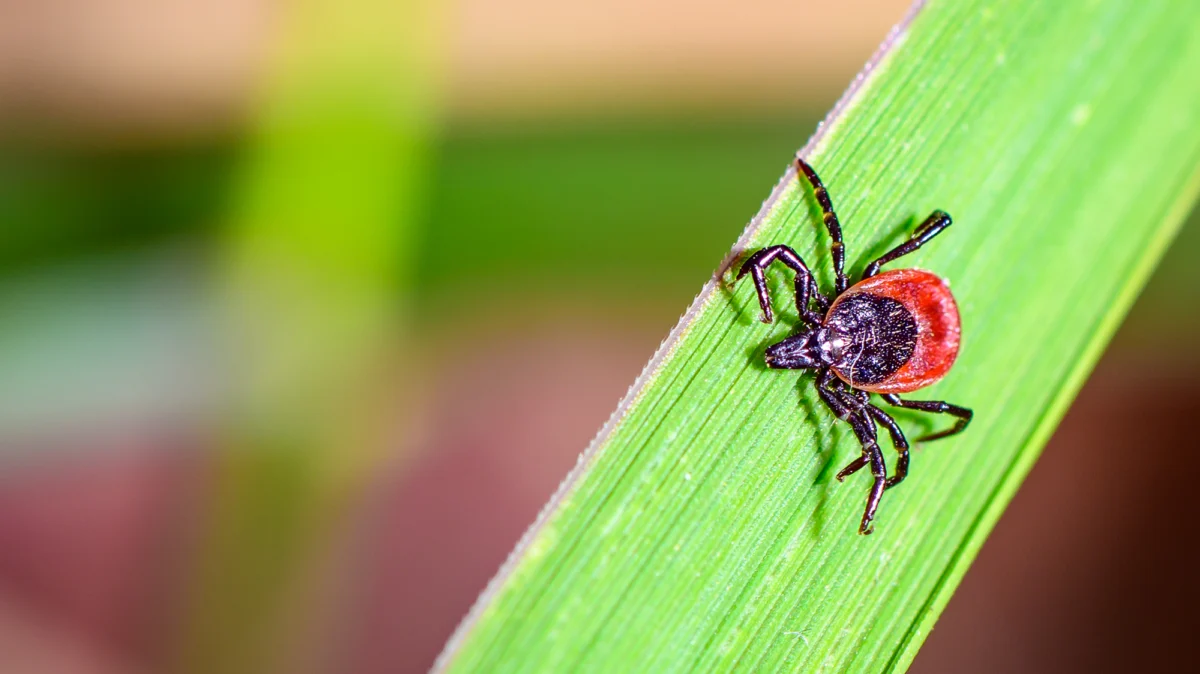
The North American landscape is undergoing a quiet, persistent, and increasingly dangerous transformation. For millions of Americans, the simple act of stepping into a backyard, walking a neighborhood trail, or enjoying a local park has become a high-stakes calculation. Across the United States, tick populations are surging, expanding their geographic range, and remaining active for longer periods than ever before. This phenomenon is no longer a localized concern for outdoor enthusiasts; it is a burgeoning public health crisis that is currently outpacing our national response.
The Main Facts: An Unprecedented Surge
The data is clear: ticks are winning. According to the Centers for Disease Control and Prevention (CDC), emergency room visits for tick-related incidents have reached their highest levels since 2017. While historically associated with specific forested regions in the Northeast and Midwest, ticks are now "marching" into new territories—moving both northward and westward—as climate change alters the suitability of habitats.
The dangers these arachnids pose are multifaceted. Beyond the well-known threat of Lyme disease, which now accounts for approximately 500,000 treatments annually in the U.S., ticks are vectors for an array of pathogens. Most concerning is the rise of Alpha-gal syndrome, a condition caused by the bite of the lone star tick that induces a severe, sometimes life-threatening allergy to red meat. The tragic 2024 death of a New Jersey father, who suffered an anaphylactic reaction after consuming red meat following a tick bite, underscores the severity of the threat. These creatures are not just pests; they are, in some instances, fatal adversaries.
Chronology of a Growing Threat
The escalation of the tick crisis is not a sudden event, but a steady accumulation of environmental and biological factors.
- Pre-2010s: Tick-borne illnesses, primarily Lyme disease, were recognized as regional issues. Public health infrastructure focused largely on mosquito-borne diseases, such as West Nile Virus, following the CDC’s historical mandate established in 1946 to eradicate malaria.
- 2017-2018: Public awareness regarding tick-borne pathogens reached a turning point as case numbers began to climb exponentially. Media outlets began documenting the "tick explosion," yet systemic policy changes remained stagnant.
- 2020-2023: As winters grew shorter and milder, the "tick season" began to stretch. Ticks, which require certain temperatures to emerge from dormancy, began appearing in mid-winter during unseasonably warm spells.
- 2024-Present: The normalization of tick-borne illnesses like Alpha-gal syndrome has moved into the mainstream. Public health officials are now grappling with the realization that their current intervention strategies are woefully inadequate for the scale of the current infestation.
Supporting Data: A Disconnect in Public Health
Perhaps the most startling revelation in the current climate is the disparity between the threat level and the response. Despite the fact that ticks account for approximately 90 percent of all vector-borne disease cases in the United States, municipal and county health agencies remain overwhelmingly focused on mosquitoes.
Research indicates that nearly 80 percent of local vector control funding is dedicated to mosquito management, while a mere 10 to 11 percent of these agencies engage in any form of organized tick control. This inertia is largely attributed to a lack of dedicated funding and a lack of political will to test and deploy new, large-scale interventions.
The deer population serves as the primary engine for this expansion. In the eastern United States and suburban corridors, the density of deer has skyrocketed over the past several decades. As host animals, deer provide the necessary blood meal for ticks to reproduce in massive quantities. Experts, including those consulted by climate journalist Jonathan Mingle, suggest that until we address the host populations—specifically deer and, to a lesser extent, rodents—the tick population will continue to thrive unabated.
Official Responses and Strategic Failures
The federal government’s historical approach to vector control has been reactive rather than proactive. The success of programs like the eradication of the screwworm in 1966—which involved the release of sterile insects to collapse the population—demonstrates that with enough resources and institutional focus, the United States is capable of overcoming biological threats.
However, when it comes to ticks, the current government stance often defaults to individual responsibility: tucking pants into socks, wearing permethrin-treated clothing, and performing daily tick checks. While these measures are essential, they are defensive, not preventative.
Public health experts are now calling for a pivot toward "large-scale interventions." This includes:
- Vaccine Development: Research into vaccines that could be administered to deer or rodent populations. If a tick bites a host carrying the vaccine, the tick itself would perish. This is viewed as a far more sustainable and effective solution than mass culling of deer populations.
- Environmental Management: Moving beyond residential-level insecticide application to landscape-level strategies that target high-risk zones in parks and recreational areas.
- Increased Funding: Shifting the budgetary focus of local health departments to align with the 90 percent reality—meaning a drastic increase in the percentage of resources allocated to tick control.
The Implications: A Shift in the American Way of Life
The psychological toll of the tick surge is as significant as the physical one. We are witnessing a contraction of the "human map." People are increasingly choosing to avoid hiking trails, picnic grounds, and even their own backyards out of fear. This "tick paranoia" is fundamentally changing the way Americans engage with the natural world.
The implication is a loss of public health in a broader sense. As access to nature is restricted by the fear of pathogens, the physical and mental health benefits of outdoor recreation are being eroded. Furthermore, as the climate continues to warm, the "hunting season" for ticks will continue to lengthen, potentially turning a seasonal issue into a year-round threat.
Conclusion: Why We Must Fight Back
We have arrived at a crossroads. The current strategy of "hope and check" is no longer sufficient. If the United States can mobilize the resources to combat malaria, yellow fever, and the screwworm, it is a matter of policy, not capability, that prevents us from doing the same for ticks.
As Jonathan Mingle noted, we are leaving essential interventions on the table. Without a serious investment in research, a shift in public health priorities, and a commitment to addressing the host populations, the tick will continue to expand its empire. The question is no longer just how we protect ourselves as individuals, but why we have accepted a status quo that keeps us from the very landscapes we need and love. We have the tools to fight back; what remains to be seen is whether we have the political courage to deploy them.
About the Author