By [Your Name/Journalistic Desk]
In a significant judicial rebuke to the current administration’s attempts to dismantle climate-related initiatives, a South Carolina federal judge has issued a forceful order compelling the Environmental Protection Agency (EPA) to resume the distribution of $2.8 billion in environmental and climate justice grants. The ruling marks a critical juncture in the ongoing battle over the legacy of the Inflation Reduction Act (IRA) and the reach of executive authority regarding congressionally mandated programs.
The decision by U.S. District Judge Richard Gergel brings a temporary, yet vital, conclusion to a legal standoff that has left dozens of underserved communities—from North Carolina’s industrial corridors to urban heat islands nationwide—in a state of financial and administrative limbo.
The Core Conflict: Law vs. Policy
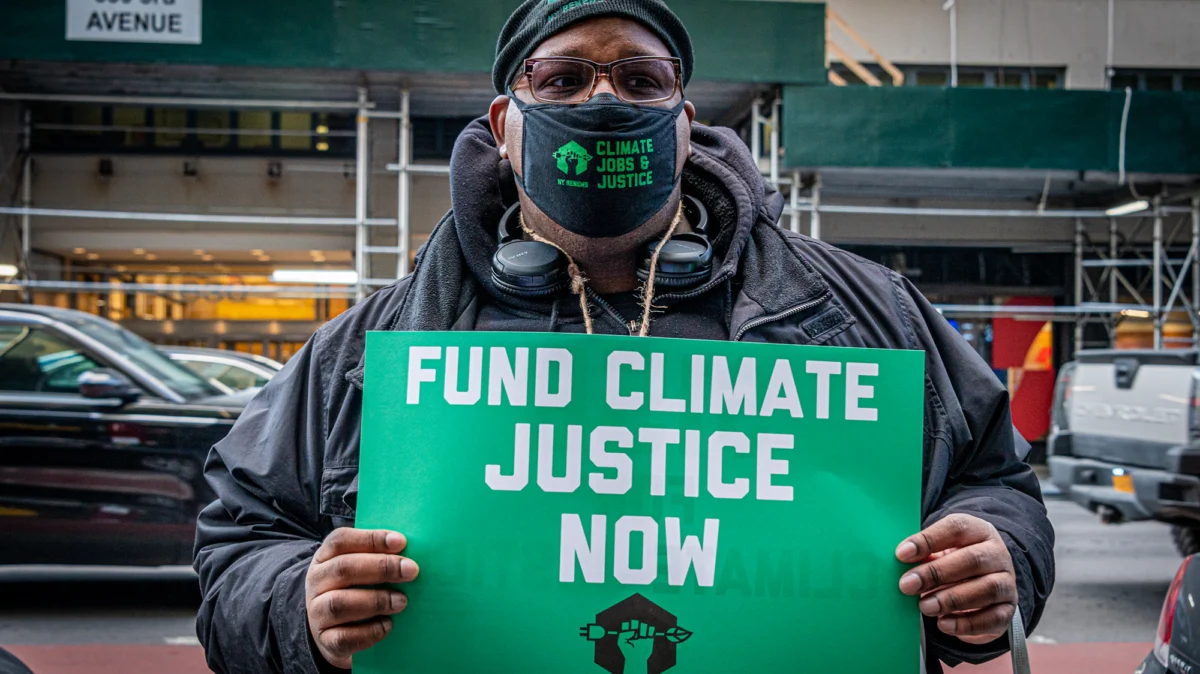
At the heart of this litigation is the Environmental and Climate Justice Block Grant Program, a centerpiece of the Biden-era climate agenda designed to provide resources to marginalized communities disproportionately impacted by pollution, extreme heat, and deteriorating infrastructure.
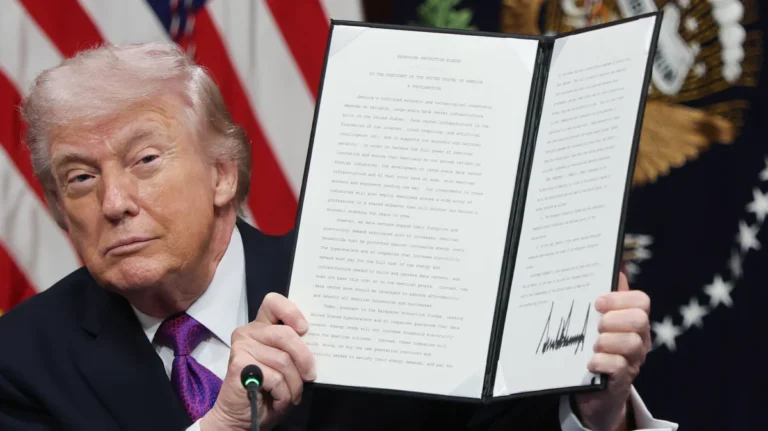
Following his inauguration, President Donald Trump moved quickly to curtail these initiatives, issuing executive orders that placed a freeze on the disbursement of IRA funds and directed federal agencies to dismantle environmental justice offices. By February 2025, an EPA official confirmed that the program had been terminated, citing "policy reasons."
The Southern Environmental Law Center (SELC) and the Public Rights Project challenged this termination, arguing that the administration lacked the legal authority to unilaterally cancel a program that had been explicitly authorized and funded by Congress. Judge Gergel initially ruled in June 2026 that the termination was "unlawful," yet the EPA subsequently argued that the ruling did not mandate the actual resumption of grant distributions. This week’s order effectively strips away that loophole, forcing the agency to act.
Chronology of a Legal Tug-of-War
To understand the gravity of the current impasse, one must look at the timeline of the program’s disruption and the subsequent legal maneuvers:
- August 2022: The Inflation Reduction Act is signed into law, establishing the $2.8 billion Environmental and Climate Justice Block Grant Program.
- January 2025: President Trump issues executive orders halting the distribution of IRA-related environmental justice funds and mandates the restructuring of agency environmental offices.
- February 2025: The EPA officially terminates the grant program, halting pending applications and freezing existing awards.
- June 2026: U.S. District Judge Richard Gergel rules that the termination of the program was unlawful, but declines to issue a mandatory injunction, describing an immediate restart as "impractical."
- July 2026: Internal emails between the EPA and the SELC reveal that federal officials interpreted the June ruling as requiring no specific agency action, effectively maintaining the status quo.
- Late July 2026: Judge Gergel issues a follow-up order explicitly commanding the EPA to comply with its statutory obligations and resume the distribution of funds through September 2026.
The Human Toll: Why These Grants Matter
The technical language of federal court filings often obscures the reality on the ground. For communities like those in Mecklenburg County, North Carolina, the grant freeze was not merely a matter of administrative delay—it was a public health concern.
CleanAIRE NC, a nonprofit organization, was slated to receive a $500,000 grant intended for the installation of high-precision air quality monitors. The project was designed to provide data to families living in the shadows of major highways and industrial zones, where respiratory health outcomes are statistically lower than the state average.
"While the EPA has tried to evade the court’s order, families in north Mecklenburg were left waiting for basic transparency about the air they breathe," said Jeffrey Robbins, executive director of CleanAIRE NC. "We are ready to put these critical air monitoring resources to work the moment the agency complies."
The failure to release these funds prevents the deployment of tools necessary to identify pollution hotspots, thereby inhibiting the ability of local governments to create evidence-based environmental policy. Across the country, similar grants were earmarked for urban tree planting to combat "heat island" effects, the remediation of lead pipes, and the transition to renewable energy microgrids in rural areas.
Analyzing the Legal Precedent
Judge Gergel’s latest order is notable for its tone. The court made it clear that the EPA’s attempt to interpret the June ruling as a non-binding suggestion was both disingenuous and legally flawed. By refusing to accept the administration’s claim that "no further agency action" was required, the court has asserted its authority to oversee the execution of statutory law.
"The court made it clear that EPA has to follow the law, not keep making the same arguments the court has already rejected," noted Toby Merrill, litigation director for the Public Rights Project. "When federal agencies ignore court orders, communities pay the price."
Legal scholars suggest that this ruling could serve as a bellwether for how the judiciary treats executive branch efforts to dismantle climate policies enacted by previous administrations. If the court enforces a hard deadline—in this case, the end of September—it signals a reluctance to allow the executive branch to use bureaucratic inertia as a tool to kill programs that they ideologically oppose.
Official Responses and the Road Ahead
The EPA’s stance has remained cautious. In a statement provided to Inside Climate News, an agency spokesperson indicated that the EPA is currently "reviewing the decision and working to comply with the court’s order."
However, the lack of immediate action has prompted skepticism from the plaintiffs. Kym Meyer, the SELC’s litigation director, stated that her organization has yet to receive communication from the EPA regarding the mechanics of the fund distribution. This silence suggests that while the legal requirement is now clear, the logistical hurdle of restarting a program that was essentially dismantled remains high.
The looming September deadline—the date the grants were originally set to expire—creates a "use it or lose it" scenario. If the EPA fails to distribute the funds before the end of the fiscal year, the money could revert to the Treasury, effectively rendering the court’s order moot. This potential for "clock-running" will likely keep the litigation active in the coming weeks.
Broader Implications for Environmental Justice
The conflict surrounding the $2.8 billion block grant program reflects a deeper ideological divide in American governance. Proponents of the program argue that environmental justice is a core function of the federal government, necessary to rectify historical inequities in land use and public health. Critics, including members of the current administration, argue that such programs represent federal overreach and an inefficient use of taxpayer dollars.
Regardless of the political debate, the judicial intervention in this case highlights a fundamental principle of administrative law: once a program is established by an act of Congress, the executive branch cannot simply disregard it through internal policy changes.
As the EPA navigates the court-mandated process, the affected communities are watching closely. The outcome of this case will not only determine the fate of millions of dollars in climate funding but will also set a precedent for the limits of presidential power in the face of established environmental statutes.
For the families in Mecklenburg County and beyond, the resolution of this case is about more than money—it is about the fundamental right to reside in a healthy environment, a right they hope the court will continue to protect against the shifting tides of federal policy.
About the Author