Kent, Washington – In the intricate ballet of global commerce, millions of packages embark on daily journeys through Amazon’s vast and ever-evolving network of fulfillment centers. These colossal hubs, increasingly powered by cutting-edge automation, are the unsung engines behind the seamless delivery experience consumers have come to expect. Among these technological marvels, the BFI4 facility in Kent, Washington, stands as a particularly potent symbol of this modern logistics revolution.
Capable of processing a staggering one million parcels daily, BFI4 represents a sophisticated synergy of human ingenuity and robotic precision. It’s a testament to how Amazon orchestrates employee expertise, advanced robotics, ergonomically designed workstations, mobile inventory "pods," and intelligent packaging machines to maintain an relentless flow of goods from seller to doorstep. A recent exclusive tour offered a rare glimpse behind the curtain, revealing the complex orchestration that brings this high-volume operation to life.
The Epicenter of E-commerce: Unpacking the Main Facts
Amazon’s BFI4 fulfillment center, inaugurated in 2016, holds a significant position within the company’s global logistics infrastructure. It was pioneering as the first facility in Amazon’s expansive network designed to handle over one million items per day, setting a new benchmark for throughput capacity. This remarkable volume is achieved through a meticulously integrated system that combines the dedication of approximately 3,500 human associates with a sophisticated suite of automation and robotics technologies. This hybrid approach is central to BFI4’s ability to efficiently stow, pick, and pack an enormous diversity of products, from everyday essentials to niche specialty items.
Strategically located in Kent, Washington, BFI4 benefits from its proximity to a major metropolitan area and key transportation arteries, facilitating rapid distribution across the Pacific Northwest and beyond. The facility’s design is not merely about scale but also about optimizing every square foot and every second of operation. From the moment goods arrive on loading docks to their final departure, the process is streamlined to minimize delays and maximize accuracy, a critical factor in Amazon’s promise of swift and reliable delivery. The continuous investment in facilities like BFI4 underscores Amazon’s commitment to leveraging technological advancements to redefine the speed and scope of e-commerce fulfillment.
A Chronological Journey Through Automation and Efficiency
The journey of a package through BFI4 is a precisely choreographed sequence, beginning with its arrival and culminating in its dispatch. Each stage, from initial receipt to final loading, showcases a blend of human supervision and advanced automated systems working in concert.
Welcome to the Warehouse: BFI4’s Grand Scale
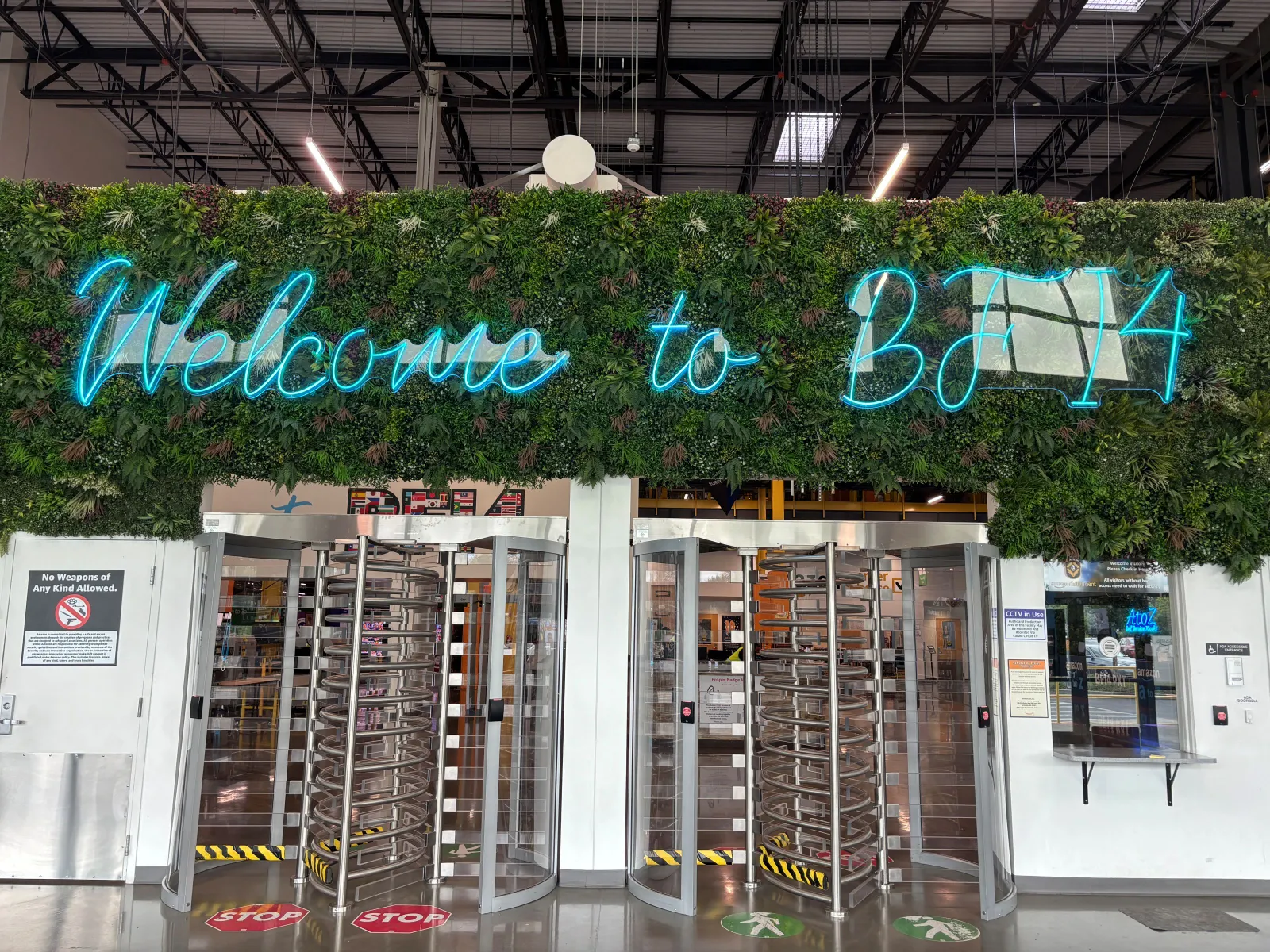
Upon stepping into BFI4, marked by an illuminated "Welcome to BFI4" sign, the sheer scale of the operation is immediately apparent. Opened in 2016, this facility was a landmark achievement for Amazon, being the first in its network to surpass the capability of handling over one million items per day. This incredible capacity is a direct result of seamlessly integrating the efforts of roughly 3,500 dedicated associates with an array of sophisticated automation and robotics. These technologies work in tandem to manage the core functions of stowing, picking, and packing products, ensuring that the vast flow of goods is processed with maximum efficiency and accuracy. The facility’s design emphasizes both high-volume throughput and a safe, productive environment for its human workforce, a balance critical to its operational success. Safety protocols, such as the mandatory steel-toed shoe covers for visitors, underscore the operational environment where heavy machinery and constant movement are the norm.
Items Arrive at BFI4: The Inbound Flow
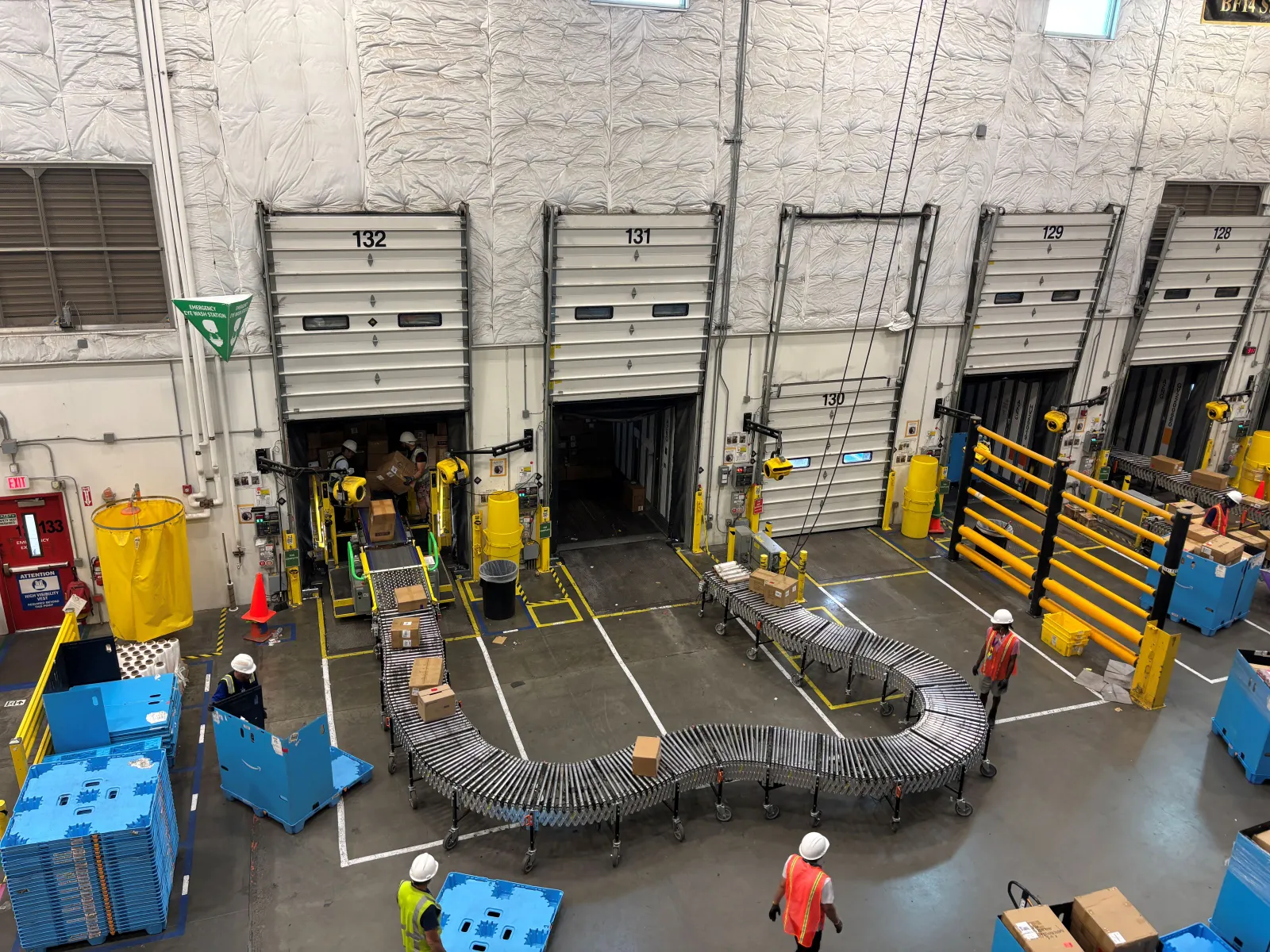
The initial phase of the fulfillment process begins with the constant arrival of goods by truck. These trucks, often arriving in a continuous stream, carry a diverse range of products from various suppliers and sellers. Upon arrival at the loading docks, trained staff members initiate the unloading process, meticulously transferring packages onto a robust network of conveyor belts. This is the first point of automated integration, where items are scanned, logged into the inventory management system, and directed towards their temporary storage locations.
The next critical step, stowing, predominantly occurs at what Amazon terms "Universal Stations." These stations are designed to be operated manually by associates, yet they are significantly enhanced by technology. As totes filled with incoming goods arrive at these workstations, employees are guided by digital interfaces to stow each item onto its corresponding inventory shelf, known as a "pod." These pods are not static; they are highly mobile storage units, a fundamental innovation in Amazon’s warehousing strategy. The Universal Stations are also versatile, serving a dual purpose: they are equally crucial for the "picking" process, where items are retrieved for outgoing customer orders, making them a central point of interaction for both inbound and outbound logistics. This efficient design minimizes wasted motion and maximizes productivity for the associates.
Semi-Automated Workstations in Action: The Art of Picking
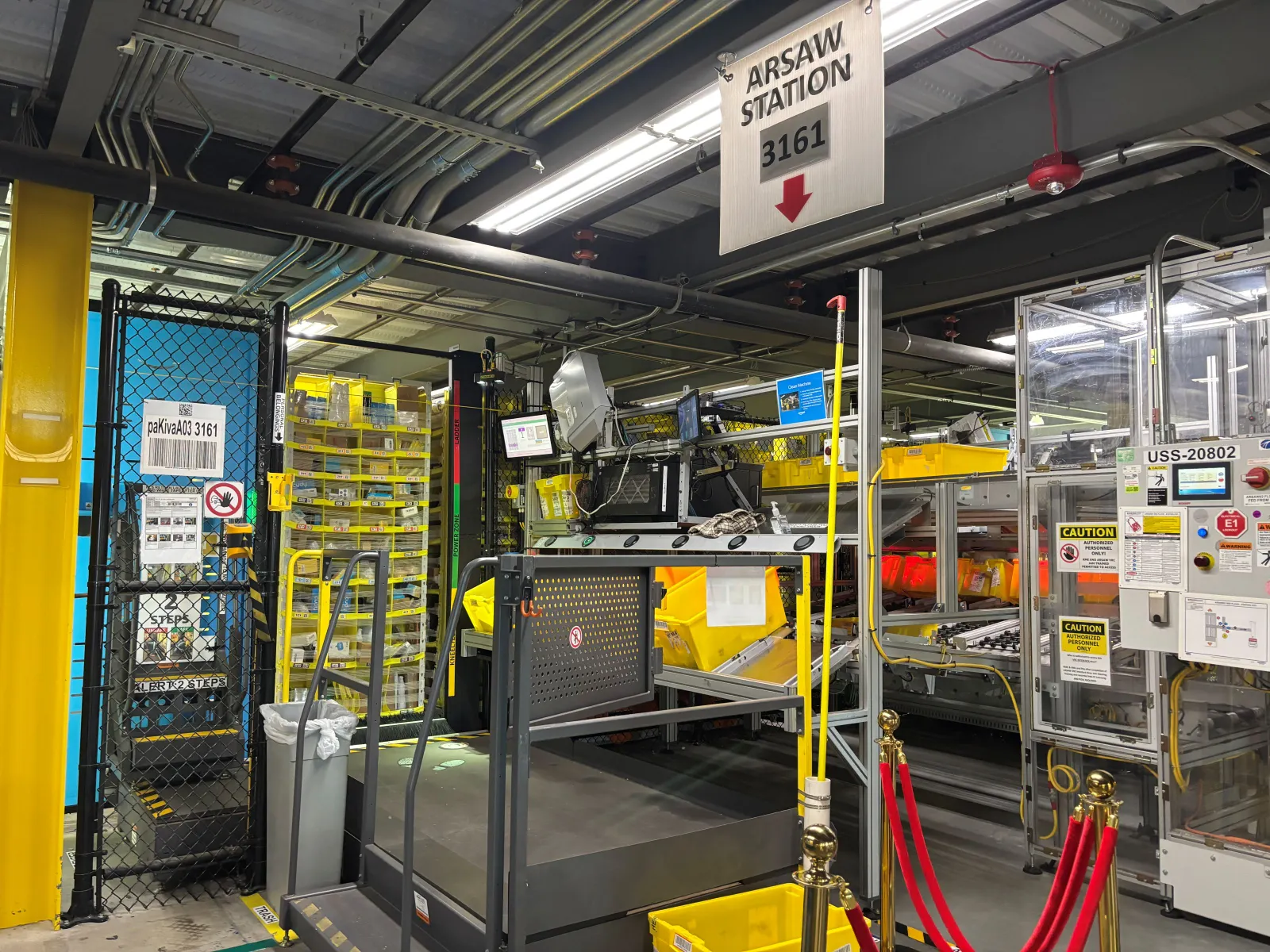
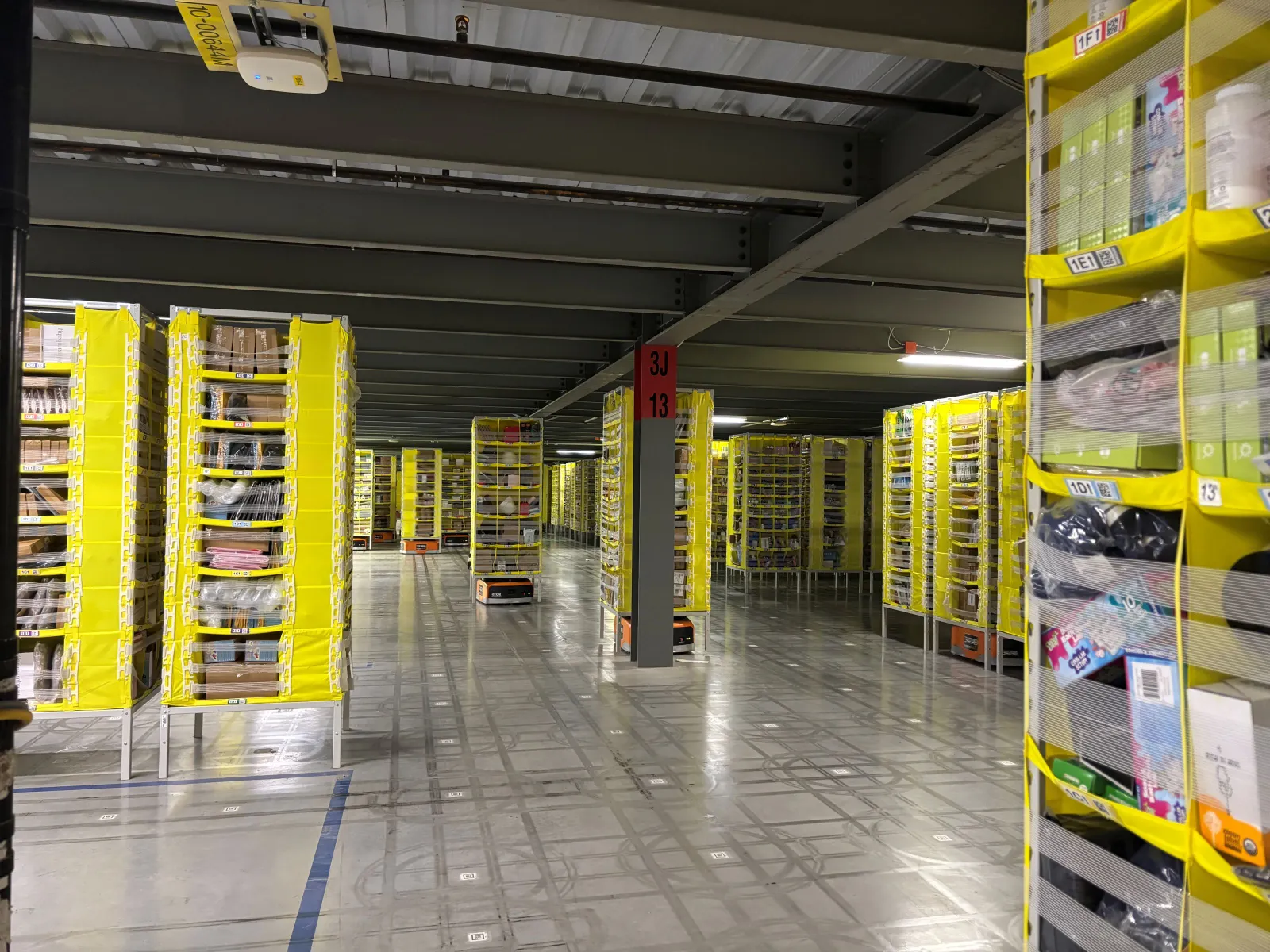
A defining characteristic of BFI4, and Amazon’s advanced fulfillment centers, is the innovative approach to item retrieval. Unlike traditional warehouses where employees might spend a significant portion of their shifts walking aisles to locate items, BFI4 brings the inventory directly to the worker. This is achieved through the use of multi-level inventory pods – often spanning four floors – which are dynamically transported to Amazon Robotics Semi-Automated Workstations (ARSAWs) or Universal Stations by specialized "Hercules robots."
The ARSAWs are exclusively utilized for the picking process, where customer orders are fulfilled. When a pod arrives at an ARSAW, projector lights precisely highlight the specific compartment and item an associate needs to pick. This visual guidance drastically reduces search time and potential errors, significantly boosting picking accuracy and speed. Employees then place the selected items into designated bins, or totes, which will continue their journey towards the packing department. This system not only enhances efficiency but also improves the ergonomic experience for associates by reducing strenuous walking and repetitive reaching, allowing them to focus on precision and speed.
Hercules Robots Transport Inventory: The Unseen Workforce
The intricate dance of the inventory pods and Hercules robots unfolds within a dedicated, fenced-off area of the warehouse, strategically positioned adjacent to the ARSAW and Universal Stations. This separation ensures the safety of human associates while allowing the robots to operate at optimal speeds. These yellow, mobile robots are the backbone of Amazon’s inventory transportation, moving entire shelving units with remarkable agility and coordination.
Maintaining the seamless operation of this automated zone falls to "Amnesty Floor Monitors." These critical associates are tasked with troubleshooting any issues that arise within the robotic grid, such as restarting mobile robots that might encounter a glitch or clearing obstructions that could impede their movement. Their role is vital in ensuring uninterrupted flow and preventing bottlenecks in the highly automated inventory management system. The constant, silent movement of these robots, under the watchful eye of human monitors, epitomizes the blend of automation and human oversight that defines BFI4’s efficiency.
Items are En Route to the Packing Department: The Conveyor Labyrinth
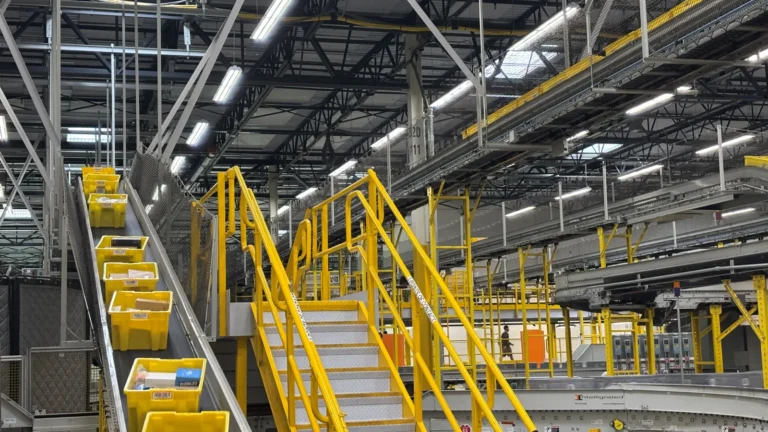
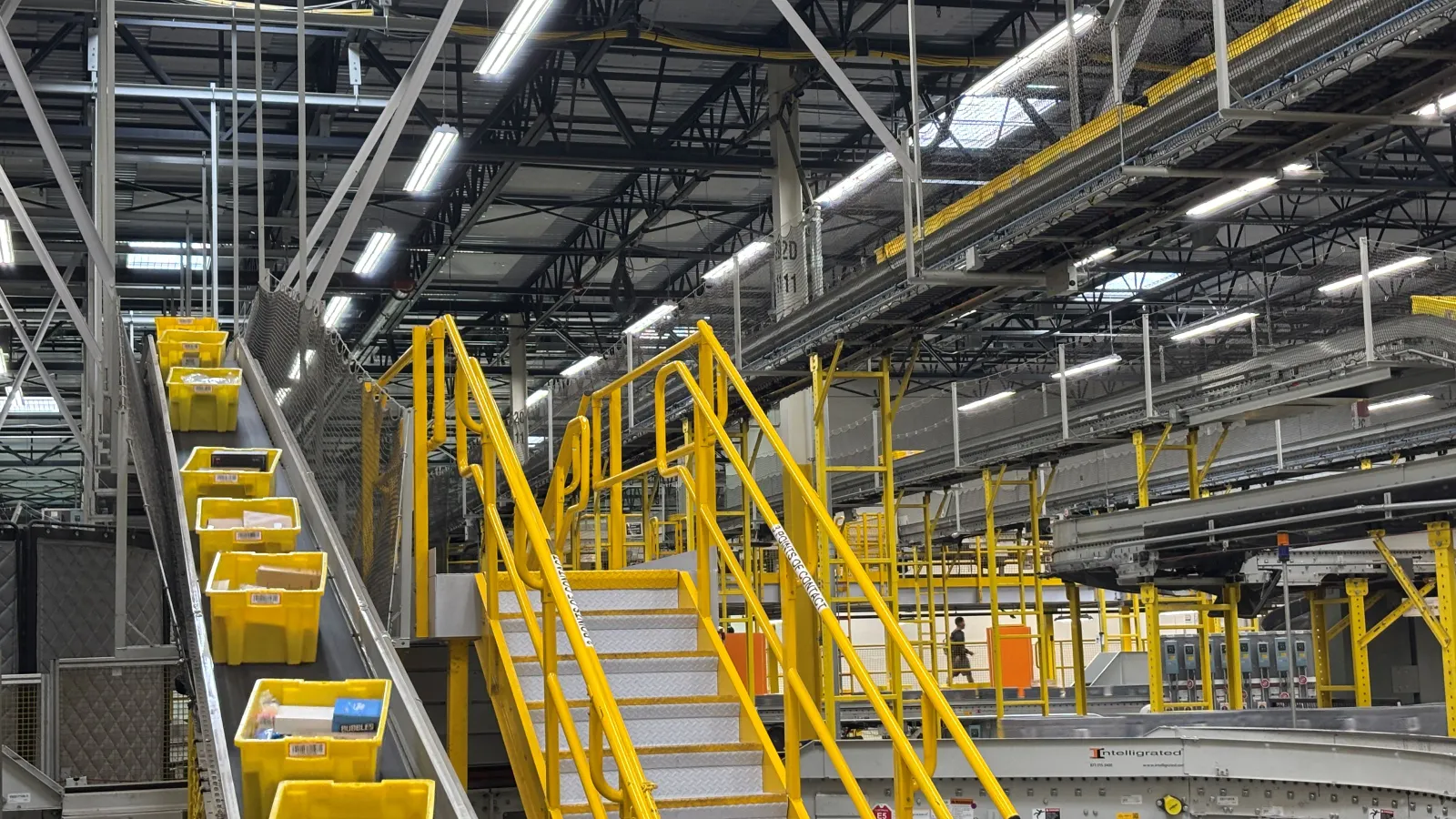
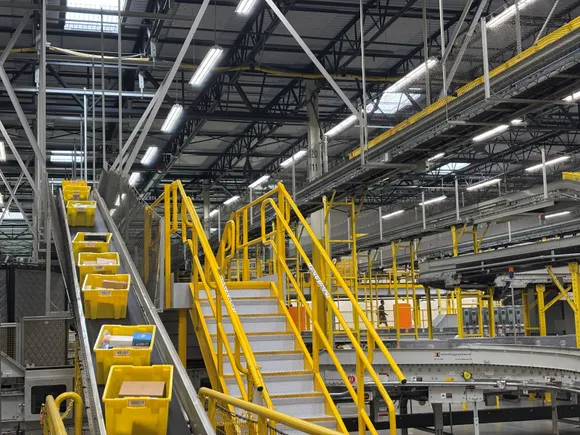
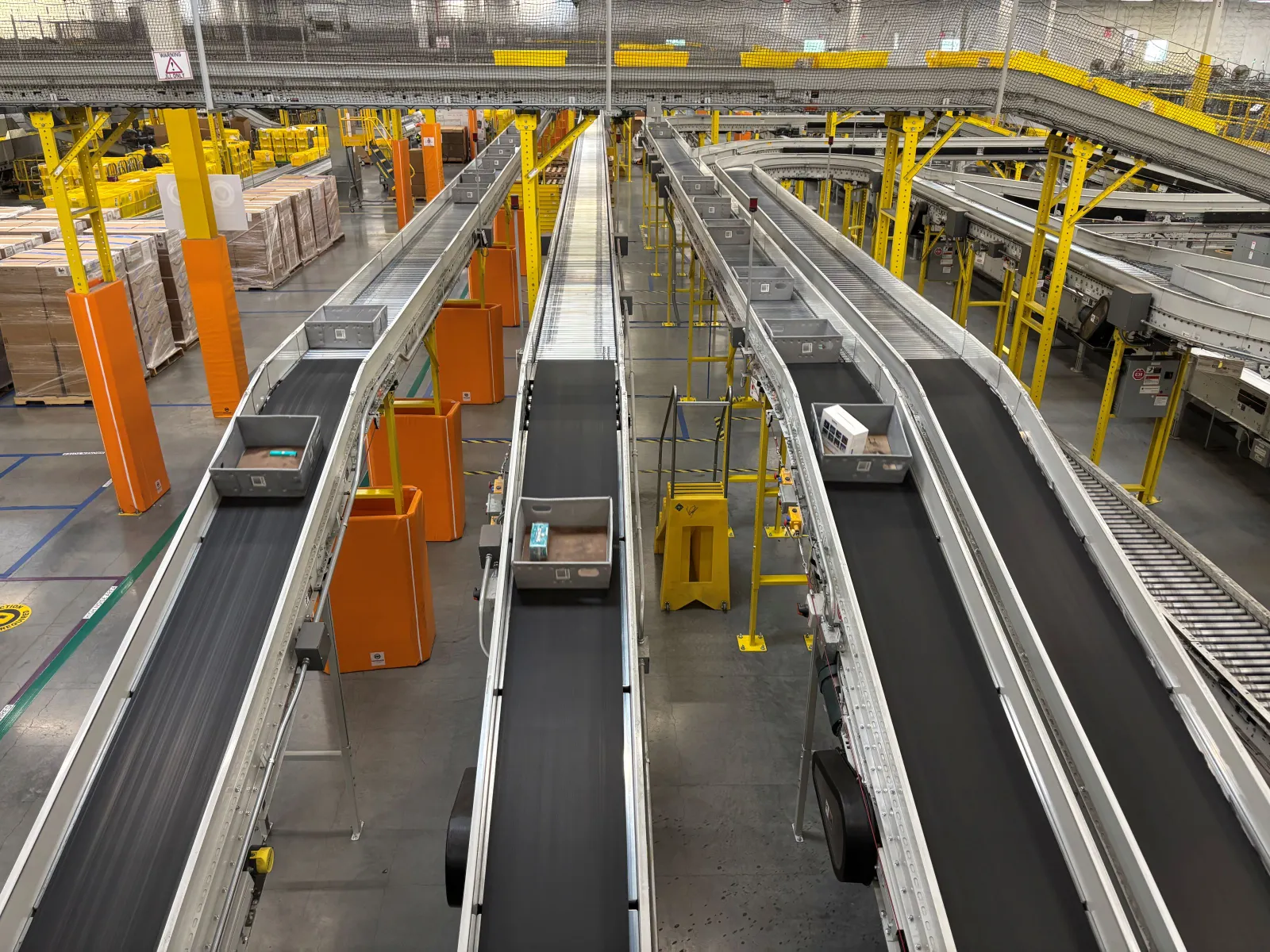
Once items have been meticulously picked by associates, they embark on the next phase of their journey via an elaborate network of conveyor belts. These items are carefully sorted into trays or totes and intelligently routed to the appropriate packing station based on the order type. This intelligent routing is a critical feature, as single-item orders and multi-item orders follow distinct, optimized automated paths. This segregation allows for specialized packing processes that maximize efficiency for each type of shipment.
The sophisticated algorithms governing this routing ensure that each item reaches its designated packing area with minimal delay, contributing to the overall speed and reliability of the fulfillment process. The sheer volume of trays and totes moving simultaneously across different levels of the facility creates a mesmerizing display of organized chaos, all orchestrated by an underlying digital brain that tracks every package in real-time.
The Packing Process: Precision and Automation Meet Human Touch
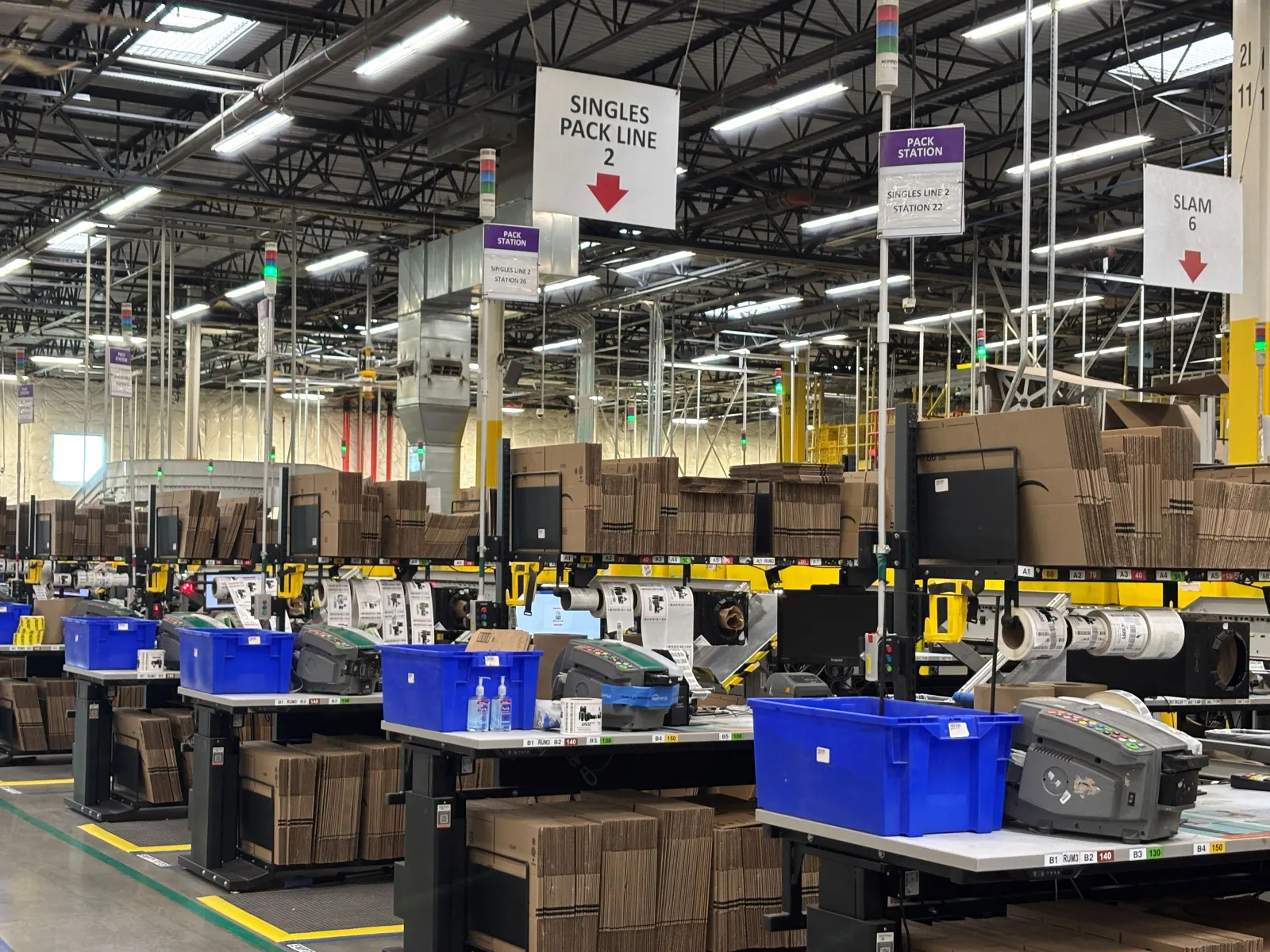
The packing department at BFI4 further exemplifies the intelligent integration of automation. Here, different packing sections leverage specialized machines and systems to prepare parcels for shipment.
A prime example is the CW1000 packaging machine. This advanced piece of equipment uses sophisticated sensors to precisely measure each item, determining the exact amount of wrapping material required for adequate protection during transit. This technology is instrumental in eliminating the use of excess packaging, a common issue with manual boxing, thereby contributing to sustainability efforts and reducing waste. The CW1000 ensures consistency and efficiency, rapidly enclosing items in custom-fit packaging.
Alongside these fully automated solutions, BFI4 also operates manual packaging stations. These stations are not purely manual but are augmented by automated processes that support human work. For instance, orders containing multiple items are directed to the Amazon Fulfillment Engine area. Here, associates are expertly guided by integrated systems that recommend the optimal box size for the combined items, minimizing void space and packaging material. These stations are also equipped with automated tape dispensers, further streamlining the process and ensuring secure sealing. This hybrid approach allows for the flexibility needed to handle complex multi-item orders while still benefiting from automated efficiencies, leveraging human dexterity and problem-solving alongside machine precision.
Orders are Ready for Delivery: The Final Mile Prep
The culmination of this intricate process sees the packaged items transported to the "ship dock area." This bustling section of the facility is where parcels are aggregated, sorted by destination, and meticulously loaded onto trailers. These trailers are then dispatched to one of two destinations: either sorting centers, which act as intermediate hubs to orchestrate further transportation across wider geographical areas, or directly to delivery stations. Delivery stations are the final link in Amazon’s chain, responsible for delivering packages directly to customers’ doors, ensuring the promised speed and convenience.
The ship dock is a highly dynamic environment, operating under immense pressure to meet tight deadlines. The efficiency of this stage directly impacts Amazon’s ability to uphold its delivery guarantees, making it a critical choke point where every minute counts. The systematic loading and dispatch procedures, often guided by advanced logistics software, underscore the sophisticated planning required to manage such a massive outgoing flow of goods.
Supporting Data and Operational Insights
While specific, proprietary data on BFI4’s exact efficiency gains or cost savings are not publicly disclosed, the operational philosophy behind such facilities offers compelling insights. The blend of human and robotic labor is not merely about replacing jobs but redefining them. For instance, the reduction in physical walking for associates at ARSAW stations, estimated by internal studies to save miles of walking per shift, translates directly into reduced fatigue and potentially lower rates of workplace injury. This allows associates to focus on higher-value tasks requiring cognitive input and problem-solving, rather than purely repetitive physical exertion.
The one million items per day capacity of BFI4, particularly as the first facility to achieve this in 2016, highlights a significant leap in fulfillment capabilities. This surge in throughput directly supports Amazon’s exponential growth in customer orders, especially during peak seasons like Prime Day or the holiday shopping rush. Without such highly automated facilities, meeting the burgeoning demand for rapid delivery would be logistically impossible.
Furthermore, the CW1000 packaging machine’s ability to apply the "exact amount of wrapping material" speaks to a broader industry trend towards sustainability. Minimizing excess packaging not only reduces material costs but also contributes to a smaller environmental footprint by decreasing waste and optimizing shipping volumes. Analysts frequently point to such innovations as key differentiators for Amazon, allowing them to scale operations while simultaneously addressing consumer and regulatory pressures for more environmentally conscious practices. The integration of technology-enhanced workstations and automated tape dispensers at manual stations underscores Amazon’s continuous pursuit of marginal gains in efficiency, where even small improvements across thousands of employees and millions of packages yield substantial overall benefits.
Official Responses and Amazon’s Vision
Amazon’s official stance on its automation strategy, as conveyed through various public statements and corporate communications, consistently emphasizes a philosophy of augmentation rather than outright replacement of human labor. The company frequently highlights its investment in upskilling programs and career development for associates, enabling them to transition into roles that involve supervising, maintaining, or programming the advanced robotic systems.
During the facility tour, the emphasis was often placed on how technology serves to "empower" associates, making their jobs safer, more ergonomic, and less physically demanding. For instance, the use of projector lights at ARSAWs to guide picking reduces mental strain and errors, allowing associates to maintain high productivity levels throughout their shifts. The design of Universal Stations as flexible workstations for both stowing and picking is a direct response to the need for operational agility and optimal workforce utilization.
Amazon views its sophisticated fulfillment centers like BFI4 as critical infrastructure for meeting evolving customer expectations. The ability to process vast volumes of orders with speed and accuracy is paramount to maintaining competitive advantage in the rapidly accelerating e-commerce landscape. By continuously innovating in robotics and AI, Amazon aims to not only streamline its operations but also enhance the overall employee experience and deliver on its promise of customer obsession. The focus on safety, efficiency, and a harmonious human-robot work environment is a recurring theme in Amazon’s narrative surrounding its highly automated facilities.
Implications: Reshaping Logistics, Labor, and Consumer Expectations
The operational model pioneered and perfected at BFI4 carries profound implications across several critical sectors, from the future of work to the very fabric of global supply chains.
Impact on Labor and Workforce Development: The most significant implication lies in the transformation of labor within the logistics sector. Facilities like BFI4 necessitate a shift in the skillset required of warehouse associates. While some purely manual roles may be reduced, there is a clear demand for individuals capable of overseeing, maintaining, and troubleshooting complex robotic systems. This drives a need for upskilling and reskilling initiatives, encouraging employees to evolve into technical, supervisory, or analytical roles. Amazon’s investment in programs like Career Choice, which offers prepaid tuition for in-demand fields, directly addresses this evolving labor landscape, aiming to create a workforce that can collaborate effectively with intelligent machines. This isn’t just about job displacement; it’s about job transformation, requiring adaptability and continuous learning.
The Evolution of E-commerce and Customer Expectations: The sheer efficiency and speed enabled by centers like BFI4 have fundamentally reshaped consumer expectations. The ability to offer one-day or even same-day delivery on a vast array of products is a direct outcome of these highly optimized fulfillment operations. This, in turn, fuels the growth of e-commerce, creating a virtuous cycle where increased demand necessitates further investment in automation and logistics infrastructure. Competitors are compelled to follow suit, leading to an industry-wide acceleration of delivery speeds and service levels, with the customer as the ultimate beneficiary.
Supply Chain Resilience and Efficiency: In an increasingly volatile global environment, the automation embedded in BFI4 contributes significantly to supply chain resilience. Automated systems can operate with greater consistency and at higher speeds than purely manual operations, especially during peak demand periods or labor shortages. This allows for greater predictability and robustness in the face of disruptions. Furthermore, the granular control over inventory and movement provided by these systems enhances overall supply chain visibility and efficiency, allowing for quicker responses to market changes or unforeseen events. The reduction in packaging waste also speaks to a broader drive for efficiency, both economically and environmentally.
Technological Advancements and Future Outlook: BFI4 stands as a living laboratory for the continuous development of robotics, artificial intelligence, and machine learning in logistics. The lessons learned from its operation inform the design of future fulfillment centers and the next generation of Amazon’s robotic workforce. This relentless pursuit of innovation suggests a future where fulfillment operations become even more autonomous, intelligent, and integrated, pushing the boundaries of what’s possible in order fulfillment. The ongoing refinement of human-robot collaboration models will likely lead to new paradigms of work, where technology augments human capabilities in increasingly sophisticated ways.
In essence, Amazon’s BFI4 is more than just a warehouse; it is a blueprint for the future of logistics, a dynamic ecosystem where human intelligence and artificial intelligence converge to meet the ever-growing demands of the digital economy. The insights gained from a tour behind its curtains reveal not just a marvel of engineering, but a powerful indicator of how commerce, labor, and technology will continue to intertwine and evolve in the years to come.
About the Author