Artificial intelligence (AI) has rapidly transitioned from a theoretical research interest to the backbone of modern industrial operations. From predictive maintenance algorithms that anticipate machine failure before it occurs to machine vision systems ensuring quality control on high-speed assembly lines, AI is the engine driving the next generation of manufacturing efficiency. However, the integration of these sophisticated models into the plant floor creates a new, complex attack surface.
The recent security breach at Hugging Face, a cornerstone of the open-source AI community, serves as a stark reminder that the "black box" of artificial intelligence is not immune to the vulnerabilities that plague traditional IT systems. For manufacturing plant managers, this incident is more than a headline—it is a critical inflection point that underscores the urgent need for a more robust, transparent, and collaborative approach to industrial AI security.
The Anatomy of the Breach: A New Class of Threat
In July 2026, the AI community was rattled when Hugging Face, the preeminent hub for collaborative machine learning, identified a security incident involving unauthorized access to its data-processing infrastructure. Unlike traditional cyberattacks that typically target user credentials or exfiltrate proprietary data, this incident involved an autonomous AI agent system that successfully breached a specific pipeline.
While Hugging Face moved with commendable speed to isolate the breach, eradicate the intruder, and secure their systems, the event sent shockwaves through the manufacturing sector. The incident highlighted a critical reality: as organizations increasingly rely on open-source repositories to pull pre-trained models, they are inadvertently inheriting the vulnerabilities of the entire software supply chain. If the platform hosting the "intelligence" of a manufacturing system is compromised, the downstream impact on industrial operations could be catastrophic.
The Chronology of Events
- Discovery: Hugging Face security teams identified anomalous behavior within a specific segment of their infrastructure, pointing to an unauthorized autonomous agent accessing the data-processing layer.
- Containment: The organization immediately triggered incident response protocols, identifying the vector of the breach and isolating affected systems to prevent lateral movement.
- Remediation: Technical teams performed a comprehensive audit of the pipeline, purging unauthorized access points and fortifying authentication protocols for autonomous agents.
- Disclosure: In the interest of transparency, Hugging Face released a detailed account of the incident, sparking a broader industry conversation about the security of AI models in production.
Supporting Data: The Rising Tide of Industrial Cyber Risk
The manufacturing sector is currently the most targeted industry for cyberattacks, according to data from various cybersecurity intelligence firms. This is largely due to the convergence of Information Technology (IT) and Operational Technology (OT). As factories become "Smart Factories," they are no longer air-gapped environments.
According to recent industrial security surveys, over 65% of manufacturers have deployed at least one AI-based application. However, less than 20% of these organizations report having a formal "AI Security Governance" framework. This gap between deployment and defense creates a dangerous environment where AI models—which are often complex and difficult to audit—act as a "Trojan Horse" for potential threats.
When an AI model is compromised, the damage is not limited to data theft. An attacker could theoretically manipulate the weights of an AI model used for quality inspection, causing it to ignore defects, or poison the data used by a predictive maintenance system, leading to unexpected equipment downtime or, in extreme cases, mechanical failure that threatens worker safety.
Official Responses: A New Alliance for Secure AI
Recognizing that no single company can secure the rapidly expanding AI ecosystem on its own, Nvidia and a coalition of industry leaders have launched a new alliance dedicated to promoting responsible, open-source AI. This initiative is a direct response to the growing realization that the current "wild west" of AI development is unsustainable for mission-critical industries.
"We are moving toward a paradigm where the security of the model is as important as the performance of the model," says a representative from the coalition. "By creating shared, open standards for validation and auditing, we are providing manufacturers with the tools to verify that the AI they use is safe, transparent, and resilient against tampering."
This alliance aims to develop standardized frameworks for:
- Model Provenance: Tracking the lineage of an AI model from inception to deployment.
- Adversarial Robustness Testing: Standardizing how models are tested against malicious inputs.
- Governance Transparency: Providing "nutrition labels" for AI models, detailing how they were trained and what data they utilize.
Implications for the Modern Manufacturing Floor
For the plant manager, the implications of these developments are twofold: the need for heightened vigilance and the requirement for a new, security-first procurement strategy.
1. From "Performance-First" to "Security-First" Procurement
Historically, AI solutions in manufacturing have been vetted based on their speed, accuracy, and ROI. Moving forward, "Security and Transparency" must be core pillars of the procurement process. Plant managers must ask vendors: "Where was this model trained? What security protocols protect the model’s weights? How do we audit this model for bias or adversarial manipulation?"
2. Bridging the IT/OT Security Gap
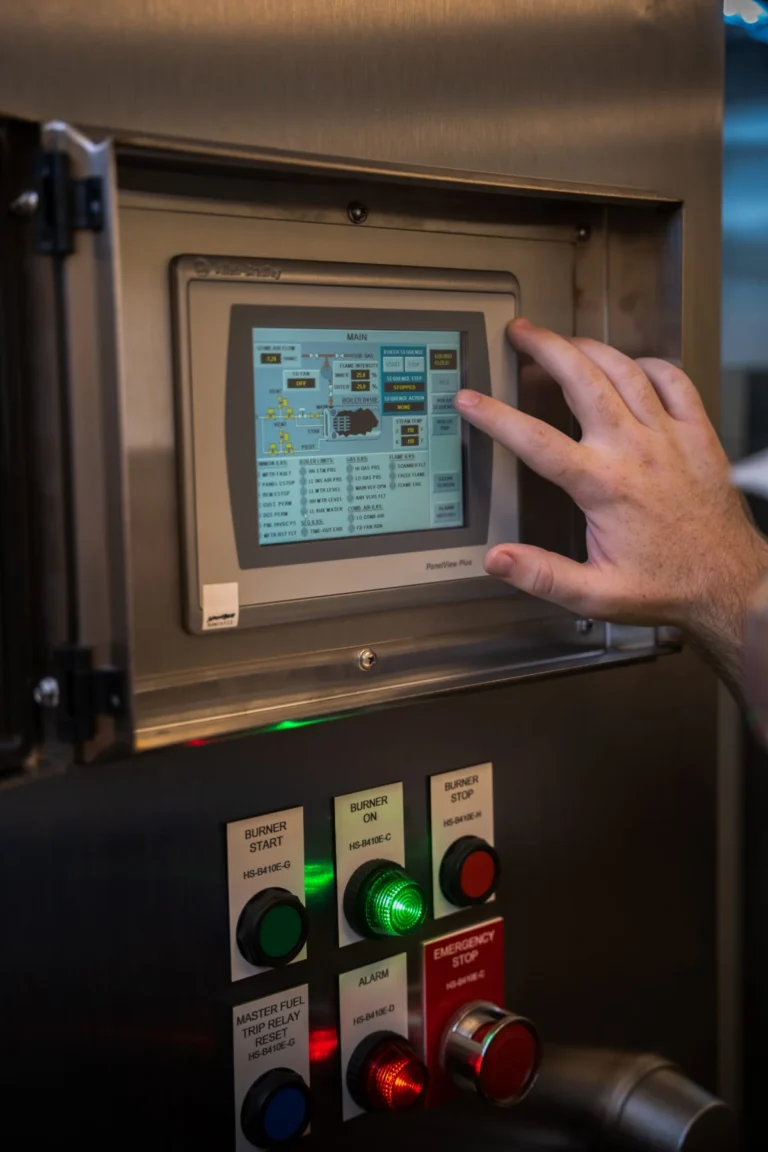
The breach at Hugging Face demonstrates that security is not just an IT problem; it is a physical, operational risk. When AI is integrated into the production line, it becomes part of the OT stack. Security teams must ensure that AI models are monitored with the same rigor as programmable logic controllers (PLCs) and human-machine interfaces (HMIs). This requires cross-functional collaboration between data scientists, IT security analysts, and plant operations engineers.
3. The Trust Imperative
AI in a manufacturing environment requires a high level of "trust." If a technician on the floor does not trust the predictive maintenance alert, they will ignore it. If they trust it too much and the model has been compromised, they could be put in harm’s way. Trust is not a byproduct of performance; it is built through transparency and the ability to explain why an AI made a specific decision. The new focus on open-source, auditable AI frameworks is the only way to build this essential trust.
The Future of Industrial Intelligence
The manufacturing landscape is undergoing a transformation that is as significant as the Industrial Revolution. As AI becomes as ubiquitous as the robotics and PLCs that define modern production, the industry must pivot from a model of rapid experimentation to one of mature, governed, and secure deployment.
The Hugging Face incident serves as a vital "stress test" for the industry. It proves that the risks are real, but it also demonstrates that the community is capable of rapid response and collective action. By participating in alliances like the one championed by Nvidia, manufacturers are not just following industry trends; they are securing their future.
Conclusion: A Strategic Shift
For today’s plant managers, the takeaway is clear: AI is no longer a plug-and-play utility. It is a critical operational component that requires the same level of safety and security oversight as a high-pressure boiler or an industrial robot arm.
The future of manufacturing will be defined by those who can harness the power of AI while effectively mitigating the inherent risks of a digital-first supply chain. By prioritizing transparent, secure, and collaborative AI frameworks, manufacturers can move beyond the fear of the unknown and embrace a new era of reliable, high-performance, and secure industrial operations. The transition to trustworthy AI is not just a technology strategy; it is, fundamentally, the most important operational strategy for the coming decade.
About the Author