In the modern industrial landscape, the air compressor—once a reliable workhorse relegated to the background of factory operations—is undergoing a high-stakes evolution. As industrial plants grapple with the converging pressures of a shrinking skilled workforce, aging infrastructure, and the relentless demand for energy efficiency, the strategy governing these critical assets is shifting. No longer can maintenance be viewed as a simple cost-center; it has become a central pillar of operational survival.
Thomas Nist, Product Manager for Aftermarket and Controls at FS-Elliott, argues that the industry stands at a crossroads. "In industrial environments, maintenance strategy determines whether an air compressor remains a reliable asset or becomes a costly source of downtime and inefficiency," says Nist. As plants face mounting pressure to modernize with fewer resources, the divide between those embracing predictive intelligence and those falling into a "run-to-fail" cycle has never been wider.
Main Facts: The Industrial Maintenance Landscape
The contemporary factory floor is defined by a paradoxical struggle: the need for advanced, data-driven reliability versus the reality of stagnant or shrinking operational budgets.
- The "Run-to-Fail" Phenomenon: Despite the rise of Industry 4.0, a significant market segment is retreating from proactive maintenance. Driven by budget constraints and the exodus of experienced maintenance personnel, many facilities are opting to run equipment until failure, a strategy that often results in higher long-term costs.
- The Energy Mandate: Compressed air systems often represent one of the largest single energy consumers in a facility. With sustainability targets becoming regulatory requirements, optimizing these systems is no longer optional.
- The Knowledge Gap: The retirement of "tribal knowledge" holders—technicians who could diagnose a machine by sound or vibration—has created a void that digital tools are struggling to fill.
- Asset Management vs. Break-Fix: The industry is moving toward a service model where compressors are managed as intelligent assets rather than repaired as broken hardware.
Chronology of Modernization: From Legacy to Intelligence
The evolution of maintenance has occurred in three distinct phases, each defined by the technology available at the time and the prevailing economic conditions of the manufacturing sector.
Phase 1: The Era of Mechanical Intuition (Pre-2000s)
During this period, maintenance was exclusively reactive or preventive based on calendar intervals. Instrumentation was analog, and the "health" of a machine was determined by the experience of the technician on the floor.
Phase 2: The Connectivity Gap (2000–2015)
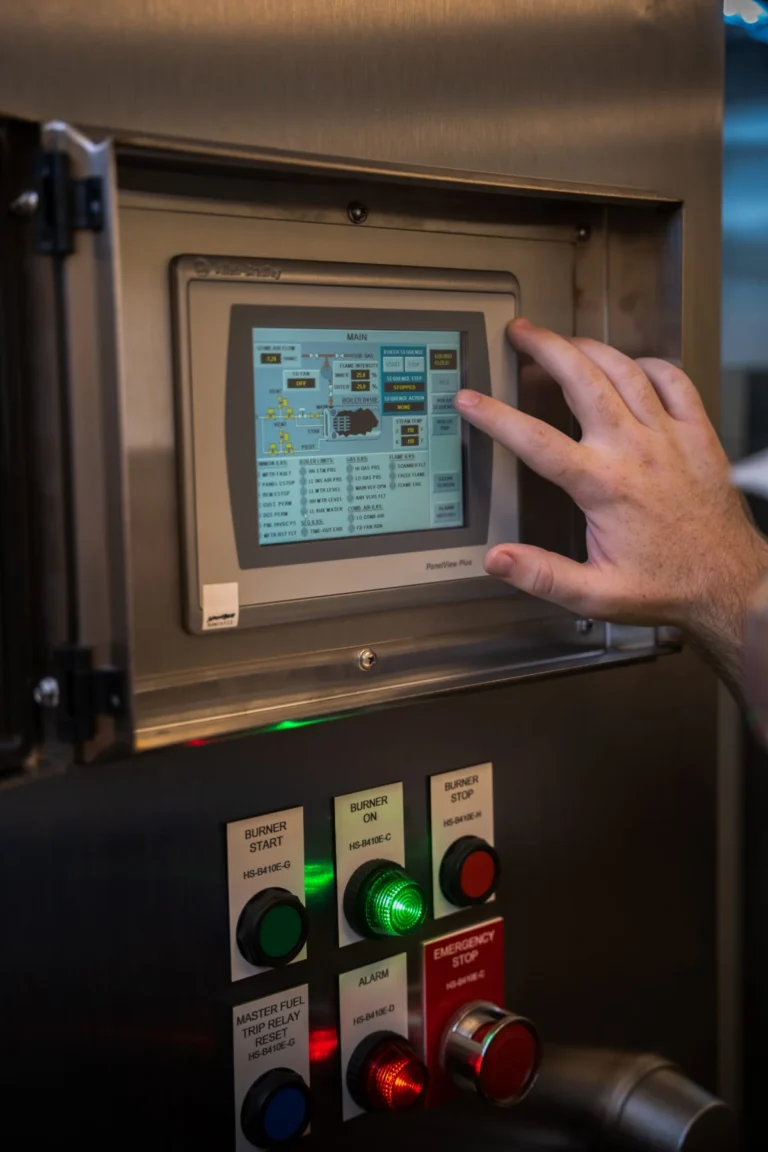
As plants aged, many compressors remained in operation for 20 to 30 years. These machines became "islands of data"—functional, but disconnected from the modern plant systems that were beginning to emerge. This created a visibility crisis where managers knew something was wrong only when the air stopped flowing.
Phase 3: The Predictive Integration (2015–Present)
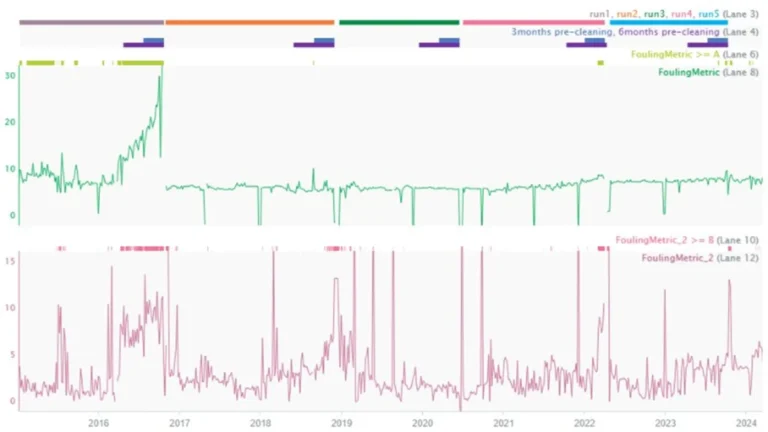
We are currently in the age of integration. Modernization programs, such as controls retrofits, are allowing legacy assets to communicate with current IoT and cloud-based platforms. This phase is defined by the transition from simply collecting data to applying artificial intelligence (AI) to filter noise and provide actionable, real-time insights.
Supporting Data and Technical Realities
The challenge of modernizing infrastructure is not merely technological; it is deeply rooted in the physics of industrial machinery. Centrifugal compressors are precision-engineered systems with extremely tight tolerances.
The Hidden Cost of Non-OEM Components:
Plants often fall into the trap of evaluating solutions based strictly on acquisition cost. However, the use of third-party or non-OEM components can lead to:
- Performance Degradation: Even slight variances in component specs can alter the aerodynamic efficiency of a compressor, leading to a spike in energy consumption.
- Catastrophic Failure: In rotating equipment, non-OEM parts can cause imbalances that lead to catastrophic mechanical failure, far exceeding the initial savings of the cheaper part.
- Warranty Risks: Third-party parts often void manufacturer warranties, leaving the plant vulnerable during critical downtimes.
The Instrumentation Foundation:
Data-driven maintenance is only as strong as its sensors. Before implementing AI or advanced analytics, Nist emphasizes that plants must undergo a "digital audit." If the sensors are uncalibrated or the data architecture is fragmented, the "AI" will be learning from bad information, leading to false positives that erode trust in the system.
Official Perspectives: Navigating the Modernization Maze
When asked about the most urgent problems facing plant managers, Nist highlights the complexity of upgrading equipment in a "no-downtime" environment.

"The core challenge is that modernization almost always requires intervention on equipment that plants cannot afford to shut down," Nist notes. "We address this by working closely with customer engineering teams in the planning phase to anticipate integration challenges with existing plant control systems, electrical infrastructure, and auxiliary support systems. Surprises that extend a shutdown are largely preventable with thorough engineering upfront."
The AI Imperative
Regarding the integration of AI, the industry is becoming more discerning. Nist advises that the value of AI is not in the model itself, but in the application of the model to the right problem. "The right application for AI-assisted alerting is one where a false positive has a manageable cost and a missed detection has a serious one," he explains.
He further stresses that AI should not replace humans, but rather augment them. "You still need experienced people in the loop. AI can flag something unusual, but it takes a knowledgeable technician to determine whether that flag means the machine is developing a real problem, or if a sensor is simply giving a bad reading."
Implications: The Future of the Factory Floor
The implications for the next decade of manufacturing are profound. The plants that succeed will be those that treat digital transformation as an organizational process rather than a software installation.
1. The Death of the "Parts Vendor" Relationship
The relationship between suppliers and plants is fundamentally changing. Suppliers are no longer just providing hardware; they are becoming partners in asset management. This includes remote monitoring, performance trending, and predictive service agreements that allow manufacturers to move from reactive spending to predictable, budgeted maintenance.
2. Bridging the Generational Divide
The industry faces a unique opportunity to harmonize its workforce. By pairing the "pattern recognition" of senior, experienced engineers with the "digital fluency" of younger technicians, plants can create a hybrid maintenance culture. This synergy is essential for interpreting the data that modern systems provide.
3. Data Governance as a Precondition
Digital transformation efforts often fail because of a lack of internal governance. Before connecting a machine to the cloud, plants must define:
- Data Ownership: Who owns the machine data?
- Security: How is the data protected against cyber threats as IT and OT (Operational Technology) converge?
- Process Mapping: Who receives the alert, and what is the standard operating procedure once an alert is triggered?
4. The Holistic View of Value
Ultimately, the most successful plants are those that move away from the "acquisition cost" mindset. By focusing on the Total Cost of Ownership (TCO), plant engineers can justify the investment in higher-quality components, OEM-backed service programs, and advanced control systems.
As Thomas Nist summarizes, "Digital transformation is the ability to see what equipment is doing, understand what that data means, and act on it faster and more confidently." For the industrial plant, this confidence is the ultimate competitive advantage in an increasingly volatile global market.
In conclusion, the modernization of air compressor operations serves as a microcosm for the entire manufacturing sector. The shift toward predictive, intelligence-backed maintenance is not merely about keeping the machines running—it is about ensuring that the human and mechanical systems within a plant are aligned to meet the rigorous demands of 21st-century production. Those who invest in the foundational elements—instrumentation, cross-functional collaboration, and OEM partnerships—will define the standard for operational excellence in the years to come.
About the Author