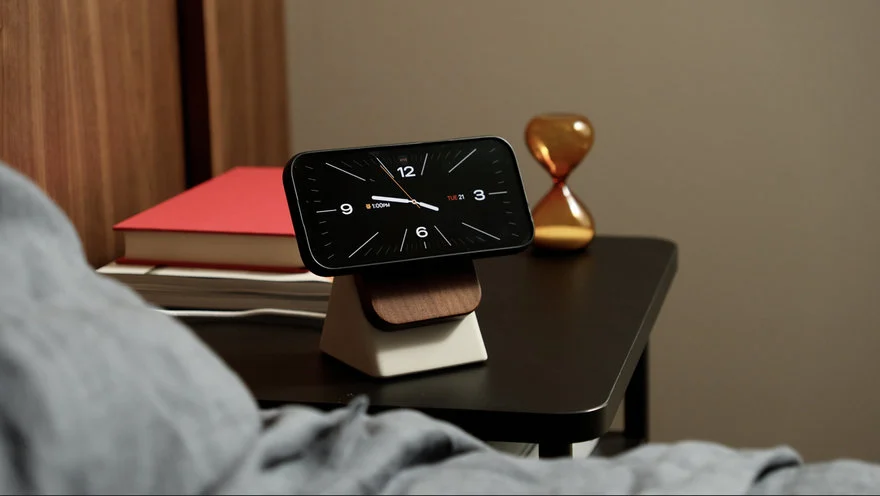
In the crowded landscape of consumer electronics, wireless charging stands have become a commodity. Most manufacturers treat them as lightweight plastic afterthoughts, relying on cheap rubberized feet or adhesive silicone pads to prevent the device from sliding across a desk during use. However, South Korean design firm Modhaus has recently challenged this industry standard by opting for an uncompromising material choice: industrial-grade cast concrete.
The "Upright" wireless charger is more than a mere utility; it is a statement piece that merges the raw, tectonic permanence of architecture with the ephemeral nature of mobile technology. By swapping out ubiquitous plastics for heavy, tactile materials, Modhaus has successfully tapped into a growing market of consumers who prioritize desktop aesthetics and physical stability as much as charging efficiency.
The Genesis of the Upright: A Design Philosophy
The primary friction point for most wireless charging stands is the "nudge factor"—the tendency for a lightweight stand to shift or tip when a user taps their screen or places their phone down with force. While competitors mitigate this with flimsy padding, Modhaus chose to embrace weight as a feature rather than a nuisance.
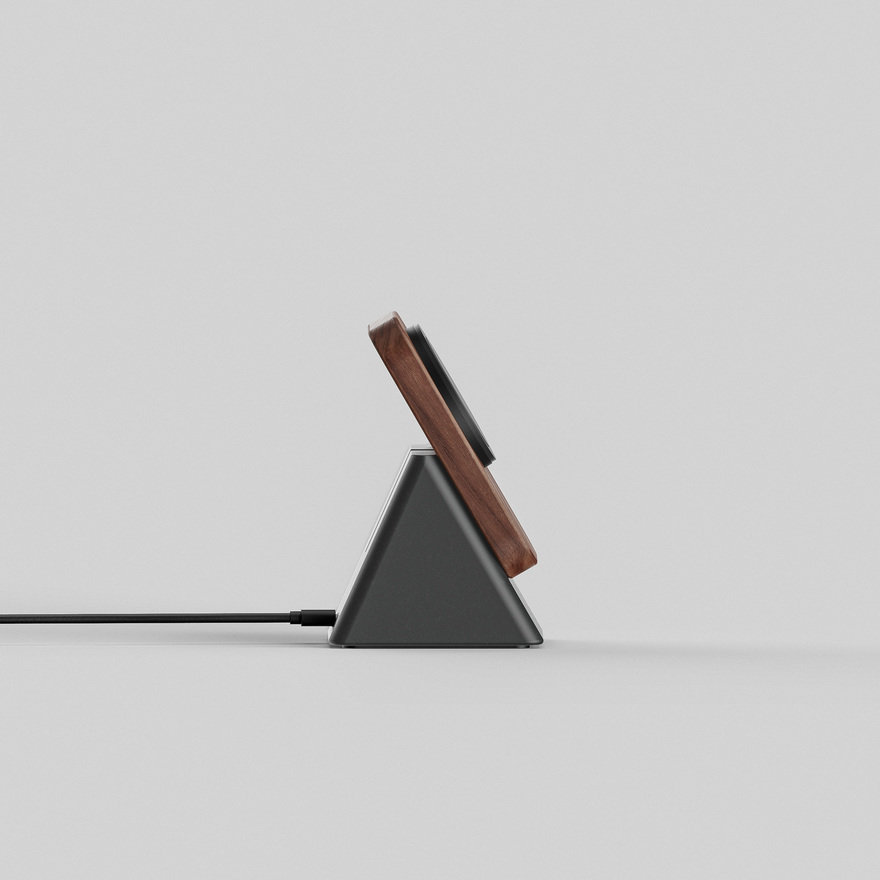
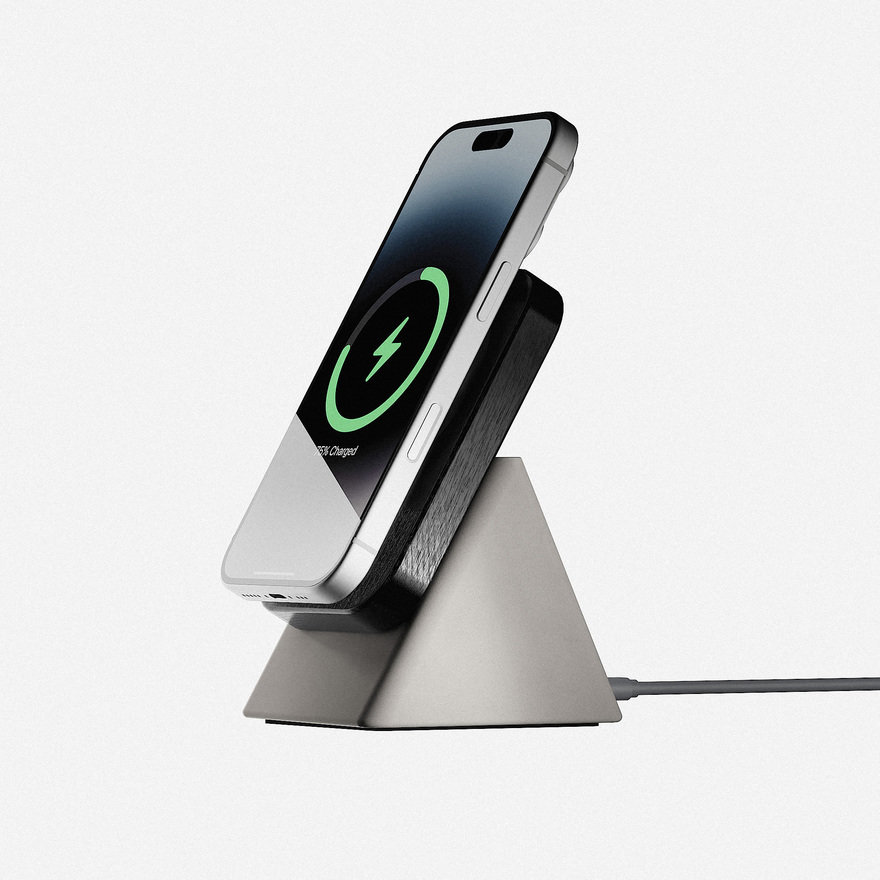
The Upright’s base is constructed from high-density, hand-cast concrete. This choice is deliberate, rooting the device to the desk with a gravitational authority that plastic simply cannot replicate. The concrete base acts as a solid anchor, ensuring that the act of docking a smartphone feels intentional and stable. By introducing this heavy, mineral aesthetic into the home office, Modhaus bridges the gap between mid-century modern furniture design and contemporary tech peripherals.
Material Synergy: The Marriage of Stone and Timber
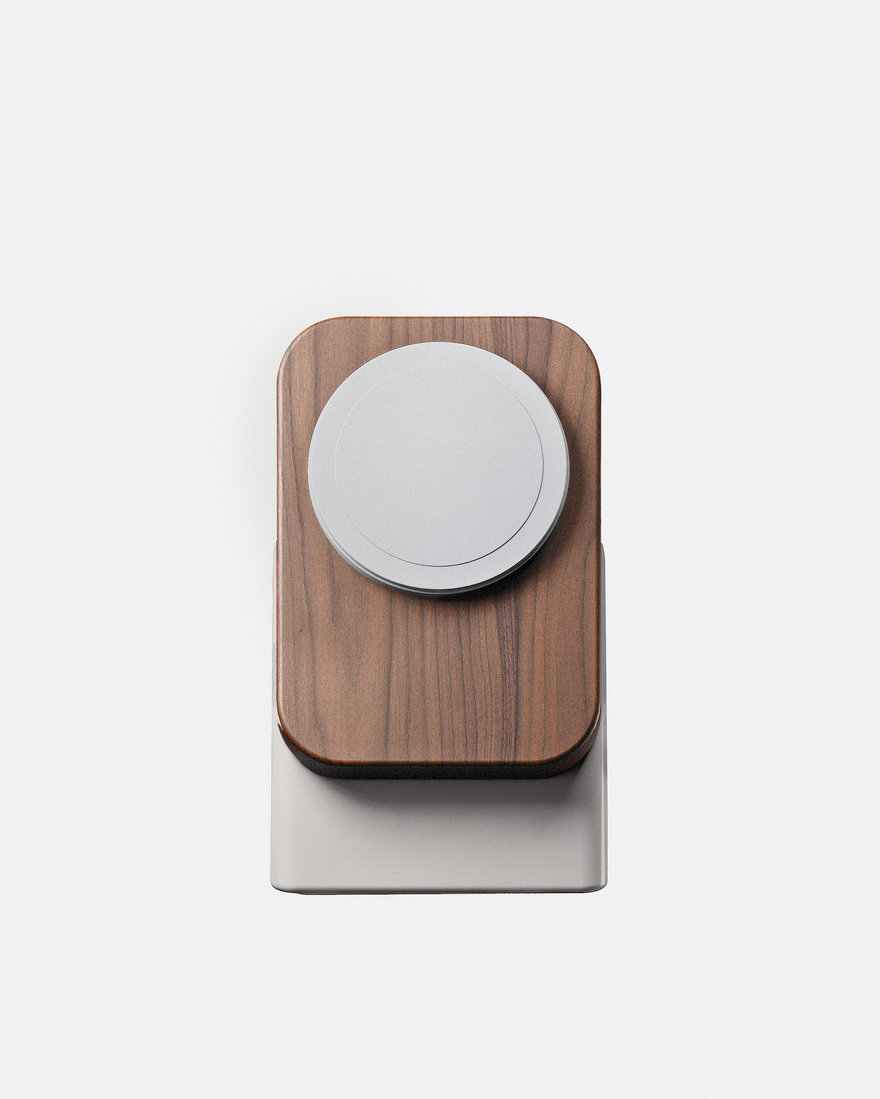
Beyond the concrete foundation, the Upright differentiates itself through its interface surface. Recognizing that concrete against a glass-backed smartphone could feel overly cold or abrasive, the designers opted for high-quality, sustainably sourced hardwood.
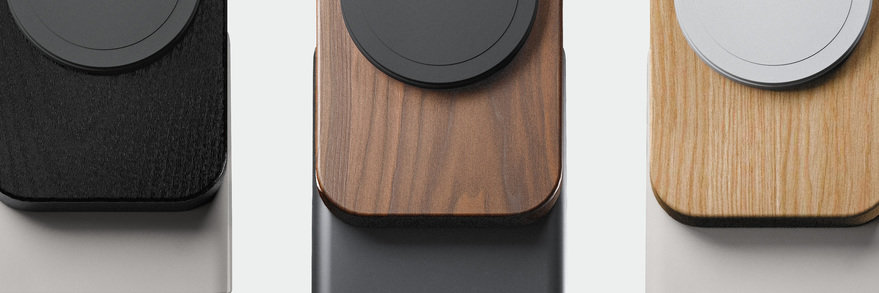
The stand is available in two distinct finishes: Oak and Walnut. This juxtaposition—the cool, industrial grey of the concrete against the warm, organic grain of the wood—creates a visual harmony that complements the minimalist workspace trend. The choice of wood also provides a natural, non-slip friction that keeps the phone securely positioned without the need for unsightly rubber grips or plastic protrusions.
Chronology of a Viral Success
The rise of the Upright charger was swift and indicative of a shifting consumer appetite for "premium-tactile" hardware.
- Initial Conceptualization (Q3 2023): Modhaus engineers began prototyping weight-based stabilization methods, moving away from suction-cup or adhesive-based designs.
- The Prototyping Phase (Q4 2023): The team experimented with various concrete mixtures, seeking a finish that was smooth to the touch but visually rugged, eventually settling on a fine-grain industrial cast.
- Kickstarter Launch (Early 2024): Modhaus took the Upright to the crowdfunding platform Kickstarter to test market viability. The response was near-instantaneous.
- Funding Milestone: Within hours of going live, the campaign reached its financial goal. The rapid success signaled that the "premium materials" niche in the tech accessory market was vastly underserved.
- Current Status: Following the conclusion of the successful campaign, Modhaus transitioned to a pre-order model, scaling production to meet global demand while maintaining the quality control required for cast-concrete fabrication.
Supporting Data and Technical Specifications
While the aesthetic is the primary draw, the Upright is a functional piece of technology. The stand features a 15W fast-charging coil compatible with most Qi-enabled devices, including the latest iterations of the iPhone and Samsung Galaxy series.
The "weight-as-stability" ratio is the critical data point here. The concrete base provides a center of gravity significantly lower than that of traditional plastic chargers. By shifting the mass to the bottom 20% of the device, the Upright resists the tipping torque typically experienced when a user interacts with the top of a smartphone while it is docked.
Furthermore, the materials were selected for their durability. Concrete, when sealed correctly, does not degrade like rubber or yellow like certain plastics under UV light. The hardwoods used are treated with natural oils to prevent drying and cracking, ensuring that the device retains its aesthetic value over a long lifecycle—a sharp contrast to the "planned obsolescence" associated with most budget-friendly tech accessories.
Official Responses and Designer Intent
In statements provided during the campaign, the design team at Modhaus emphasized that they were not merely building a charger; they were building an object for the desk.
"The modern desk has become a chaotic space filled with plastic, cables, and ephemeral gadgets," a spokesperson for Modhaus noted. "We wanted to create something that feels like a permanent fixture. When you place your phone on the Upright, you aren’t just charging it; you are placing it on a pedestal. The weight of the concrete reminds the user that this is a high-quality object that isn’t going anywhere."

The company has been transparent about the manufacturing challenges, noting that casting concrete is a labor-intensive process compared to plastic injection molding. Each base must be cured and finished by hand, which contributes to the $78 price point. However, early backers have consistently cited the "heft" and "finish" as the standout features, suggesting that the consumer is willing to pay a premium for materials that feel substantial.
Implications: The Shift Toward "Analog" Tech Accessories
The success of the Upright charger carries significant implications for the consumer electronics industry. For over a decade, the trend has been toward the "thinner, lighter, cheaper" paradigm. Modhaus is part of a growing counter-movement that embraces "slow design."
1. The Death of Plastic Minimalism
For years, the tech industry equated "minimalism" with white, glossy plastic. The Upright suggests that true minimalism may actually be found in raw, unrefined materials that tell a story of their origins.
2. The Desk-as-Living-Space
As remote work becomes a permanent fixture for millions, the workspace is no longer viewed as a cubicle but as an extension of the home. Consumers are increasingly curating their desks with items that provide a tactile sensory experience. Concrete and wood are "warm" materials that contrast with the "cold" glass and aluminum of the devices they support.
3. Sustainability through Longevity
By creating an object that is physically robust and aesthetically timeless, Modhaus is indirectly addressing the issue of electronic waste. A charger that looks good and feels substantial is less likely to be discarded when the next smartphone model is released. The charging coil itself can be upgraded or serviced, while the concrete and wood base remains a permanent anchor on the user’s desk.
Conclusion
The Modhaus Upright is a masterclass in material psychology. By identifying a simple annoyance—the sliding charger—and solving it with a solution that feels luxurious rather than merely functional, the brand has created a product that transcends its category. It serves as a reminder that even in a world obsessed with digital speed and thin-screen technology, there is still a profound human need for weight, texture, and the grounding presence of natural materials.
As the company moves forward with its pre-order phase, the industry will be watching to see if this "brutalist-chic" approach to tech accessories influences larger manufacturers. If the rapid funding of the Upright is any indication, the future of the desk accessory may be far heavier—and far more interesting—than we ever imagined.
About the Author