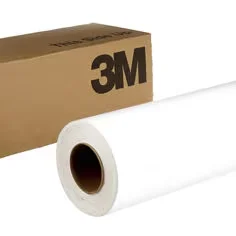
In a strategic move that pivots the role of vehicle graphics from purely aesthetic to highly functional, 3M has officially unveiled its new "3M Cooling Film." Announced in conjunction with the PRINTING United Expo, the product represents a significant technological leap in how fleet, rail, and logistics operators manage thermal regulation. By leveraging advanced material science, the company is offering a solution that does more than catch the eye—it actively mitigates the heat buildup that plagues modern transportation assets.
The Core Innovation: Managing Thermal Load
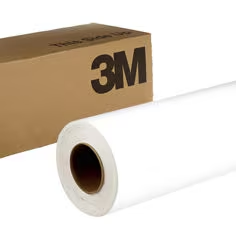
Officially launched on August 17, 2026, 3M Cooling Film is engineered as a high-performance, film-based solution for roof surfaces exposed to direct, intense sunlight. The film functions by reflecting over 85% of solar radiation, a capability that can reduce interior vehicle temperatures by as much as 10°F (5.5°C), depending on specific environmental conditions and the type of vehicle.
For the graphic manufacturing industry, this development is transformative. It allows businesses to expand their service offerings far beyond traditional branding and livery. By integrating functional heat-management solutions into their portfolios, print service providers can transition into the role of operational consultants, addressing critical pain points for their clients such as cargo protection, passenger comfort, fuel efficiency, and long-term sustainability.
A Chronology of the Challenge: The Rising Heat Crisis
The urgency behind this launch is underscored by changing climate patterns and operational data. As extreme heat events become more frequent, the transportation industry is finding that heat management is no longer a luxury, but a core operational challenge.
- The Environmental Context: Data from the U.S. Environmental Protection Agency (EPA) confirms that heat waves in major U.S. cities have increased in frequency, duration, and intensity over the last several decades. This poses a direct threat to temperature-sensitive cargo and operator safety.
- The Physics of Heat Buildup: The impact of solar exposure on vehicles is immediate and dramatic. A peer-reviewed study published in Pediatrics highlighted the vulnerability of enclosed vehicle spaces, noting that interior temperatures can climb by approximately 19°F in just 10 minutes, and a staggering 34°F within 30 minutes.
- The Industry Response: Recognizing this, 3M spent years developing a material that could be applied as easily as a standard graphic wrap but perform with the durability required for heavy-duty industrial environments. The resulting product features a robust hard coat designed to resist chemicals, dirt, and physical wear, ensuring sustained reflectivity over time.
Supporting Data: Efficiency and Performance
The efficacy of 3M Cooling Film is rooted in its ability to address the "roof-to-cab" thermal equation. When combined with 3M’s Automotive Window Film Crystalline BLK 80 (formerly known as CR90), operators gain a comprehensive defense against solar intrusion.
The Roof-to-Cab Advantage
While the Cooling Film addresses the largest surface area—the roof—the Crystalline BLK 80 film manages the heat transmitted through glass.
- Temperature Reduction: 3M’s internal studies, conducted in the high-heat environment of Phoenix, Arizona, showed that the Crystalline series of films could reduce cab temperatures by up to 11°F compared to an untreated control.
- Air Conditioning Effectiveness: By reducing the solar load, the cooling system does not have to work as hard, which directly impacts fuel consumption and the longevity of the vehicle’s HVAC system.
- UV and Infrared Protection: Crystalline BLK 80 blocks up to 99.9% of UV rays—earning it the Skin Cancer Foundation’s Seal of Recommendation—and rejects up to 90% of infrared light. This creates a safer, more comfortable environment for drivers, a factor that cannot be overlooked in today’s competitive labor market.
The Critical Need for Cargo and Driver Protection
The adoption of this technology is segmented into three high-priority sectors: refrigerated logistics, last-mile delivery, and passenger rail.
1. Refrigerated Logistics and the "Danger Zone"
For companies moving perishable goods, temperature control is a matter of compliance and profit. The U.S. Department of Agriculture (USDA) defines the "danger zone" for food as between 40°F and 140°F, the range where bacteria multiply most rapidly. By installing 3M Cooling Film on the roof of refrigerated trucks, operators add an essential layer of insulation that reduces heat intrusion, helping to maintain food safety standards and lowering the burden on refrigeration units.
2. Last-Mile Delivery and Driver Retention
Last-mile fleets face unique challenges: frequent stops, constant door openings, and relentless exposure to the sun. As the American Trucking Associations reports a consistent need for tens of thousands of new drivers annually, the "in-cab experience" has become a competitive differentiator. A cooler cab is not just a comfort feature; it is a retention tool that signals to drivers that the company values their health and well-being.
3. Rail and Passenger Transit
In the rail industry, cooling film serves as a sustainable alternative to traditional painting processes. Beyond the thermal benefits, the film can be applied and removed with relative ease, offering a lower-VOC (volatile organic compound) footprint compared to heavy industrial coatings. This allows rail operators to keep assets in service longer while maintaining a comfortable climate for passengers.
Official Responses and Strategic Vision
Marc Bagley, Senior Marketing Manager for Graphics and Personal Auto at 3M, emphasizes that this product is the result of deep collaboration with fleet managers. "Behind every well-run fleet and rail operation are people working to keep vehicles moving, cargo protected, passengers comfortable, and systems operating efficiently," Bagley stated. "3M Cooling Film brings 3M’s material science and transportation expertise together in a new way—helping customers manage heat without adding complexity to their operations."
The installation process itself is designed for maximum efficiency. By utilizing 3M’s proprietary Controltac and Comply adhesive technologies, the film can be applied quickly, minimizing vehicle downtime. To further bolster confidence, 3M backs the product with a 5-year warranty, which specifically covers the reflectivity performance of the film.
Implications for the Graphics Industry
For the graphic manufacturer, the launch of 3M Cooling Film marks a structural shift in their business model.
Expanding the Revenue Stream
Historically, the relationship between a graphic shop and a fleet manager has been centered on visual identity—logos, wraps, and advertising. With this new product line, the conversation shifts to performance. The graphic manufacturer is no longer just an "outfitter"; they are an "efficiency partner."
A New Value Proposition
Graphic manufacturers can now offer:
- Operational Consultations: Helping clients identify which vehicles in their fleet are most prone to heat buildup.
- Multi-Layered Solutions: Combining roof cooling film with window tinting for a "total vehicle" climate strategy.
- Sustainability Metrics: Demonstrating to clients how the films reduce energy consumption, which can be reported in corporate ESG (Environmental, Social, and Governance) disclosures.
Nicholas Barbera, a Graphics Field Marketer at 3M, notes the strategic shift: "With 3M Cooling Film and 3M Automotive Window Film Crystalline BLK 80, graphic manufacturers can help fleets do more than brand their vehicles. They can offer a more complete solution that helps manage heat from the roof to the cab, creating new revenue opportunities and new reasons to reengage fleet customers."
Conclusion: A Future-Proof Strategy
As the global transportation industry grapples with the dual pressures of rising temperatures and the demand for higher operational efficiency, 3M’s latest innovation offers a practical, scalable, and highly effective answer. By bridging the gap between graphic arts and industrial thermal management, 3M is not only solving a technical problem but is also empowering a new generation of graphic manufacturers to provide high-value, performance-driven services to the logistics sector.
Whether it is protecting a cargo of perishable goods in a last-mile delivery van or ensuring passenger comfort on a commuter train, the application of 3M Cooling Film represents a smart, scientific approach to the challenges of modern transport. For those in the printing and graphics industry, the message is clear: the future of fleet service lies in the power of functional performance.
About the Author