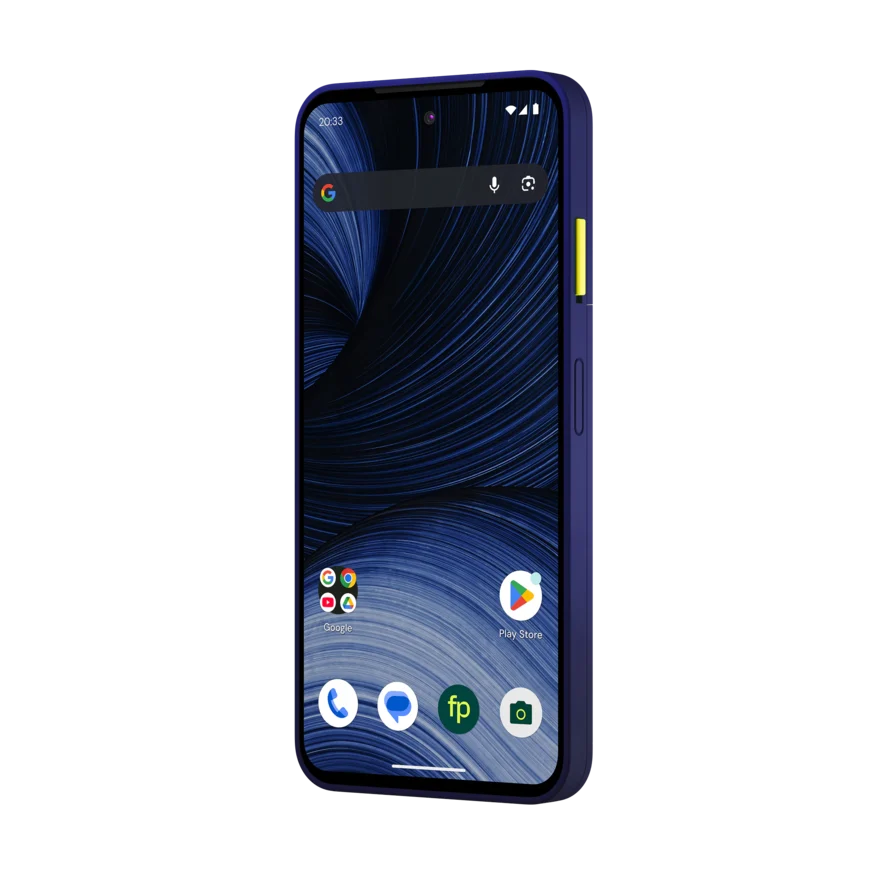
For over a decade, the European technology landscape has been defined by a quiet but radical shift in consumer electronics: the Fairphone. While tech giants in Silicon Valley have spent years designing smartphones with glued-in batteries, proprietary screws, and software-locked components, a Dutch company of the same name has been swimming against the tide. By prioritizing modularity, ethics, and sustainability, Fairphone has challenged the industry’s "planned obsolescence" model. Now, that challenge is officially crossing the Atlantic.
The company has announced the US market launch of the Fairphone Gen. 6+, a device that promises to disrupt the American smartphone market by empowering users to act as their own technicians.
Main Facts: A Smartphone Built for Longevity
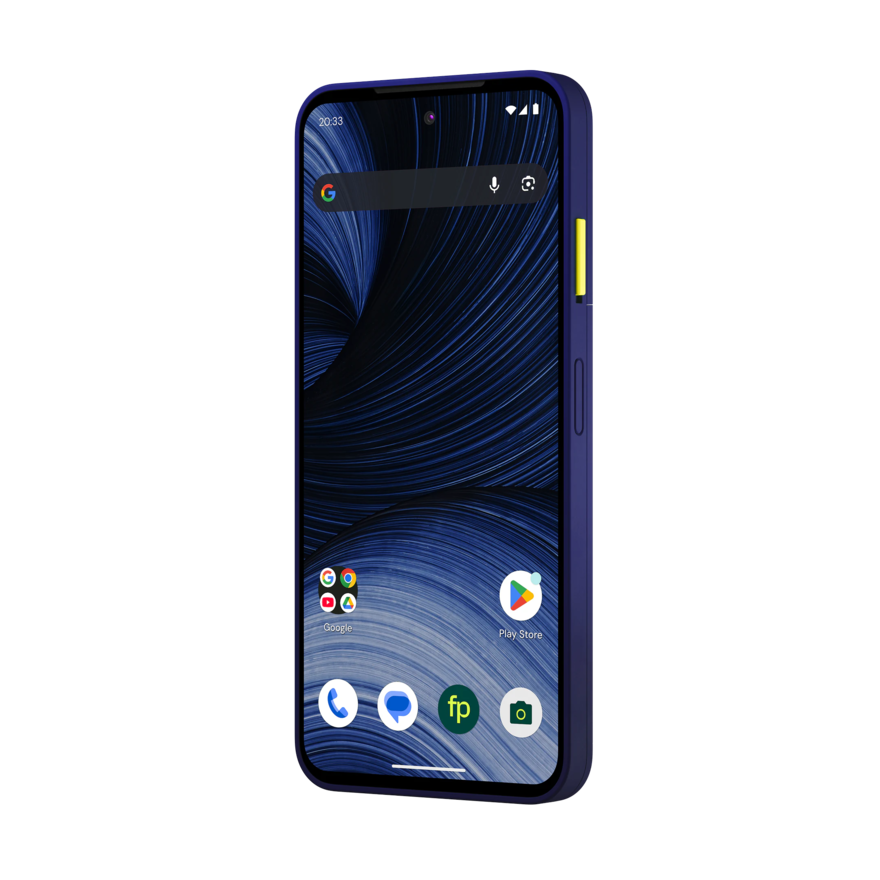
The Fairphone Gen. 6+ is not merely another entry in the crowded mid-to-high-end smartphone market; it is a statement of intent. At its core, the device features a 6.3-inch OLED display, offering vibrant color reproduction and deep blacks consistent with modern flagship standards. Photography enthusiasts are well-catered for, with a robust camera array: a 50MP main shooter, a 13MP ultra-wide lens, and a 32MP front-facing selfie camera. The device is capable of capturing 4K video, ensuring that its utility remains relevant as video standards evolve.
Storage is another area where the Gen. 6+ deviates from the industry trend of forcing users into expensive cloud subscriptions. It ships with 256GB of internal storage, which can be further expanded by an additional 2TB via a MicroSD card slot—a feature that has all but vanished from modern flagships.
Under the hood, the device is 5G-ready and runs on a clean version of Android. It is fully compatible with major American carriers, including T-Mobile and AT&T. Retailing at $650, the Fairphone Gen. 6+ positions itself in the "premium mid-range" segment, but its value proposition is calculated over years, not months.
A Chronology of the Fairphone Philosophy
To understand the significance of the Gen. 6+ arrival in the U.S., one must look back at the company’s origins.
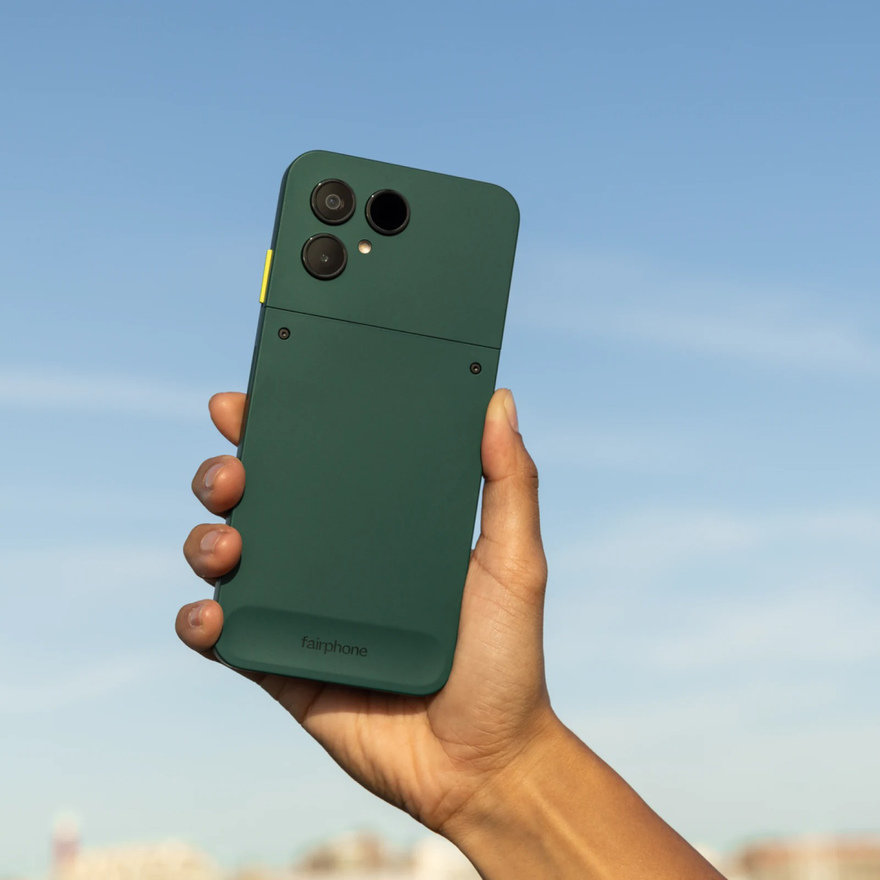
- 2013: Fairphone launches its first handset, born from a campaign to create a "conflict-free" smartphone. The goal was to prove that electronics could be produced with ethical labor and sustainable sourcing.
- 2015–2019: The company releases the Fairphone 2 and 3, which solidified the modular design language. Users began to see that swapping a broken camera module didn’t require a master’s degree in engineering—just a simple screwdriver.
- 2020–2023: As the "Right to Repair" movement gained momentum globally, Fairphone transitioned from a niche sustainability project to a serious competitor, earning top marks from repairability advocates like iFixit.
- 2024: The company announces its expansion into the North American market. The Gen. 6+ represents the culmination of a decade of feedback, refining the modular design into a device that feels as sleek as a traditional consumer phone while remaining inherently repairable.
Supporting Data: The Economics of Repair
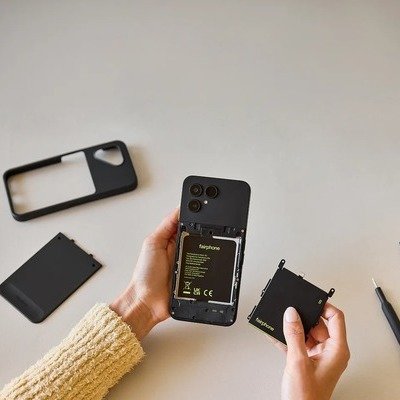
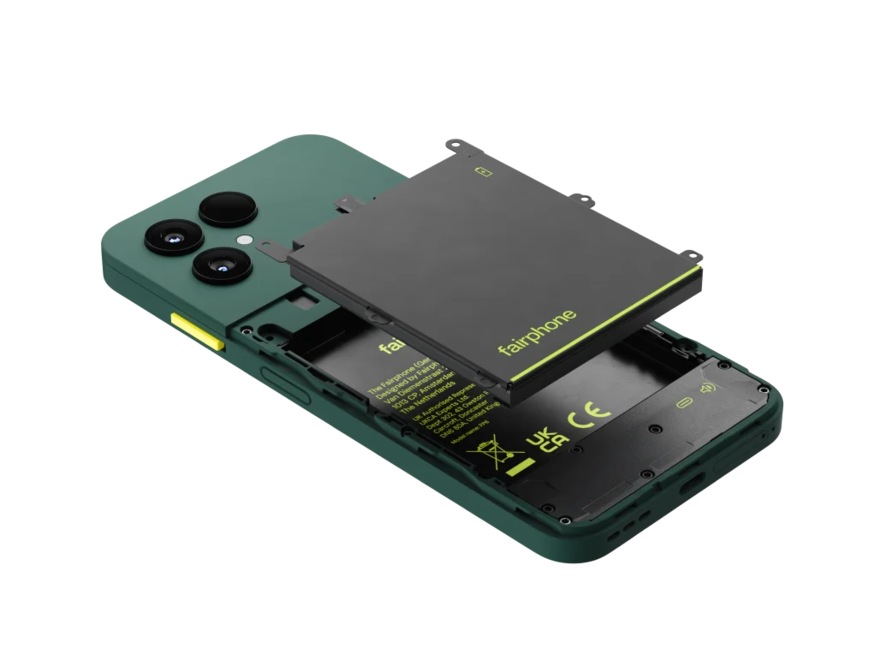
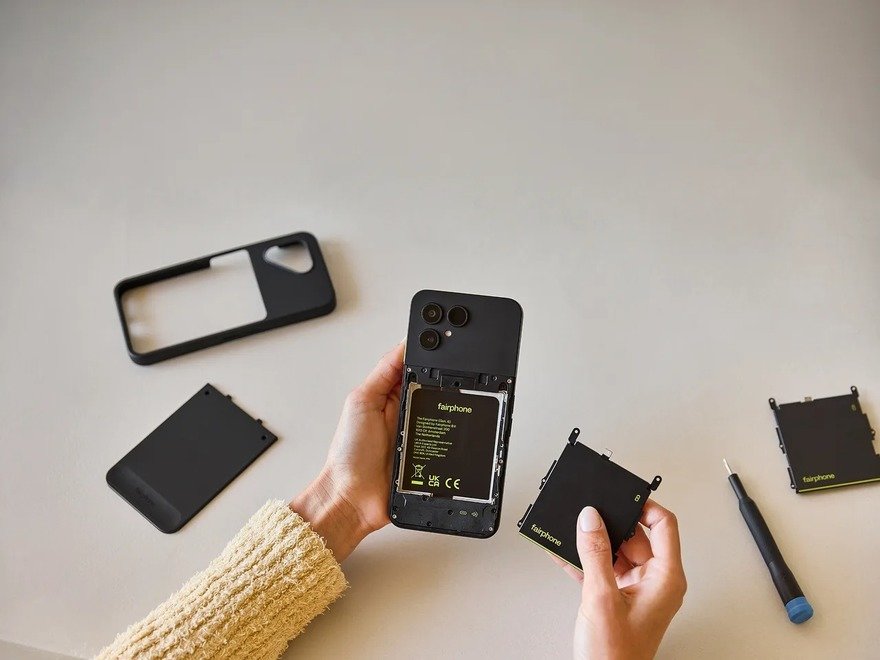
The "real" appeal of the Fairphone Gen. 6+ is the inclusion of a standard T5 Torx screwdriver in the box. This simple tool is the key to a radical new relationship between the owner and the device. Unlike traditional phones, which often require heat guns, suction cups, and specialized solvents to open, the Fairphone is designed to be disassembled by the user.
The company has made its spare parts affordable and transparently priced. Below is the current cost structure for common replacement components:
| Component | Cost |
|---|---|
| Battery | $46 |
| Display Module | $104 |
| Main Camera | $81 |
| Ultra-Wide Camera | $46 |
| Front Camera | $41 |
| USB-C Charging Port | $23 |
| Loudspeaker | $29 |
| Upper Back Cover | $12 |
| SIM/MicroSD Tray | $9 |
Even the smallest hardware components, such as the mounting screws, are available for $9, ensuring that no device is retired due to a minor loss of parts. This pricing model represents a stark departure from authorized repair programs offered by major manufacturers, which often charge hundreds of dollars for simple repairs or refuse service entirely on older models.
Official Responses and Industry Context
The entry of Fairphone into the U.S. is not happening in a vacuum. It follows years of intense legislative pressure. In the United States, several states—including New York, California, and Minnesota—have passed "Right to Repair" legislation. These laws mandate that manufacturers provide consumers with the parts, tools, and documentation necessary to fix their own electronics.
In a recent press statement, Fairphone’s leadership noted: "Our expansion to the United States is a response to the growing demand for tech that respects both the user and the planet. American consumers are tired of the cycle of mandatory upgrades. They want ownership of their devices in the truest sense of the word."
Industry analysts have been cautiously optimistic. While major players like Apple and Samsung have begrudgingly introduced "Self-Service Repair" programs, critics argue these are often cumbersome and restrictive. Fairphone, by contrast, builds repairability into the industrial design process from day one, rather than as an afterthought.
The Broader Implications: A Shift in Consumer Culture
The arrival of the Fairphone Gen. 6+ in the U.S. signals a potential shift in the lifecycle of the modern smartphone.
1. Environmental Impact
The electronics industry is one of the world’s largest contributors to e-waste. By extending the life of a single phone from the typical two-year cycle to four or five years, a user significantly reduces their carbon footprint. The Gen. 6+ uses recycled materials in its chassis, further lowering the environmental cost of production.
2. Economic Empowerment
For the average American consumer, the cost of smartphone ownership is shifting from a one-time purchase price to a "subscription" model of constant upgrades and repairs. The Fairphone offers an off-ramp. If the charging port wears out, a $23 part and five minutes of effort save the user from spending $800 to $1,200 on a new flagship phone.
3. The Future of Design
Fairphone’s success forces a question upon the industry: If a small Dutch company can make a sleek, 5G-capable phone that is modular, why can’t the industry giants? As the Gen. 6+ gains traction, it will likely serve as a benchmark. If consumer demand for repairable devices continues to climb, we may see design changes in competitors’ products, such as easier-to-replace batteries and better component accessibility.
Conclusion: A Test of the American Market
The Fairphone Gen. 6+ is more than just a piece of hardware; it is a litmus test for the American consumer. Does the average user truly care about the longevity and maintainability of their device, or is the market too addicted to the "shiny and new" aesthetic?
At $650, the phone is competitively priced against mid-range devices from established brands. It offers a 5G experience, a high-quality display, and a camera system that meets the needs of most users. However, its greatest feature is invisible: the peace of mind that comes from knowing you are the master of your own hardware.
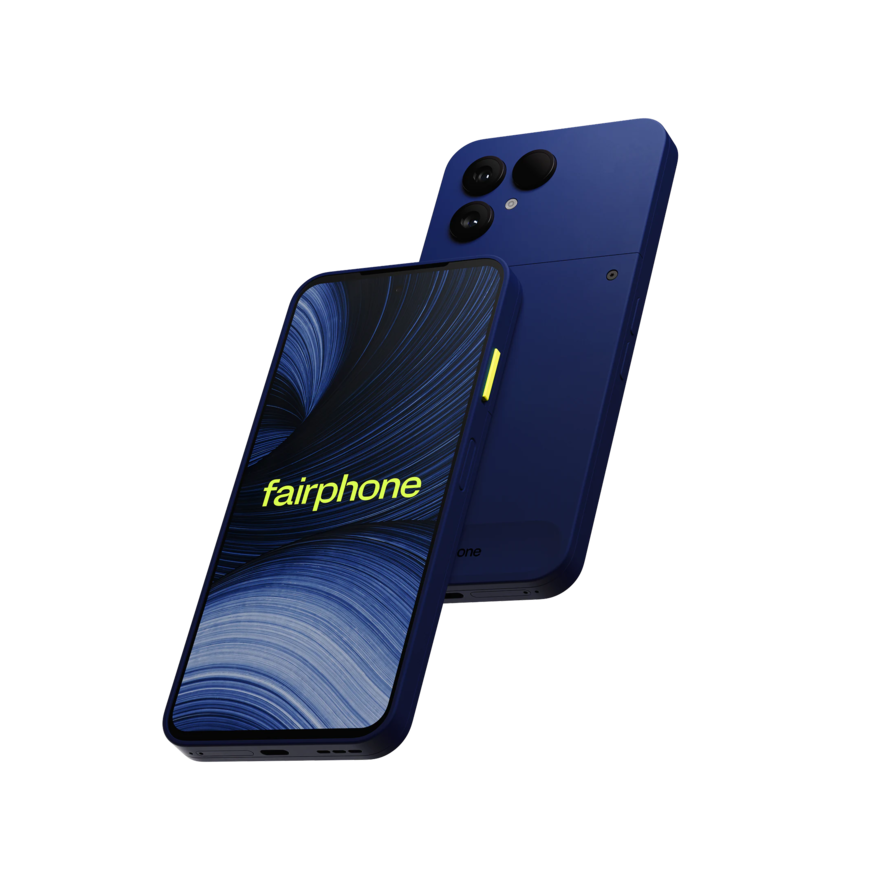
As the Gen. 6+ hits the shelves in the U.S., it brings with it a promise of independence. For the first time, Americans will have a viable alternative to the closed-ecosystem status quo—a phone that asks you not to replace it, but to keep it, maintain it, and grow with it. Whether this triggers a massive industry shift or remains a boutique movement, one thing is certain: the conversation surrounding smartphone ownership in America has changed forever.
About the Author