By Rain Noe | August 25
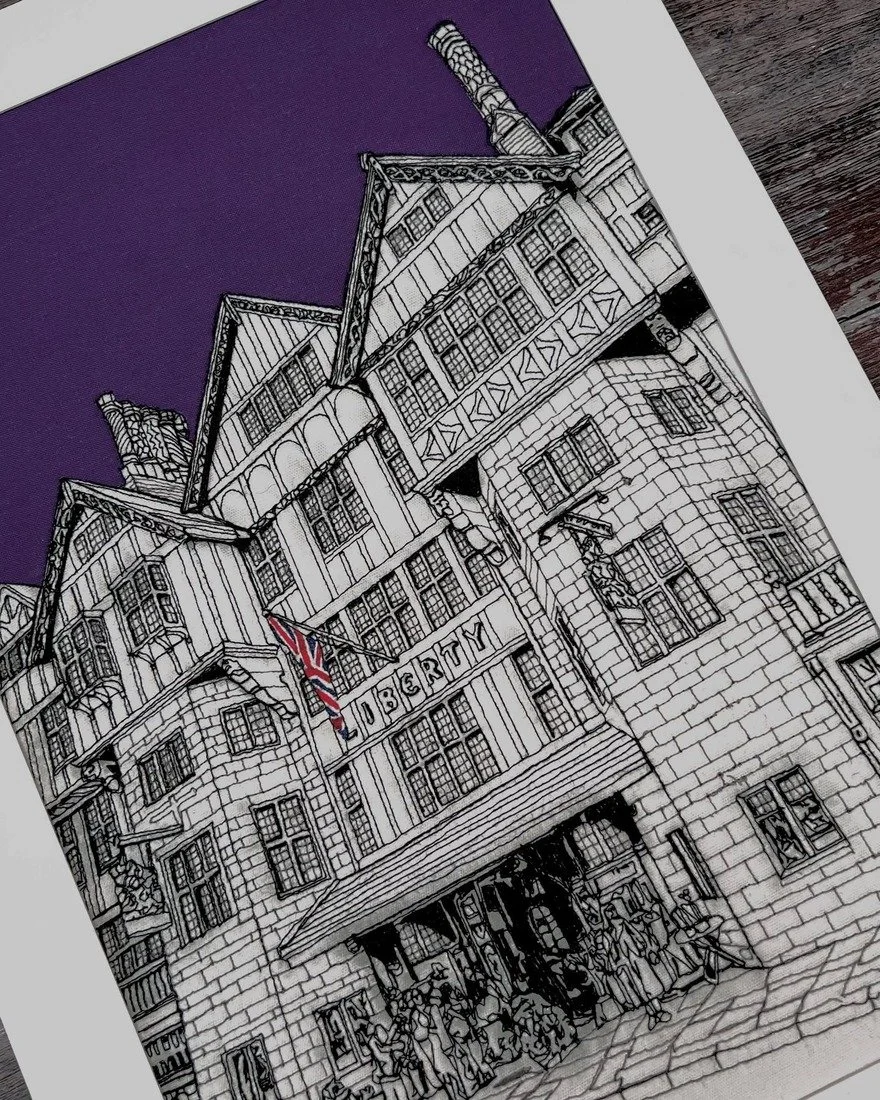
In the traditional discipline of architecture, precision is the bedrock of practice. Whether utilizing CAD software or the classic drafting table, the architect’s goal is to translate three-dimensional space into a legible, two-dimensional format. However, UK-based textile artist Ali Hill is challenging the boundaries of this medium by replacing the digital cursor and the graphite pencil with a sewing machine. Through a technique often described as "thread sketching," Hill creates intricate, hyper-realistic architectural renderings that breathe life into cold stone and brick through the tactile warmth of fiber.

The Intersection of Craft and Construction
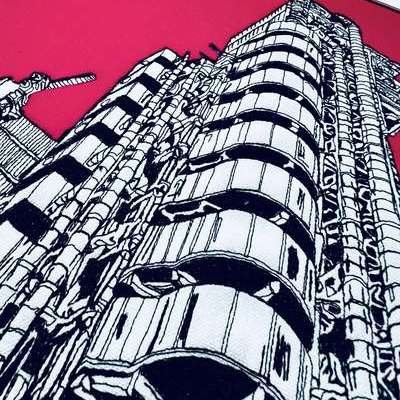
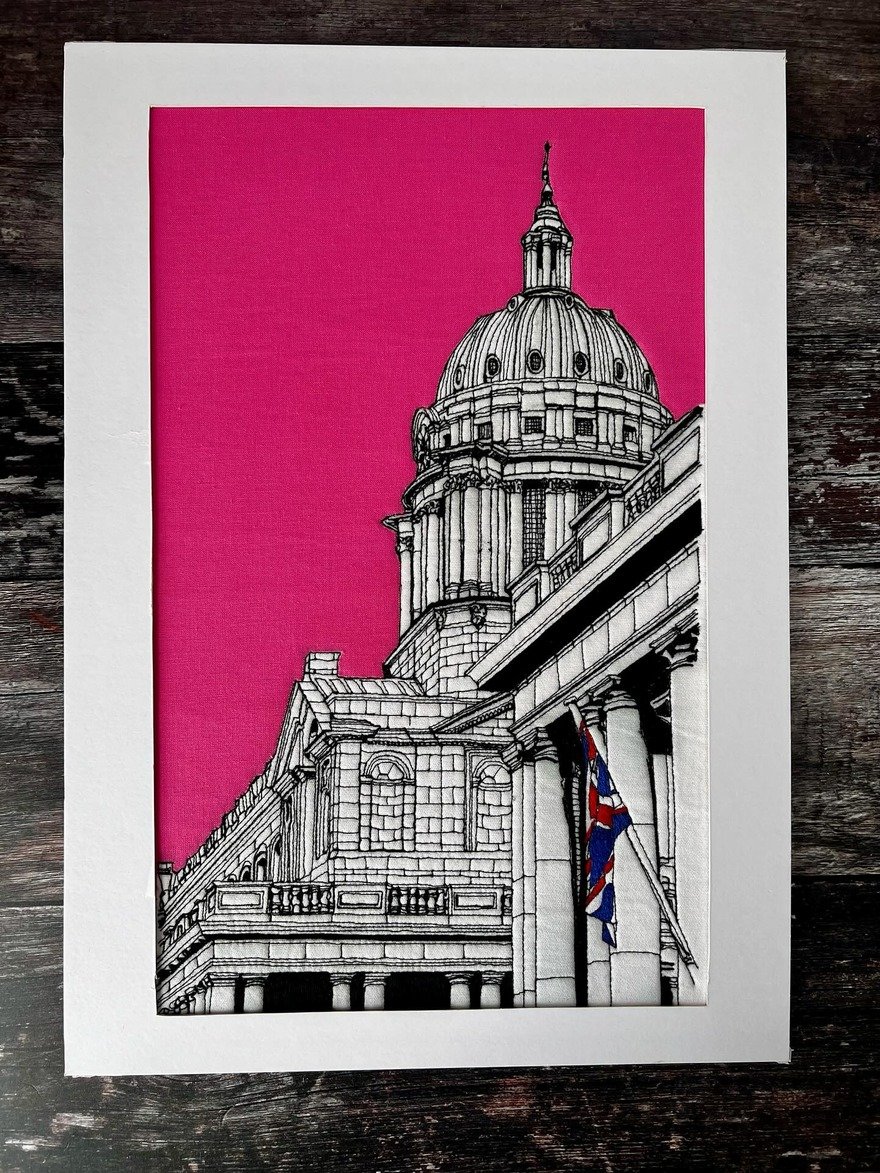
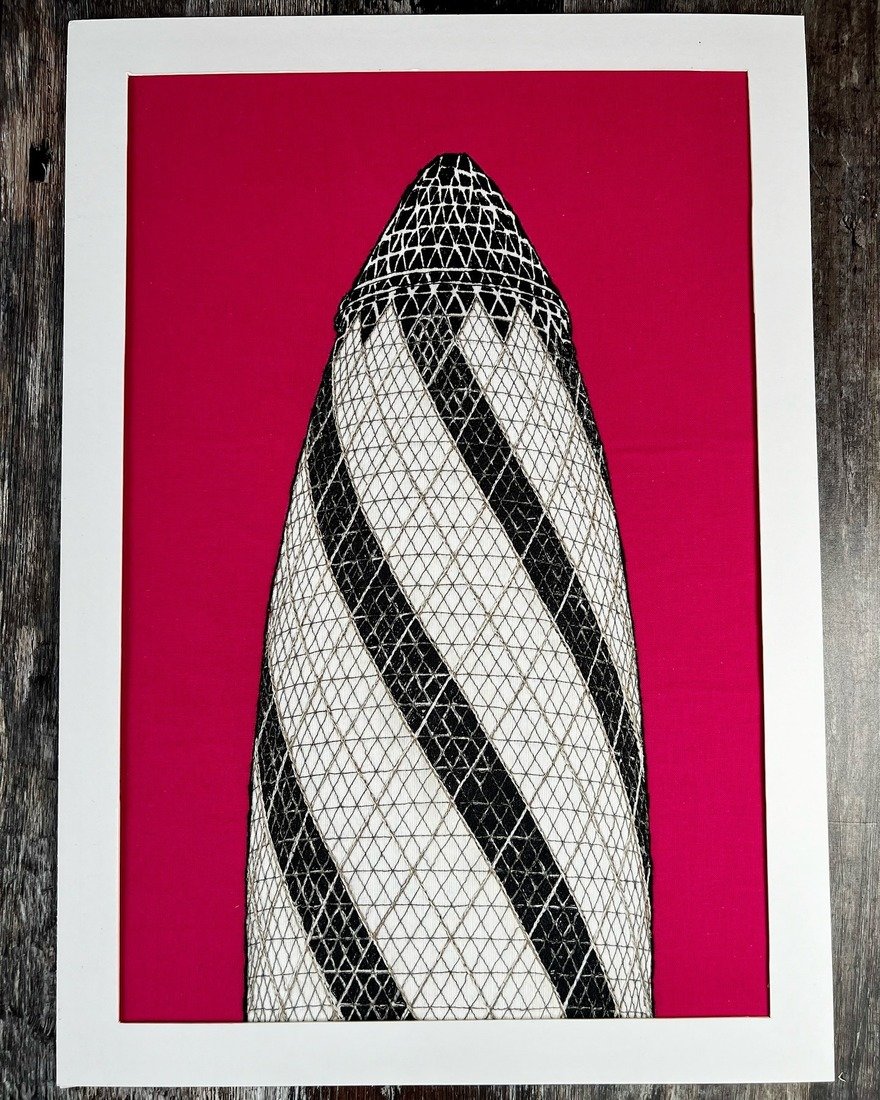
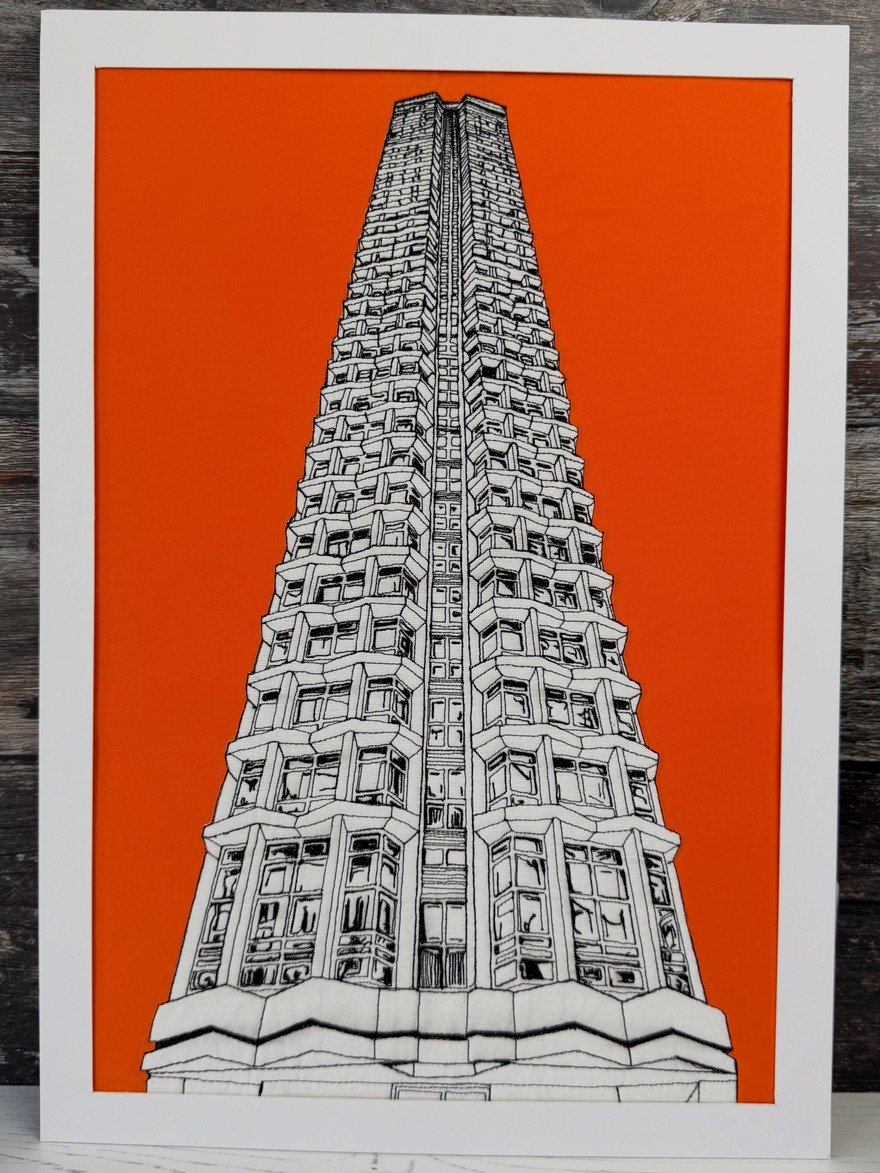
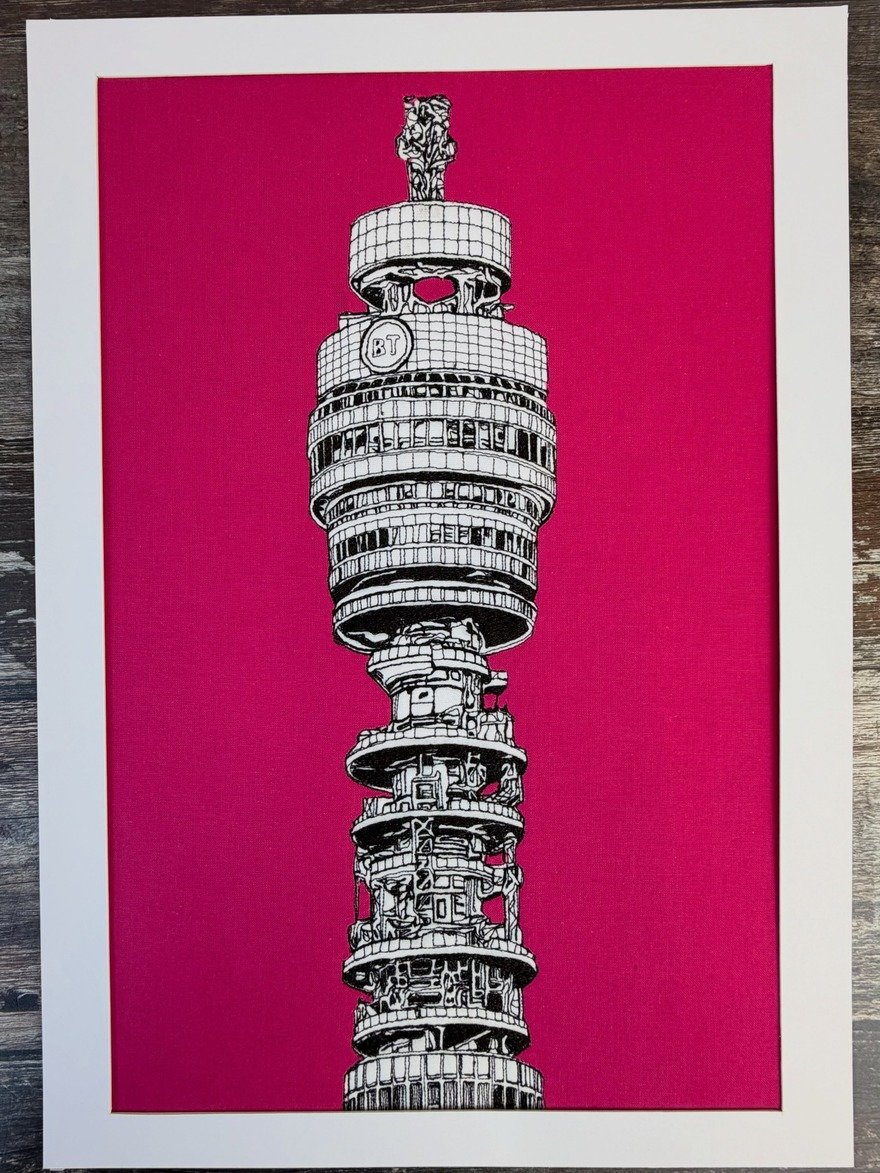
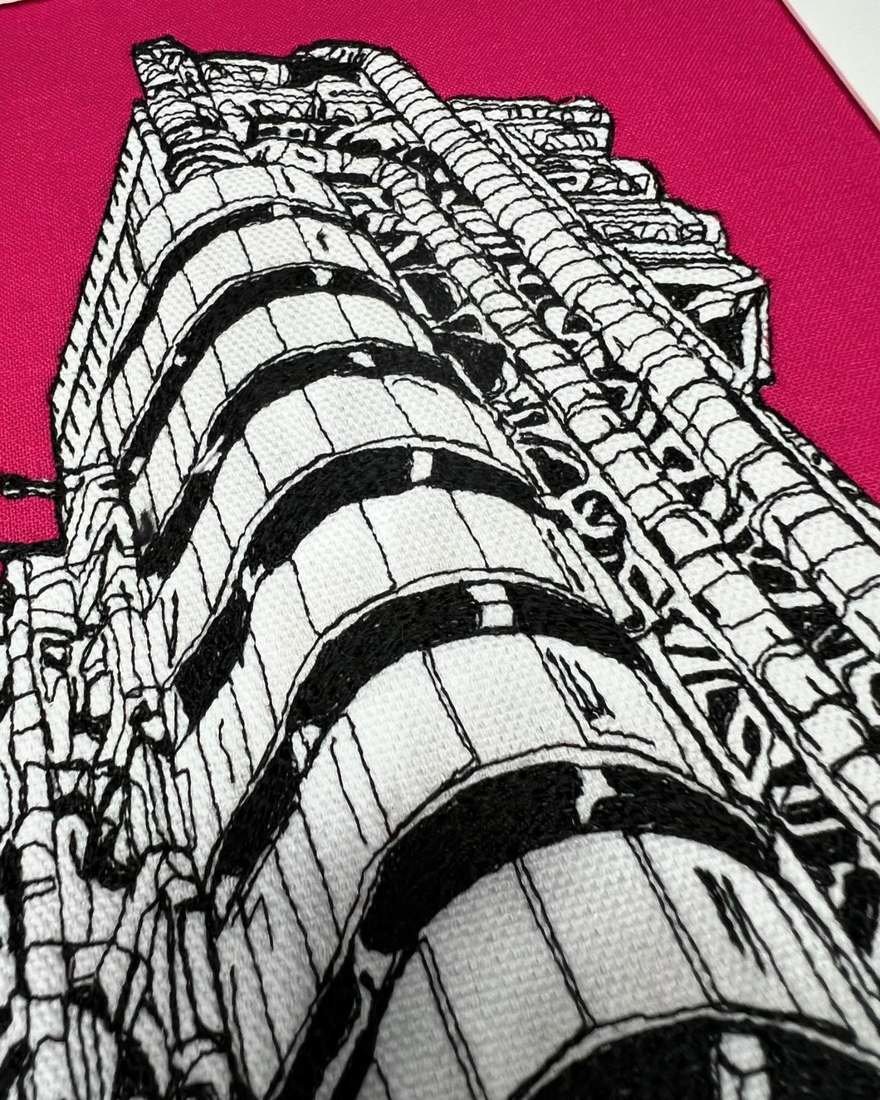
At first glance, one might mistake Hill’s portfolios for high-contrast ink illustrations or charcoal drawings. The depth, the play of light and shadow, and the structural integrity of the buildings she depicts—ranging from historic British facades to modern urban landmarks—are rendered with startling accuracy. Upon closer inspection, however, the "ink" reveals itself as thousands of tightly wound, layered threads.
Hill, who has garnered significant attention for her unique approach to Fine Art, operates at the intersection of traditional craft and architectural representation. By manipulating the tension, speed, and direction of her sewing machine, she creates a topographical surface that mimics the rugged texture of weathered masonry and the sleek geometry of glass and steel.
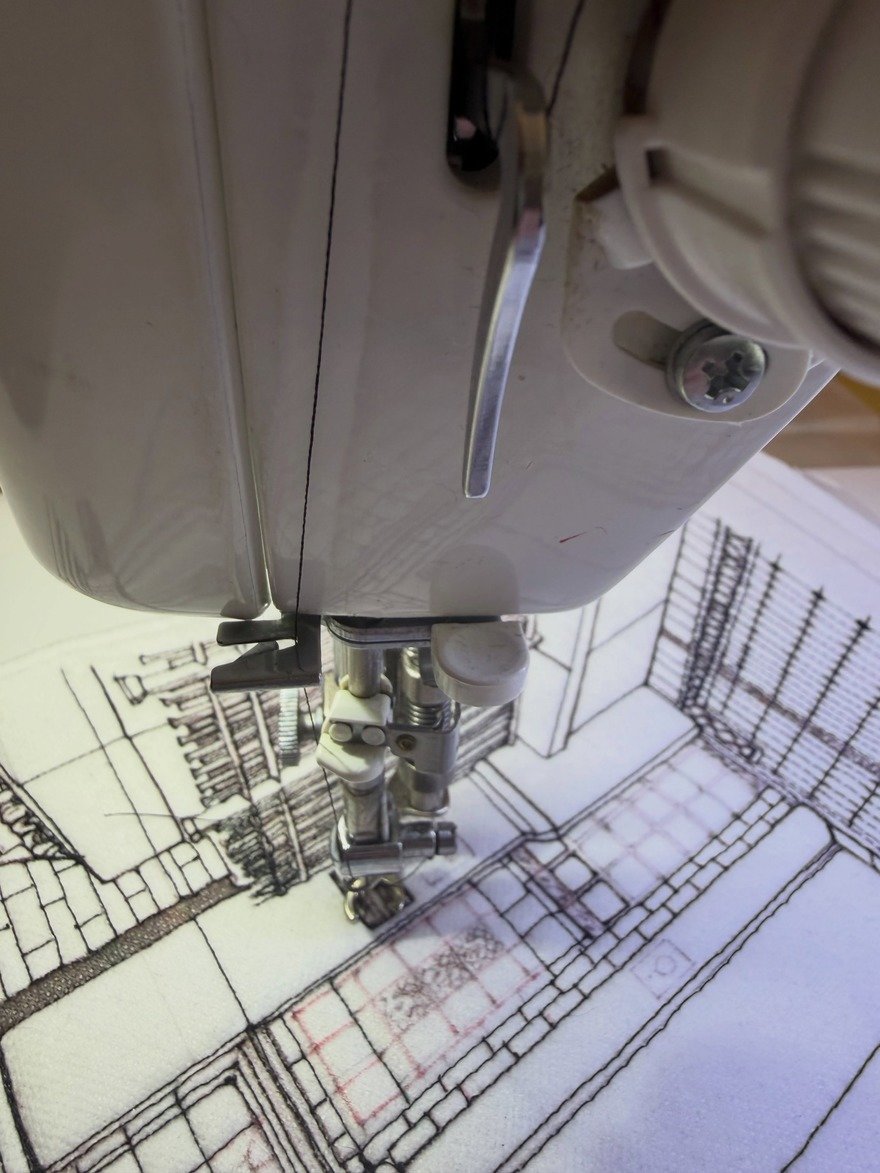
Chronology of a Craft: From Sketch to Stitch
The evolution of Hill’s work is a testament to the marriage of meticulous preparation and intuitive improvisation. Her process, which has become a subject of fascination for both textile enthusiasts and design professionals, generally follows a rigorous, if occasionally spontaneous, trajectory.
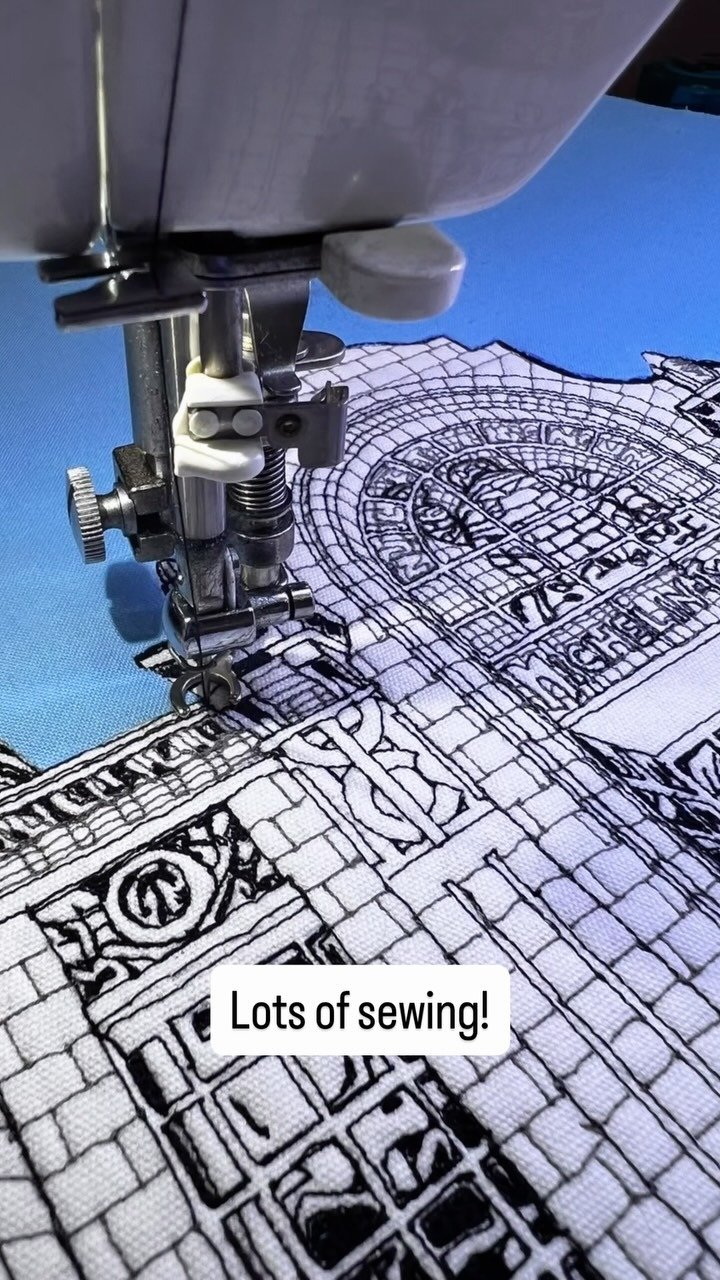
The Preparatory Phase
For many of her most complex pieces, the journey begins with an initial sketch. Hill often maps out the fundamental proportions of a building before the fabric ever touches the needle. This preparatory stage ensures that the structural "truth" of the building—its vanishing points, its eaves, and its load-bearing features—remains intact despite the fluid nature of thread.
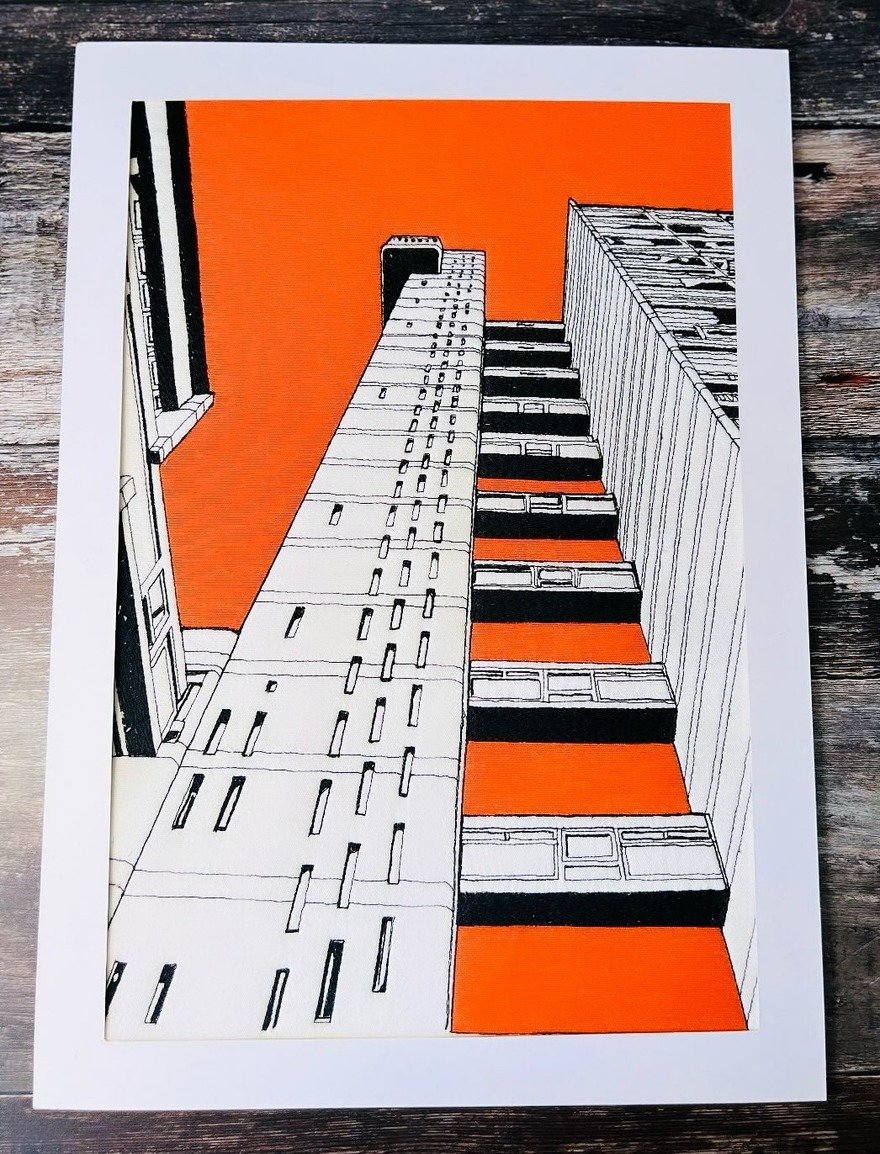
The "Freestyle" Evolution
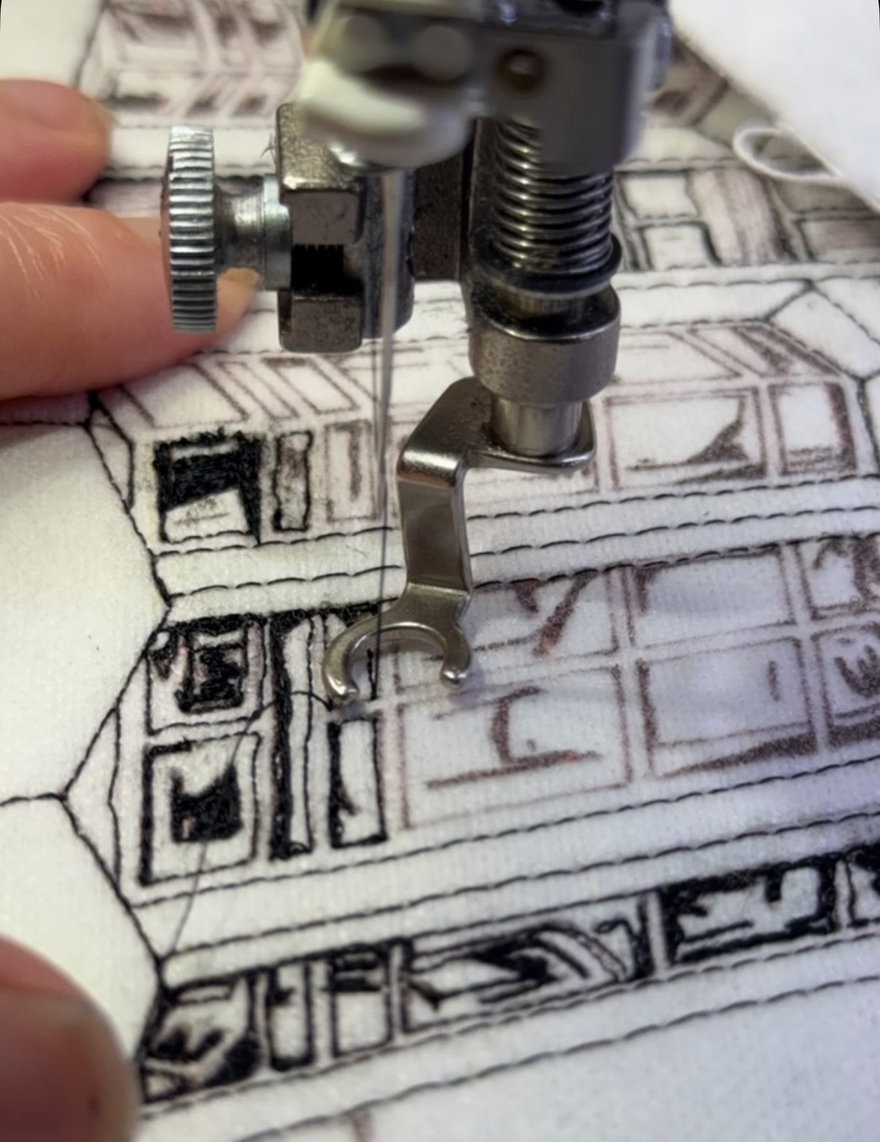
The most astonishing facet of Hill’s work occurs when she abandons the crutch of a pre-drawn guide. In these instances, she engages in "free-motion" embroidery. By disengaging the feed dogs of the sewing machine—the mechanism that moves fabric forward—she gains total control over the needle’s path, allowing her to "draw" in any direction. This phase of her work is akin to a high-wire act; there is no undo button, and every stitch is a permanent commitment to the composition.
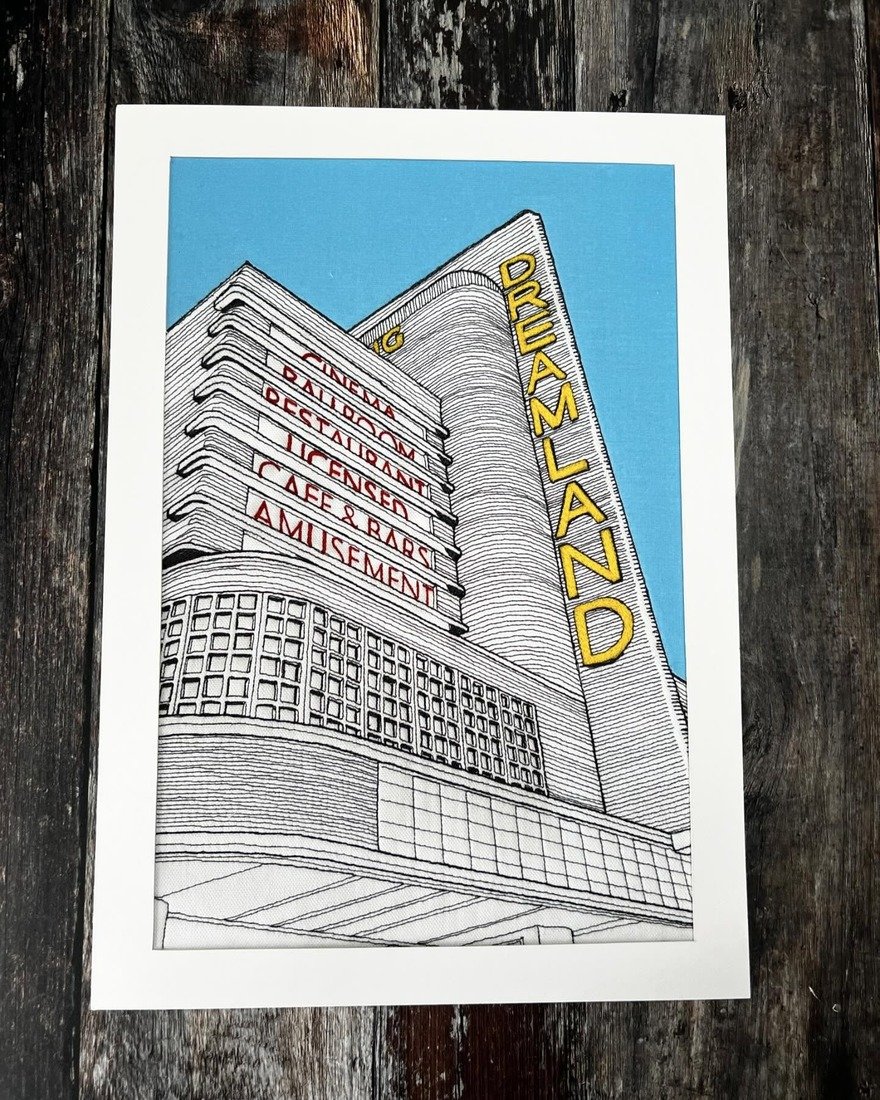
The Layering Process
Building the image is a subtractive and additive process. Hill uses varying densities of thread to simulate value. Where she requires depth, she clusters stitches to create near-black shadows; where she seeks to emulate the glare of the sun on a windowpane, she employs sparse, clean lines. The result is a piece of art that possesses a tangible, relief-like quality that ink on paper could never achieve.
Supporting Data: The Technicality of Textile Rendering
To understand the magnitude of Hill’s work, one must look at the technical requirements of her medium. Unlike a drawing, which relies on the absorbency of paper, textile art relies on the structural tension of the fabric base and the durability of the thread.
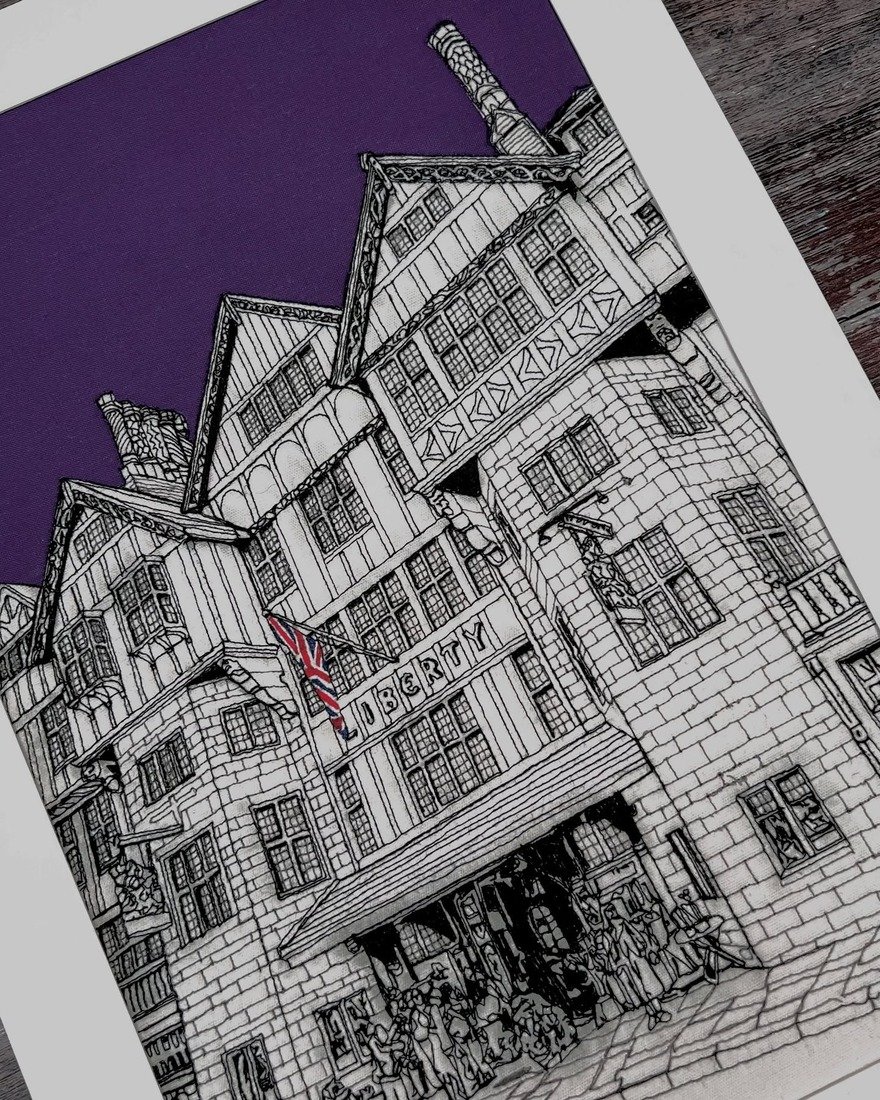
- Thread Density: In a single piece, Hill may utilize tens of thousands of individual stitches. This creates a weight to the artwork, both literally and figuratively.
- Dimensional Accuracy: Architectural renderings require a tolerance for error that is near zero. For a sewing machine to replicate the straight lines of a roofline or the rhythm of a row of windows requires extreme motor coordination.
- Media Versatility: Hill has demonstrated that this technique is not limited to simple silhouettes. She captures the patina of aged brickwork and the intricate ironmongery of Victorian gates, proving that the sewing machine is a versatile, albeit underutilized, tool for fine artists.
Official Perspectives and Artistic Implications
While the art world often segregates "craft" from "fine art," practitioners like Ali Hill are actively dismantling these silos. Her work has sparked conversations among architectural critics about the role of human touch in a digital-first design world.
In an era where AI-generated imagery and parametric design dominate the architectural landscape, Hill’s work offers a nostalgic yet revolutionary counterpoint. By bringing the "maker’s hand" back into the representation of the built environment, she highlights a fundamental truth: architecture is not just about engineering; it is about the human experience of space.
When asked about the patience required for her craft, Hill notes that the process is as much meditative as it is technical. The slow, rhythmic nature of the sewing machine forces a pace that is diametrically opposed to the rapid-fire speed of modern architectural rendering software. This "slow art" movement within the textile community emphasizes the value of the process over the convenience of the result.
The Implications for Modern Design
What does it mean for the future of artistic representation? Hill’s success suggests a growing appetite for art that is both technically impressive and deeply textured. Her work bridges the gap for audiences who appreciate the rigor of architecture but desire the warmth of handmade textiles.
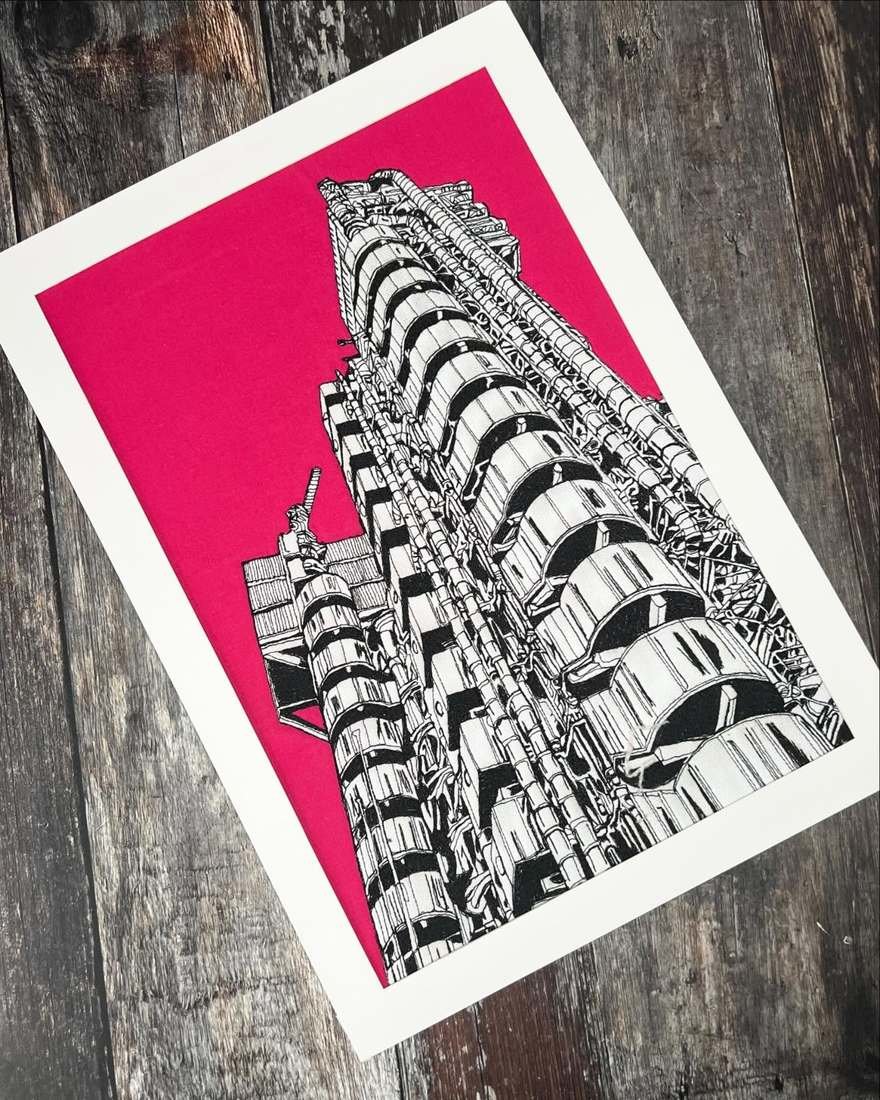
Moreover, her work on platforms like Etsy has democratized access to fine art, allowing collectors to purchase high-quality prints of her original textile pieces. This accessibility ensures that her exploration of urban landscapes—often documenting buildings that are slated for renovation or demolition—serves as a historical record, albeit one captured in thread rather than digital code.
Conclusion: A New Fabric of History
Ali Hill’s work is more than just a novelty; it is a sophisticated marriage of two worlds. By utilizing the sewing machine as a drafting tool, she has carved out a unique niche that honors the structural history of architecture while celebrating the infinite possibilities of fiber art.
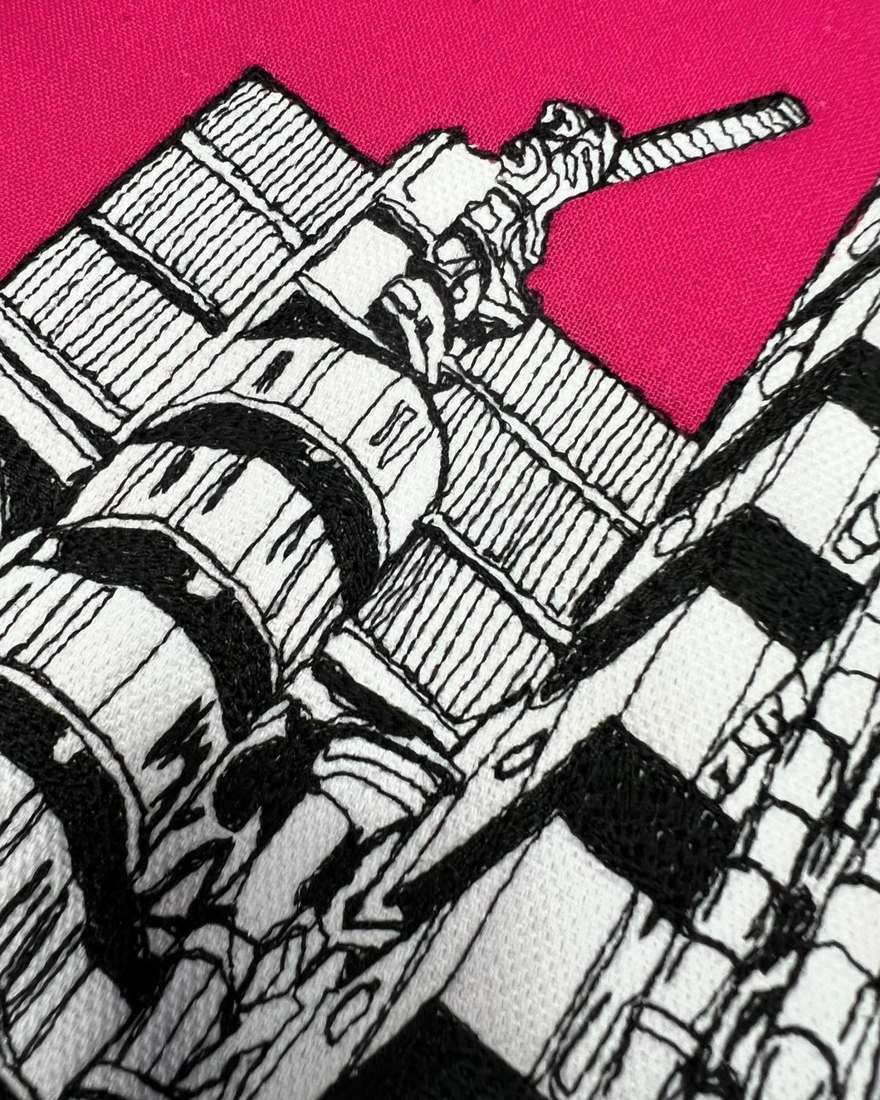
As we look at her gallery of stitched cityscapes, we are reminded that art is not defined by the medium, but by the intent. Whether it is a blueprint on vellum or a thread-sketch on canvas, the goal remains the same: to capture the essence of our built environment. Ali Hill has proven that even the hardest stone can be rendered with the softest thread, provided there is enough skill and patience to bridge the gap.
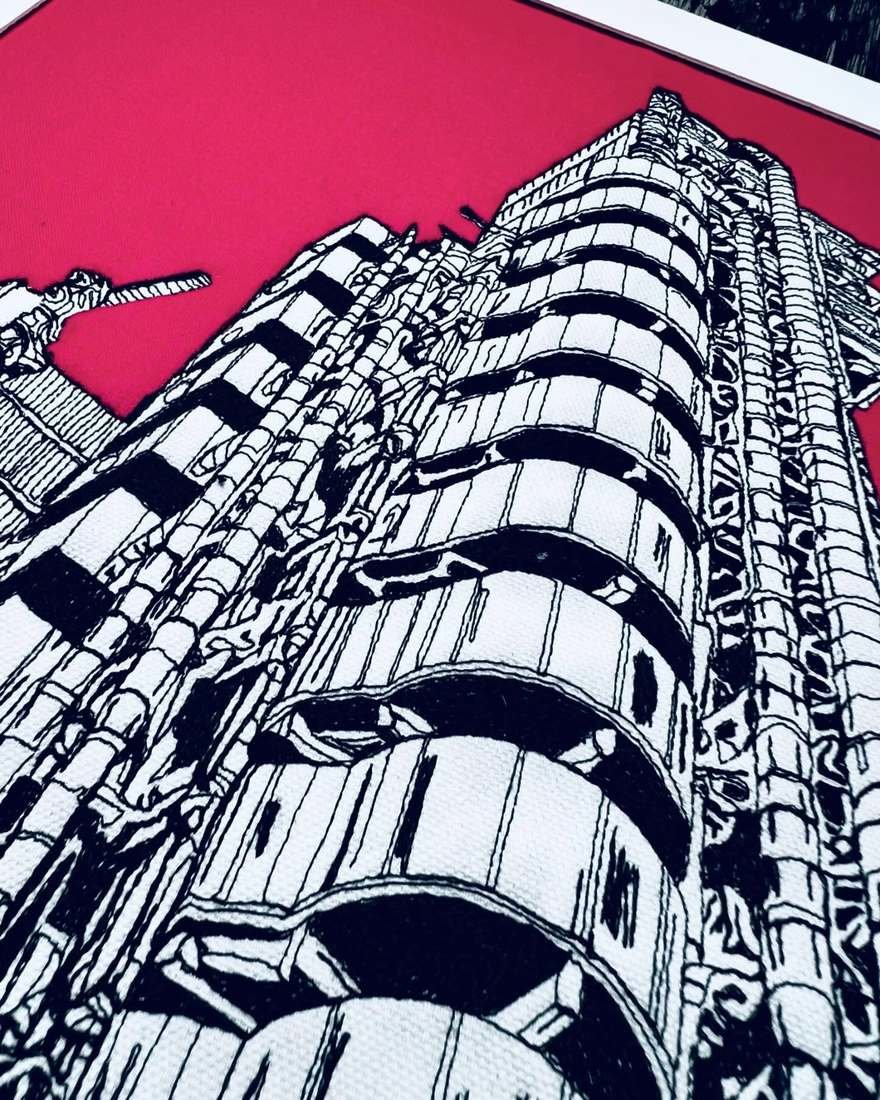
For those interested in exploring her collection or supporting her ongoing projects, her work is currently available via her official Etsy shop. As she continues to evolve her practice, one thing remains certain: the architectural world has found a new, compelling voice in the quiet hum of her sewing machine.
About the Author