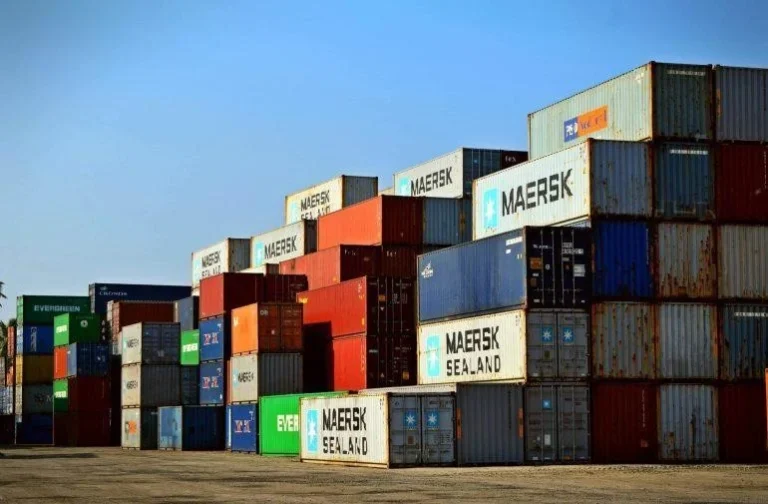
The road freight industry, the lifeblood of modern supply chains, has hit a significant speed bump at the start of 2026. According to the latest data released by the Central Statistics Office (CSO), the sector experienced a notable contraction during the first quarter of the year, with key performance indicators—ranging from total tonnage to overall vehicle distance—showing marked declines compared to the same period in 2025.
As global trade faces ongoing inflationary pressures and shifting economic policies, these figures provide a sobering snapshot of a vital industry grappling with reduced demand and operational volatility.
Main Facts: A Quarter of Contraction
The data released by the CSO for Q1 2026 paints a picture of a sector under pressure. In the first three months of the year, the volume of goods transported by road fell to 40.8 million tonnes, representing a 9% decrease from the 44.7 million tonnes recorded during the corresponding period in 2025.
Beyond the raw weight of goods transported, the physical activity of the fleet also saw a downward trend. The total distance covered by road freight vehicles reached 491 million kilometres, a contraction of 10% compared to Q1 2025. While tonne-kilometres—a measure that combines weight and distance to provide a more nuanced view of operational output—showed more resilience, they still recorded a 1% decline, dropping from 3,866 million to 3,811 million.
This divergence between the 9% drop in total tonnes and the marginal 1% drop in tonne-kilometres suggests that while the industry is moving fewer goods overall, the average length of haul per shipment may have shifted, or the composition of goods being transported has moved toward heavier, long-distance freight.
Chronology: The Road to the 2026 Slowdown
To understand the current state of the industry, one must look at the trajectory leading into 2026.
2025: A Year of Resilience
Throughout 2025, the freight sector was already navigating the choppy waters of global economic instability. Early 2025 saw a period of relative stabilization following the post-pandemic supply chain shocks. Logistics firms were focused on digitalization and route optimization, hoping that efficiency gains would offset rising operational costs.
Late 2025: The Mounting Pressure
As the calendar turned toward the end of 2025, industry analysts began flagging concerns regarding fuel volatility and labor shortages. The cost of diesel, which remains the single largest variable expense for hauliers, began a sharp upward trajectory. By the time the fourth quarter of 2025 closed, many operators were reporting thinner margins, leading to a conservative outlook for the early months of 2026.
Q1 2026: The Statistical Reality
The first quarter of 2026 has confirmed these fears. The CSO survey results demonstrate that the cumulative impact of reduced construction activity, fluctuating consumer demand, and the rising cost of energy has translated into a quantifiable dip in market participation.
Supporting Data: Dissecting the Freight Mix
To gain a granular understanding of the decline, it is essential to look at the specific commodity groups and the nature of the work performed.
Commodity Breakdown
The CSO report highlights that "Quarry Products, Metal Ores & Peat" remained the dominant category, accounting for 22% of all tonnes carried in Q1 2026. This dominance underscores the sector’s heavy reliance on the construction and primary extraction industries. When these sectors slow down—often due to high interest rates or reduced public infrastructure spending—the freight sector feels the impact almost immediately.
Other significant contributors included "Foodstuffs" and "Other goods." These categories were the primary drivers of vehicle kilometres, suggesting that while the bulk of raw material transport (like quarry products) may be localized, the distribution of consumer goods continues to cover the vast majority of the nation’s road network.
The Role of Construction and Building Sites
A major focal point of the Q1 data is the role of the construction sector. Vehicles involved in delivering goods to road works or building sites moved 14.5 million tonnes. This represents 36% of the total freight volume, confirming that the health of the building industry is inextricably linked to the prosperity of the freight sector. A 9% decline in total volume is largely mirrored by the fluctuations in these construction-related deliveries, indicating that the building sector’s cooling-off period has had a ripple effect across the entire supply chain.
Official Responses: Insights from the CSO
Damien Lenihan, a statistician within the CSO’s Transport Division, provided clarity on the findings, emphasizing the importance of distinguishing between weight and distance.
"The figures for the first quarter of 2026 clearly indicate a trend of contraction," Lenihan noted. "We are seeing a consistent decline in both the total tonnage carried and the aggregate vehicle kilometres performed. While the tonne-kilometre metric remains somewhat more stable, the broad downward movement across all key indicators reflects a tightening in the logistics landscape."
Lenihan’s analysis highlights a key takeaway for policymakers and industry leaders: the decline is not isolated to one specific region or type of vehicle. It is a systemic reduction in activity that reflects broader economic shifts. The CSO’s role in providing this granular data remains critical, as it allows stakeholders to distinguish between seasonal fluctuations and long-term structural changes in the economy.
Implications: The Road Ahead
The Q1 2026 data serves as a barometer for the wider economy, and the implications for the future of the freight industry are multifaceted.
1. The Diesel Cost Conundrum
The most pressing concern for the industry remains the cost of energy. Previous reports have highlighted a 32.5% surge in diesel costs, placing immense pressure on operators. When costs rise at this velocity, smaller, independent hauliers often struggle to pass those costs on to clients, leading to reduced activity levels as they park vehicles rather than operate at a loss. The decline in vehicle kilometres is likely a direct response to this economic reality.
2. Supply Chain Consolidation
The current environment is accelerating consolidation. Larger firms with the capital to invest in fuel-efficient fleets or alternative energy vehicles are better positioned to weather the 10% drop in vehicle kilometres. Conversely, smaller players, who are more sensitive to fuel price fluctuations, may find the market increasingly difficult to navigate. We may see a rise in mergers and acquisitions as companies look to achieve economies of scale.
3. Economic Sensitivity
The high reliance on "Quarry Products" and "Building Site" deliveries highlights the freight sector’s vulnerability to the construction cycle. If interest rates remain elevated and new housing starts remain sluggish, the freight industry should prepare for a potentially stagnant rest of 2026. The government’s approach to infrastructure investment will be a key variable in determining whether this trend continues or reverses.
4. Sustainability and Efficiency
While the decline in kilometres is a negative economic signal, it may inadvertently lead to a temporary reduction in the carbon footprint of the transport sector. However, this is not a sustainable path to "green" logistics. The industry needs to transition to low-emission vehicles while maintaining volume. The current economic pressure might force a faster adoption of logistics software and AI-driven route planning, as companies look to squeeze every bit of efficiency out of their operations to remain profitable.
5. Policy and Advocacy
The industry, through its trade associations, is expected to intensify its lobbying efforts. With the sector clearly under pressure, there will likely be calls for fuel subsidies, tax relief, or grants for the transition to greener fleets. The CSO data provides the empirical backbone for these arguments, proving that the sector is not merely complaining about costs but is experiencing a legitimate contraction in activity that could have wider, negative repercussions for national GDP.
Conclusion
The first quarter of 2026 has been a challenging period for the road freight sector. A 9% drop in tonnage and a 10% decrease in vehicle kilometres are figures that cannot be ignored. They suggest an industry that is currently in a defensive posture, reacting to the combined weight of high energy costs, cooling construction activity, and broader economic uncertainty.
As the year progresses, the industry will need to find ways to adapt to this "new normal." Whether through technological innovation, greater consolidation, or government intervention, the path forward will require a delicate balance between maintaining essential supply chain connectivity and managing the harsh financial realities of modern logistics. For now, the CSO data stands as a reminder of the fragility of our transport networks and the vital importance of monitoring these trends to ensure the resilience of the economy at large.
About the Author