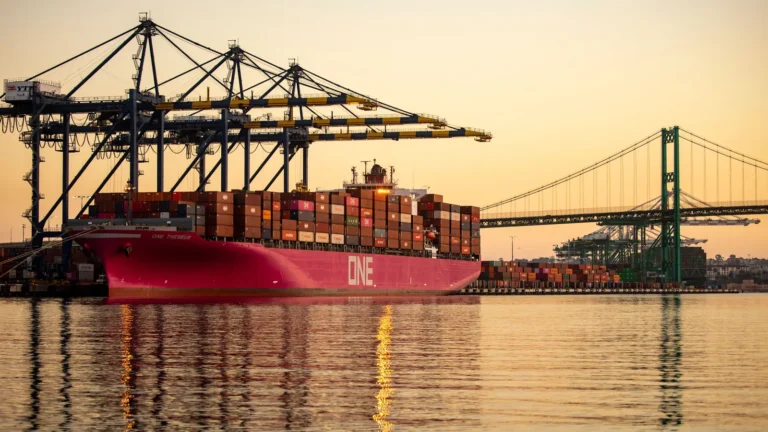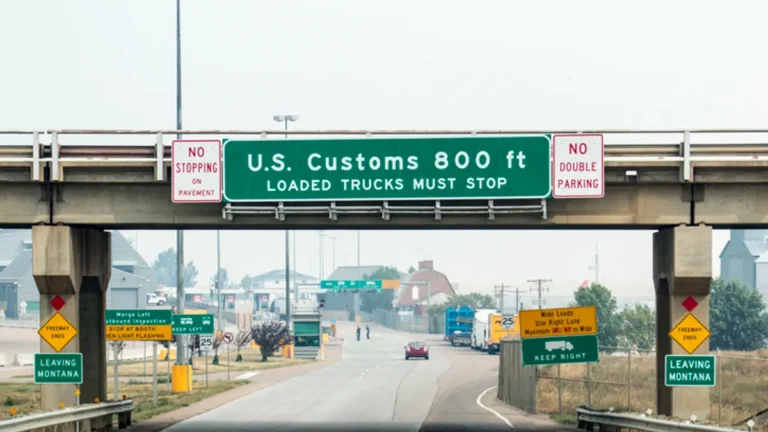
Washington D.C. & Ottawa – A rapidly escalating trade dispute between the United States and Canada is sending ripples of concern through boardrooms on both sides of the border and reverberating across global markets. As threatened tariffs begin to solidify, the packaging industry, a linchpin of modern commerce, finds itself particularly exposed, facing a rigorous test of its resilience amid existing geopolitical and economic pressures. The conflict underscores the delicate balance of an intricately linked North American economy, where disruptions in one sector inevitably cascade through countless others.
The tit-for-tat tariff exchange, ignited by the collapse of recent trade negotiations, has seen both nations levy significant duties on a broad spectrum of imported goods and materials. This aggressive posture from two of the world’s closest trading partners highlights a challenging period for manufacturers, supply chain managers, and consumers alike. The stakes are particularly high for the packaging sector, which underpins nearly every product moving across borders, from consumer goods to industrial components.
A Chronology of Retaliation: From Impasse to Tariffs
The latest chapter in this bilateral trade friction began to unfold dramatically over a recent weekend, following the breakdown of critical trade talks.
Initial U.S. Action: Trump Imposes Tariffs
On the heels of stalled negotiations, U.S. President Donald Trump moved to impose fresh tariffs, setting a precedent for the subsequent escalation. The White House announced duties of up to 50% on a range of Canadian imports. While the full list of targeted goods was extensive, initial reports and analysis pointed to significant impacts on Canada’s wood products and paper industries. Analysts quickly surmised that these "paper" tariffs would likely encompass crucial packaging materials such as containerboard and boxboard, essential for everything from shipping boxes to consumer product packaging. These measures were separate from pre-existing U.S. sectoral tariffs on metals, which had already been a point of contention. The President’s actions signaled a firm stance, prioritizing domestic manufacturing and asserting leverage in the ongoing trade dialogue.
Canada’s Swift Countermeasures: Carney’s Retaliatory Strike
Canada’s response was swift and resolute. On Tuesday, Prime Minister Mark Carney unveiled a comprehensive package of retaliatory tariffs, mirroring the U.S. move with duties reaching up to 50% on a substantial list of American-made materials and goods. The Canadian Department of Finance stated that these countermeasures would apply to products covering an estimated $27.6 billion in imports from the U.S.
The targeted sectors were strategically chosen to apply pressure where it would be keenly felt. Canada’s list notably included key industrial inputs such as steel and aluminum products, which had previously faced a 25% counter-tariff but now saw that rate doubled. Beyond metals, the tariffs also hit dairy products, appliances, agricultural equipment, pulp and paper, electronics, furniture, clothing, and apparel. This broad scope indicated a clear intent to demonstrate the reciprocal economic pain that such trade barriers inflict. The imposition of these tariffs by Canada, the U.S.’s second-largest trading partner after Mexico, underscores the significant volume of cross-border trade now under threat.
The September 8 Deadline: Businesses Under Pressure
With the tariffs set to take effect on September 8, businesses across both nations are scrambling to assess the immediate and long-term implications. The looming deadline has created a palpable sense of urgency, forcing companies to re-evaluate supply chains, pricing strategies, and even production locations. The speed with which these measures have been enacted has left little time for comprehensive adjustments, pushing many companies into reactive mode. The sudden imposition of these duties, rather than a phased approach, has amplified the challenge for an industry already navigating complex global dynamics.
Deepening Impact on the Packaging Industry: A Test of Resilience
The packaging industry, by its very nature, is deeply intertwined with virtually every manufacturing and retail sector. Consequently, it stands to experience widespread effects from this escalating trade squabble. The added costs from tariffs, whether on raw materials, intermediate goods, or finished packaging products, will inevitably ripple through entire supply chains, ultimately impacting end-user prices and consumer demand. This situation comes at a particularly challenging time, as the industry is already contending with other significant geopolitical instabilities, inflationary pressures, and evolving consumer preferences.
Proactive Corporate Responses: Assessing the Damage
Even before the latest rounds of tariffs were formally announced, forward-thinking packaging company executives were discussing tariff mitigation strategies during their earnings calls. This proactive stance highlights the industry’s awareness of its vulnerability to trade disputes.
On August 6, executives from Cascades, a leading producer of packaging and tissue products, publicly stated they were "assessing potential impacts" from the U.S.’s 50% tariffs on Canadian imports. They indicated that a comprehensive impact mitigation plan was already in development, signaling an acknowledgment of the severity of potential disruptions.
Similarly, on August 4, Ball Corporation executives, a major player in metal packaging, "expressed concern" about the broader implications of tariffs, particularly noting their close watch on aluminum prices. Given aluminum’s critical role in beverage and food packaging, any significant price fluctuation due to tariffs directly impacts their operational costs and competitive positioning. These statements underscore a shared sentiment within the industry: tariffs are not just a governmental issue but a tangible threat to corporate profitability and market stability.
The Rush to Frontload: A Fleeting Strategy
In anticipation of the September 8 tariff implementation, industry sources have indicated that certain companies within the packaging supply chain are actively evaluating whether to "pull forward" purchases and shipments. This strategy of "frontloading" aims to bring goods across the border before the new duties take effect, thereby avoiding the immediate cost increases. However, in this rapidly evolving and uncertain environment, there is currently little firm evidence of widespread frontloading activities. The practical challenges of accelerating complex supply chains, securing additional logistics capacity, and managing increased inventory costs may be deterring many from fully committing to this short-term solution. Moreover, the very act of frontloading could temporarily inflate demand, only to be followed by a sharp downturn once tariffs are in place, creating further market volatility.
Sector-Specific Vulnerabilities and Industry Advocacy
The tariff orders from both countries have specifically named materials and products that are foundational to distinct segments of the packaging industry, intensifying the focus on these areas.
Fiber and Paper Products: An Integrated Ecosystem Under Threat
The North American supply chain for pulp, paper, packaging, and tissue is exceptionally integrated, with materials and finished goods flowing seamlessly across the U.S.-Canada border. This integration, built over decades, is now directly threatened by the new tariffs.
Heidi Brock, President and CEO of the American Forest & Paper Association (AF&PA), articulated these concerns in a statement on Tuesday. She warned that "New counter-tariffs on U.S. goods, including pulp and paper products, risk adding uncertainty and cost for manufacturers, workers, customers and communities on both sides of the border." While acknowledging the importance of trade policies that address unfair practices and strengthen U.S. manufacturing, Brock emphasized that "escalating tariff disputes between the U.S. and Canada will disrupt the cross-border supply chains that help mills and manufacturers." Her statement highlights the paradox of using tariffs to support domestic industry when those tariffs simultaneously harm highly integrated, mutually beneficial supply chains.
Across the border, the Canadian Corrugated and Containerboard Association (CCCA) expressed similar disappointment. In a LinkedIn post over the weekend, the CCCA lamented that "a stable, fair trade agreement has not been reached." Serge Desgagnés, the CCCA Executive Director, reiterated this sentiment in a letter, stating, "Canada should make clear that the corrugated and containerboard industry is deeply integrated across the border, and that tariffs would harm manufacturers, workers and customers on both sides." He underscored the far-reaching impact of potential disruptions, noting, "Since virtually every product relies on corrugated packaging, disrupting this supply chain would disrupt many others."
Beyond direct manufacturing costs, the CCCA also warned that disruptions to corrugated trade could adversely affect recovered fiber markets, which are crucial for sustaining the country’s recycling infrastructure. A reduction in the free flow of corrugated materials could lead to imbalances in the availability and processing of recycled content, undermining environmental sustainability efforts. Both organizations have urgently called on leaders in both countries to resume negotiations and, critically, to remove corrugated products from the proposed tariff lists, recognizing their essential role in the broader economy.
Metals: Aluminum and Steel – Critical Inputs for Packaging
Metals, particularly aluminum and steel, are foundational to significant segments of the packaging industry, from beverage cans to industrial containers. Canada’s announcement to double its levies on metal imports from the U.S., increasing them from 25% to a punitive 50% beginning September 8, directly mirrors the Trump administration’s earlier Section 232 tariffs of 50% on aluminum, steel, and copper, along with derivative products. This symmetrical escalation creates a challenging environment for metal packaging producers.
The Can Manufacturers Institute (CMI), while refraining from direct comment on the current U.S.-Canada situation, has consistently highlighted the broader implications of steel and aluminum tariffs. In the past, the CMI has noted that such tariffs inevitably "filter through supply chains to raise the price of canned goods at grocery stores." The organization has also repeatedly pointed out the U.S.’s heavy reliance on imported metals, particularly tin mill steel (nearly 80% imported for food cans) and primary aluminum, two-thirds of which historically comes from Canada.
This supply disparity was notably referenced by President Trump on Monday, who, as reported by Bloomberg, lamented that the U.S. "desperately needs aluminum." He added, "We get it all from Canada for the most part, and we need it badly." This statement inadvertently underscored Canada’s critical role in the U.S. aluminum supply chain.
Charles Johnson, President and CEO of The Aluminum Association (AA), responded to President Trump’s remarks in a LinkedIn post, affirming, "He’s right. That’s why America must grow both primary and recycled aluminum production as part of an ‘all-of-the-above’ approach to metal supply." Johnson explained that while aluminum demand remains robust in the U.S., increasing domestic primary production capacity is a multi-year endeavor. Consequently, "we have no alternative than to import primary metal," making reliable trade relationships crucial. The AA also champions growing recycled aluminum production, noting that approximately 85% of U.S. aluminum production is currently secondary.
Following Canada’s announcement of counter-tariffs, the AA informed Packaging Dive via email that it was actively assessing the measures. Johnson reiterated that Canada is a significant trading partner for U.S. companies and warned, "These measures will negatively impact segments of the industry by limiting opportunities for U.S. producers to compete in Canada at a time when America should be well positioned to meet growing aluminum demand." He advocated for "smart, targeted trade enforcement" as part of the "all-of-the-above" strategy and expressed hope that "U.S. and Canadian trade officials come back to the table soon to pursue a fair and reasonable agreement."
Glass Packaging Caught in the Crossfire: A Lingering Dispute
While Canada’s latest tariff directive on Tuesday did not specifically name glass products, the glass packaging sector has been indirectly entangled in a broader, year-long Canadian boycott of U.S.-produced alcoholic beverages. This dispute escalated in July when the U.S. announced additional 50% duties on many alcoholic beverages imported from Canada, further complicating the cross-border trade of spirits and their packaging.
The Glass Packaging Institute (GPI) cited U.S. Commerce Department data revealing that the U.S. imported 348 million glass bottles and jars from Canada in 2025, valued at over $86 million. These items had historically moved freely across North America without duties under the United States-Mexico-Canada Agreement (USMCA). The trade group voiced significant concern that additional Section 338 tariffs on Canadian glass bottles, jars, and raw materials would impose "increased pressure on an already highly integrated North American supply chain that has seen sales declines during the reciprocal tariff policy debate."
The GPI is an active member of the "Toasts Not Tariffs Coalition," which advocates for "a swift resolution to the U.S.-Canada trade dispute and the return of U.S. wine and spirits to Canadian store shelves." This coalition’s efforts highlight the interconnectedness of product trade and packaging, where disputes over one item can swiftly impact related industries.
Broader Economic Repercussions and Supply Chain Restructuring
The tariffs, if they remain in place, will have far-reaching economic consequences beyond the immediate impact on specific industries.
Inflationary Pressures and Consumer Impact
Perhaps the most direct and tangible effect for the average citizen will be inflationary pressures. Increased costs for raw materials, manufacturing, and transportation, all exacerbated by tariffs on packaging components, will inevitably be passed on to consumers. This will translate into higher prices for a vast array of goods, from groceries to electronics, potentially eroding purchasing power and contributing to broader economic slowdowns. The burden of these trade disputes often falls disproportionately on the end consumer, who ultimately pays the price for geopolitical maneuvering.
Supply Chain Diversification and Resilience: A Long-Term Shift
In response to the heightened uncertainty and increased costs, businesses are likely to accelerate efforts to diversify their supply chains. This could involve seeking alternative suppliers outside the U.S. and Canada, exploring nearshoring options (relocating production closer to home markets), or investing in domestic manufacturing capabilities. While such strategies can enhance resilience against future trade shocks, they require significant capital investment, lead time, and a re-evaluation of established logistical networks. The long-term trend could see a gradual decoupling or restructuring of deeply integrated supply chains, shifting away from decades of globalization toward more localized or regionalized sourcing models.
Impact on Small and Medium Enterprises (SMEs)
Small and Medium Enterprises (SMEs) are particularly vulnerable to these tariff disruptions. Unlike larger corporations with diversified operations and greater financial leverage, SMEs often operate with tighter margins and rely on specific, often cross-border, supply chains. Increased costs for imported materials, or diminished access to export markets due to retaliatory tariffs, can disproportionately impact their profitability and even threaten their viability. Many SMEs lack the resources to quickly reconfigure their supply chains or absorb significant cost increases, making them crucial casualties in escalating trade wars.
The Geopolitical Chessboard and Future Outlook
The current trade dispute between the U.S. and Canada is not merely an economic skirmish but a complex play on the geopolitical chessboard, with implications extending beyond bilateral relations.
Political Motivations and Bargaining Chips
Trade tariffs are often employed as powerful bargaining chips in broader political and economic negotiations. In this instance, the U.S. tariffs may be motivated by a desire to gain leverage in other trade discussions or to bolster specific domestic industries perceived as vital for national security or economic independence. Similarly, Canada’s swift retaliation serves as a signal of its unwillingness to be strong-armed, asserting its sovereignty and commitment to protecting its own industries. Understanding these underlying political motivations is crucial for interpreting the "stickiness" of the tariffs and predicting the trajectory of the dispute.
Risk of Escalation and Global Trade Dynamics
There is a palpable risk of further escalation, which could see additional products targeted or tariff rates increased. Such an outcome would deepen the economic wounds for both nations and could potentially trigger wider ripple effects across the global trading system. The dispute also raises questions about the efficacy and future role of international trade bodies like the World Trade Organization (WTO), particularly if member states increasingly resort to unilateral tariff actions. Other nations are closely watching the U.S.-Canada situation, as it could set precedents for future trade conflicts and influence global trade policy.
Uncertain Road Ahead: A Call for Dialogue
The road ahead for the U.S.-Canada trade relationship, and particularly for the packaging industry, remains fraught with uncertainty. The effectiveness and longevity of these tariffs are yet to be determined, and their ultimate impact will depend heavily on the willingness of both governments to return to the negotiating table. Industry leaders from both sides have consistently called for constructive dialogue and the pursuit of a "fair and reasonable agreement" to de-escalate the situation. Without a swift resolution, the packaging industry, a silent but indispensable enabler of trade, will continue to navigate a period of significant instability, forcing fundamental changes in how goods are produced, packaged, and delivered across North America. The coming weeks will be critical in determining whether this trade conflict becomes a temporary setback or a harbinger of more profound, long-lasting shifts in the continental economic landscape.
About the Author