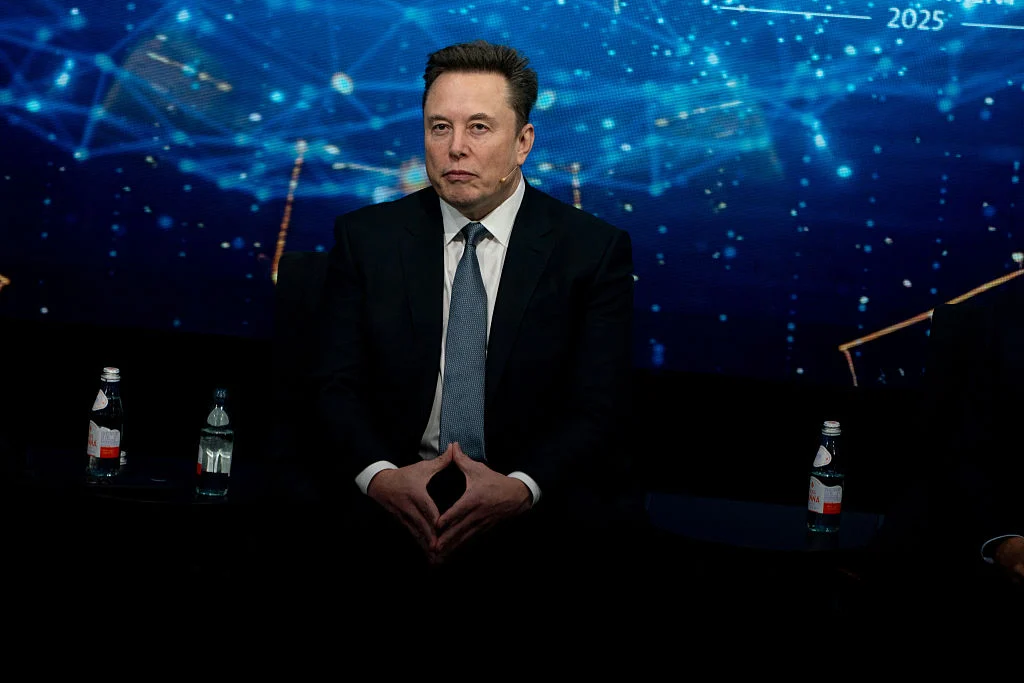
In a move that underscores the desperate scramble for energy in the age of artificial intelligence, Elon Musk has confirmed that SpaceX is constructing a specialized manufacturing facility in Bastrop, Texas. This facility, a "blades and vanes foundry," represents an audacious attempt to circumvent one of the most critical supply chain bottlenecks in the modern industrial world: the production of high-performance components for natural gas turbines.
As the AI arms race intensifies, the primary constraints have shifted from the scarcity of high-end GPUs—such as Nvidia’s coveted Blackwell chips—to the physical capacity of the electrical grid. With major tech conglomerates like Microsoft, Google, Meta, and OpenAI racing to build massive data centers, the demand for reliable, on-demand power has reached a fever pitch. By verticalizing the production of turbine components, Musk is attempting to secure a strategic advantage that could accelerate data center deployment by up to 18 months, effectively leapfrogging the grid-tied constraints that have stalled his competitors.
The Bottleneck: Why Turbine Blades Are the New Silicon
The irony of the current AI boom is that the "virtual" intelligence being built in the cloud relies on increasingly archaic, high-heat physical infrastructure. Gas turbines, the workhorses of power generation, operate under extreme conditions. The blades and vanes within these turbines must withstand temperatures ranging from 3,000 to 3,600 degrees Fahrenheit—roughly 800 degrees higher than the melting point of the superalloys used to forge them.
To prevent catastrophic failure, these blades are engineered with intricate internal cooling channels and sophisticated thermal-barrier coatings. More importantly, they must be cast as single-crystal structures. This process involves growing the metal in a vacuum furnace to ensure there are no microscopic seams or grain boundaries that could lead to cracking under immense rotational stress.
Currently, only a handful of manufacturers worldwide possess the metallurgical expertise and specialized facilities to produce these components at an industrial scale. According to industry reports, these suppliers are entirely tapped out, with backlogs stretching into 2030. GE Vernova, a global leader in power generation, has noted that its production capacity is effectively spoken for, leaving hyperscalers in a precarious position as they look to build their own private, gas-fired power plants to bypass the slow-moving national electrical grid.
Chronology of a Strategic Pivot
The emergence of the Bastrop foundry project has been a slow-burn revelation, pieced together through job listings and field observation.
- March–June 2026: SpaceX quietly acquires approximately 830 acres of land near its existing Starlink manufacturing hub in Bastrop, Texas.
- August 2026: Due diligence specialists, including Corey Trinetti, begin tracking unusual activity at the site, noting a focus on industrial foundry capabilities.
- Mid-August 2026: The Information publishes an exclusive report detailing job postings for "blades and vanes" specialists, signaling a pivot toward turbine component manufacturing.
- Late August 2026: Elon Musk confirms the facility’s purpose on X, clarifying that the foundry is intended to support a broader initiative to bootstrap solar capacity with natural gas.
Musk’s strategy is clear: he is not merely building data centers; he is building the entire supply chain required to power them. By internalizing the casting process, SpaceX aims to slash the lead times that currently plague the energy sector, turning a potential multi-year delay into a manageable production schedule.
The Power Paradox: Solar Ambitions vs. Gas Realities
Musk has publicly maintained that SpaceX and Tesla are aggressively scaling solar production, targeting 100GW of annual capacity. However, he acknowledges a pragmatic reality: solar, while essential, cannot yet provide the "always-on" base-load power required by the massive, power-hungry AI clusters that support his xAI ventures.
"Natural gas will still be needed to supplement and bootstrap solar for several years," Musk wrote on X. "The limiting factor for nat gas turbine production is casting the blades and vanes. By doing in-house casting at SpaceX, we can accelerate nat gas turbines coming online by up to 18 months."
This admission highlights the fundamental tension in the tech industry’s transition to green energy. While firms like Google and Microsoft publicly advocate for carbon neutrality, the immediate hunger for AI compute has forced a tactical retreat to fossil fuels. The "hyperscaler" strategy—building private, behind-the-meter gas-fired power plants—has become the industry standard for firms that cannot afford the multi-year wait times associated with utility-scale grid upgrades.
Implications: A Competitive Edge or an Environmental Liability?
If SpaceX succeeds in its foundry ambitions, the implications for the AI industry are profound. Musk would effectively control a manufacturing capability that currently serves as a gatekeeper for the entire energy sector. While competitors remain at the mercy of a tiny, overstretched oligopoly of turbine manufacturers, SpaceX would operate with an internal supply chain, potentially gaining a significant "time-to-market" advantage for its data centers.
However, this strategy comes with significant reputational and legal risks. The reliance on natural gas has drawn sharp criticism from environmental advocates and local communities. In Memphis, the site of xAI’s "Colossus" data center, the NAACP and local researchers have raised alarms regarding air quality. They allege that the turbines powering the facility operate without adequate pollution controls, emitting smog-forming compounds and hazardous substances like formaldehyde.
The concerns are not limited to Memphis. A study commissioned by the Piedmont Environmental Council regarding data centers in Virginia’s "Data Center Alley" utilized the EPA’s COBRA health-impact model to calculate the human cost of these facilities. The report estimated that a single facility’s eight gas turbines could result in annual health-related damages ranging from $53 million to $99 million, including several premature deaths annually.
Looking Ahead: The Regulatory Horizon
As Musk pushes forward with the Bastrop foundry, he is effectively positioning SpaceX as a critical infrastructure player rather than just a space-faring company. This transition brings him into direct conflict with a new wave of regulatory scrutiny. As data center power consumption is projected to double by 2030, the public health impacts of private, unregulated power generation will likely become a major political flashpoint.
For now, the project represents a classic Musk maneuver: identify a systemic constraint, apply intense vertical integration, and attempt to solve it through sheer manufacturing force. Whether the "game-changer" of in-house turbine casting can survive the scrutiny of environmental regulators and the complexities of industrial-scale metallurgy remains to be seen.
The Bastrop foundry is more than just a factory; it is a test of whether the tech giants of the 21st century can bridge the gap between their digital aspirations and the physical, environmental, and infrastructural limitations of the planet. As SpaceX ramps up, the world will be watching to see if this forge creates a new energy paradigm—or simply adds more fuel to an already burning debate over the true cost of artificial intelligence.
About the Author