For 26-year-old Stephen Young, a traditional Maidu basket weaver, the forest is not merely a collection of timber or a scenic backdrop; it is a living, breathing extension of his faith. As he walks through the woods near California’s Lassen Peak, he relies on a sensory dialogue with the land—the scent of pine duff, the cool dampness of the understory, and the rhythmic rustle of native flora.
Yet, in recent years, this sacred dialogue has been interrupted by a toxic reality. Across California’s national forests, the U.S. Forest Service has ramped up the use of synthetic herbicides, most notably glyphosate—the primary ingredient in the controversial weedkiller Roundup. For the Maidu and other tribal communities, this chemical deployment represents more than just an environmental hazard; it is an existential threat to the basket-weaving traditions, medicinal practices, and spiritual ceremonies that have defined their culture for millennia.
The Conflict: Efficiency vs. Ecology
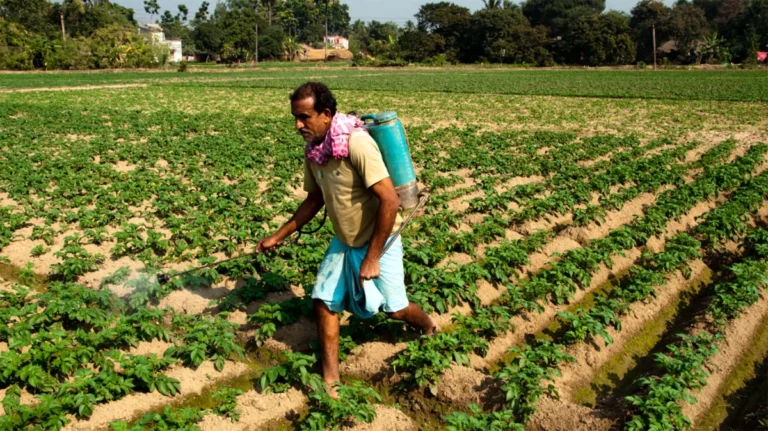
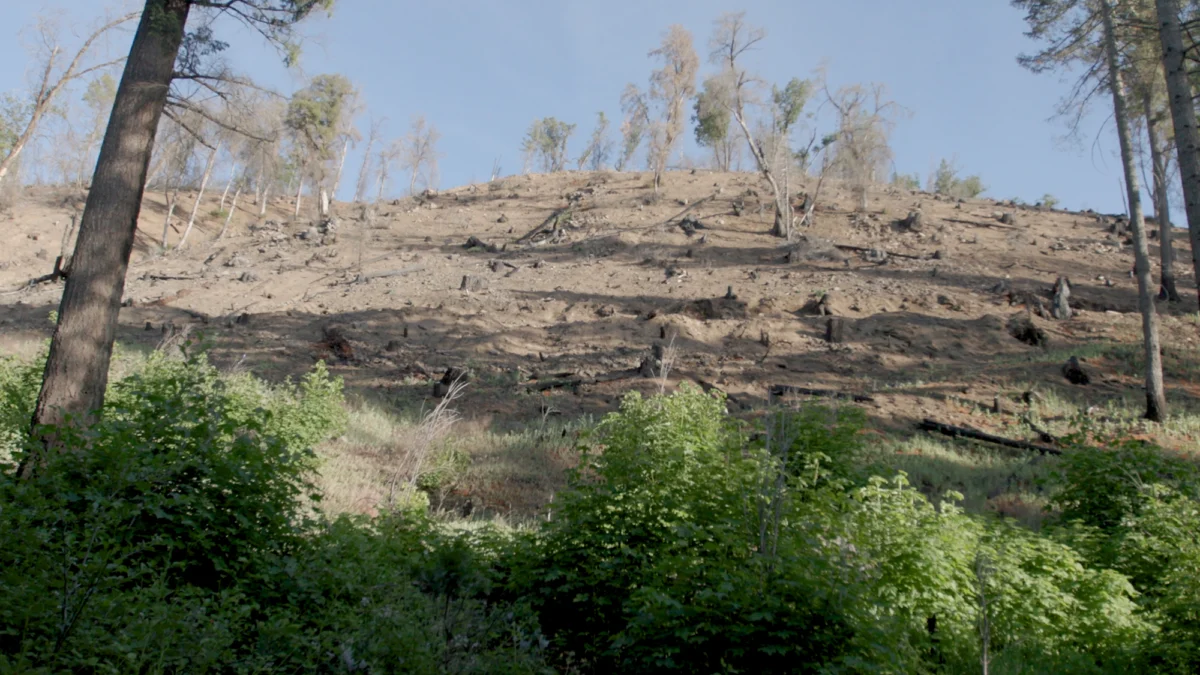
The U.S. Forest Service frames its herbicide program as a necessary tool of modern silviculture. Following catastrophic wildfires or large-scale logging operations, the agency seeks to expedite the regrowth of timber stands. By spraying herbicides, the Forest Service kills native shrubs and ferns that naturally regenerate in these areas, arguing that these plants "compete" with replanted saplings for essential nutrients, water, and sunlight.
However, a 2026 investigation revealed that the scientific foundations for this practice are deeply flawed. Key studies once touted by the Forest Service to prove the safety of glyphosate were found to be ghostwritten by Monsanto, the manufacturer of the chemical.
This, coupled with the Trump administration’s recent mandate to increase national timber production by 25 percent and roll back protections for 45 million acres of forest, has created a perfect storm. The federal government has prioritized the rapid, high-density production of timber over the long-term ecological health of the land—a strategy that critics describe as a reckless shortcut that sacrifices public health for private-sector profit.
A Chronology of Resistance
The battle over chemical spraying in California forests is not new. It is a generational struggle that reached a boiling point in the early 2000s.
- The 2000 Uprising: Tribal members and environmental organizations formed a coalition to challenge the Forest Service after reports surfaced of elders and community members suffering from mysterious illnesses, including sores in the mouth and respiratory issues, which they attributed to the ingestion of chemicals in gathering areas.
- The 2001 Injunction: A federal judge sided with the coalition, issuing an injunction that halted spraying in the Tahoe National Forest. The court ruled that the government had failed to conduct an adequate assessment of the risks to human health and the environment, as required by the National Environmental Policy Act (NEPA).
- The Quiet Years: In the wake of the ruling and significant public pressure, the Forest Service scaled back its reliance on herbicides. For years, the practice was largely relegated to the margins of forest management.
- The 2021-Present Resurgence: Following a series of massive wildfires, including the Caldor Fire, the Forest Service began a aggressive return to chemical intervention. Internal documents reveal that the decision was driven primarily by economics; manual vegetation management was deemed three times more expensive than the chemical alternative.
Data and Environmental Impact
The scientific consensus increasingly suggests that the Forest Service’s current management strategy is producing a net negative for California’s wildlands.

Chemical Persistence
A state-commissioned study from the California Department of Pesticide Regulation found that herbicides like glyphosate and triclopyr do not simply vanish upon application. In fact, these chemicals linger in plant material—such as the bracken fern roots and buckbrush shoots used in basket weaving—for well over a year. The report explicitly advised that gathering should be avoided for 80 weeks post-application.
Despite these clear guidelines, the Forest Service’s notification protocols are dangerously inadequate. While the agency posts warning signs after spraying, they are often removed within 24 to 48 hours. By the time a member of the public or a tribal gatherer enters the forest, the area may appear safe, even as it remains saturated with toxic residue.
Water Contamination
The reach of these chemicals extends far beyond the immediate spray zones. A 2024 monitoring study conducted in the Central Valley detected glyphosate in 100 percent of the water samples taken from rivers, creeks, and drainage ditches. Similarly, studies testing for triclopyr in streams across California showed a 100 percent detection rate, confirming that these herbicides are leaching into the state’s vital water systems.
Ecological Destabilization
Beyond toxicity, the strategy is biologically counterproductive. Research published in Forest Ecology and Management indicates that using herbicides to clear native species often paves the way for invasive plants, such as cheatgrass. Unlike native shrubs, which are adapted to the local fire cycle, these invasive "flashy fuels" burn ten times more frequently. By attempting to "clean" the forest for timber production, the Forest Service is effectively increasing the risk of the very fires they claim to be mitigating.
Official Responses and Corporate Stance
The U.S. Forest Service has remained largely reticent regarding these criticisms. When asked for comment, the agency did not provide a formal explanation for the discrepancy between its 48-hour sign removal policy and the state’s 80-week safety recommendation.
Bayer, the current manufacturer of glyphosate, maintains a steadfast defense of the product. The company insists that the herbicide is safe when used according to label instructions and points to global regulatory approvals. However, this defense rings hollow for many, especially as jurisdictions like the Canadian province of Quebec have opted to ban the chemical entirely due to public health concerns.
The Human Cost: A Cultural Reckoning
For elders like 85-year-old Beverly Ogle, the situation feels like a continuation of a historical trauma that spans over a century. The areas where the Forest Service is currently spraying are, in some instances, the same locations where militiamen were once paid for the scalps of Native Americans.

"It’s kind of like killing our tribe again," Ogle says, sitting in her home near the foothills of Lassen Peak. "I’m afraid to go out in the backcountry and gather plants. Because are we gathering something that’s got poison on it?"
This sentiment is echoed by legislators like Assemblymember James Ramos, the first Native Californian elected to the state legislature. Ramos has introduced the California Indian Freedom Act of 2026, a landmark bill that seeks to codify protections for tribal customs and grant Native communities the legal standing to challenge government actions that infringe upon their religious and cultural practices.
Implications for the Future
The path forward remains fraught. As the state Senate prepares to vote on the California Indian Freedom Act, the Native American community is organizing a renewed legal and political campaign. They are not merely fighting for a specific environmental policy; they are fighting for the right to exist in harmony with their ancestral lands.
The debate over herbicide use in California’s forests serves as a microcosm of a larger national struggle: the tension between industrial efficiency and indigenous stewardship. If the Forest Service continues to prioritize the bottom line of the timber industry at the expense of ecological integrity and human rights, it risks not only the health of the forests but the permanent erasure of the cultural traditions that depend on them.
"We need the natural environment to practice our religion and spirituality," Stephen Young says, reflecting on the bracken ferns that once provided him with a livelihood. "If we can’t do that, then our culture is at risk."
As the state stands at this crossroads, the decision to either continue the chemical poisoning of the landscape or adopt more sustainable, manual, and culturally respectful land management practices will determine the legacy of California’s forests for the next hundred years.
About the Author