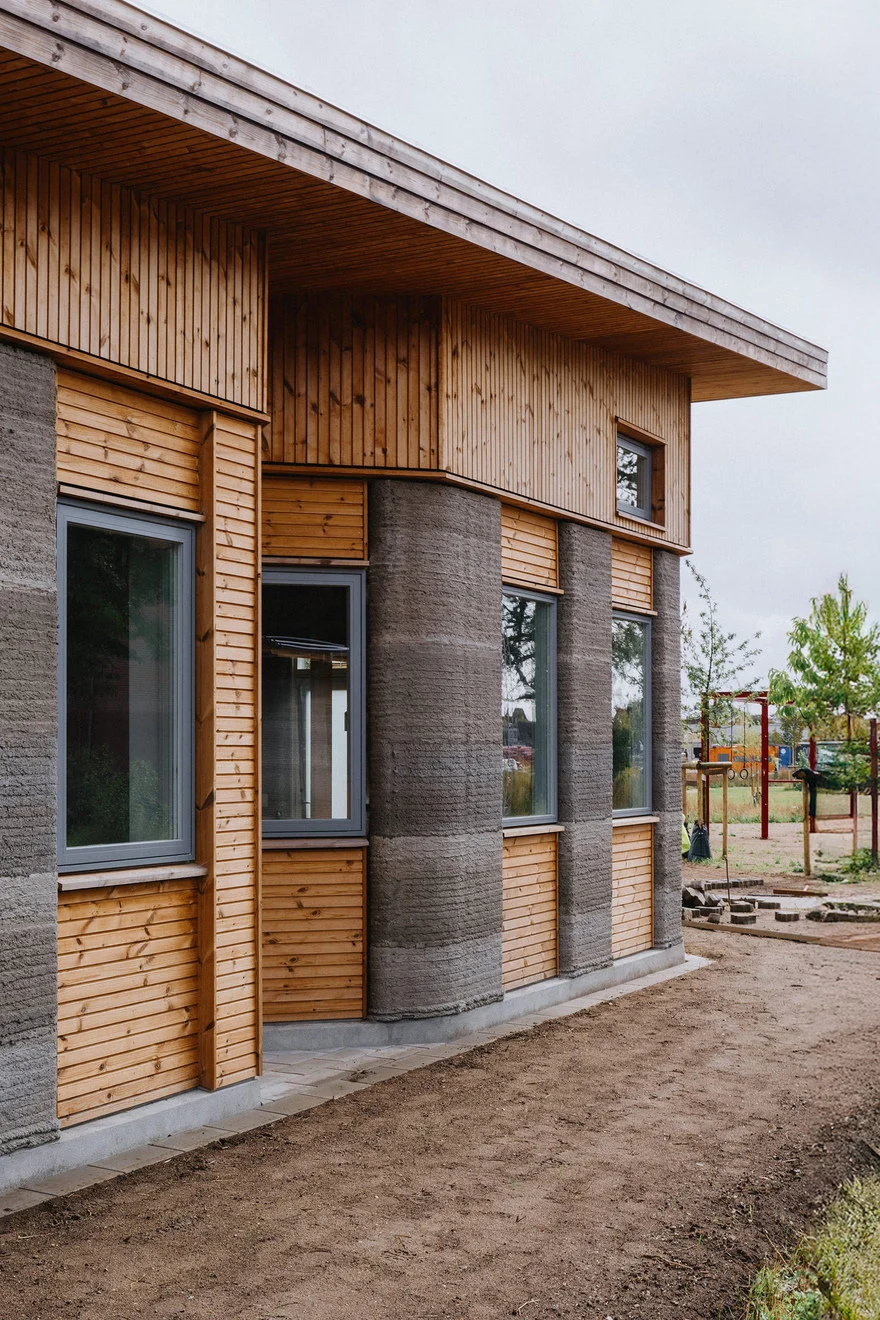
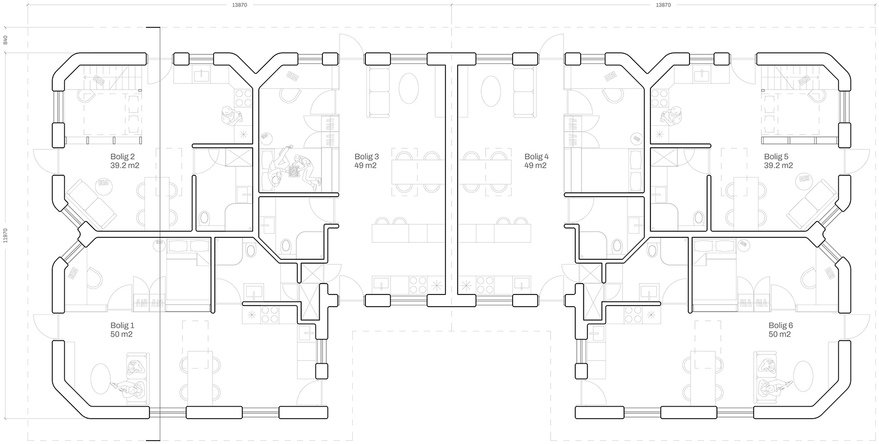
In the quiet suburbs of Denmark, a revolution in construction is taking place—one layer of concrete at a time. Copenhagen-based SAGA Space Architects, in collaboration with the Danish architecture studio MS+, has officially completed Skovsporet, a pioneering development that stands as the largest 3D-printed housing project in Europe. Comprising 36 individual apartments organized into six distinct clusters, this project represents a monumental shift in how we conceive, design, and manufacture human shelter. Built specifically to serve the students of the nearby VIA University College, Skovsporet is more than just a place to live; it is a live-in laboratory for sustainable, scalable architecture.
The Genesis of Skovsporet: Main Facts
At its core, Skovsporet represents a departure from traditional, labor-intensive construction methods. By utilizing additive manufacturing (3D printing), the project partners have created a village that blends modern aesthetic sensibilities with the pragmatic requirements of student life.
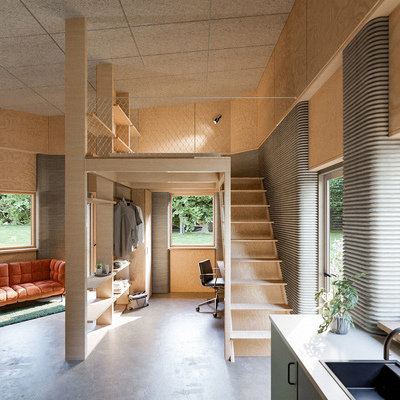
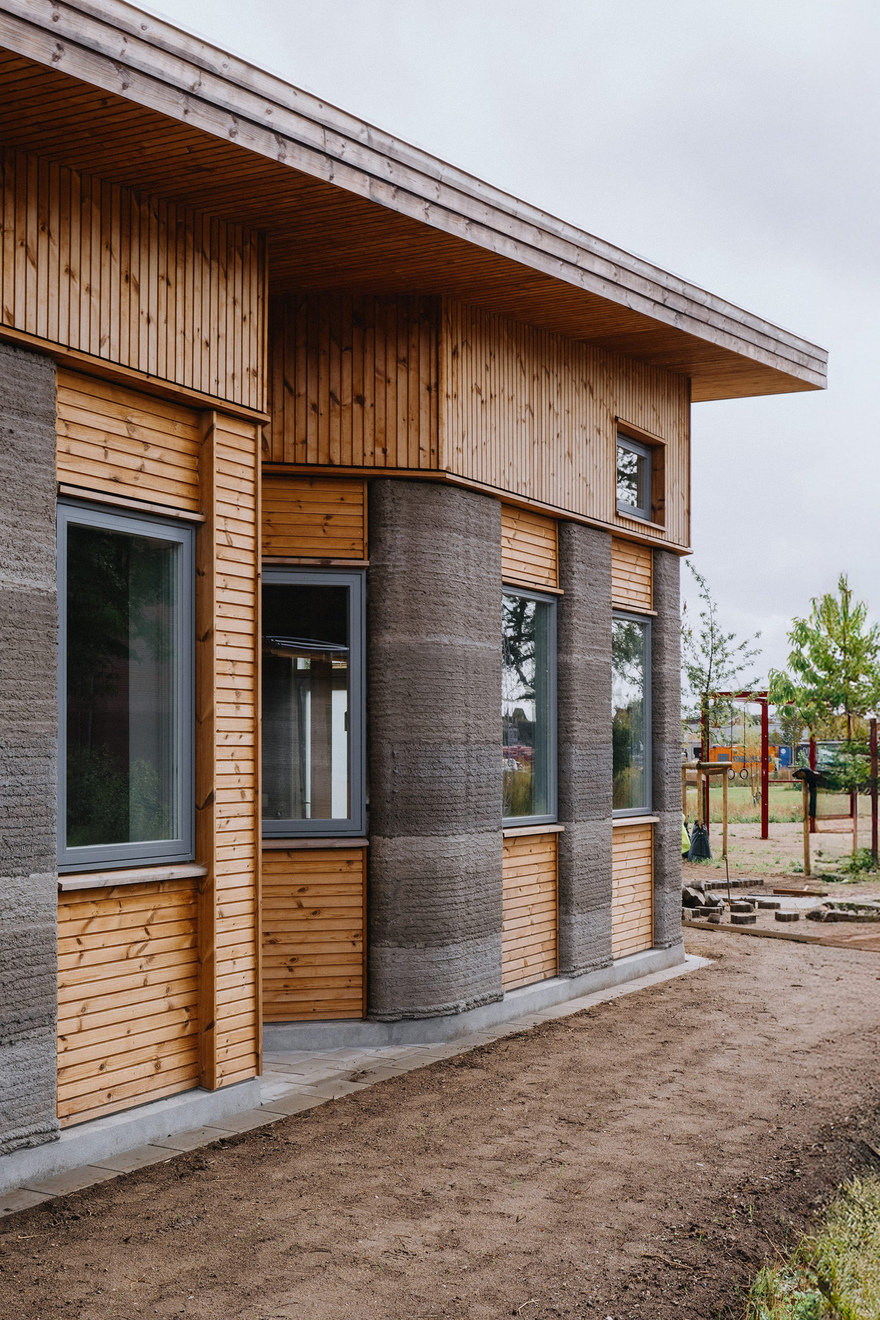
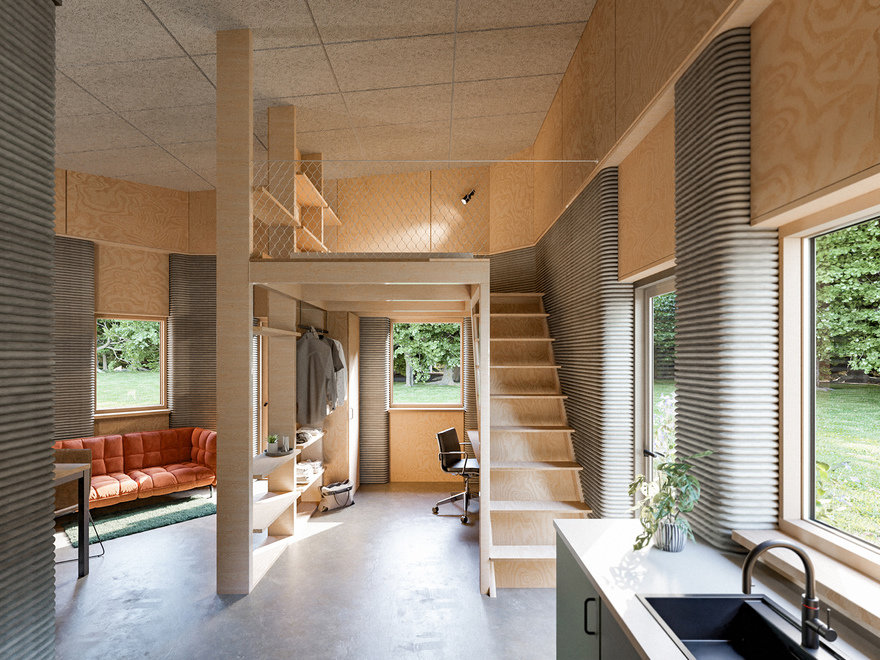
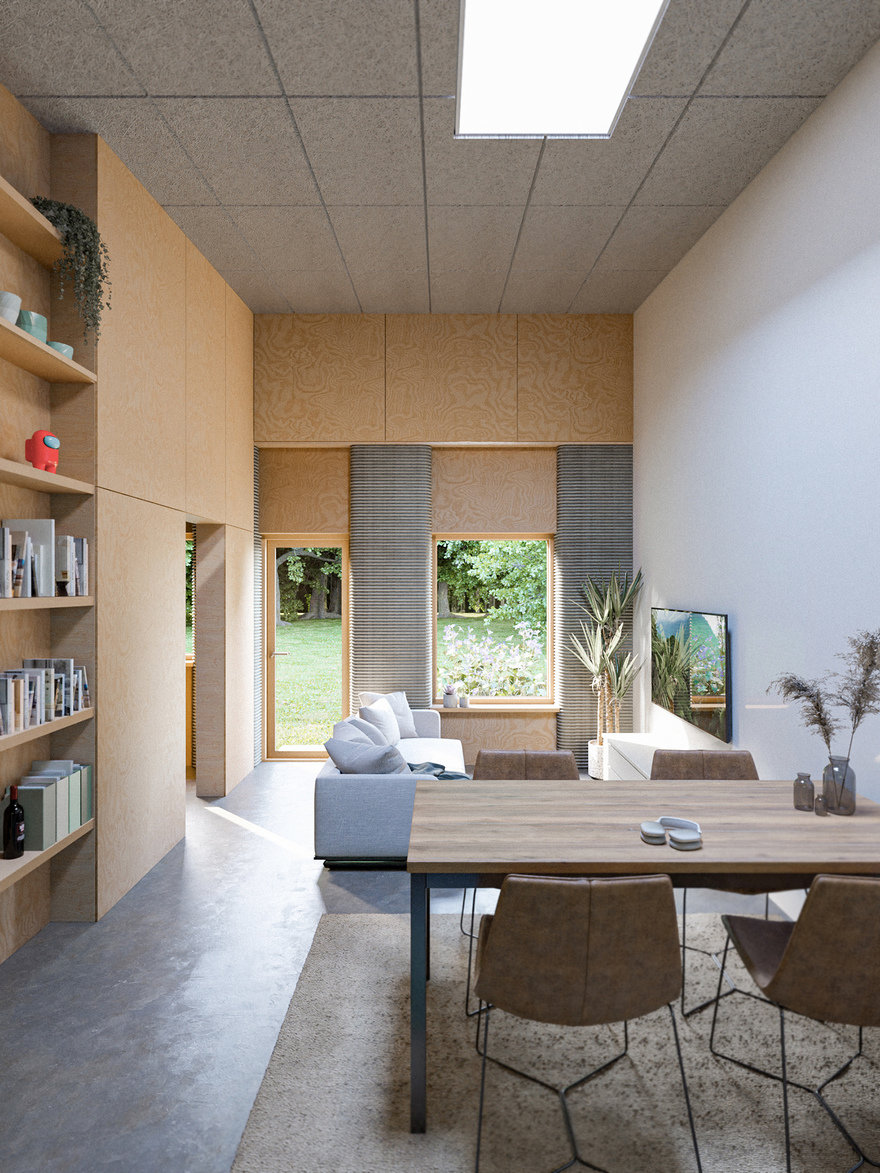
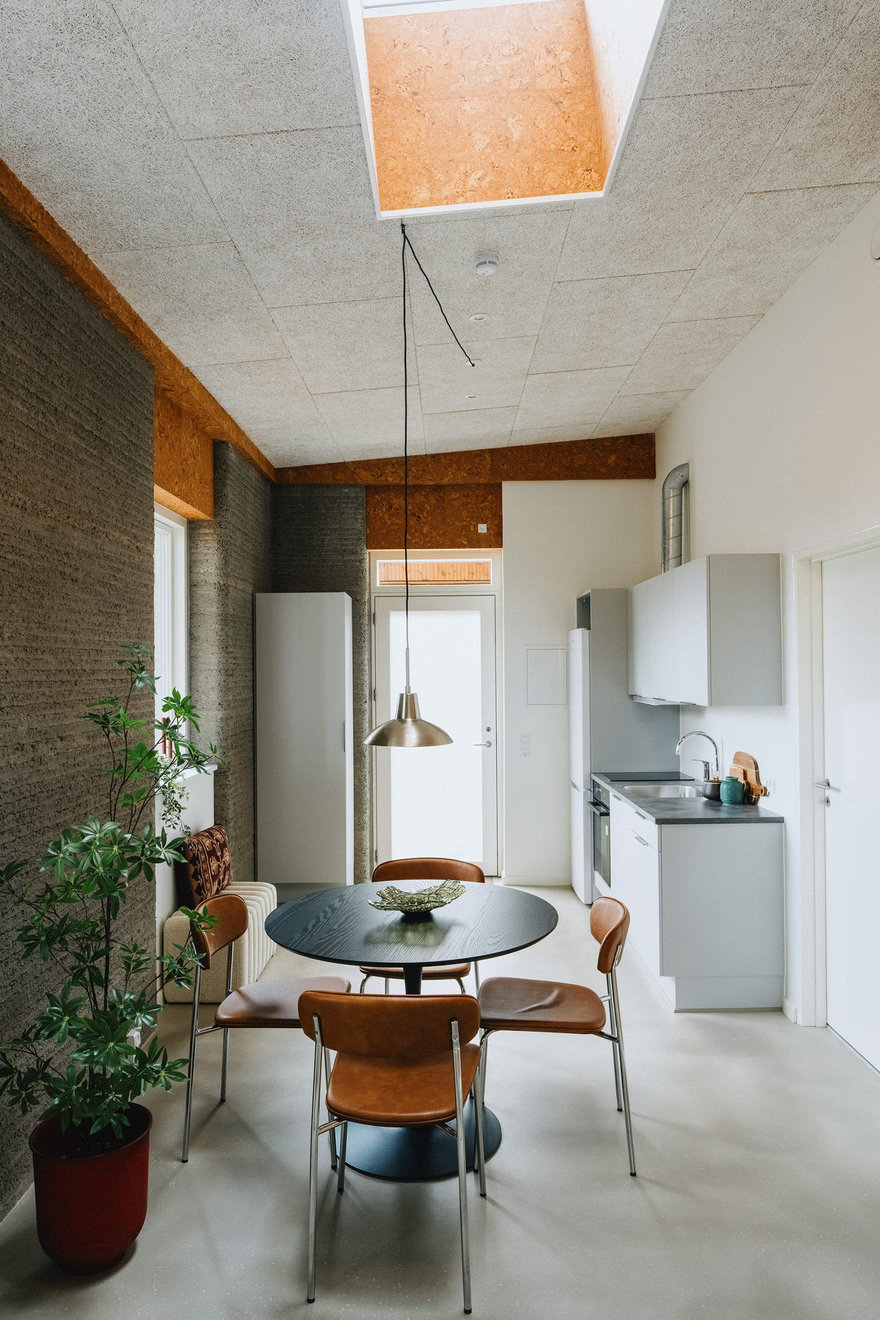
Each of the 36 apartments is a self-contained, functional unit designed to maximize utility within a compact footprint. Ranging from 39 to 50 square meters (approximately 420 to 538 square feet), each unit incorporates a private kitchen, a dedicated study area, a lounge, a bathroom, and a sleeping zone. Despite the modest floor plans, the architecture feels airy and spacious due to the clever integration of large roof windows and slanted ceilings that funnel natural daylight deep into the interior. The material palette—a thoughtful juxtaposition of 3D-printed concrete, warm cork panels, glass, and traditional roofing—creates a cozy, inviting atmosphere that defies the "cold" reputation often associated with industrial concrete.
The development is master-planned to foster community. The six buildings are arranged to create shared courtyards and landscaped gardens, punctuated by walking paths and integrated bicycle parking. This design language ensures that while students have their own private sanctuaries, the architecture actively encourages social interaction and the development of a supportive, everyday community.
A Chronological Evolution of the Project
The realization of Skovsporet was not an overnight success; it was the result of a deliberate, iterative process that tracked the rapid maturation of 3D-printing technology.
- Conceptualization Phase: SAGA Space Architects and MS+ began with the vision of utilizing 3D printing to move beyond the "gimmick" phase of the technology. The goal was to prove that additive manufacturing could serve institutional-scale needs.
- Engineering and Material Development: A critical hurdle was the carbon footprint of concrete. The team collaborated with the 3DCP Group to develop a specialized, cement-free concrete blend, ensuring the project would meet stringent modern environmental standards.
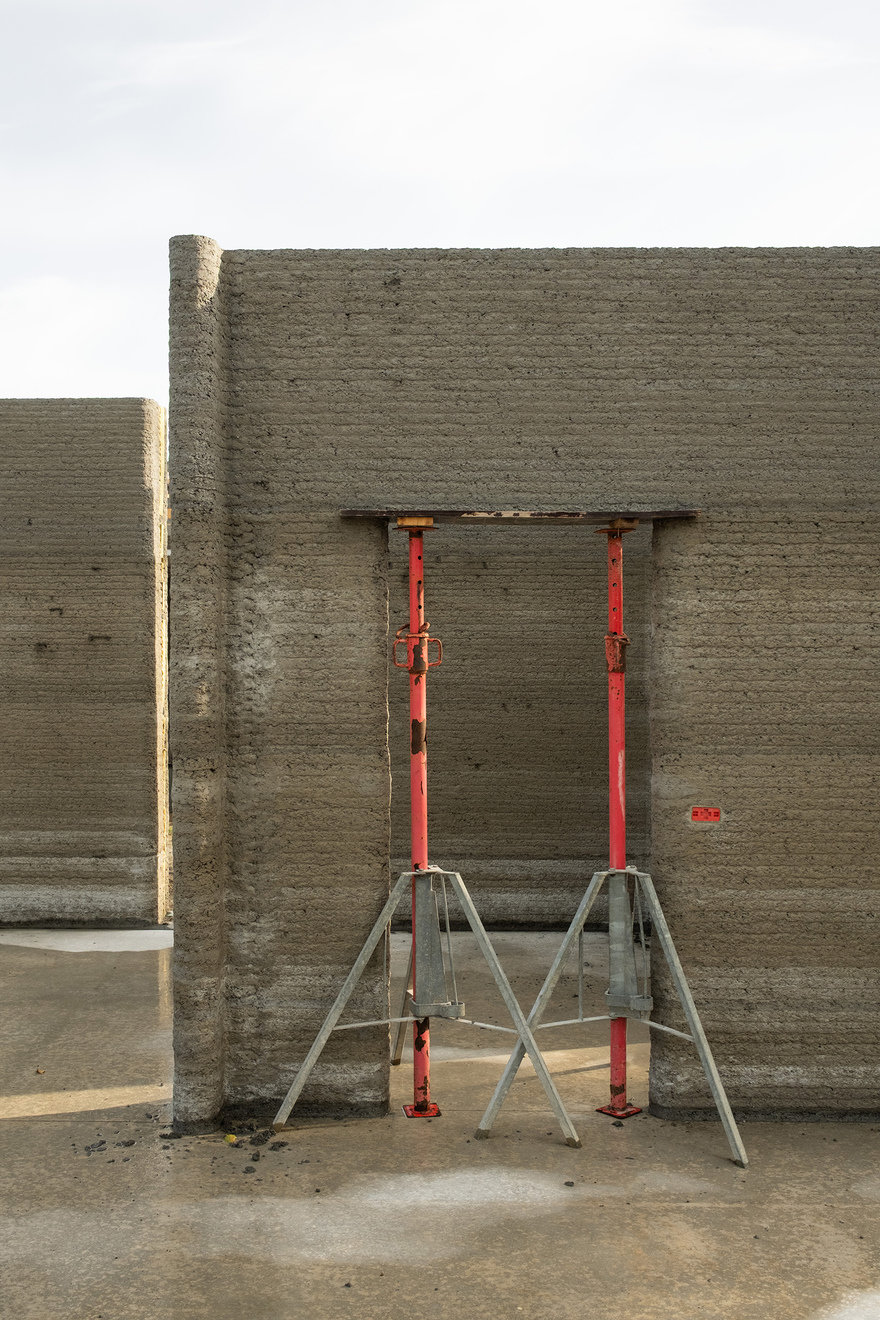
- The Printing Process: Unlike traditional construction, where scaffolding and manual bricklaying dictate the timeline, the Skovsporet units were printed using large-scale robotic arms. This allowed for intricate wall geometries and rapid structural assembly.
- Finishing and Integration: Once the primary concrete shells were printed, the construction transitioned to traditional finishing, where cork insulation, window installation, and interior fit-outs were completed to turn the shells into habitable, climate-controlled homes.
- Completion and Handover: With the site now finished, the development is entering its final phase: the arrival of its residents. Students are scheduled to move into the new apartments this September, marking the official launch of this historic community.
The Science of Sustainability: Supporting Data
One of the most compelling arguments for 3D-printed housing is the potential for environmental impact reduction. In the construction sector, traditional concrete is one of the world’s largest sources of CO2 emissions. Skovsporet challenges this status quo directly.
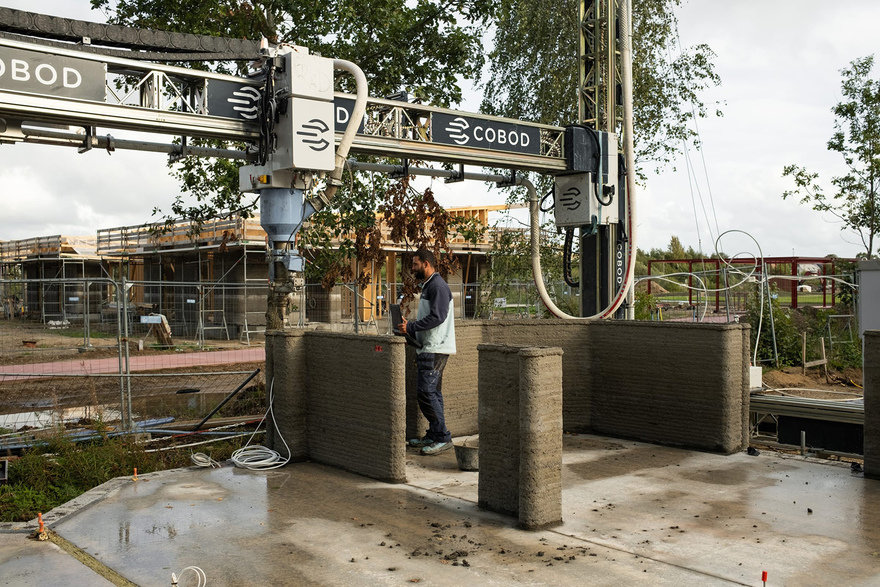
The project utilized a cement-free concrete blend, a breakthrough facilitated by the Danish contractor 3DCP Group. By replacing traditional high-emission cement with more sustainable binders, the project achieved an astounding 84% reduction in CO2 emissions compared to conventional concrete construction. This data point is significant; it moves the conversation around 3D printing from "efficiency in time" to "efficiency in environmental responsibility."
Furthermore, the design itself promotes longevity. By utilizing cork panels for thermal insulation, the architects have ensured that the homes are not only structurally sound but energy-efficient. These passive thermal properties, combined with the orientation of the buildings to maximize solar gain, mean that the long-term operational carbon footprint of the village will be significantly lower than that of traditional student dormitories.
Official Responses and Industry Impact
The scale of Skovsporet has sent ripples through the international architectural community. Sebastian Aristotelis, Co-Founder and Lead Architect at SAGA Space Architects, has been vocal about the implications of the project’s success.
"This student housing project proves that 3D printing is no longer just an experiment," Aristotelis remarked during the project’s unveiling. "We have gone from printing small prototypes to creating 36 real homes and an entire community. That is the scale where technology starts to matter as a serious tool for architecture."
For industry peers, this project acts as a "proof of concept" for the scalability of robotic construction. By delivering 36 homes, SAGA and MS+ have demonstrated that the logistical challenges of on-site 3D printing—such as weather management, printer maintenance, and supply chain logistics—can be managed at a scale sufficient for urban development. This is a vital milestone for municipal governments and developers who are looking for ways to address the global housing crisis without sacrificing environmental sustainability.
Broader Implications: A New Era for Urban Development
The implications of Skovsporet extend far beyond the borders of Denmark. As global urbanization continues to accelerate, the demand for affordable, sustainable, and rapidly deployable housing is reaching a breaking point.
The Democratization of Customization
3D printing offers a level of architectural flexibility that traditional modular construction struggles to achieve. Because the robotic printer follows a digital file, the design can be complex, curved, or highly customized without the exponential cost increases associated with traditional formwork. In the case of Skovsporet, this allowed for a unique aesthetic that feels organic rather than rigid, proving that mass-produced housing does not have to be "cookie-cutter" or aesthetically barren.
Economic Viability and Labor
The construction industry is currently facing a massive labor shortage, with fewer young workers entering trades. While 3D printing requires highly skilled operators and programmers, it significantly reduces the need for the physical, back-breaking labor associated with traditional concrete pouring and masonry. By shifting the labor from the construction site to the design and programming phase, the industry can attract a new generation of digital-native workers, effectively revitalizing the workforce.
Addressing the Housing Crisis
For university towns, the lack of quality, affordable housing is a perennial problem. Skovsporet demonstrates that we can build high-quality, dignified living spaces in a fraction of the time it would take to build traditional multi-family housing. If this model can be replicated, it offers a path for cities to densify quickly and sustainably, providing students and young professionals with living environments that are designed for wellness and community rather than just temporary occupancy.
Conclusion: The Path Forward
As the first residents prepare to move into Skovsporet this September, they are not just moving into a new apartment; they are participating in a historical experiment. The project serves as a testament to the fact that when technology, sustainable material science, and thoughtful urban design converge, we can solve some of our most pressing societal challenges.
The success of Skovsporet sends a clear message to the global construction industry: the era of 3D-printed housing is no longer in its infancy. It is here, it is scalable, and it is significantly cleaner than the status quo. As we look toward the future, the lessons learned in this small corner of Denmark will likely form the blueprint for the next generation of global residential infrastructure. The project is not merely an achievement for SAGA Space Architects or MS+; it is a victory for anyone who believes that the homes of the future should be as sustainable as they are beautiful.
About the Author