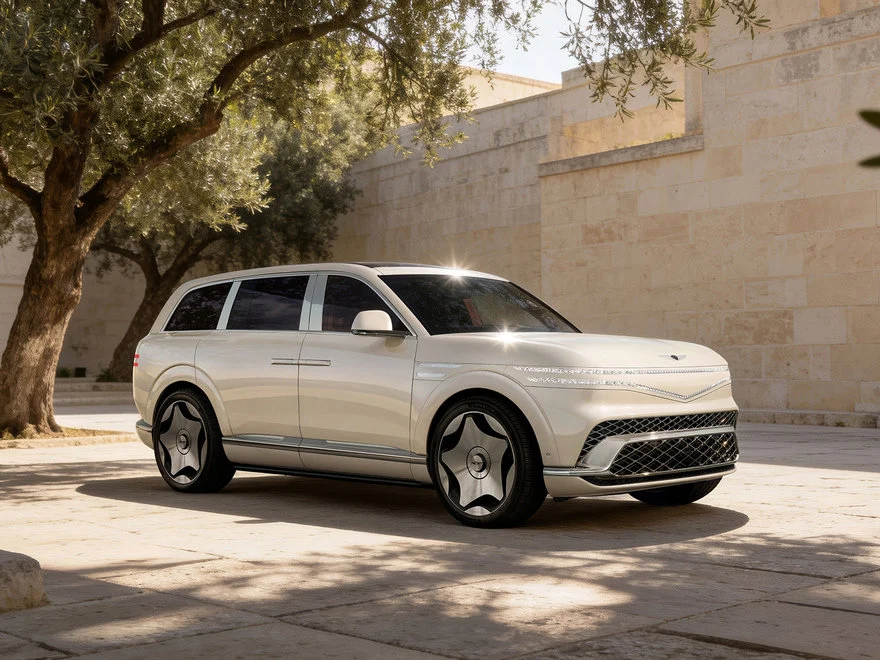
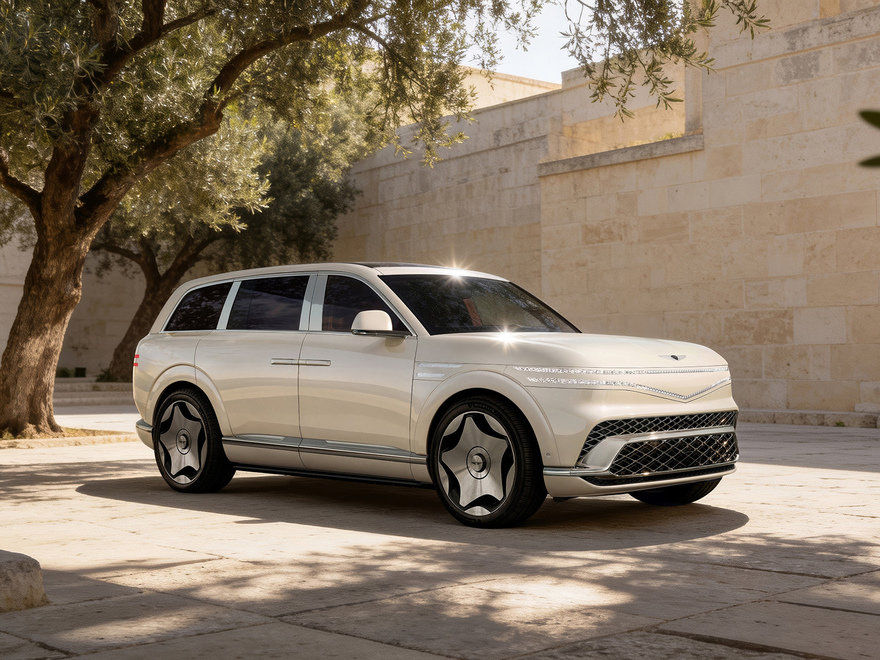
In the rapidly evolving theatre of electric mobility, the quest for the "next big thing" has often been relegated to software updates, battery chemistry, or autonomous driving suites. However, Genesis, the luxury division of Hyundai Motor Group, has shifted the focus back to the physical experience of the automobile. With the unveiling of the GV90 Neolun—a name derived from the Greek "neo" (new) and Latin "luna" (moon)—the brand is not merely introducing a new flagship; it is challenging the fundamental architecture of the three-row SUV.
Boasting a 311-mile (500km) range and a design language that evokes celestial serenity, the Neolun is a daring statement of intent. But beneath its polished, minimalist exterior lies a suite of engineering breakthroughs that render the traditional SUV paradigm obsolete. From the abandonment of the B-pillar to the implementation of residential-grade radiant floor heating, the Neolun is a masterclass in pushing the boundaries of automotive luxury.
The Architectural Breakthrough: Eliminating the B-Pillar
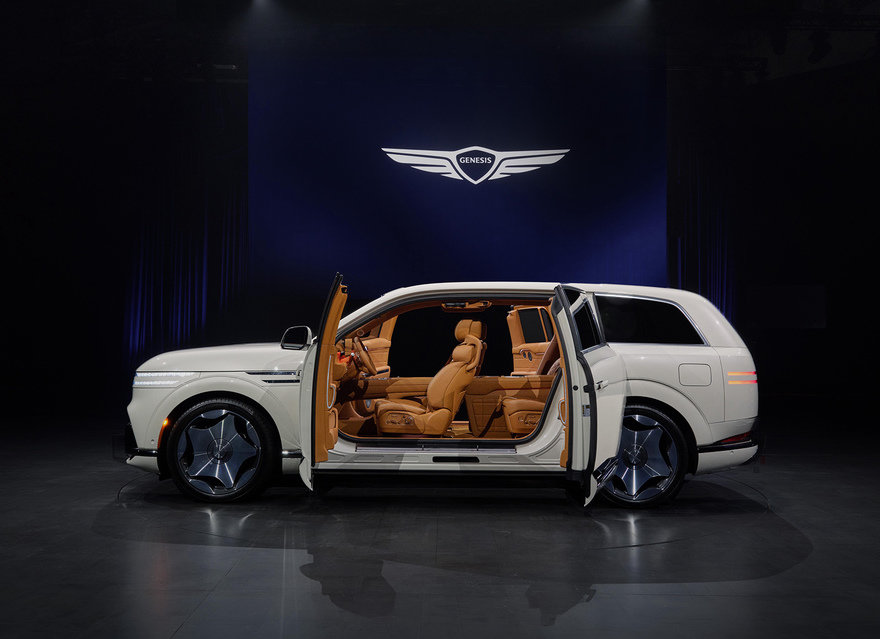
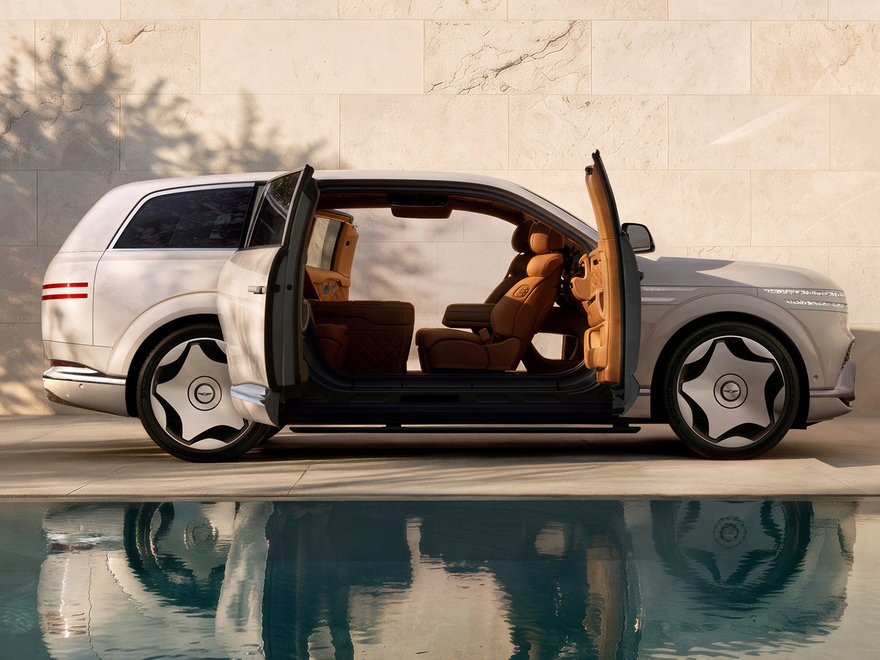
For decades, the B-pillar—the vertical structure connecting the roof to the body between the front and rear doors—has been an immutable law of automotive safety. It serves as the primary load-bearing member for roof-crush resistance and a critical anchor point for door hinges and seatbelt mechanisms. Removing it is the "holy grail" of automotive design, allowing for the implementation of coach doors (often historically referred to as "suicide doors") that offer an expansive, unobstructed entry point.
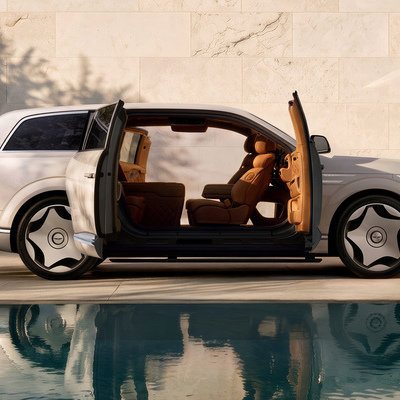
Genesis has finally unlocked this configuration without compromising occupant safety. The secret lies in a sophisticated, newly developed dual-motion hinge mechanism. Unlike standard hinges, this system allows the rear coach doors to slide slightly outward before rotating open, ensuring that the rear doors can operate independently of the front doors.
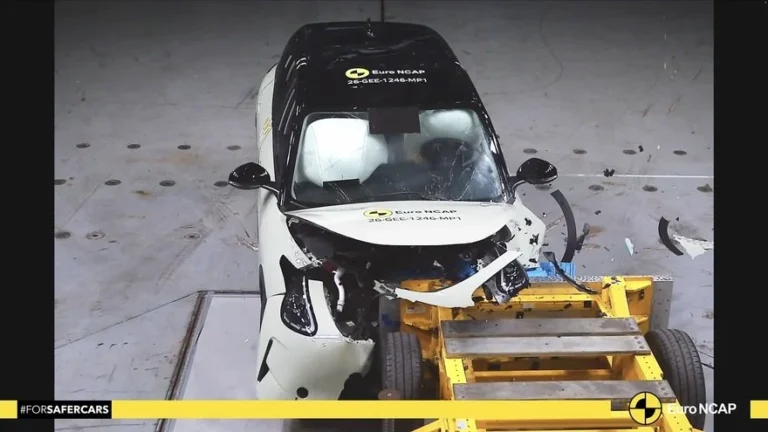
To compensate for the loss of the structural B-pillar, Genesis engineers have essentially built an exoskeleton within the vehicle’s frame. The vehicle utilizes high-strength dual steel beams integrated into the door-to-body interface. By reinforcing the passenger cabin with a frame 1.5 times thicker than traditional luxury SUVs and integrating structural foam alongside high-strength steel tubes, Genesis has created a "hidden roll cage." This architecture ensures that in the event of a collision, impact forces are effectively dispersed throughout the chassis, achieving crash safety ratings equivalent to vehicles equipped with standard pillars.
Chronology of Development: From Concept to Reality
The journey toward the Neolun began with the internal mandate to create a vehicle that prioritized the "human experience" over mechanical tradition. Development for the GV90 flagship spanned several years, focusing on the convergence of the "Beauty of White Space"—a core tenet of Korean architecture—and cutting-edge electric vehicle (EV) engineering.
- Phase I: Conceptualization (2020–2021): Designers at the Genesis Design Center explored the concept of "reductive design." The goal was to remove visual clutter, leading to the early decision to eliminate physical buttons and conventional door structures.
- Phase II: Engineering Feasibility (2022): The engineering team conducted thousands of hours of computer-aided engineering (CAE) simulations to test the "hidden roll cage" concept. This phase was critical in ensuring that the absence of the B-pillar did not result in chassis flex or safety compromises.
- Phase III: Prototype Integration (2023): The integration of the radiant heating system and the dual-motion hinge mechanism was finalized. During this period, the "no-start-button" interface was tested for user intuitive feedback, replacing the ignition switch with the brake pedal engagement.
- Phase IV: Official Unveiling (2024): The GV90 Neolun was revealed to the global public, marking the transition from a design study to a production-intent flagship.
Supporting Data: Comfort, Safety, and Performance
The GV90 Neolun is not just an aesthetic marvel; it is a high-performance EV built on a platform optimized for long-range travel.
Performance Metrics
- Range: Approximately 311 miles (500km) on a single charge, catering to the needs of the modern luxury traveler who demands both performance and range anxiety-free operation.
- Charging: While specific fast-charging peak speeds are pending further announcements, the architecture supports high-voltage systems consistent with the E-GMP platform, likely allowing for 10% to 80% charging in under 20 minutes.
Occupant Safety Systems
The removal of the B-pillar necessitated a radical rethink of safety protocols. Beyond the reinforced frame, Genesis has introduced a novel Roof Airbag system. In the event of a rollover, this system deploys rapidly to cover the entire expanse of the roof glass. This prevents occupant ejection and mitigates the risk of head and neck injuries caused by contact with the glass or the upper body structure—a safety innovation that sets a new benchmark for the segment.
The Sensory Experience: Radiant Heating and Interior Innovation
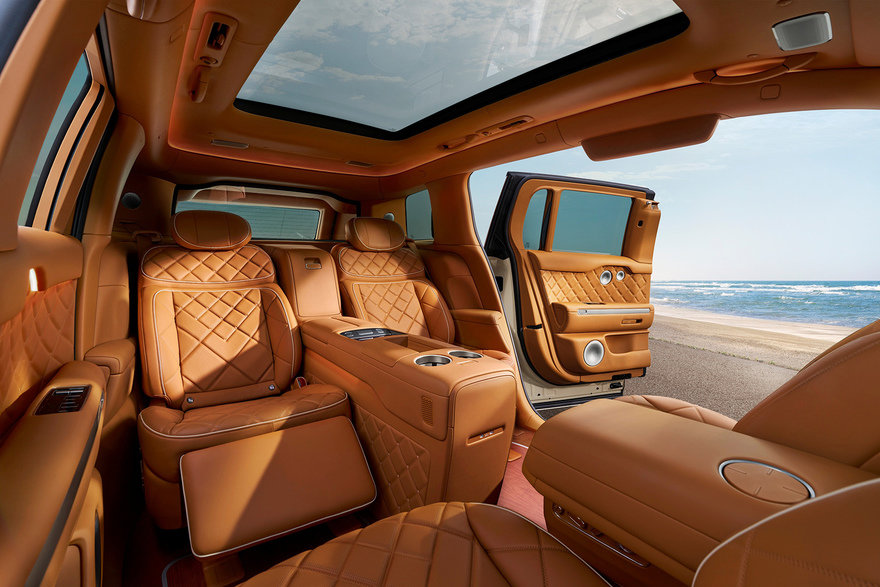
Perhaps the most disruptive feature of the Neolun is the departure from traditional forced-air climate control. Genesis has implemented a comprehensive radiant heating system that transforms the cabin into an extension of a high-end living room.
Radiant heating is significantly more efficient than blowing hot air, as it heats surfaces and people directly rather than the air itself. In the Neolun, heating elements are integrated into:
- The windshield and side glass panels.
- The door trims.
- The first and second-row armrests.
- The second-row floor veneer.
This creates a localized, gentle warmth that mimics the comfort of a heated home, effectively eliminating the "dry air" sensation often associated with automotive climate control. Coupled with the absence of a start button—where the vehicle senses the driver and requires only the depression of the brake pedal to engage—the entire interaction with the car becomes intuitive and seamless.
Official Responses and Strategic Implications
In their official communications, Genesis executives have framed the GV90 Neolun as a declaration of independence from the conventions of the internal combustion engine era.
"The Neolun is our vision of what a flagship should be in the electric age," a Genesis representative stated. "We have moved beyond the necessity of legacy components. By removing the B-pillar and reimagining the interface, we are inviting our customers into a space of pure comfort and uncompromising security."
Market Implications
The automotive industry is currently observing a "premium plateau," where luxury vehicles are struggling to differentiate themselves in a sea of similarly performing EVs. The Neolun addresses this by focusing on experiential engineering.
- Redefining the Luxury SUV: By proving that a B-pillar-less structure can be safe, Genesis has effectively raised the bar for all premium manufacturers. Competitors will likely be forced to accelerate their own structural R&D to match this level of accessibility.
- The Shift toward Residential Design: The inclusion of radiant heating signals a broader trend where luxury vehicles are increasingly designed as "third spaces"—moving away from the "cockpit" feel and toward a "lounge" environment.
- Autonomous Readiness: The lack of a start button and the retractable dashboard screen suggest a vehicle that is prepared for higher levels of autonomy. As the vehicle takes over driving tasks, the interior is positioned to serve as a mobile meeting room or relaxation suite.
Conclusion: The Dawn of a New Flagship
The Genesis GV90 Neolun is more than just a car; it is a profound pivot for the brand. By successfully merging the structural audacity of coach doors with the practical safety of a reinforced roll cage, Genesis has demonstrated that the future of luxury is not found in more buttons or larger screens, but in the intelligent removal of obstacles.
While the automotive world awaits the final pricing and the disclosure of further interior secrets, one thing remains clear: the Neolun has fundamentally changed the conversation regarding what a flagship SUV should be. For the discerning driver, the future of luxury is no longer about driving; it is about arriving—in a space that is warm, open, and undeniably ahead of its time.
About the Author