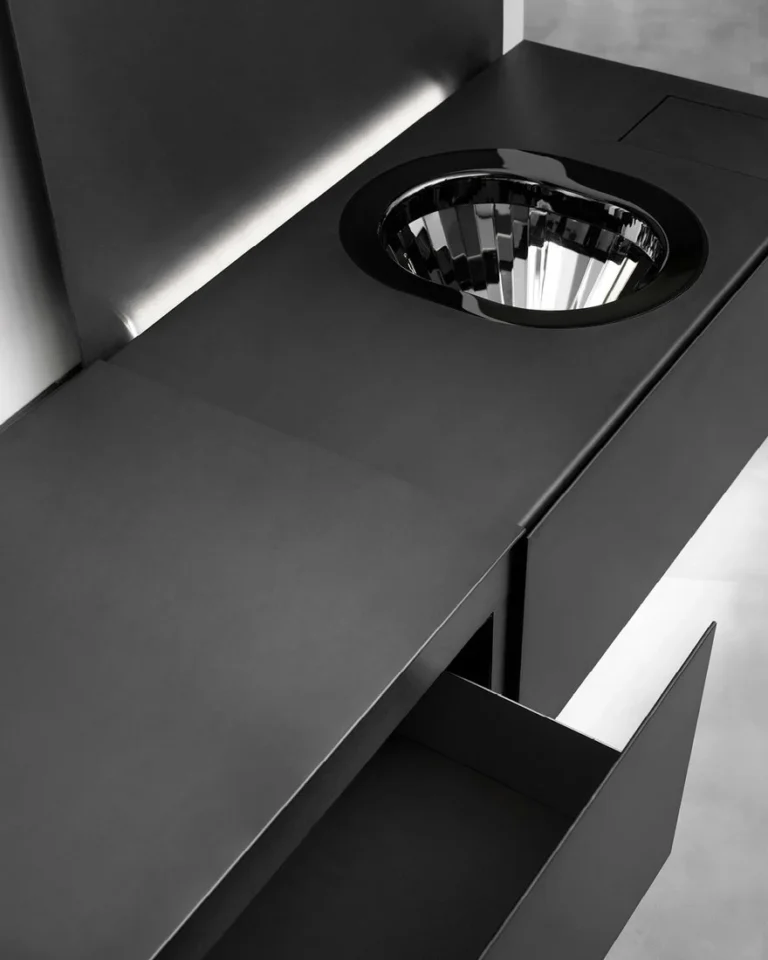
For over a century, the quest for the "perfect" audio experience has dictated the evolution of living spaces. From the bulky, monolithic radio cabinets of the 1920s to the minimalist, high-fidelity soundbars of the modern era, our relationship with sound has been a constant tug-of-war between sonic fidelity and domestic convenience. Today, as competitive gaming cements its status as a primary form of entertainment, we are witnessing the next great leap in audio engineering.
The OXS Thunder Pro Max, a new 7.1.2-channel gaming sound system, represents a paradigm shift. By integrating a proprietary "Satellite Neck Speaker" with traditional spatial audio drivers, OXS is attempting to solve the age-old problem of achieving true 3D immersion without the need for complex, room-filling wiring.
A Brief Chronology of Sound: From Cabinets to Spatial Immersion
To understand the innovation behind the Thunder Pro Max, one must first look at the trajectory of consumer audio. The history of home audio is essentially a history of miniaturization and spatial complexity.
- The 1920s: The Era of the Cabinet. Audio was a singular, centralized event. Radio cabinets were furniture pieces—large, imposing structures housing a solitary speaker. It was high-concept for the time, but acoustically limited.
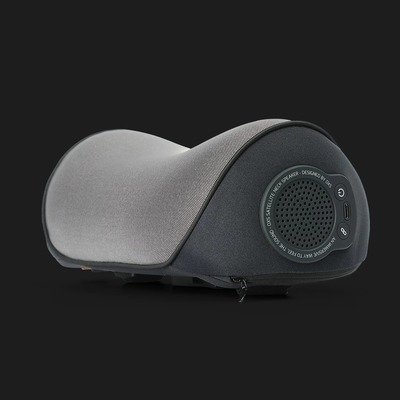
- The 1950s: The Hi-Fi Revolution. The post-war era introduced the concept of the "sweet spot." By splitting audio into left and right channels via Hi-Fi cabinets, listeners were invited into a rudimentary form of stereo imaging. It changed music consumption from a background activity to an intentional, seated experience.
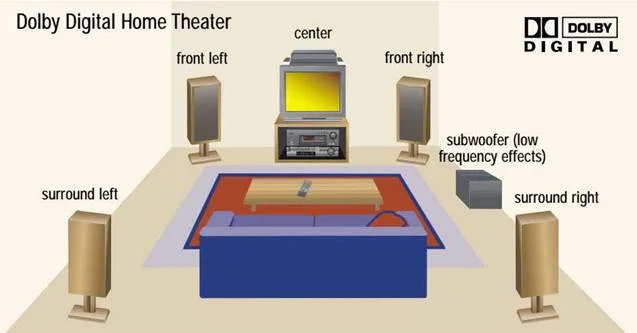
- The 1980s: The Surround Sound Explosion. As home cinema became a reality, the industry introduced Dolby Surround Sound. This required a logistical overhaul of the average living room, necessitating four distinct speakers placed strategically around the listener, accompanied by a dedicated subwoofer to handle low-end frequencies.
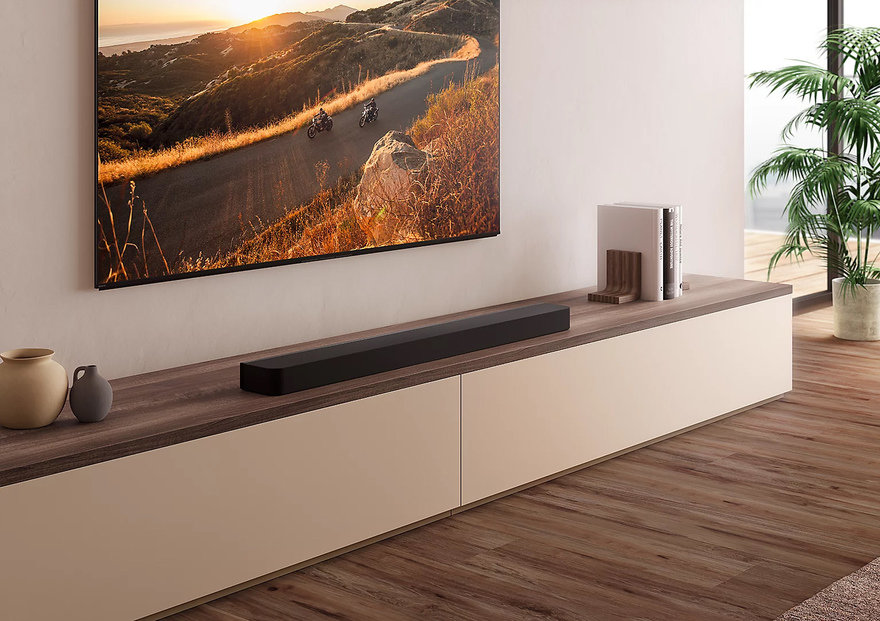
- The 2000s: The Flatscreen Dictate. As televisions shed their bulk and became thin panels, the aesthetic priority shifted. The soundbar was born—a compromise that bundled multiple drivers into a single chassis to simulate surround sound, sacrificing some physical separation for the sake of interior design.
- The 2010s: The Bluetooth Mobility. With the rise of the smartphone, audio became fluid. Bluetooth speakers prioritized portability and connectivity over spatial accuracy, turning every room into a potential listening space.
- The 2020s: The Spatial Gaming Era. We have arrived at an era where audio is no longer just for enjoyment; it is a critical piece of data. In competitive gaming, audio cues are the difference between victory and defeat, leading to the development of systems like the OXS Thunder Pro Max.
The Thunder Pro Max: Breaking Down the Components
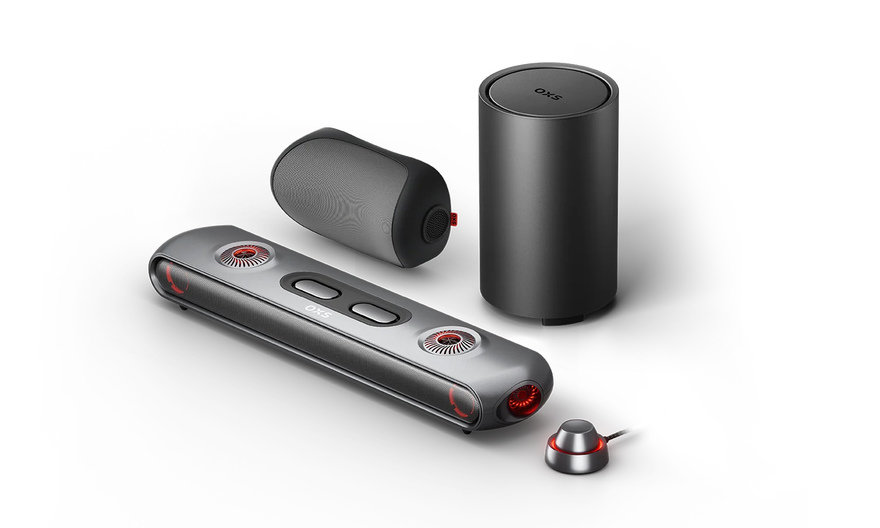
At first glance, the Thunder Pro Max looks like a standard high-end soundbar setup. However, closer inspection reveals a modular approach to spatial audio that addresses the unique needs of the modern PC gamer. The system is comprised of three distinct elements:

1. The Main Soundbar
The foundation of the system is a low-profile, elongated soundbar. Unlike traditional front-firing bars, this unit is engineered with an array of drivers that fire forward, to the sides, and—crucially—upward. These upward-firing drivers are designed to bounce sound waves off the ceiling, creating a sense of verticality that is essential for true Dolby Atmos reproduction.
2. The 80W Subwoofer
To ground the high-end frequency response, the system includes a dedicated 80W subwoofer. While many soundbar systems rely on small integrated woofers, the Thunder Pro Max utilizes a floor-standing cylindrical unit. This allows for deeper, cleaner bass reproduction, providing the visceral "thump" required for explosions in gaming or cinematic soundscapes.
3. The Satellite Neck Speaker
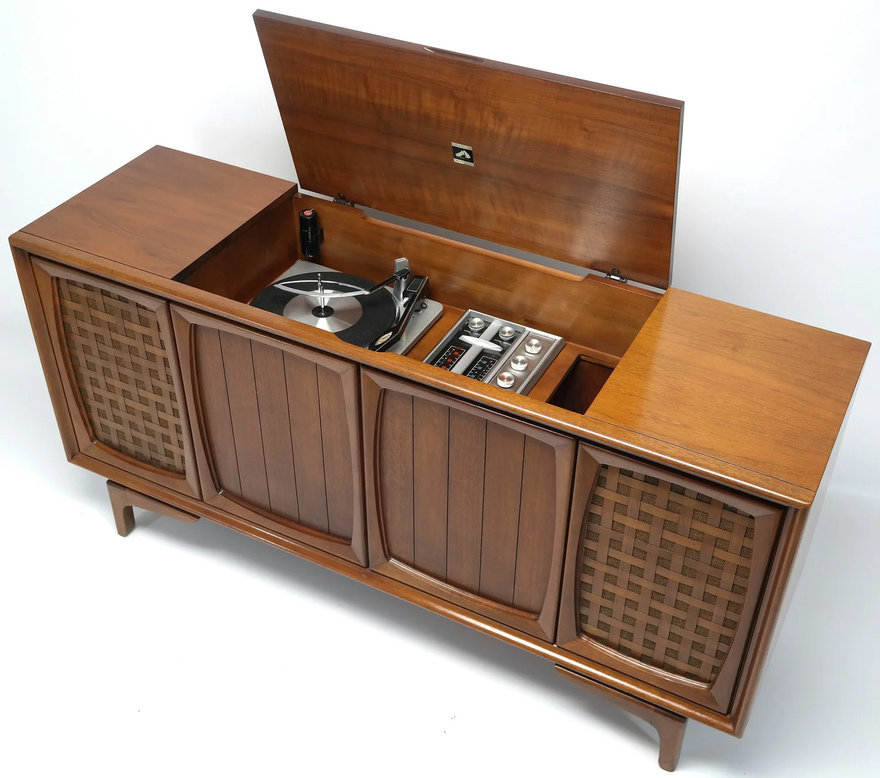
This is the system’s "killer app." The bean-shaped, upholstered, and cushioned neck speaker is designed to be strapped directly to a gaming chair’s headrest. It acts as a rear-channel surrogate, featuring drivers that fire left and right, directly behind the user’s ears. By physically placing the rear speakers on the user’s person, OXS bypasses the acoustic challenges of a room’s geometry.
Supporting Data: The Science of Immersion
The inclusion of Dolby Atmos in the Thunder Pro Max is not merely a marketing buzzword; it is a fundamental shift in how audio is delivered. Traditional surround sound is channel-based—the audio engineer mixes sound for specific speakers. Dolby Atmos is object-based. It treats every sound as an individual entity that can be placed in a three-dimensional sphere.
For a gamer, the implications are profound. In an immersive environment, the system calculates the trajectory of a racecar engine or the distant hum of a helicopter, placing those sounds precisely where they belong in the virtual space. When the rear-facing Satellite Neck Speaker is integrated, the "blind spots" typically found in standard soundbar setups are eliminated.
The Satellite Neck Speaker operates wirelessly, utilizing a rechargeable battery via USB-C. By moving the rear-channel hardware from the wall to the chair, OXS has successfully eliminated the "wiring nightmare" that has historically deterred gamers from adopting true 7.1.2 surround sound systems.
Official Perspectives and Market Implications
OXS has positioned this system as the first of its kind to integrate a neck-mounted component directly into a dedicated gaming ecosystem. In a press statement, the company emphasized that the system was built for the "ultra-immersive" player who demands competitive advantages but lacks the square footage for a full theater installation.
From an industry standpoint, the Thunder Pro Max arrives at a time when PC gaming peripherals are becoming increasingly ergonomic. We are seeing a move away from headsets, which can be physically fatiguing after long sessions, toward high-fidelity external solutions that don’t isolate the user from their environment.

However, the $750 price point places this system in the premium tier of gaming accessories. It competes directly with high-end gaming headsets and standalone multi-speaker systems. While the convenience of a wireless neck speaker is undeniable, the long-term comfort of wearing an upholstered device—and the necessity of keeping it charged—remains a factor for potential buyers to consider.
The Future of the Living Room and Battlestation
The OXS Thunder Pro Max is a harbinger of how we will interact with digital spaces in the coming decade. As virtual reality and high-fidelity gaming become more integrated, the demand for audio that mimics human hearing—capturing sound from above, below, and behind—will only increase.
By bridging the gap between the bulky, wired systems of the 1980s and the minimalist trends of the 2000s, OXS has crafted a hybrid solution that feels tailor-made for the modern "battlestation." Whether this configuration becomes a new industry standard or remains a niche luxury depends on how effectively the system handles software calibration and the reliability of the wireless connection.
For now, the Thunder Pro Max stands as a testament to the fact that audio engineering is no longer just about making things louder; it is about making things more accurate. As the system rolls out, early adopters will be the final arbiters of whether the "Satellite Neck Speaker" is a passing gimmick or a necessary evolution in the pursuit of total immersion. For those looking to upgrade their gaming space, the wait for independent, real-world testing is advised, but the ambition behind the hardware is clear: the era of flat, two-dimensional gaming audio is rapidly drawing to a close.
About the Author